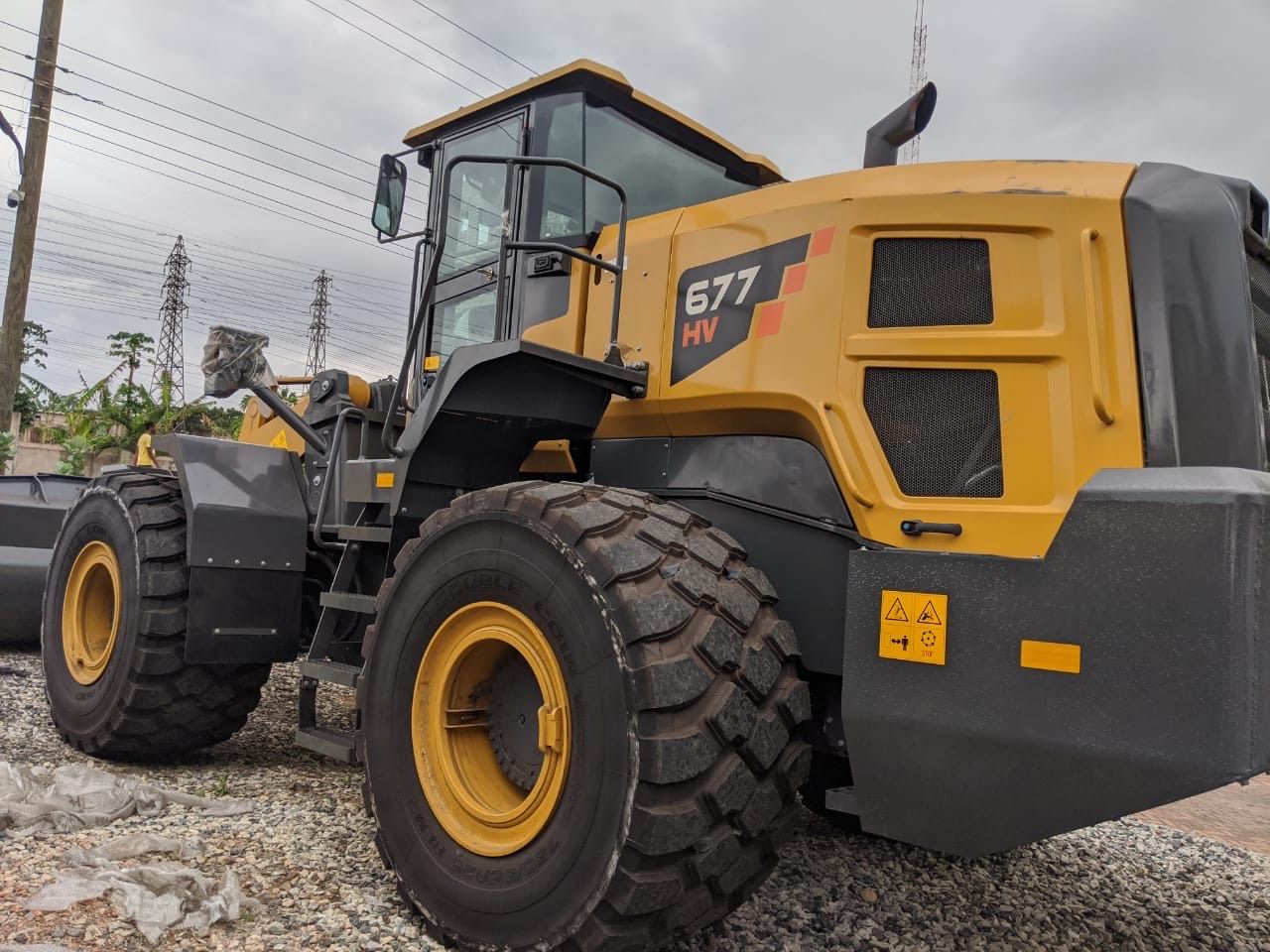

Ghana’s gold mining sector is a prominent player on the world stage. It makes a lot of money, has a lot of production, and has made big changes in policy to try to get more value.
📊 A Look at the Market and How It Has Done Recently
Ghana is the biggest gold producer in Africa and one of the top 10 in the world. The sector is the main source of foreign cash. In 2024, gold alone brought in $11.6 billion in export earnings, which is a 52.6% rise from the year before.
Important numbers from 2024 and the start of 2025:
In 2024, gold production will be 4.9 million ounces (around 136 metric tons), which is an 8.5% rise over 2023. It is expected that 4.4 to 5.1 million ounces would be produced in 2025.
Economic Contribution: The mining industry paid 17.7 billion Ghanaian cedis in taxes in 2024, which was 9.5% of all government revenue. In 2024, the Bank of Ghana’s gold reserves grew by 56% to 30.5 tons.
Recent Growth: In the first four months of 2025, gold export earnings jumped 76.4% year-on-year to $5.2 billion.
🏭 Main Players and Sources of Production
There are two main sources of production:
Large-Scale Mining (LSM) is the biggest type of mining and involves big international companies. Newmont (Ahafo, Akyem mines), Gold Fields (Tarkwa, Damang mines), and AngloGold Ashanti (Obuasi mine) are some of the biggest companies in the business.
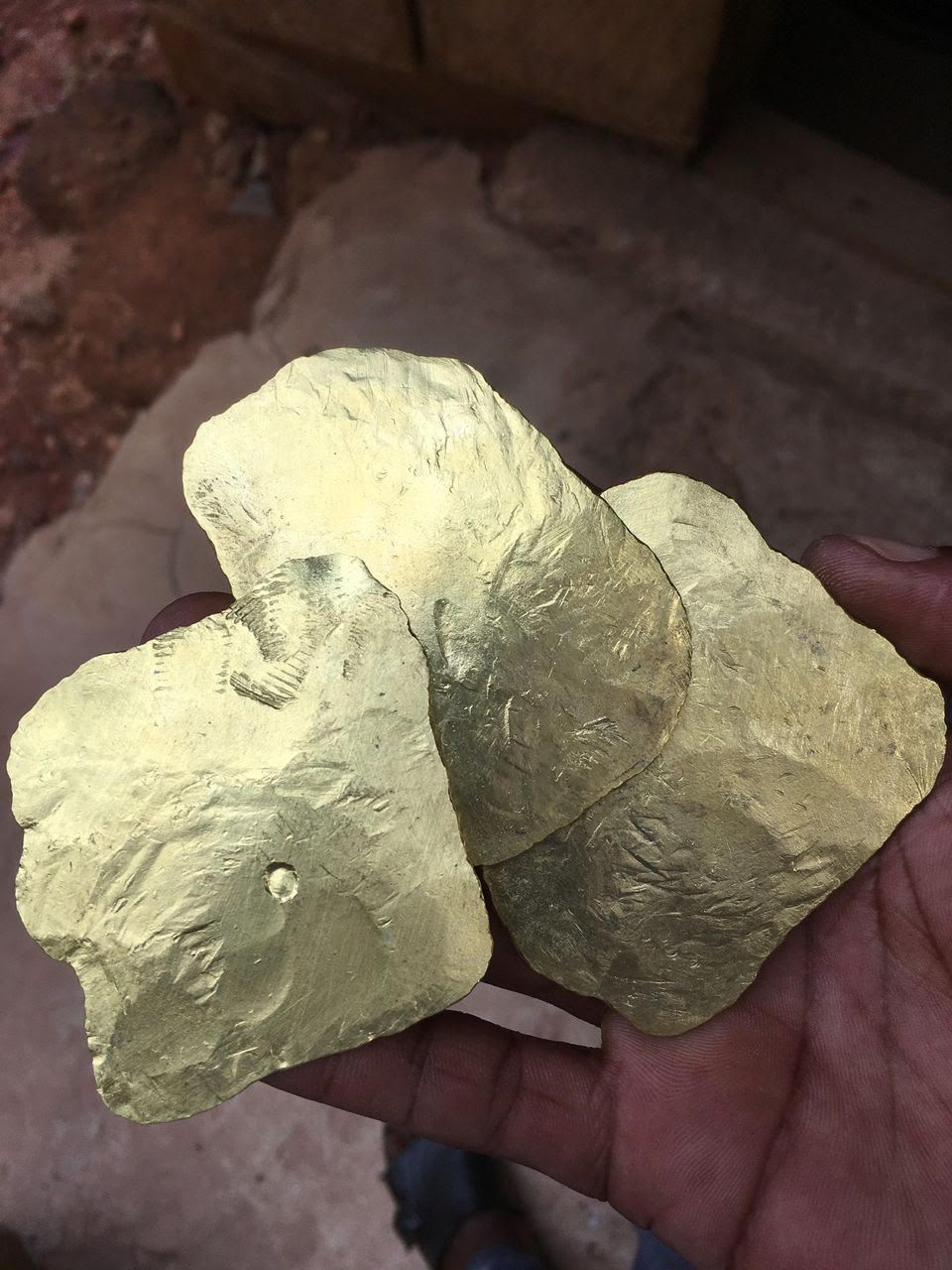
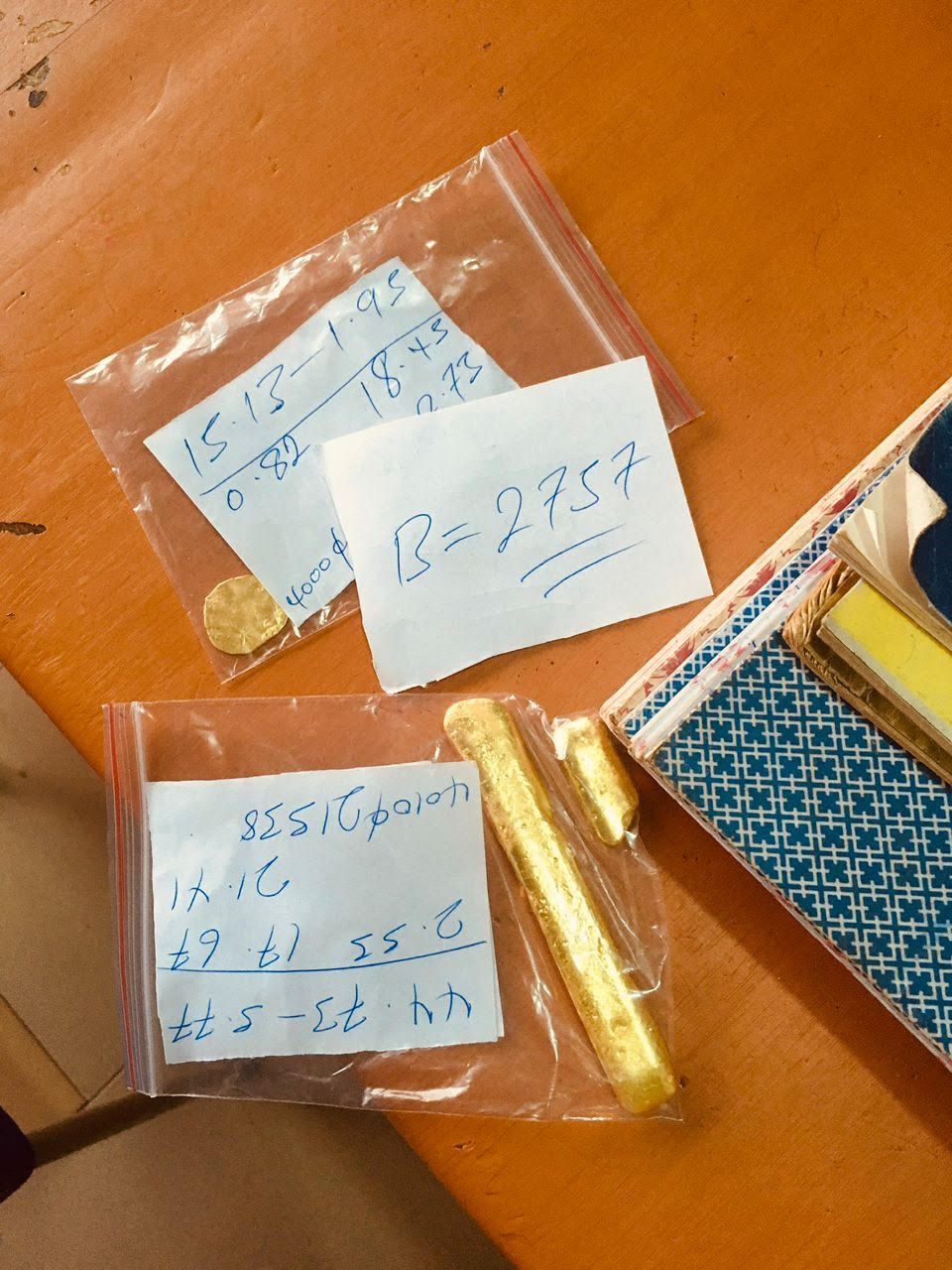
Artisanal and Small-Scale Mining (ASM): A very important source of income for over a million individuals. ASM is expected to have brought in $5 billion in export income in 2024.
Expected Contributors to Growth in 2025 Expected Declines in 2025
The Ahafo South Mine of NewmontThe Edikan Mine of Perseus Mining
Namdini Mine in Shandong Gold and Damang and Tarkwa Mines in Gold Fields
Akyem Mine in Zijin Important trends in the industry and government policy
Several important trends are shaping the current situation:
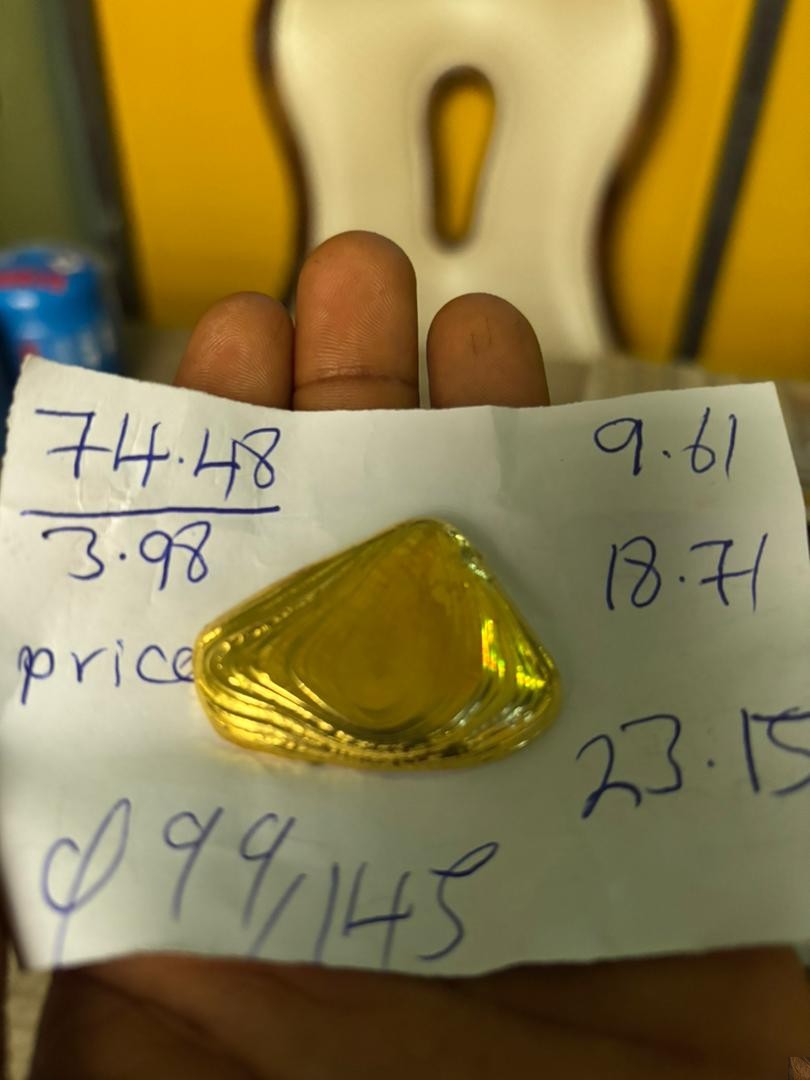
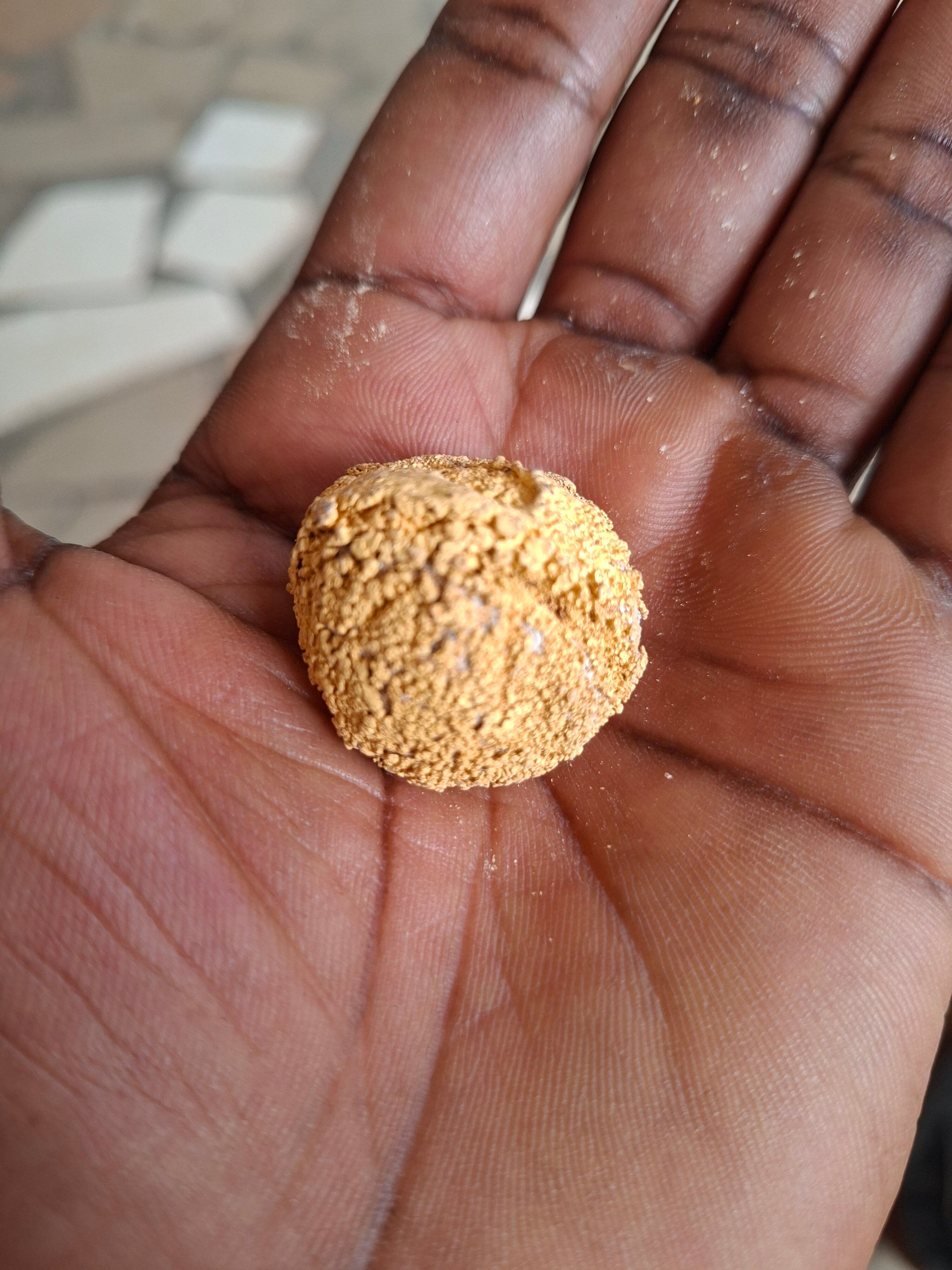
Value Addition: There is a big change in policy happening that will make it easier to refine gold locally before sending it abroad. In February 2025, Ghana started refining 1 metric tonne of artisanal gold a year in conjunction with Gold Coast Refinery and South Africa’s Rand Refinery. The goal was to have the gold approved for sale on the international market.
Overhaul and oversight of regulations:
The Ghana Gold Board (GoldBod) was set up to oversee and simplify gold trading in Ghana, especially for small-scale miners.
Major Sector Audit (Nov 2025–Jun 2026): An in-depth audit of major mining companies will look at their output levels, tax and royalty payments, and compliance with environmental laws.
Fighting unlawful Mining (“Galamsey”): The government is clamping down on unlawful mining, which hurts the environment a lot (mercury contamination, deforestation). Recent efforts include stopping foreigners from trading gold in the area and putting more police on the streets.
⚠️ Problems and dangers
There are some big problems in the market:
Illicit Financial Flows (IFFs): Smuggling and underreporting happen when the supply chain isn’t strong enough. A research from 2025 says that there is a trade gap of 229 tons of gold (worth $11.4 billion) between Ghana’s stated exports and partner countries’ recorded purchases during five years (2019–2023).
Regulatory Uncertainty: The move to the new GoldBod system makes things less clear, especially when it comes to ASM output.
Costs of doing business: High wage inflation, import duties (up to 20% on machinery), and VAT on exploratory services can all make people less likely to invest.
Illegal mining that keeps happening: Even though there have been crackdowns, galamsey is still a key source of income for many people, making it harder to enforce rules and safeguard the environment.
🔮 Looking Ahead
Several things point to a cautiously optimistic future for Ghana’s gold mining market:
New Projects: New mines, including Azumah Resources’ project (scheduled for 2026) and continuing expansions, are projected to help production in the future.
Adopting new technologies like AI, drones, and blockchain is meant to make things more efficient, safer, and clear throughout the supply chain.
Trend in the Region: Ghana’s changes to its audits and policies are part of a larger trend in Africa, as governments want to get more control and value from mineral resources.
I hope this summary helps you understand Ghana’s gold mining sector better. If you’re interested in a certain part, such investment prospects, thorough profiles of big mining businesses, or the environmental effects of ASM, I can give you more precise information.