
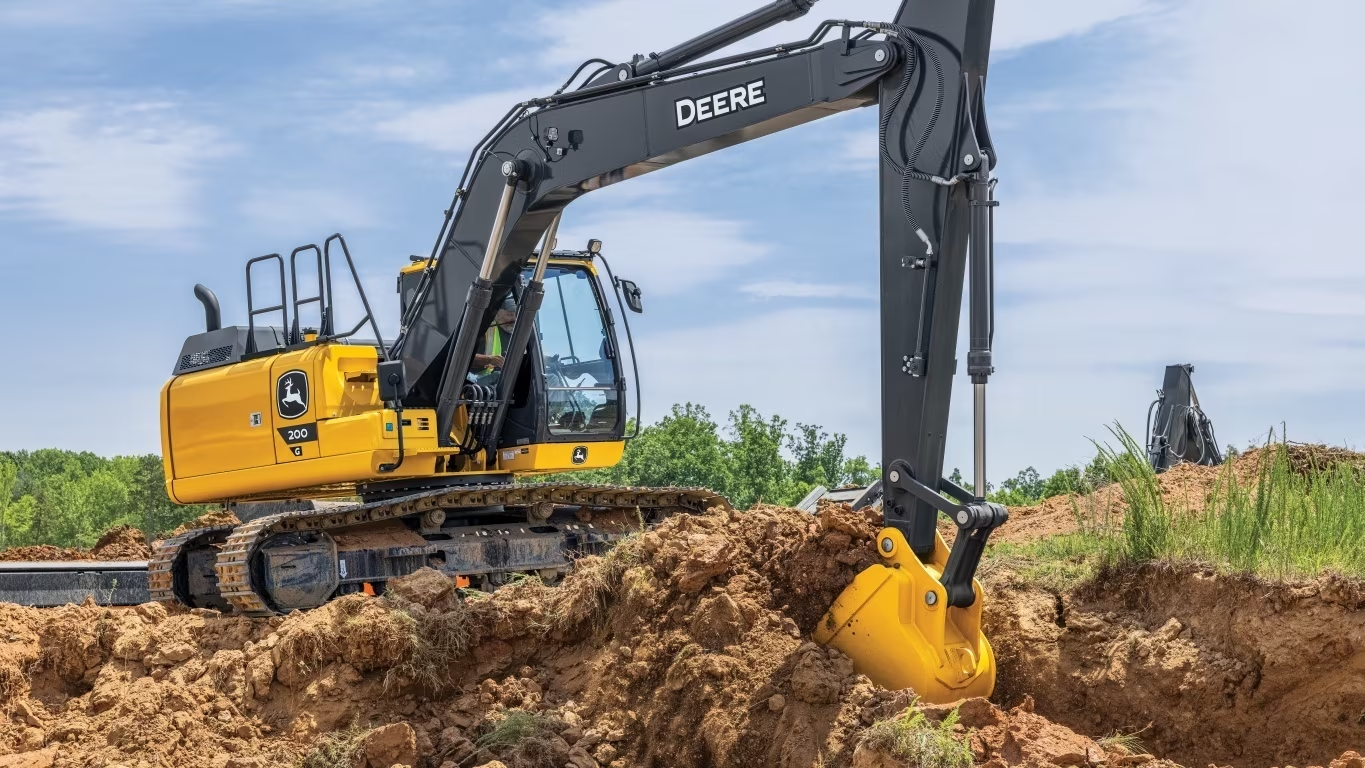
The heavy equipment excavator rental market in Africa is a dynamic and growing sector, driven by major infrastructure and mining projects, though it presents unique challenges. Here is an overview of the market based on recent reports and industry news.
📈 Market Overview & Key Drivers
The demand for excavator rentals in Africa is a significant part of the broader heavy construction equipment rental market, which is projected to grow through 2031 . This growth is fueled by several factors:
- Infrastructure and Urbanization: Government-led initiatives for roads, housing, and public utilities across the continent are primary demand drivers .
- Mining Activities: The vibrant mining sector in countries like South Africa, the Democratic Republic of the Congo, and Zambia consistently requires earthmoving equipment like excavators .
- Cost-Effectiveness of Renting: High ownership costs, including maintenance, storage, and the risk of asset depreciation, make renting a financially attractive option. This is especially true for small and medium-sized enterprises (SMEs) that can access expensive machinery without large capital expenditure .
- Rise of the Used Equipment Market: The thriving market for used equipment provides an affordable alternative for rental fleets, making it easier for rental companies to expand their inventory and offer competitive rates .
🌍 Regional Market Snapshots
The market landscape varies significantly across the continent. Here’s a look at some key regions:
🏗️ Major Players and New Developments
The market features a mix of established international distributors, regional leaders, and innovative startups.
- Established Distributors: Companies like Develon SA (formerly Doosan) play a pivotal role by supplying new equipment to major contractors and rental companies across Southern Africa. They also emphasize the importance of after-sales support, technical training, and fuel-efficient models to meet modern demands .
- Regional Rental Companies: Talisman Hire, through its joint venture with DGC Africa in Zambia, exemplifies how companies are expanding to meet local infrastructure needs. They provide everything from concrete cutting tools to larger equipment, with a focus on including servicing and maintenance to ensure reliability for contractors . In South Africa, Eazi Access is noted as a market leader, though its focus is more on work-at-height and material-handling solutions .
- Innovative Startups: The market is seeing digital disruption. Ugandan startup Anchor Machines has developed a platform to connect contractors with underutilized earthmoving equipment, aiming to improve efficiency and cut costs in East Africa . In Kenya, companies like Tool Quip Hire offer a variety of construction tools and equipment for rent, catering to a wide range of project needs .
💡 Challenges and Trends
- Economic Cycles: Interestingly, a slowdown in new construction equipment sales can actually boost the rental market, as companies opt for short-term solutions over large capital purchases during uncertain economic times .
- Lack of Skilled Operators: A major challenge for the rental market is the shortage of qualified operators for heavy machinery. This can lead to inefficiencies and potential damage to equipment .
- Sustainability and Tech: There is a growing shift towards fuel-efficient engines and the integration of technologies like telematics and IoT. These tools help rental companies track equipment, optimize fleet performance, and offer “future-ready” solutions to clients .
- Supply Chain and Support: Ensuring a consistent supply of spare parts and providing timely maintenance services across the continent’s vast and varied terrain remains a significant operational challenge for rental companies .
I hope this overview provides a helpful picture of the excavator rental market in Africa. Are you interested in a deeper look at a specific country or perhaps the role of technology in this sector