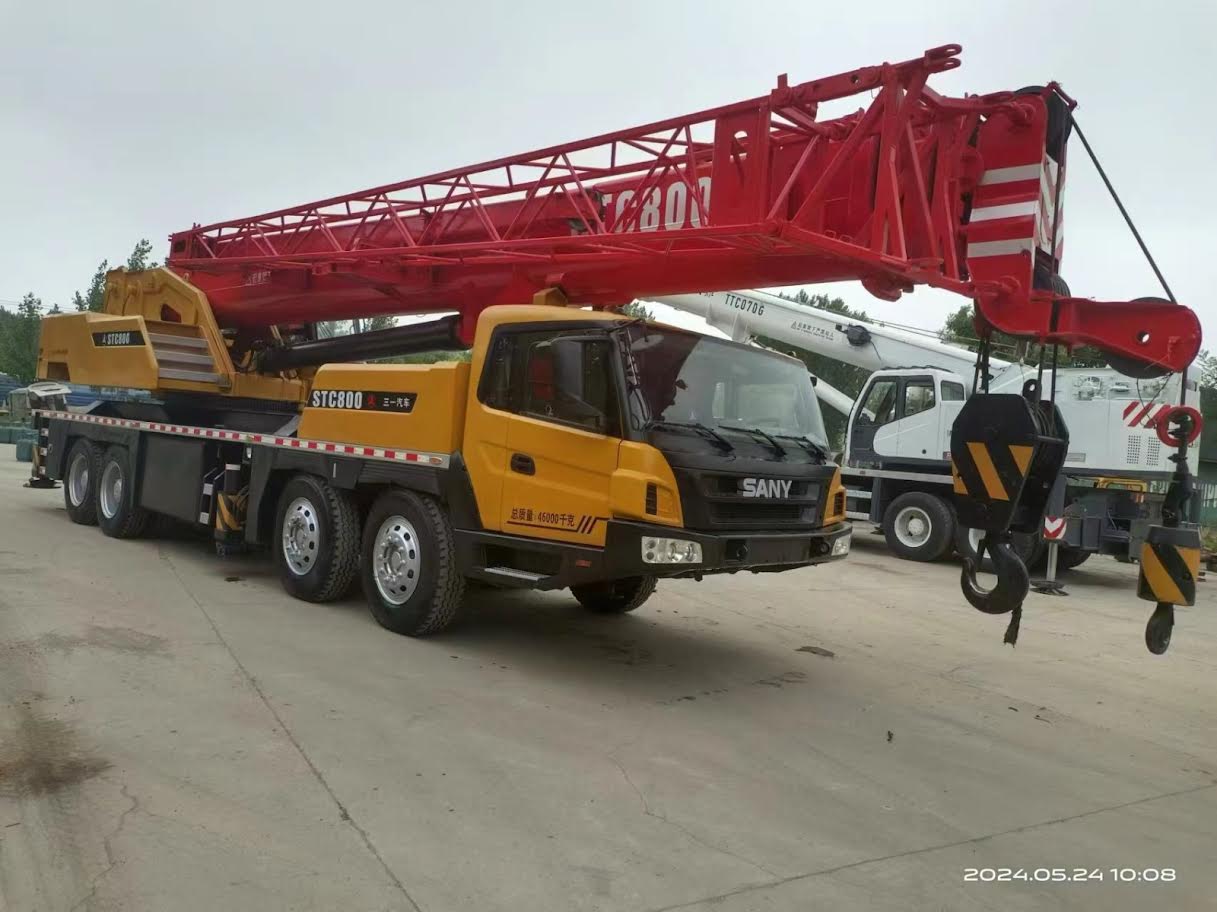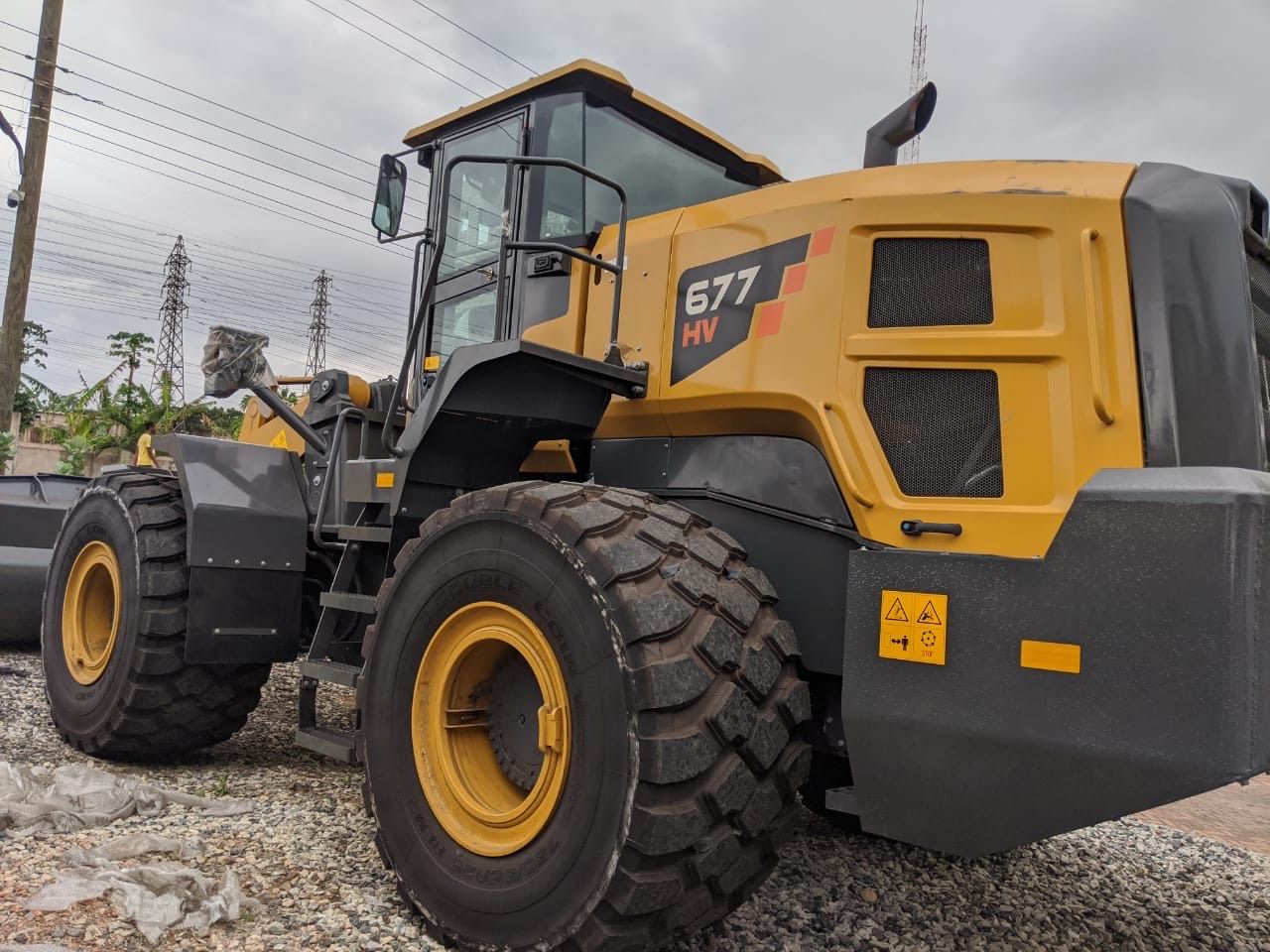

The African market for excavators and mechanical shovels is on a clear upward trajectory, fueled by massive infrastructure investments and a growing mining sector . After a slight dip in 2024, the market is projected to return to steady growth through the next decade .
Below is a snapshot of the market’s current size and future potential:
| Metric | 2024 Value | 2035 Projection | CAGR (2024-2035) | Source |
|---|---|---|---|---|
| Market Volume | ~38,000 units | ~49,000 units | +2.3% | |
| Market Value | ~$1.4 billion | ~$2.1 billion | +3.4% |
🚜 Key Market Drivers
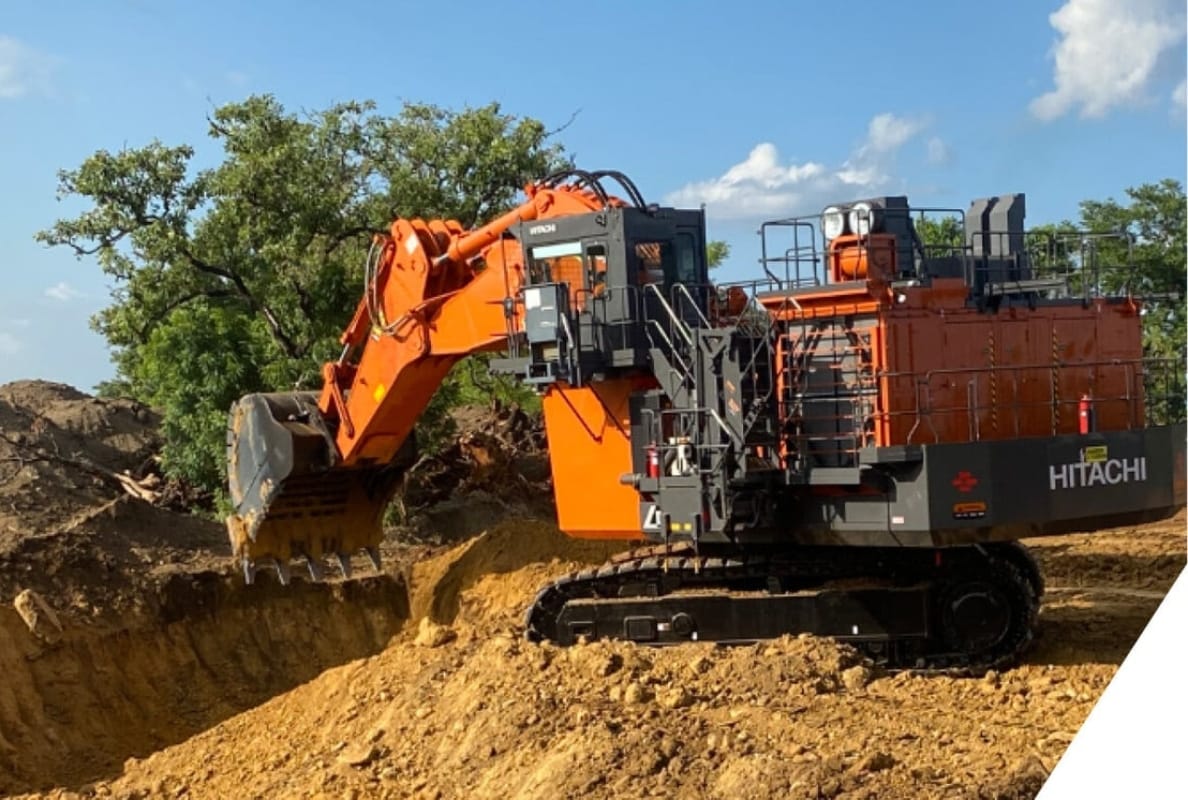
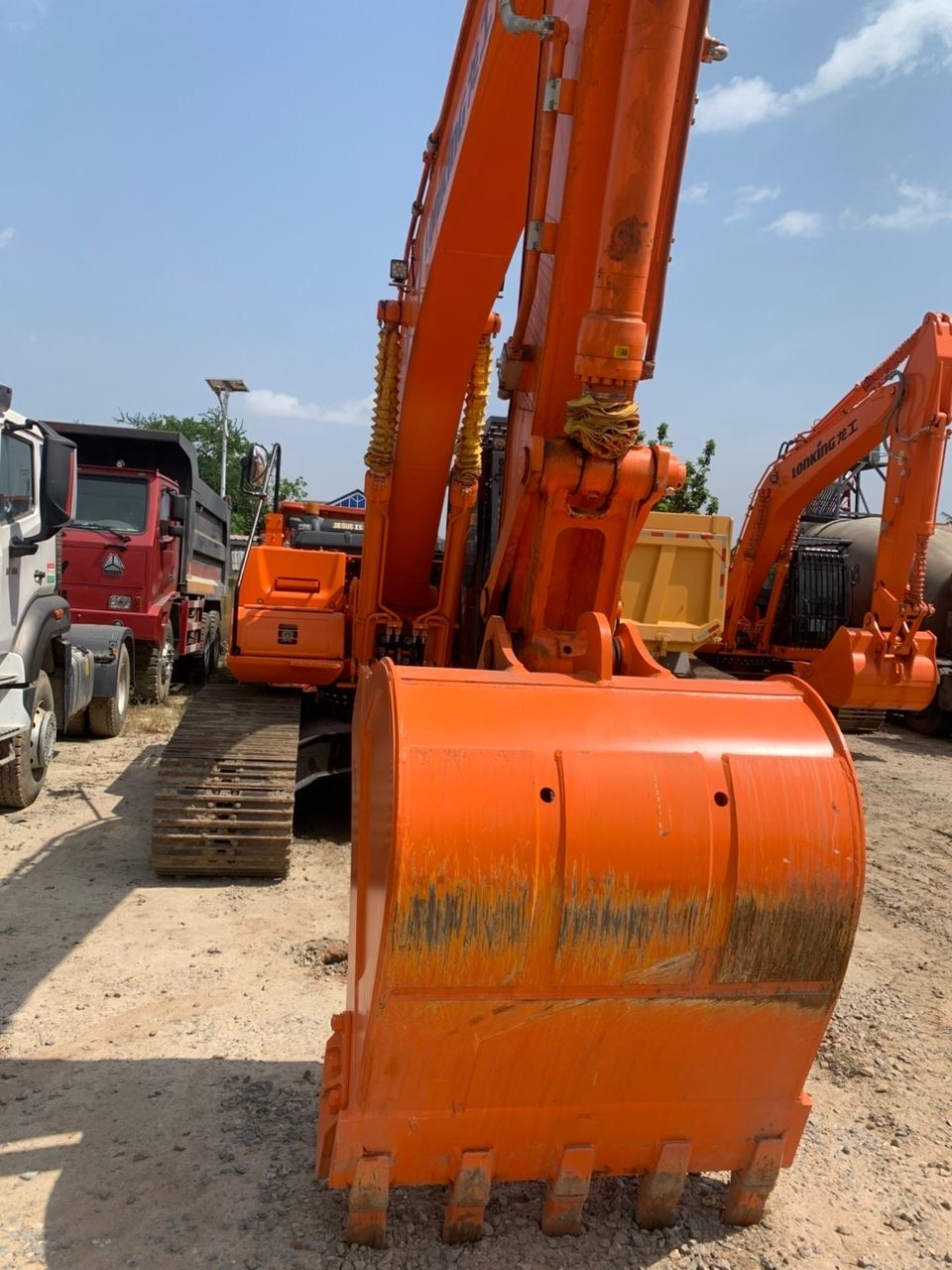

The demand for excavators across Africa is not uniform but is being propelled by several powerful trends:
- Mega-Projects and Infrastructure Development: A massive pipeline of infrastructure projects, valued at over USD 2 trillion across the Gulf Cooperation Council (GCC) region, is spilling over into North and East Africa . This includes projects like the Addis Ababa–Djibouti Railway, which attracted significant investment .
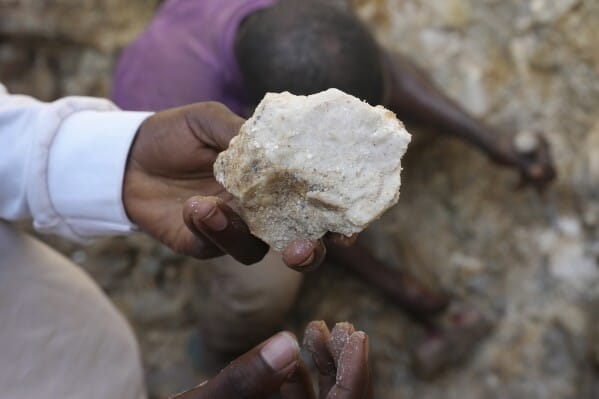
- Mining and Resource Extraction: The global shift toward electric vehicles is increasing demand for “battery minerals” like cobalt and copper. This is driving significant investment in mining operations in countries like the Democratic Republic of the Congo (DRC) and Zambia, which rely heavily on large excavators and shovels for overburden removal and ore extraction . The demand for specialized electric rope shovels is also growing in large-scale mining operations across resource-rich countries such as South Africa and Ghana .
- Rapid Urbanization and Housing: Africa is experiencing rapid urban population growth, creating a pressing need for new housing and urban infrastructure. This fuels demand for a wide range of construction equipment, including excavators for site preparation and foundation work . In Ethiopia, for example, the construction of new cement plants underscores the material demand that supports earth-moving activities .
📊 Market Segmentation and Insights
The market can be better understood by looking at the dominant equipment types and end-users.
- By Product Type: Excavators are the dominant machinery type, holding a significant 35.75% market share in the broader Middle East and Africa construction equipment market in 2025 . This is due to their versatility across construction, mining, and infrastructure projects.
- By Power Source: While diesel-powered equipment currently dominates (72.63% market share in 2025), there is a growing shift toward electric and hybrid models, especially in urban projects and mining operations focused on reducing emissions and operational costs .
- By End-User: The construction industry is the primary consumer of excavators, followed by the mining sector . Contractors, in particular, represent the largest end-user group .
🏆 Competitive Landscape
The African excavator market features a mix of global heavyweights and emerging players.
- Global Leaders: International original equipment manufacturers (OEMs) maintain a strong presence, often through local dealers and service hubs. Key players include Caterpillar Inc., Komatsu Ltd., Hitachi, Ltd., and AB Volvo .
- Chinese Manufacturers: Companies like SANY Group and Xuzhou Construction Machinery Group Co., Ltd. (XCMG) are making significant inroads, often backed by Chinese infrastructure financing and a focus on new projects across the continent .
- Localization Strategies: To comply with local content rules and improve after-sales service, many international brands are forming joint ventures and establishing local assembly operations, particularly in GCC countries, with effects rippling into North Africa .
💡 Regional Market Dynamics
The market’s growth is shaped by different factors across the continent’s regions:
- Sub-Saharan Africa: This region’s growth is heavily tied to mining activities (DRC, Zambia, South Africa, Ghana) and large-scale agricultural or infrastructure projects .
- North Africa: Demand here is strongly linked to national infrastructure plans, urban development, and industrial projects in countries like Egypt and Algeria .
- East Africa: Countries like Ethiopia are experiencing growth driven by major investments in transport, energy, and housing, creating a strong market for excavators and other earth-moving equipment .
In summary, the African excavator shovel market is poised for consistent growth, presenting significant opportunities for manufacturers, distributors, and investors who can navigate the diverse regional landscapes and align with key infrastructure and mining trends.
I hope this overview is helpful for your market research. Are you interested in a deeper dive into a specific country’s market, such as South Africa or Nigeria, or a particular equipment segment like electric excavators?