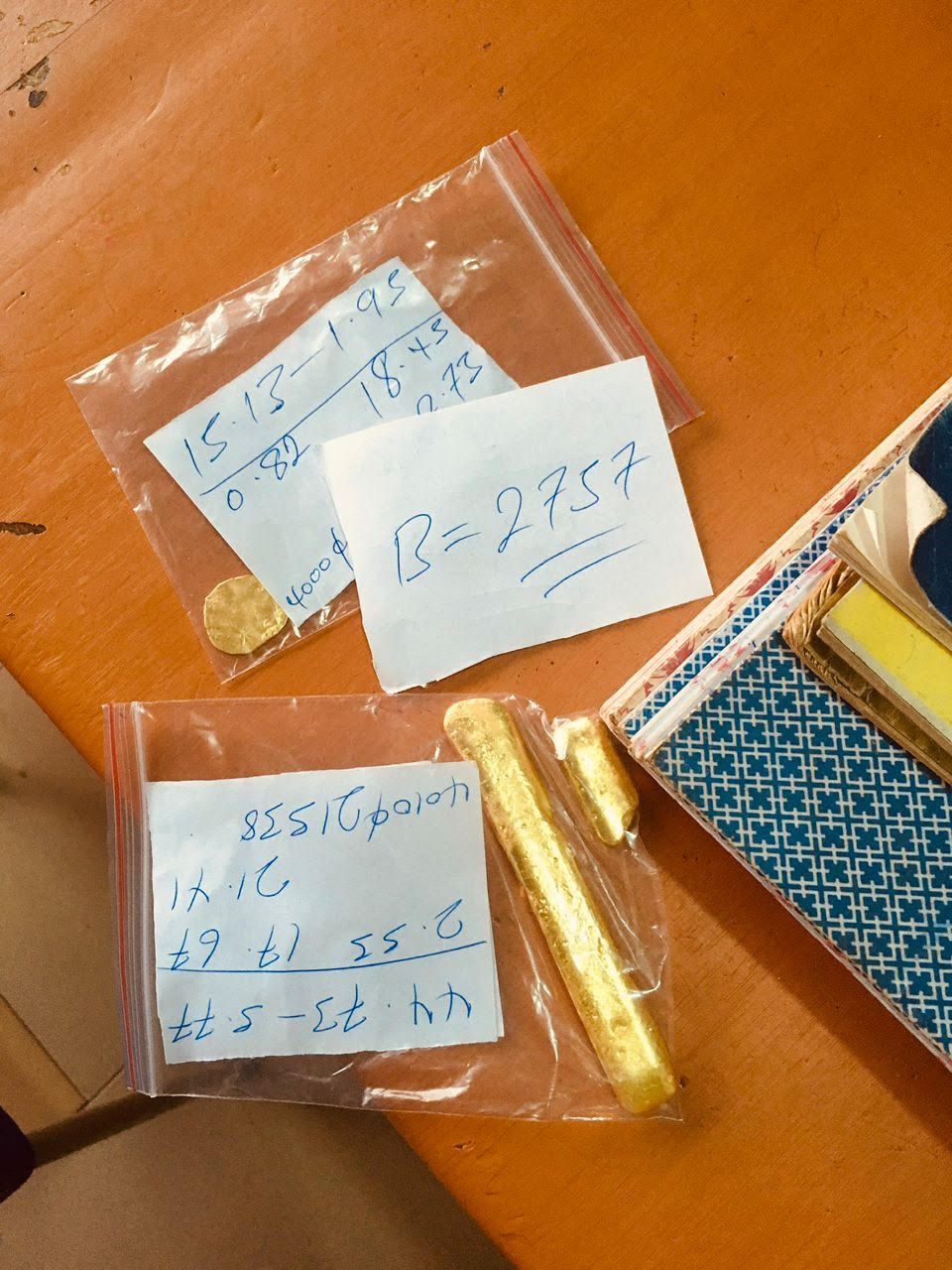

The gold trading market in Africa is one of the most important precious-metal markets in the world. Africa supplies a large share of global gold, and trading happens through mining companies, local traders, refineries, and international buyers. Here is a clear overview of how the market works.
1. Size of the Gold Market in Africa
- Africa produces about 27% of the world’s gold (around 690 metric tons in 2024).
- The sector is worth tens of billions of dollars each year and is a major export source for many African countries.
- Gold is used for investment, jewelry, electronics, and central-bank reserves worldwide.
2. Major Gold-Producing Countries in Africa
The main supply that feeds the trading market comes from these countries:
| Country | Role in Gold Market |
|---|---|
| 🇬🇭 Ghana | Africa’s largest gold producer and a major export hub. |
| 🇿🇦 South Africa | Historic leader with advanced refineries and global bullion trade. |
| 🇲🇱 Mali | One of West Africa’s largest producers. |
| 🇧🇫 Burkina Faso | Growing gold production industry. |
| 🇸🇩 Sudan | Large artisanal mining sector. |
Gold mining contributes a huge portion of export revenue for countries like Ghana and Mali.
3. Key Gold Trading Hubs in Africa
The gold market is centered around several major cities:
- Accra (Ghana) – major trading and export hub
- Johannesburg (South Africa) – international bullion market
- Kampala (Uganda) – growing regional trading center
- Dubai (UAE) – main global destination for African gold
Cities like Accra and Johannesburg host dealers, refiners, and exporters who buy gold from miners and sell to international markets.
4. How Gold Trading Works in Africa
Typical supply chain:
- Mining
- Large mining companies or artisanal miners extract gold.
- Local buyers / aggregators
- Traders buy gold directly from miners.
- Refineries
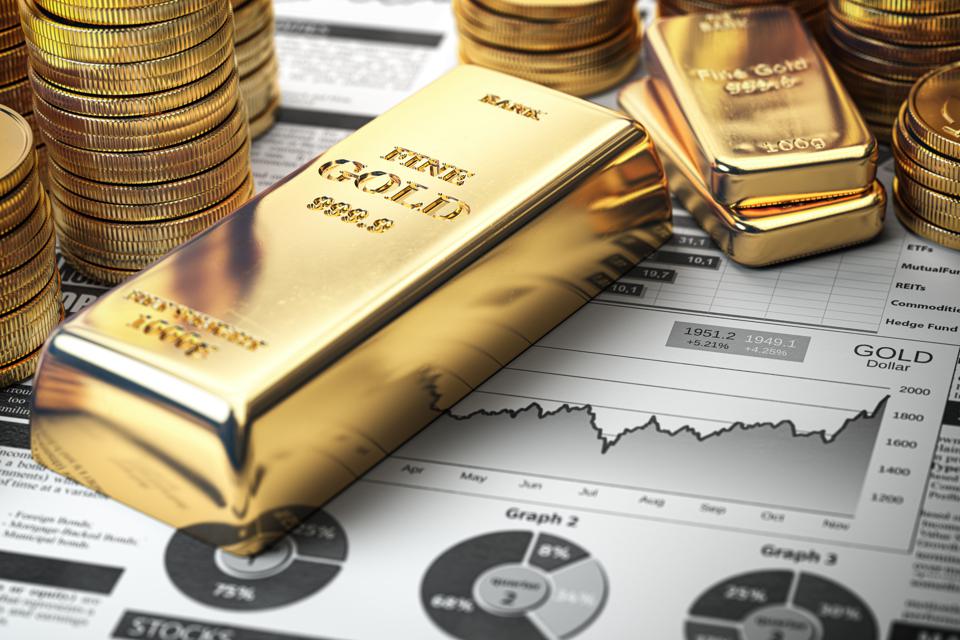
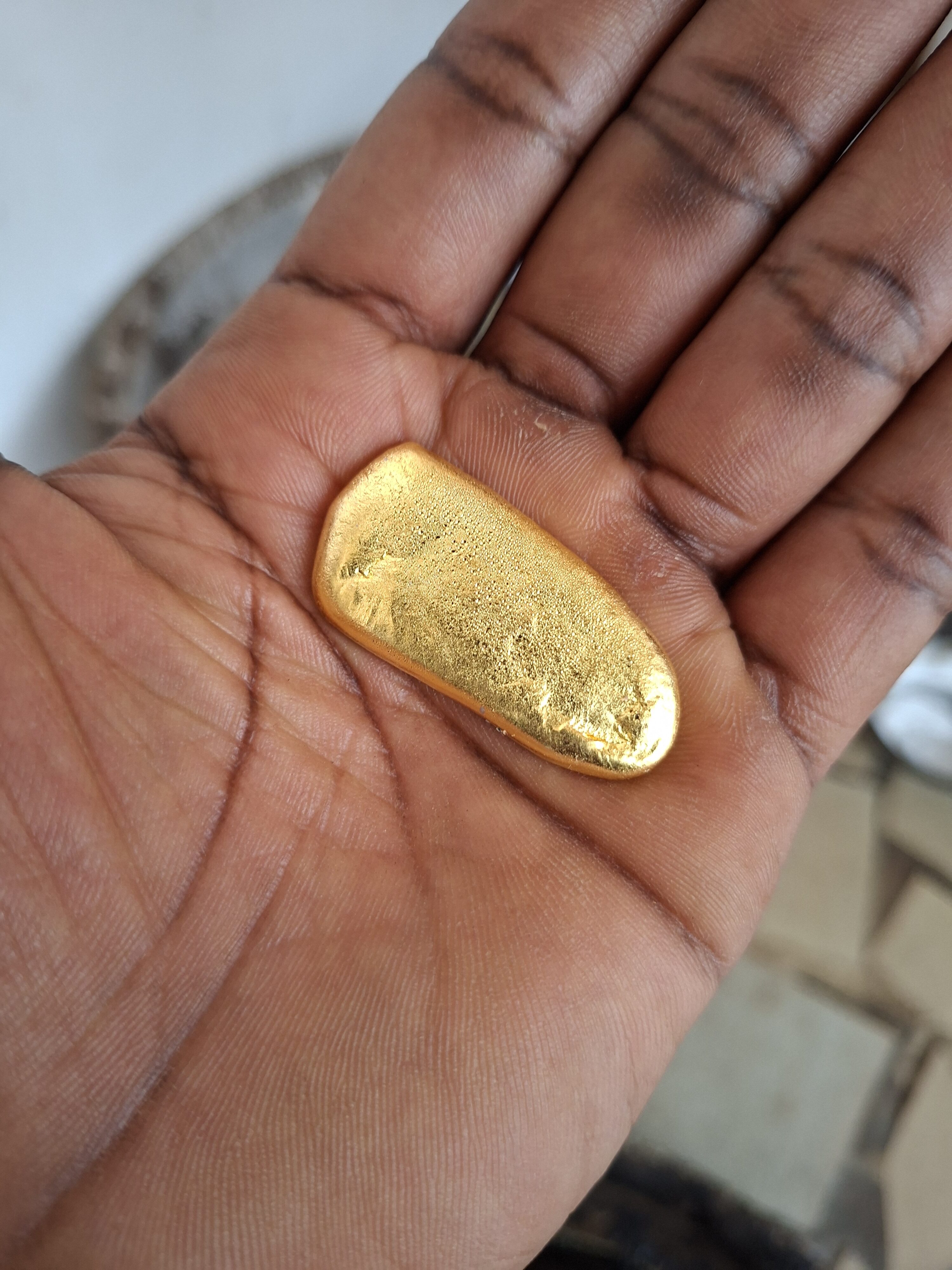
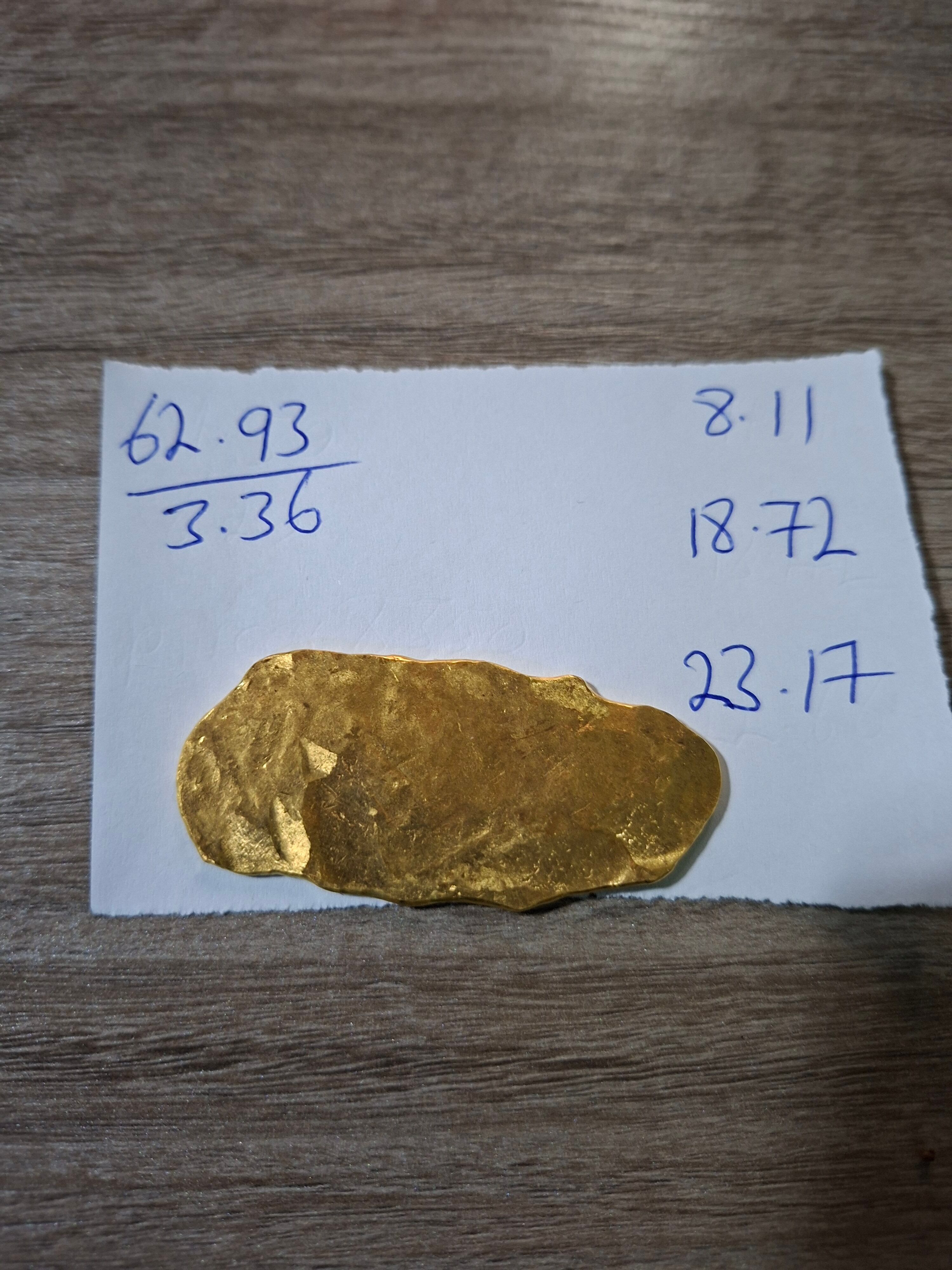
- Gold is refined into bars (usually 22k–24k).
- Export markets
- Gold is shipped to global trading hubs.
Major buyers include:
- United Arab Emirates
- Switzerland
- India
- China
For example, the UAE buys around 40% of Ghana’s gold exports.
5. New Regulations and Government Control
Many African governments are tightening gold trading rules.
Example:
- Ghana created a state body to control artisanal gold trading and reduce smuggling.
Goals include:
- Increasing national revenue
- Reducing illegal mining
- Stabilizing currencies
6. Opportunities in the African Gold Market
Common business opportunities include:
- Physical gold trading
- Gold brokerage / sourcing
- Gold refining and export
- Mining investments
- Gold-backed trading companies
However, the market also has risks:
- Fraud or fake sellers
- Illegal mining supply chains
- export permit requirements
- fluctuating global gold prices
✅ Important: Real gold trading in Africa usually requires:
- Government export license
- refinery certificate
- assay report
- customs clearance
💡 Since you’re in Ghana, Accra is actually one of the largest gold trading hubs in West Africa, with strong export connections to the Middle East and Europe.
✔️ If you want, I can also explain:
- How gold trading deals work in Ghana (step-by-step)
- How brokers make money in African gold trade
- How to avoid gold scams in Africa (very important in this market).