
Due to extensive infrastructure projects, mining operations, and an increasing inclination toward rental rather than ownership in order to protect capital, investing in Africa’s heavy equipment rental sector offers a substantial potential. In order to give prospective investors a thorough picture, this guide summarizes recent market studies.
📈 Growth Drivers & Market Opportunities
A number of important reasons from a variety of industries are driving the robust growth trajectory of the heavy equipment rental industry in Africa.
Strong Growth Forecasts: The market is expected to grow significantly. From 2026 to 2033, the Middle East and Africa mining equipment rental market is expected to expand at a Compound Annual Growth Rate (CAGR) of 8.5%. In a similar vein, it is anticipated that the region’s larger rental market for construction equipment will grow to USD 150 billion by 2033.
Important Growth Areas:
Infrastructure and Construction: Governments throughout the continent are making significant investments in commercial complexes, highways, bridges, and airports. The main factor influencing the leasing of construction equipment is the increase in large-scale projects.
Mining: Due to cost-effectiveness and operational agility, the mining sector is increasingly using rental solutions, particularly in light of volatile commodity prices.
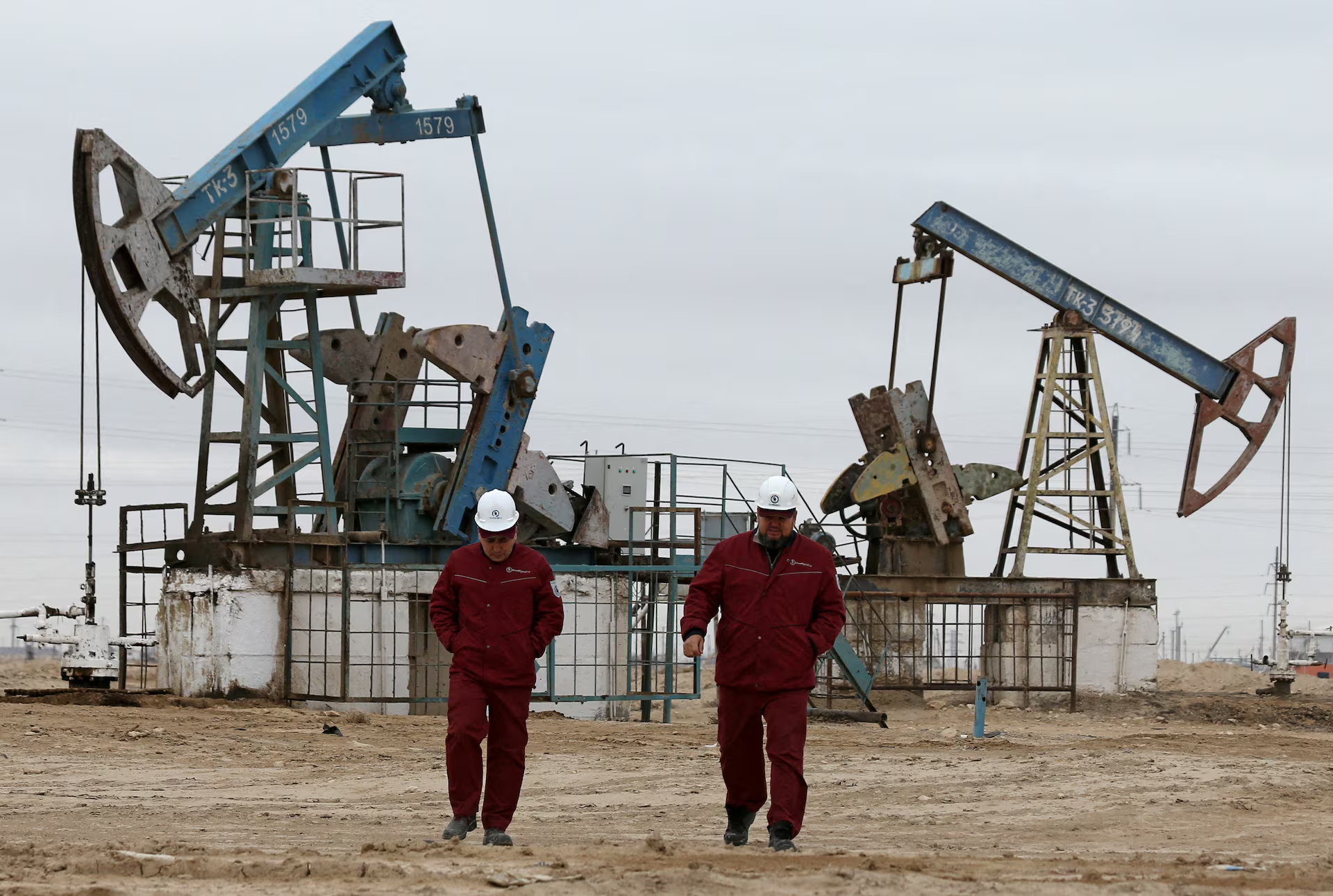
The need for specialized heavy machinery is also greatly influenced by the oil and gas and renewable energy industries.
Agriculture: A new market for the rental and lease-to-own of agricultural equipment is being created by government programs, such as Nigeria’s recent scheme to deploy thousands of tractors through Mechanization Service Providers (MSPs).
The Shift to Rental: Businesses’ strategic decision to conserve cash is a key motivator. Businesses choose to rent rather than make big capital expenditures in order to lower financial risk, provide flexibility for project-based work, and prevent equipment from sitting idle in between contracts. Hybrid models, in which businesses rent additional machinery for certain projects while owning core equipment, are increasingly the norm.
Approaches to Strategic Investment
A clear plan is necessary to enter this industry. Here are some important strategies and models of operation to think about.
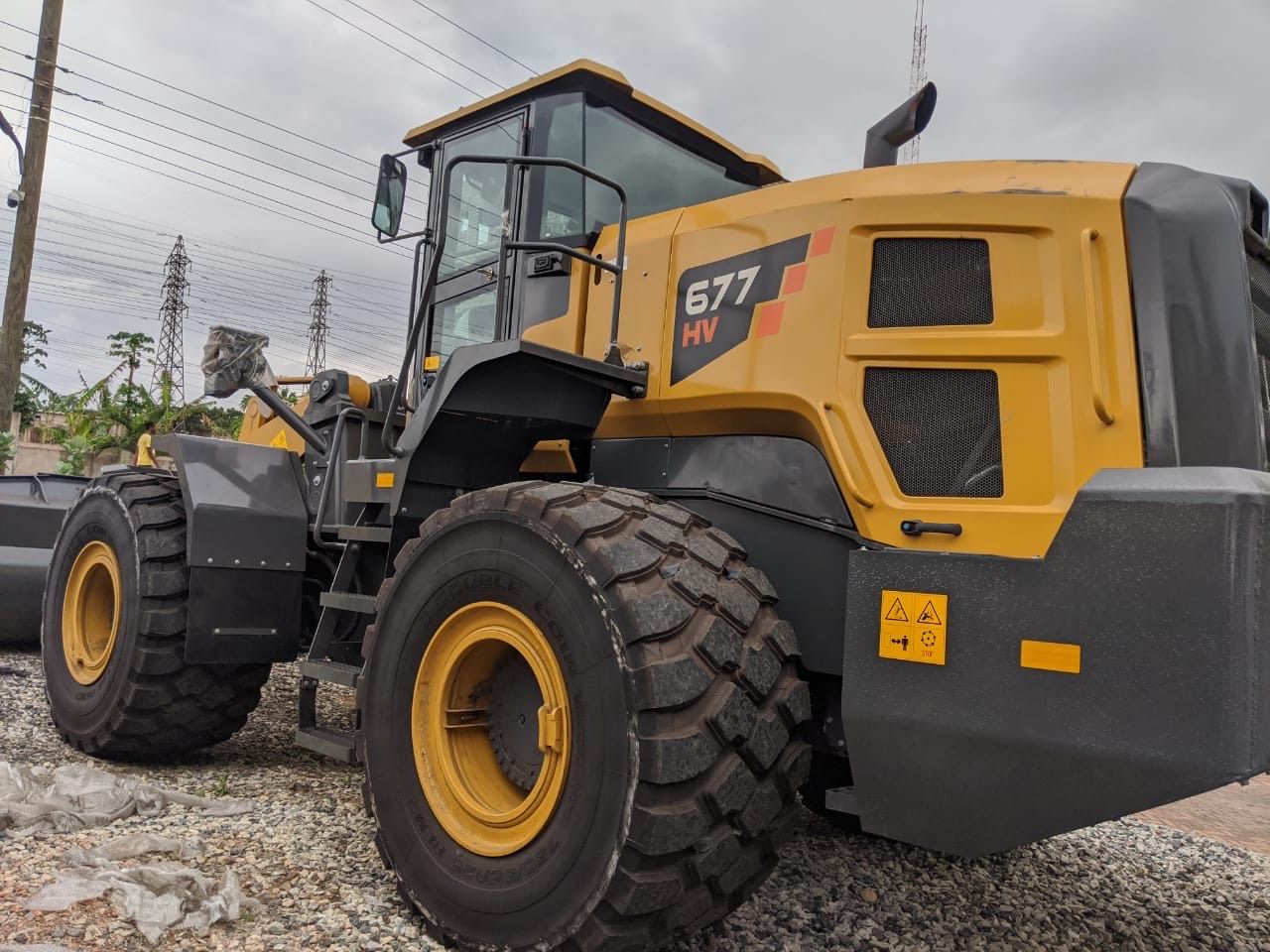
Market Segmentation & Focus: The market may be divided into segments based on project size, industry vertical (construction, mining, agricultural, and oil & gas), and equipment type (such as excavators, bulldozers, cranes, loaders, dump trucks, and forklifts). Focusing on a particular high-growth area, such mining equipment in Southern Africa or construction equipment for infrastructure projects in Nigeria or Egypt, could be a wise entrance strategy.
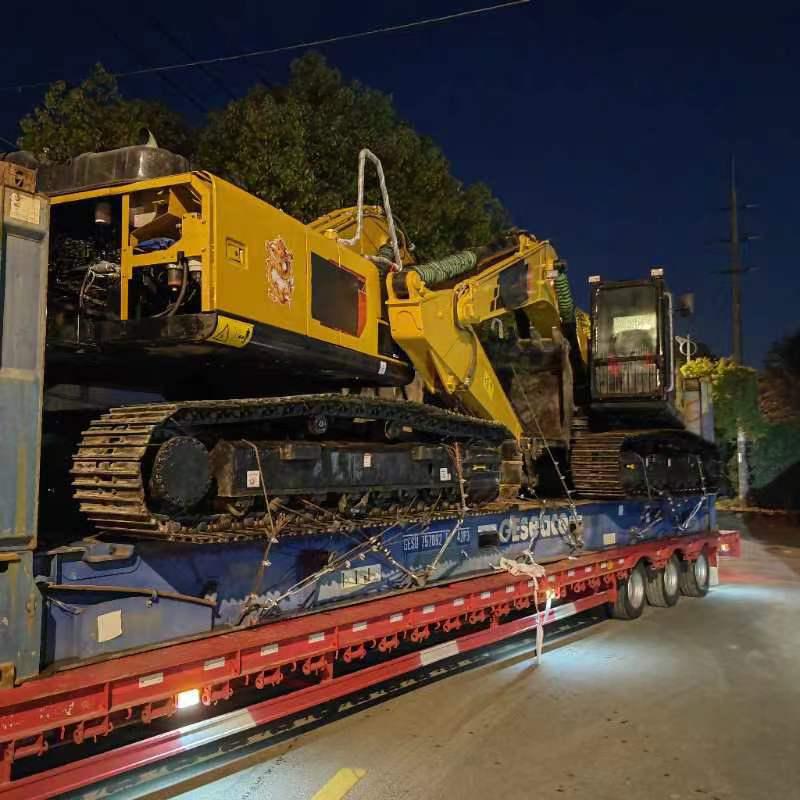
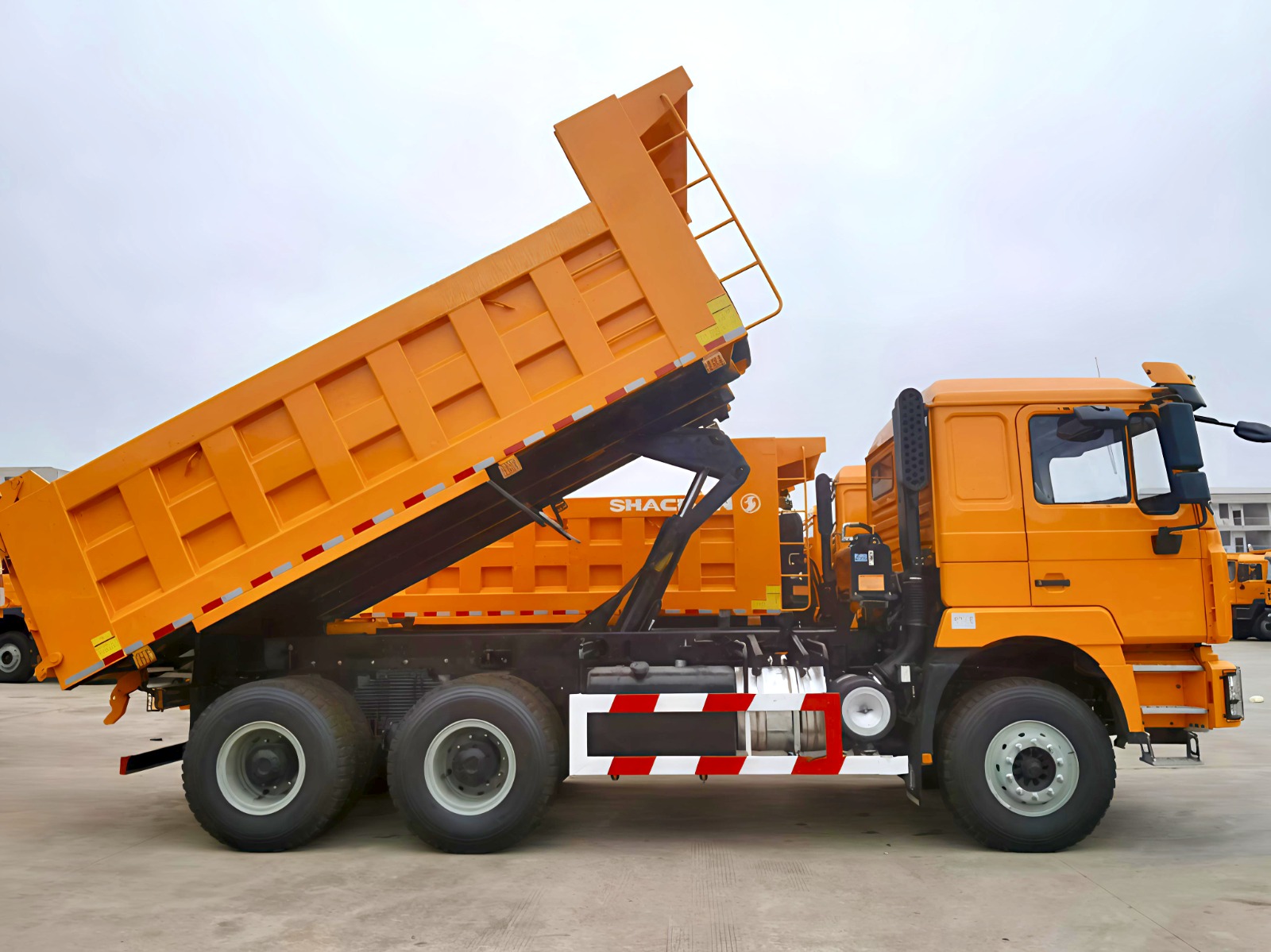
Creative Business Models: A number of models are becoming popular that go beyond typical short-term rentals, including:
Rent-to-Own or lease-to-own: This gives clients the opportunity to eventually purchase the equipment, which makes it a desirable choice in sectors where financing is difficult, like the agricultural sector in Nigeria.
Hybrid Ownership Models: Give clients predictable prices and less downtime by offering contracts that combine equipment leasing with maintenance services.
Models Based on Services: Present your business as a “mechanization service provider,” providing equipment as a service as opposed to merely a rental item. A key component of Nigeria’s agricultural reform strategy is this concept.
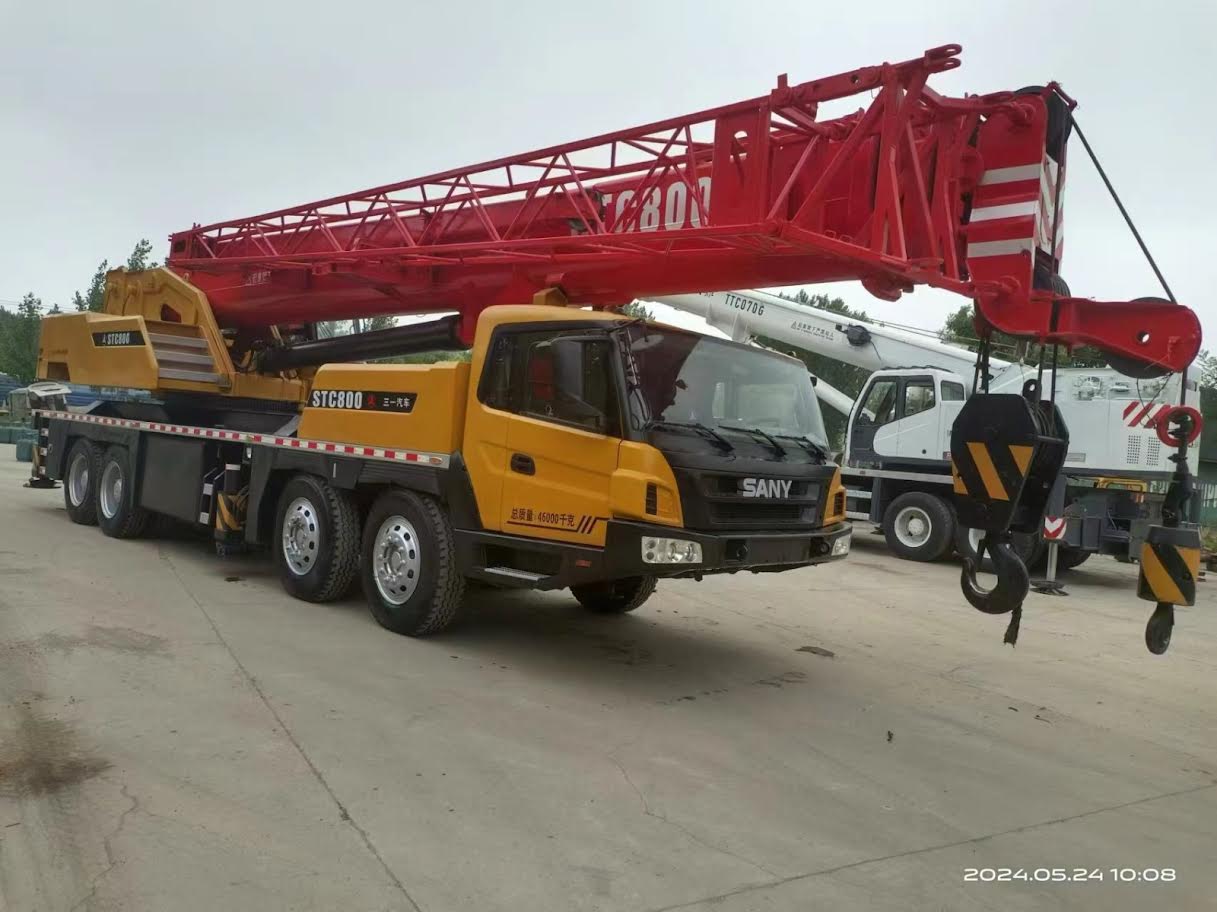
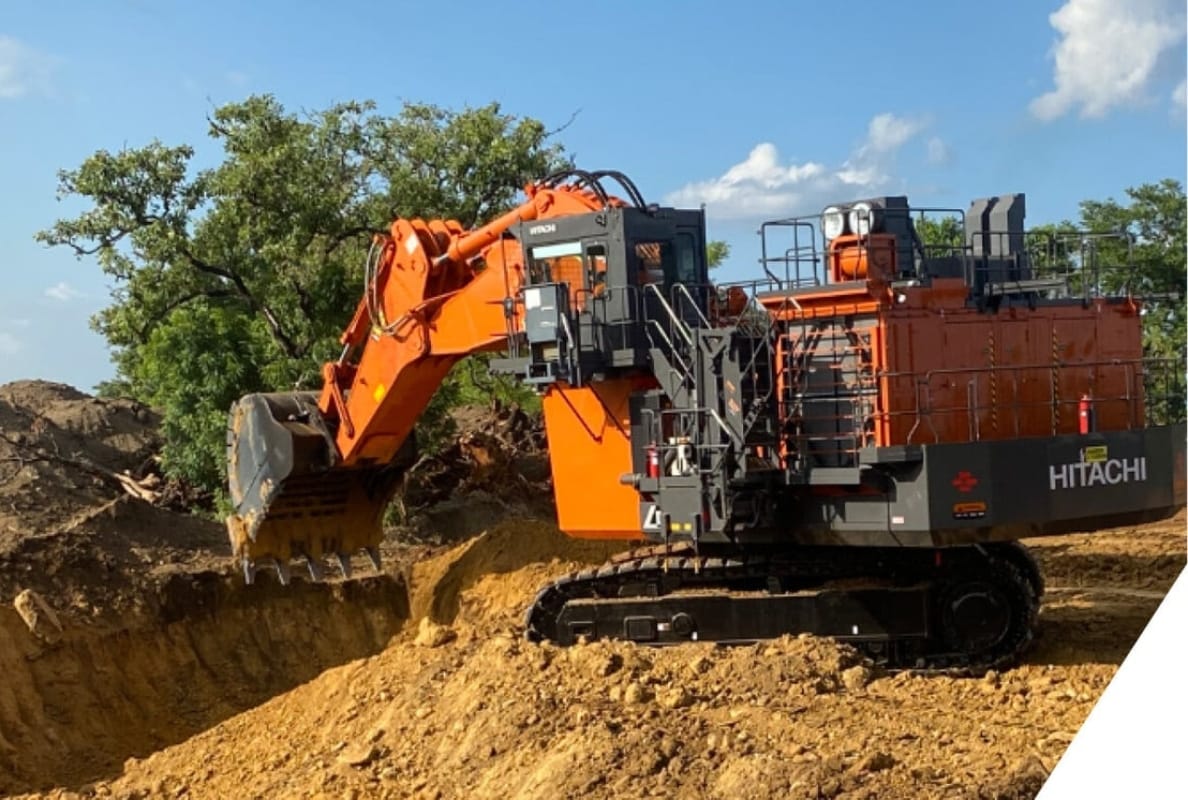
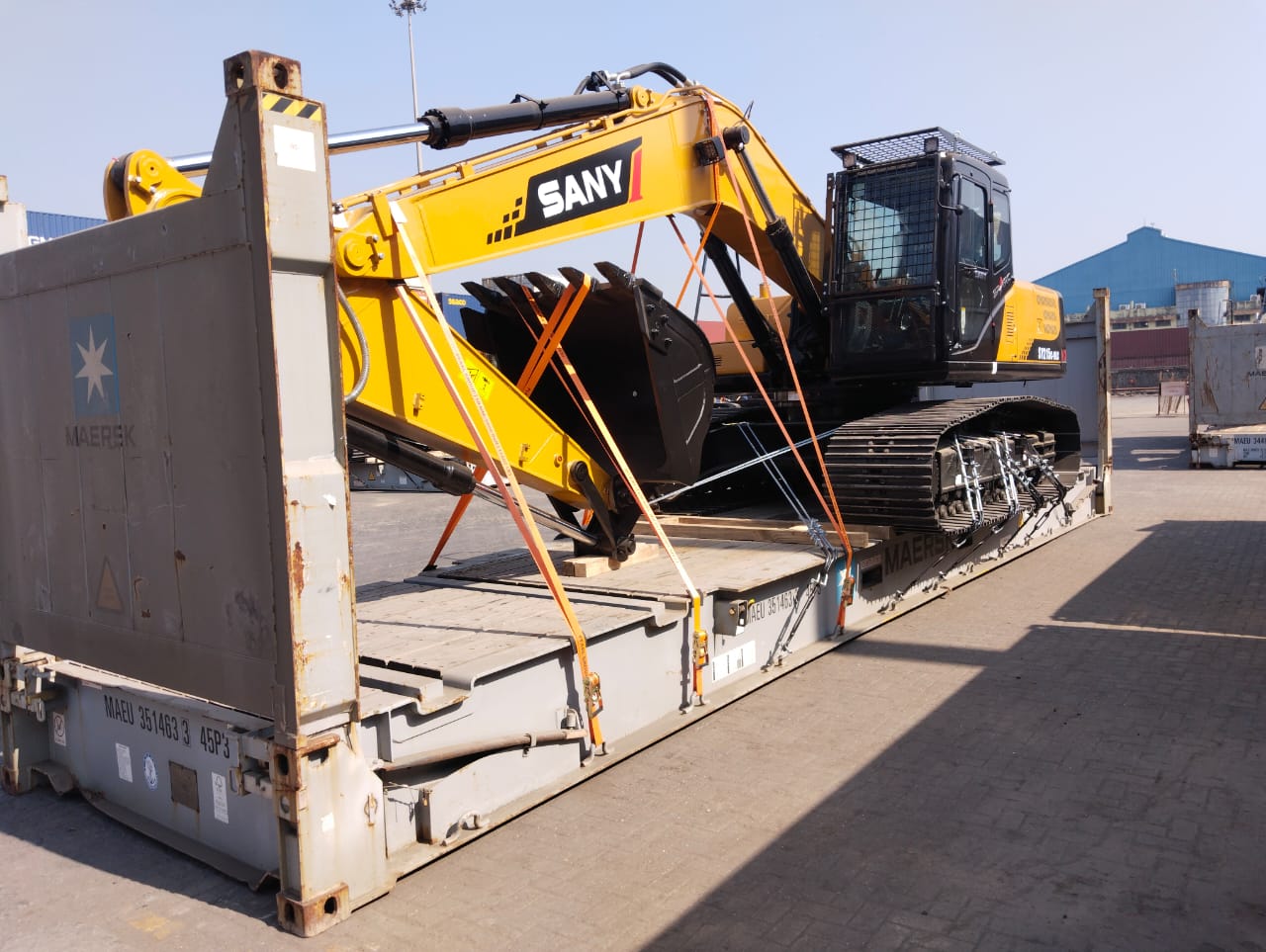
Key Players in the Industry: Learn about the competitive environment. Caterpillar Inc., Komatsu Ltd., Volvo Construction Equipment, Hitachi Construction Machinery, JCB, Liebherr Group, and Sany Heavy Industry are a few of the major regional and international players. Examining their tactics can yield insightful information.
Important Success Elements and Hazards
It takes more than just equipment to succeed in this business. Risk management and operational excellence are essential.
Essentials for Operations:
One of the most important differentiators is after-sales support and maintenance. Customers place a high priority on uptime in a demanding operational environment. Trust is established and asset longevity is guaranteed with strong after-sales assistance, which includes digital diagnostics, quick repair times, and organized maintenance plans. For example, the Nigerian tractor program offers mobile service units to ensure uptime and two years of free service support.
Technology Integration: For fleet management and predictive maintenance, make use of technologies like as telematics and Internet of Things-enabled equipment. One of the main selling points is that it increases efficiency and decreases downtime.
Strategic Local Alliances: The market in Africa is very varied. In order to navigate regulatory frameworks, comprehend cultural quirks, and gain access to government procurement channels, it is frequently imperative to establish relationships with regional distributors or businesses.
Managing the Dangers:
Heterogeneous Markets: The “African market” is not a single entity. While many sub-Saharan African economies are still in their infancy and face infrastructure issues, the Gulf Cooperation Council (GCC) countries have substantial purchasing power. You need to have a country-specific plan.
Regulatory and Political Environment: Project continuity and investment may be at danger due to political or economic volatility in some areas, and regulatory frameworks can occasionally be unclear.
Macroeconomic Volatility: Changes in currency exchange rates and commodity prices might affect consumer spending plans and, in turn, the demand for rental equipment.
In conclusion, Africa’s heavy equipment rental business presents strong development prospects, especially in the mining, construction, and increasingly, agricultural sectors. Selecting a niche, implementing creative and adaptable business methods like rent-to-own, and establishing a reputation for operational excellence through strong after-sales service and tactical local relationships will probably be key components of a successful venture.
I hope this guide gives you a good starting point for your investigation into investments. Are you primarily interested in learning more about a certain African nation or a specific equipment industry, like mining or construction? I can assist you in locating more thorough information about such topics.