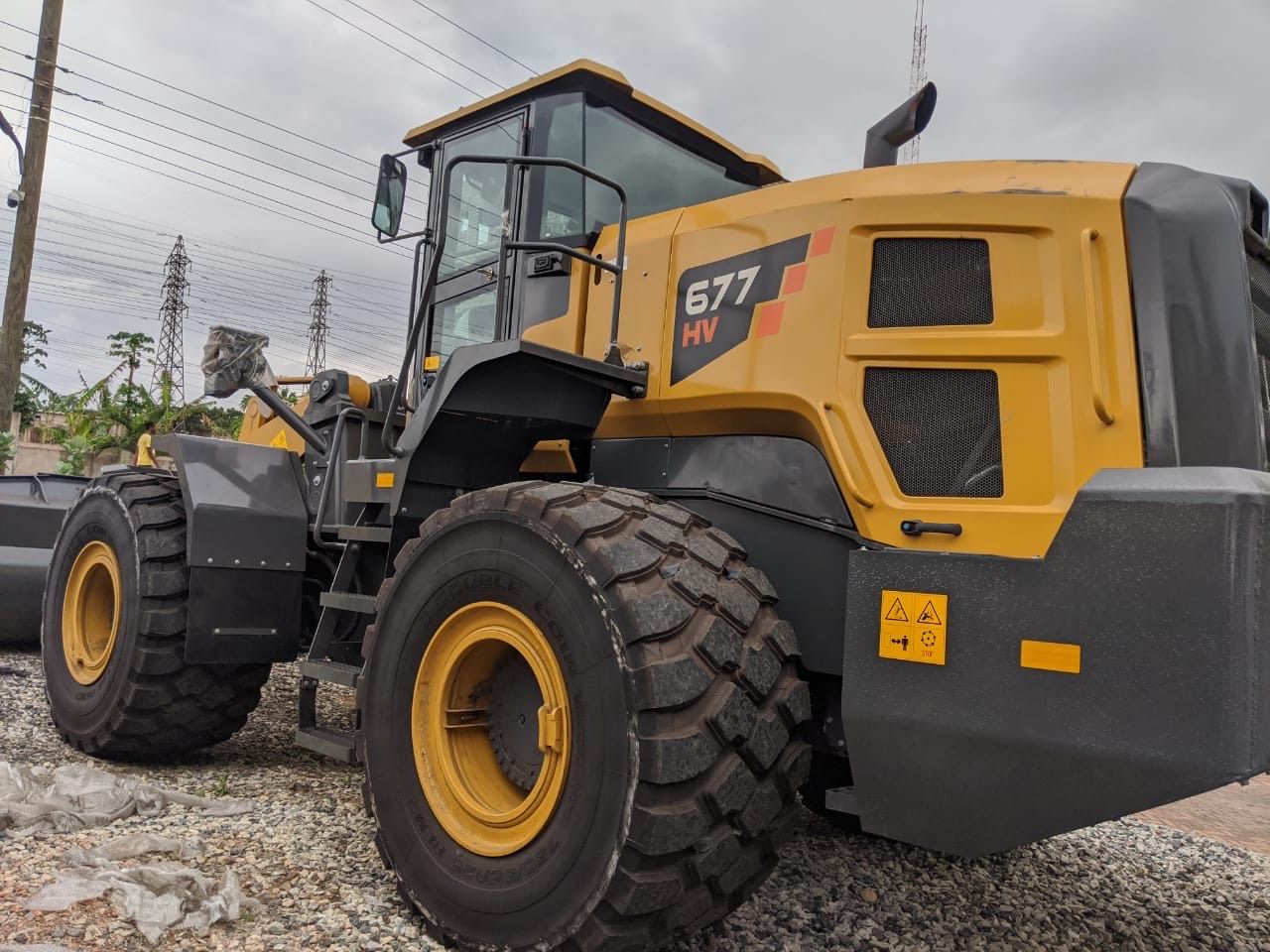

summary of Ghana’s hydraulic drilling rig market, encompassing the market’s structure as of early 2026, major buyers and importers, demand factors, and current activity:
Overview of the Market
Activity of Demand and Import
Instead of manufacturing the majority of its hydraulic drilling equipment in Ghana, the country imports them. An busy and expanding market is shown by the 74 shipments of hydraulic drilling rigs that were registered in the most recent period, servicing 26 distinct Ghanaian clients, according to latest import trade statistics.
These rigs are mostly exported to Ghana from Finland, India, and Burkina Faso.
🔹 Key Purchasers and Industry Participants
Several large purchasers of hydraulic drills and rigs in Ghana’s drilling business are highlighted by import analytics data:
With the biggest percentage of shipments, Sandvik Mining and Construction Ghana Ltd. is the leading purchaser.
Another big importer of hydraulic equipment is African Mining Services Ghana.
AngloGold Ashanti (Ghana) and Westfield Ltd. are also listed as active importers.
For mining, industrial drilling, and mineral exploration operations, these companies usually employ hydraulic drilling rigs.
Types of Ghanaian Hydraulic Drilling Rigs
Numerous hydraulic rig types are available in Ghana’s drilling industry from both domestic and foreign suppliers:
Completely Hydraulic Core Drilling Equipment
Devices like the JY-1000A completely hydraulic core drilling rig are made for uses in engineering geology, groundwater, and mineral exploration.
✔️ All-terrain and crawler rigs
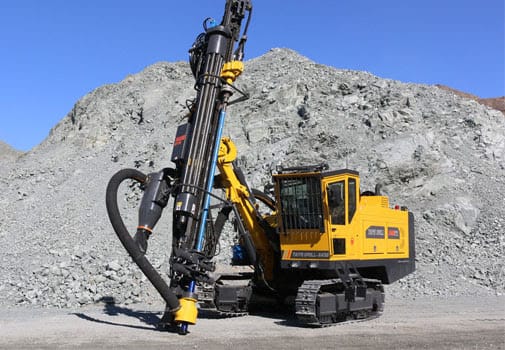
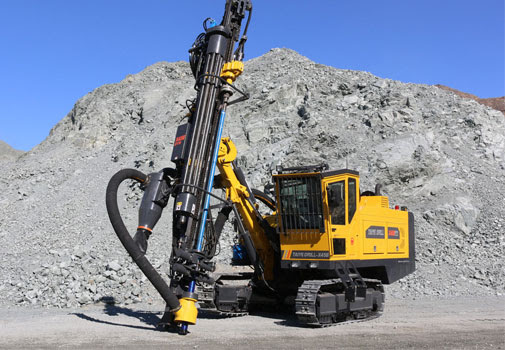
Because of its mobility and versatility in challenging terrain, hydraulic rigs placed on crawler or all-terrain chassis—such as Tontrac Ghana’s XSC series—are utilized for mining, exploration, and water borehole drilling.
✔️ Exploration and Surface Coring Rigs
For deeper core sampling and mining exploration, companies such as Jodi Drilling Services provide surface coring drill rigs (such as the LF90 and LF160 types) with basic hydraulic systems.
Local Assembly & Development 🍬🇭 Local Market Capabilities
Despite the fact that the majority of drilling rigs are imported, companies such as Geodrill have the ability to construct or improve them locally, modifying imported equipment to fit Ghana’s geological conditions and promoting the development of local technical skills. 🔍 Market Drivers
Ghana’s hydraulic drilling rig industry is being driven by a number of factors:
Growth of the Mining Sector
The mining sector in Ghana is a major end-user of hydraulic drilling equipment, particularly for gold and other minerals.
The need for sturdy rigs that can drill cores and reverse circulation is still being met by active exploration and mining lease extension.
📌 Water and Infrastructure Projects
The need for smaller hydraulic rigs suitable for water well projects is increased by increased investment in borehole drilling for water access in both rural and urban regions.
Government Regulations
In order to move long-term market activity toward indigenous rig assembly and service competence, Ghana promotes local involvement and local content whenever possible.
📈 Trends and Difficulties
Acceptance of Cutting-Edge Technology
Particularly for deeper or more difficult formations, there is a gradual but growing trend toward hydraulically automated and more efficient rigs that cut down on manual work and speed up drilling times.
Costs of Imports and Logistics
The total cost of the rig is affected by high import taxes and shipping expenses, particularly for big crawler rigs.
📍 Maintenance and Parts
Some contractors still struggle with the availability of replacement parts, which makes them choose brands with local support systems.
Important Market Segments for Hydraulic Drilling Rigs in GhanaPrincipal Use Cases
Rigs used for mineral explorationGeological surveys and mining exploration
Water borehole rigsWater supply in rural and communal areas
Hydraulic crawler rigsDrilling deep wells and challenging terrain
Mining core samples with surface coring rigs
Synopsis
Ghana’s market for hydraulic drilling rigs is mostly driven by imports, with the mining industry, water infrastructure, and geological research having high demand. With the help of a limited but developing local assembly capacity, established foreign firms are driving an increase in imports. The market is expected to continue growing over the next years due to a combination of government regulations, investment patterns, and growing drilling requirements for water and mining projects.
I can also give you precise pricing ranges or supplier information for hydraulic drilling rigs that are appropriate for Ghana’s geology and uses, if that piques your interest.