
This is a current summary of Africa’s mining logistics market, including information on infrastructure, market dynamics, obstacles, important market segments, and growth factors.
📊 Market Overview: African Mining Logistics
Strategic Significance
About 30% of all known mineral resources are found in Africa, making up a sizeable portion of the world’s mineral reserves. Global supply chains are driving an increase in demand for minerals such as copper, cobalt, lithium, iron ore, manganese, bauxite, and precious metals, particularly for the electronics and energy storage sectors. To fully realize this potential, effective logistics that link mines to both domestic and international markets are essential.
The market for mining logistics is divided into several segments, such as:
transportation of supplies, fuel, parts, and equipment to mines is known as inbound logistics;
transportation of ores, concentrates, and refined goods to ports or processing facilities is known as outbound logistics;
midstream services, including bulk handling, customs processing, terminals, and inventory management;
Multimodal transportation (air, sea, rail, and road) is a component of integrated supply chain services.
Important Market Factors 📈 Mining Activity Growth
increasing production and exploration, particularly in West, Central, and Southern Africa.
growth in vital minerals (rare earths, cobalt, and lithium) for supply chains for EVs and green technology.
🚢 Building Infrastructure
To lessen dependency on roadways and save money and time, investments should be made in inland depots, ports, and rail lines. For instance, inland mining freight is made easier to transport to seaports via corridor developments such as the Maputo Corridor.
Modernizing rail and port interfaces to facilitate bulk mineral exports is the goal of national logistics upgrades, such as those in South Africa.
Participation of the Private Sector
Private operators are being allowed access to rail networks in nations like South Africa as a result of logistics reforms aimed at reducing congestion and increasing capacity.
Services catered to heavy-haul, project cargo, and multimodal requirements are expanded by third-party logistics providers (3PLs) and specialized mining logistics companies.
Issues & Obstacles 🛣 Deficits in Infrastructure
For bulk minerals, underdeveloped rail networks result in a significant reliance on long-haul road freight, which is more expensive and inefficient.
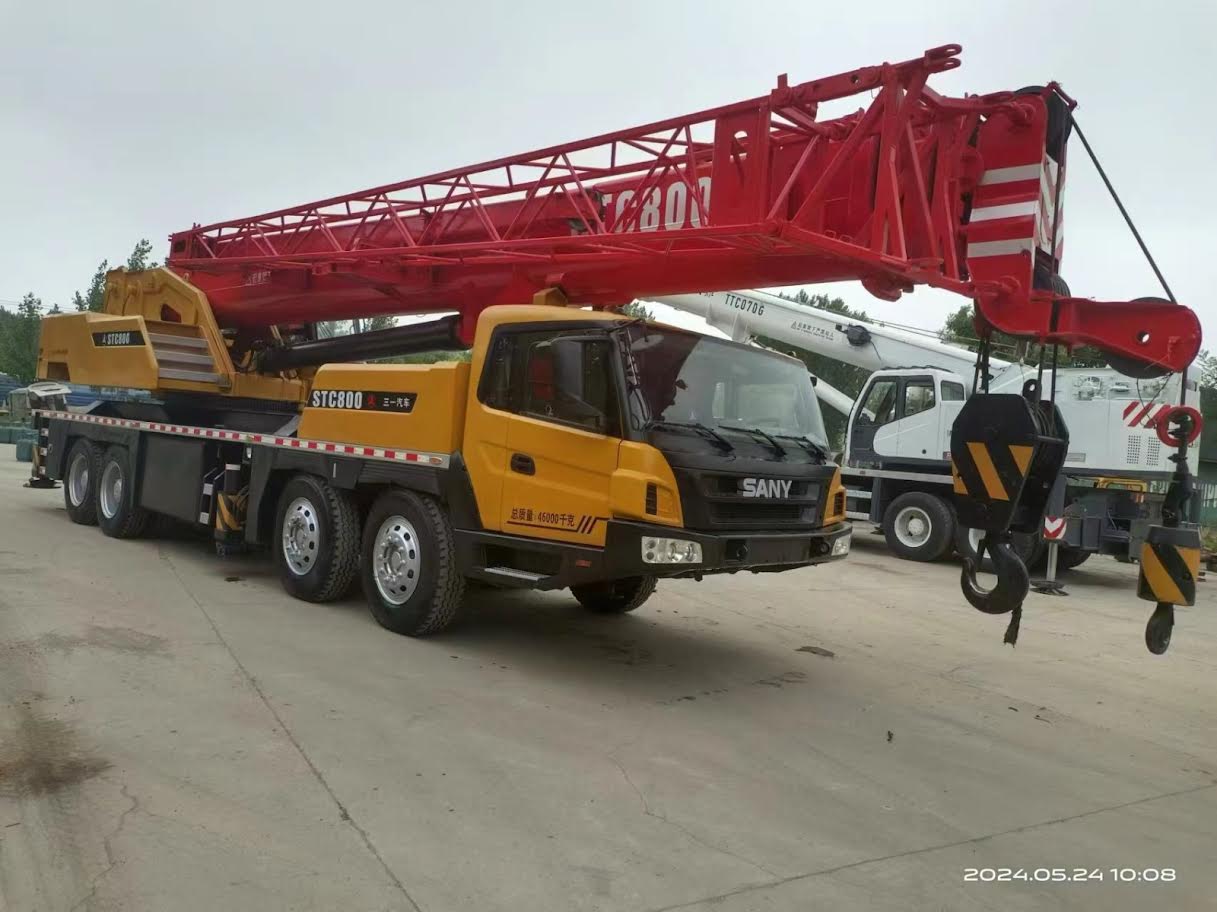

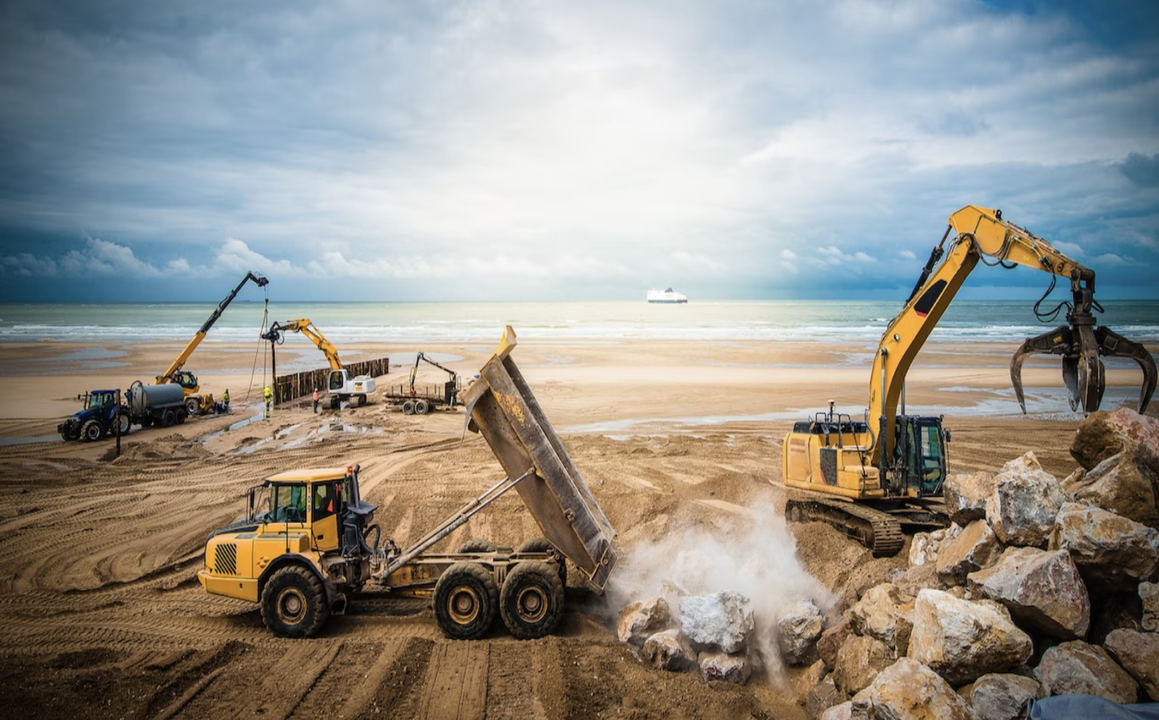
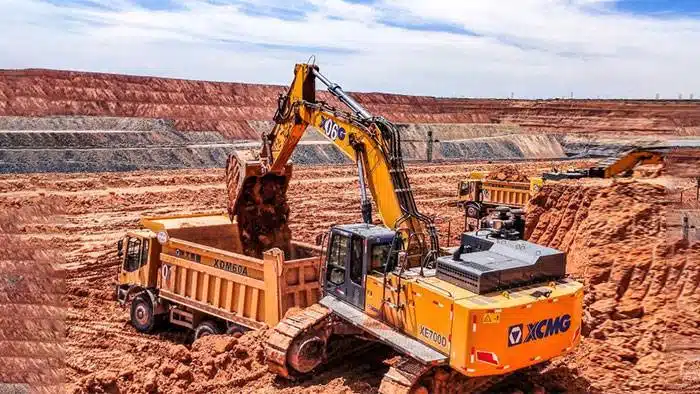
In many mining regions, poor road conditions reduce supply timetables, raise transportation expenses, and cause vehicles to deteriorate more quickly.
♓ Complexity of the Supply Chain
Logistics friction is caused by non-unified regulations and delays in cross-border customs.
Risk premiums are increased by security threats (such as theft or unstable political conditions) and seasonal weather disruptions.
Exorbitant Cost Structure
15% to 35% of mining operating costs are frequently related to logistics, especially in situations where multimodal coordination is poor or rail capacity is limited.
Players & Market Segmentation 💛 Essential Logistics Services
Road freight experts with fleets of heavy machinery:
Self-tipping truck fleets for mining shipments in SADC are operated by Lafrica Logistics.
Specialized mining transport solutions are offered by Atrax Logistics.
Partners in integrated logistics with multimodal capabilities:
Unitrans Africa provides bulk mining handling services in several nations.
Ports and regional logistics networks: A number of ports in Southern Africa and Western Africa are proactively improving their infrastructure to accommodate the export of heavy goods and mines, such as Lomé transshipment services to Conakry.
⚙️ Upcoming Developments & Prospects 📦 Port & Rail Modernization
Reducing cost per ton and improving export predictability require sustained investment in port logistics hubs and rail network growth.
Digital Supply Chain Management
Predictability, dwell times, and cross-modal coordination will all be improved by the use of tracking, real-time visibility technologies, and logistics management platforms.
🟢 Efficiency & Sustainability
As mining businesses seek to minimize emissions and logistics costs, they should move toward more environmentally friendly and efficient fuel and freight systems (such as rail electrification, optimization algorithms, and shorter idle times).
The Integration of Regions
Regulation harmonization, more integrated logistics services, and possible cross-border infrastructure projects that could simplify mining supply chains are all supported by initiatives such as the African Continental Free Trade Area (AfCFTA).
In conclusion
A strategically important and quickly changing part of the larger mining value chain is the mining logistics business in Africa. Increased private sector involvement, improved infrastructure, and growing mineral production all support promising economic prospects. However, regulatory complexity, high transportation costs, and gaps in legacy infrastructure continue to be major barriers to realizing the sector’s full potential. In the upcoming ten years, competitiveness will be determined by investments in rail, port capacity, and digital logistics.