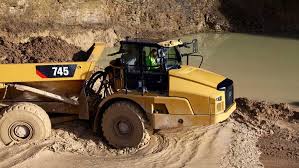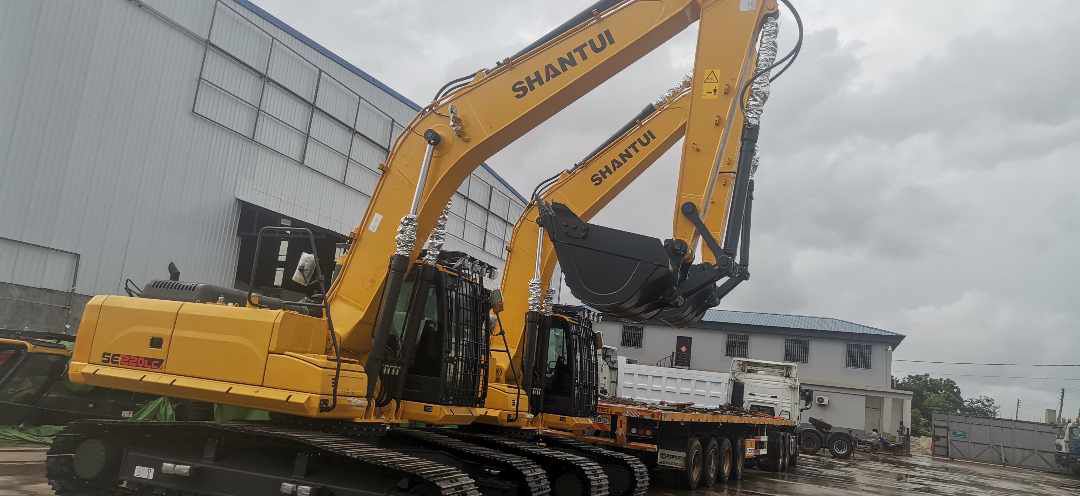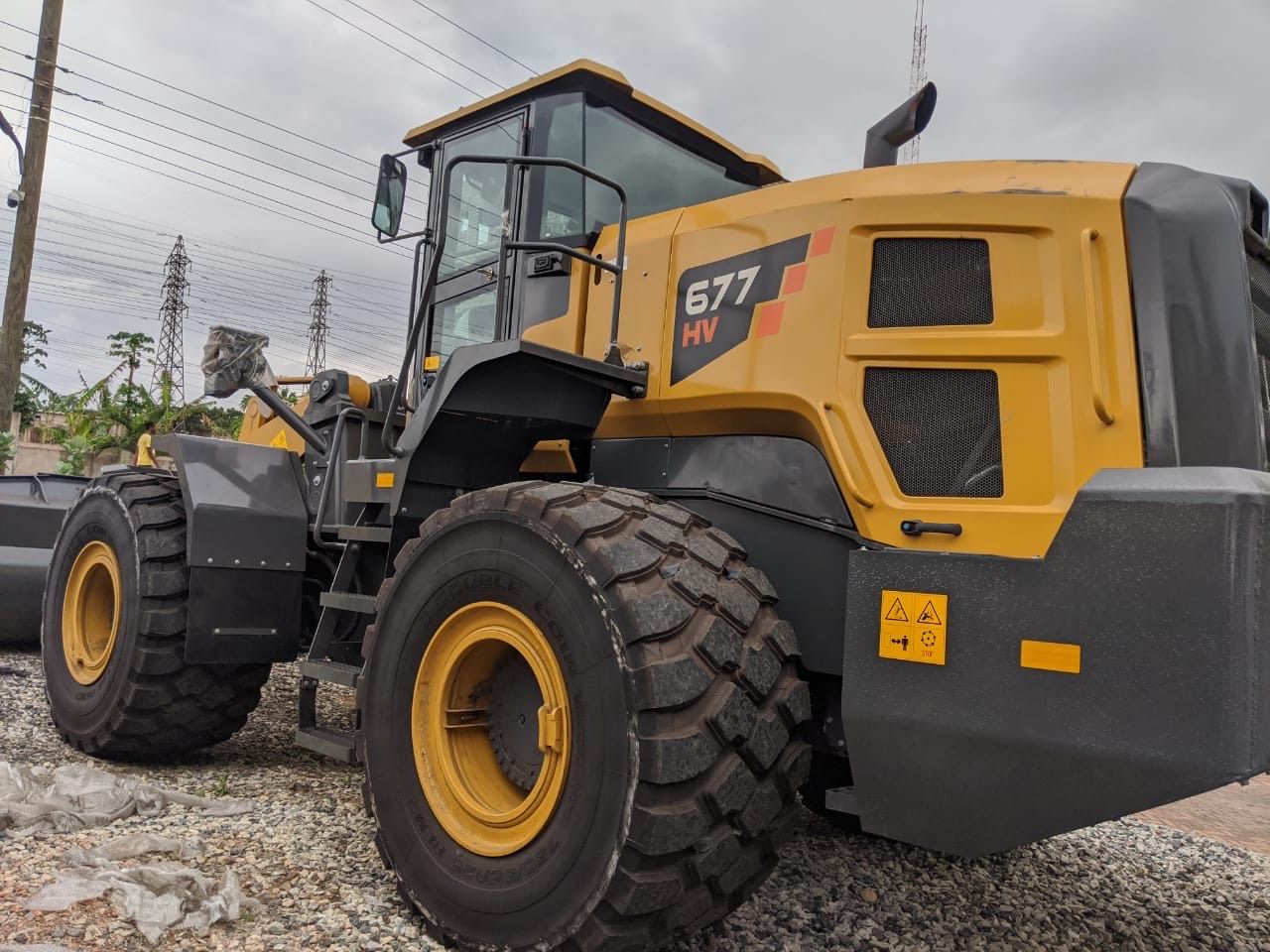

This is a current, data-supported summary of the size, trends, major drivers, and important geographical insights of the rigid dump truck/dump truck market in Africa as of early 2026:
- Market Overview: Size and Growth of the Africa Heavy-Duty & Dump Truck Sector
Infrastructure development, logistical growth, and mining demand are driving the rise of Africa’s heavy-duty vehicle industry, which includes rigid dump trucks. The market was estimated to be worth USD 2.73 billion in 2025 and is expected to increase at a compound annual growth rate (CAGR) of 4.3% to reach USD 3.52 billion by 2031. In 2025, rigid vehicles, including dump trucks, made up around 58% of the heavy-duty truck market.
Due to continuing mining and infrastructure developments, older market estimates also predicted that Africa’s dump truck segment, which is a subcategory of heavy trucks, would expand at a roughly 7% CAGR between 2026 and 2032.
Demand and Usage
Dump trucks are utilized extensively in:
Mining activities (transporting soil, trash, and ore)
Construction and infrastructure initiatives
Transporting aggregates and quarrying
Demand is maintained by their use in high-demand sectors such as mining (copper, gold, manganese, and bauxite) and large-scale building and road projects.
- Features of Regional Markets
Important African Markets
With a sizable portion of heavy truck sales and well-established service and parts networks, South Africa is Africa’s most developed truck market.
Larger rigid truck orders are driven by mining expansions in Zambia and the Democratic Republic of the Congo, especially with payloads over 90 tons.
Ghana and Botswana: demand related to infrastructure and the extraction of bauxite and gold.
Used Trucks Are Large, Too
Due to hefty import taxes on new equipment and a lack of finance, many companies in Africa are drawn to used rigid dump trucks, creating a robust used truck industry.
- The Competitive Environment: Supply & Brands
Chinese Companies Rule the world
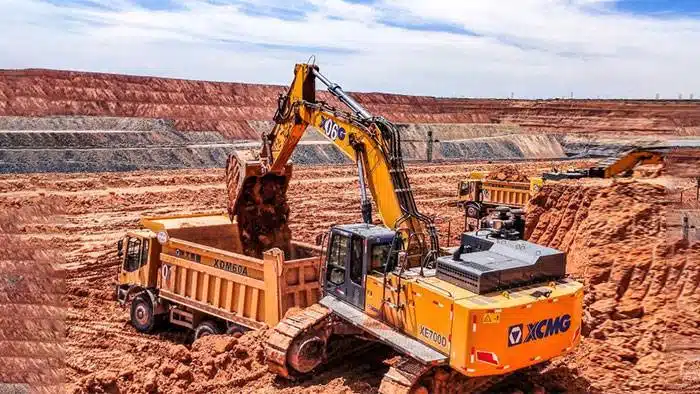

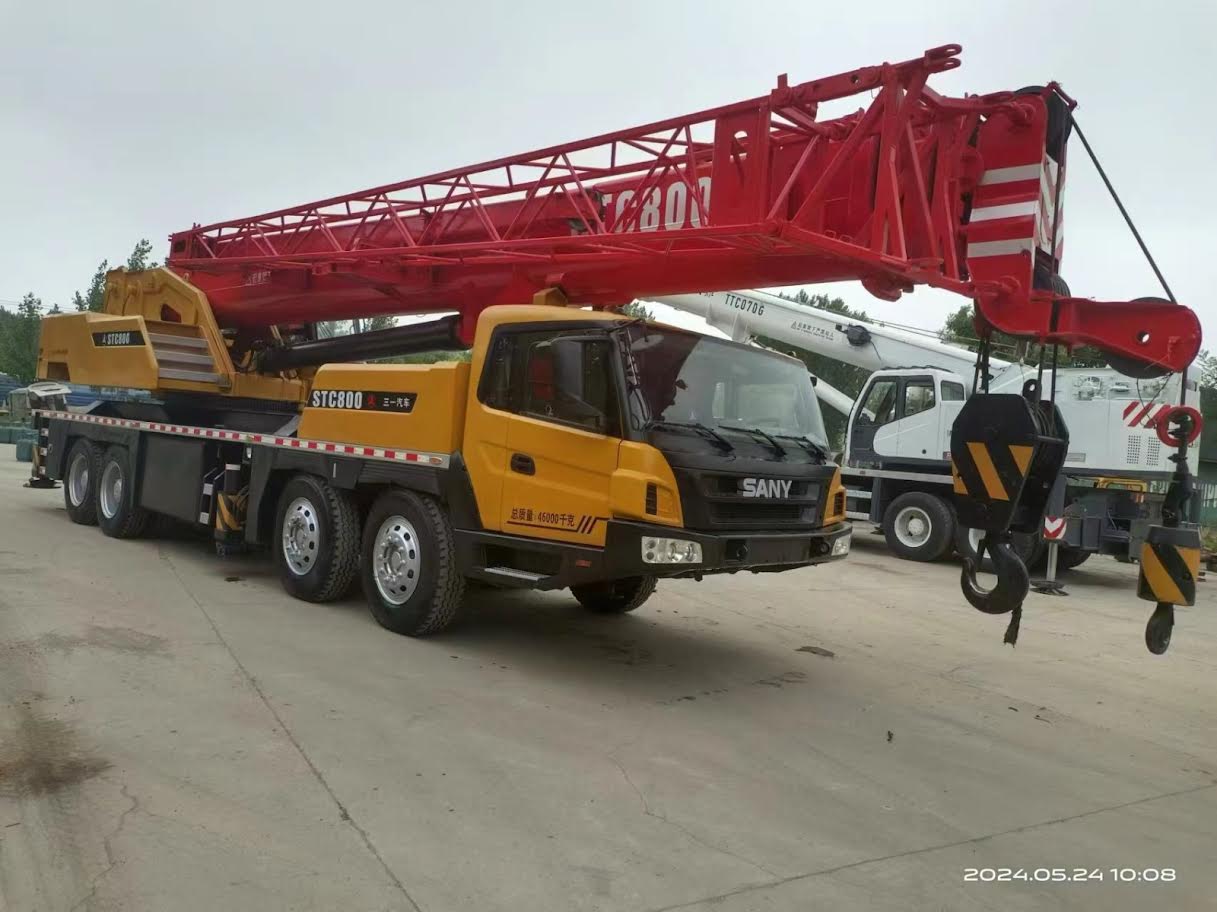
Africa’s dump truck market is dominated by Chinese heavy truck manufacturers, especially for 6×4 and 8×4 models used in construction and mining:
With a substantial market presence in Ghana, Kenya, Nigeria, and other countries, Sinotruk (HOWO & Sitrak) is frequently mentioned as having the biggest proportion of Chinese dump truck exports into Africa (about 60%+ of the Chinese heavy truck category).
Other Chinese brands with a rising following and competitive price that are appropriate for rough roads and budget-conscious consumers are FAW, SHACMAN, Dongfeng, and Foton.
European and International OEMs
Although they are available, premium manufacturers like Volvo, MAN, Komatsu, and Caterpillar are usually more expensive and used in bigger mining operations.
- Important Market Factors
Extension of Infrastructure
Medium- and heavy-duty rigid dump trucks are becoming more and more necessary as a result of government investments in highways, ports, bridges, and logistical corridors.
Growth of the Mining Sector
One of the primary sources of demand is still mining, particularly for robust dump trucks with payloads greater than 90 tons, which are essential for hauling in open-pit operations.
Integration of Trade and Logistics
Large vehicles, such as rigid dump trucks, are required to facilitate freight transfers as a result of programs like the African Continental Free commerce Area (AfCFTA), which are increasing intraregional commerce.
- Future Trends to Keep an Eye on: Alternative Powertrains and Electrification
Electric and hybrid heavy-truck technologies are starting to appear as mining firms seek to reduce operating costs and pollution, even if diesel-powered rigs still predominate today.
Local Gatherings and Collaborations
In order to lower import costs and modify cars for African terrain, localized assembly and CKD (Completely Knocked Down) operations are gaining popularity.
♠️ Market Difficulties
For new rigid trucks, high import taxes and exchange rate restrictions may increase the overall cost of ownership.
Particularly for high-end international OEM models, maintenance and part availability may be restricted outside of major hubs.
Due to infrastructure constraints (bad roads in some areas), truck layouts must be tough and incredibly dependable.