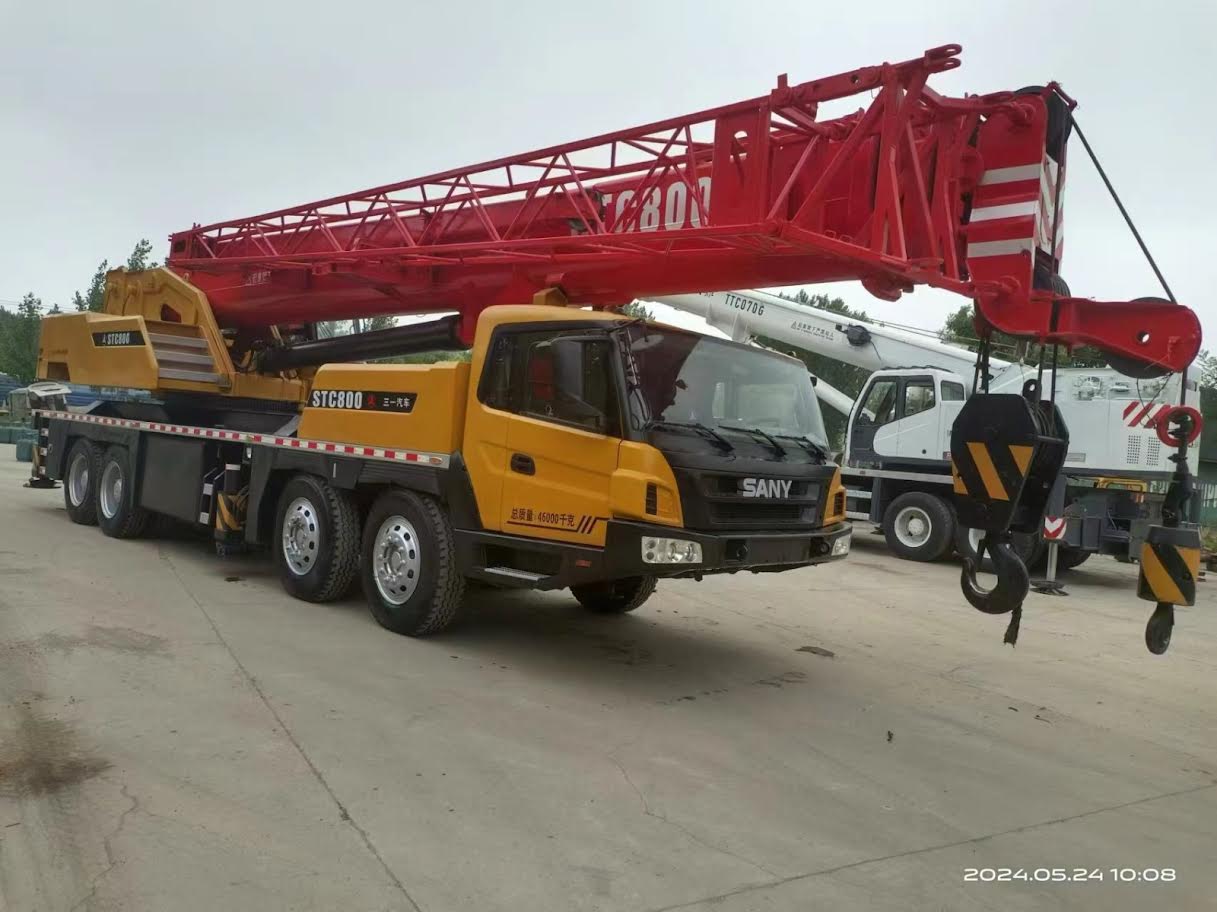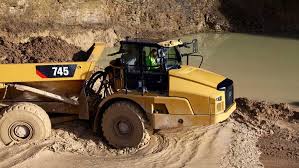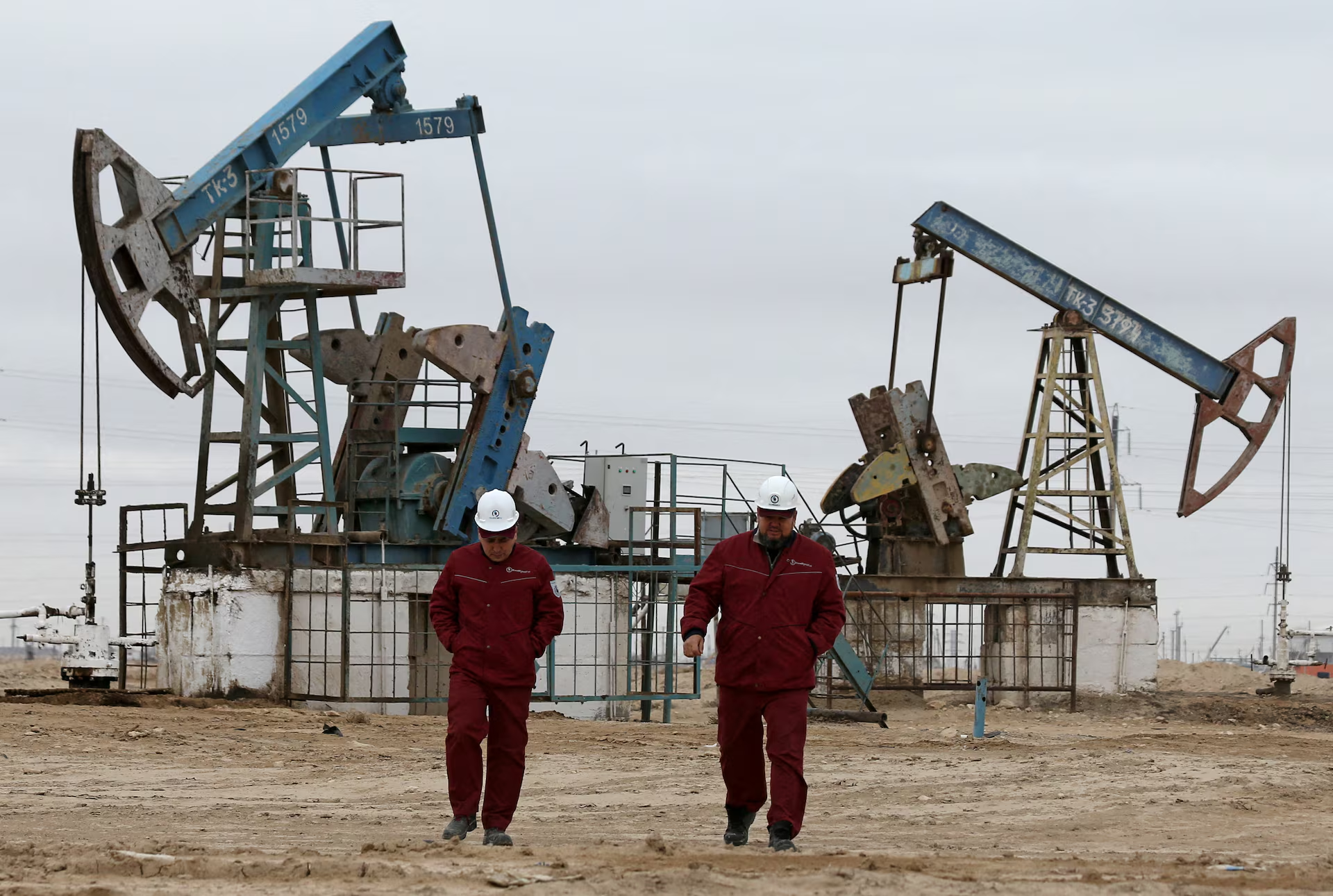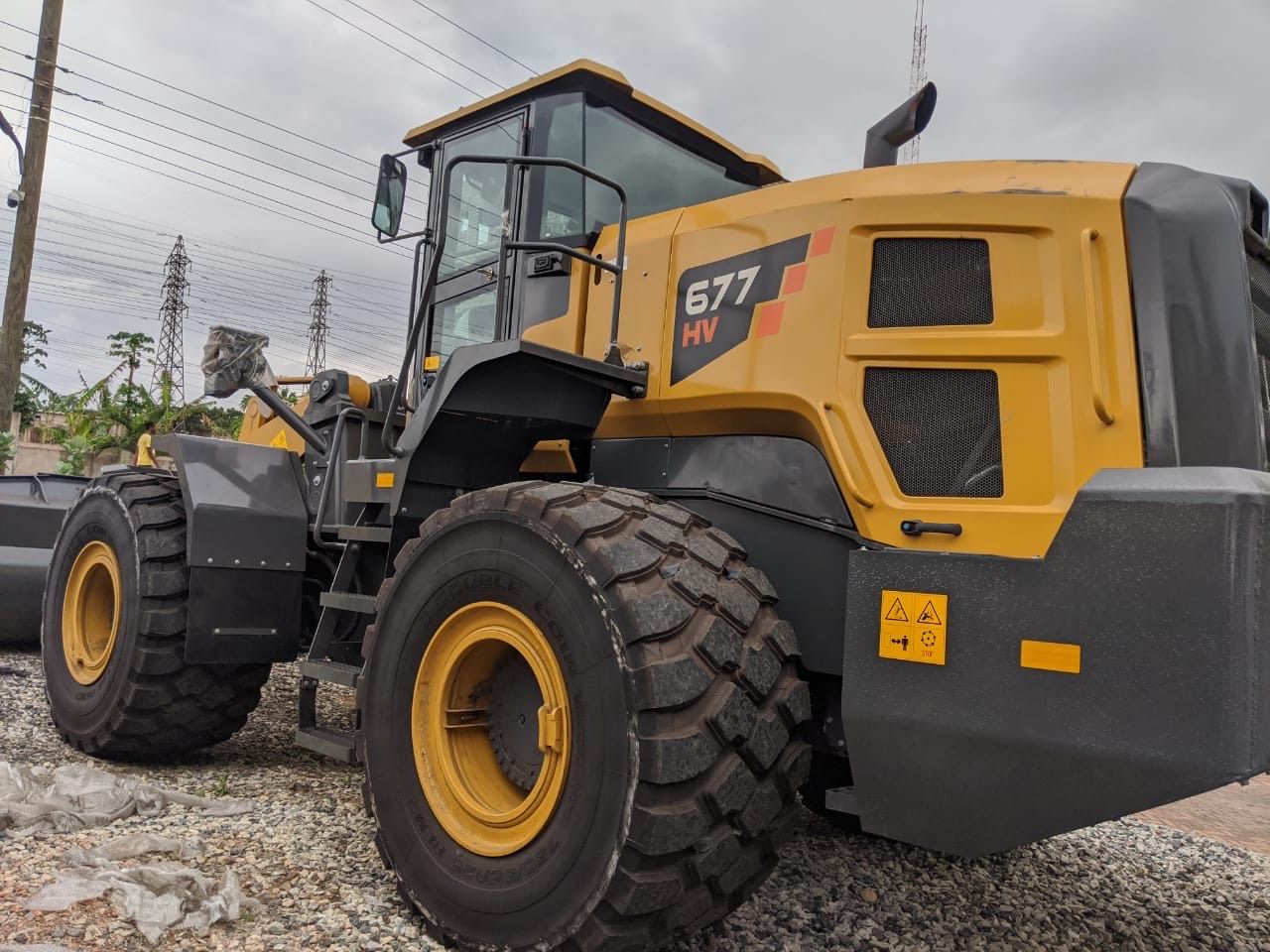

The heavy equipment industry in Australia is always changing, with both the building and mining industries growing quickly. A lot of public and private money is going into it, and there are big changes in the sector toward electrification and how people use and own equipment. Here’s a look at its present size, growth, and main drivers:
📊 A look at the market and its main drivers
Market Sector: Sample Data on Market Size and GrowthMain Factors That Help Growth and Important Points
The construction equipment market is worth about $1.9 billion in 2024. Expected to be worth about $2.4 billion by 2033, with a CAGR of about 2.5%.Government Infrastructure Pipeline: Record amounts of money have been invested, such as $10.8 billion in FY24-25. Sydney Metro and getting ready for the 2032 Brisbane Olympics are two very important projects.
Growth in Rentals and Leases: More and more small contractors are using rental models to be more flexible.
Mining Sector Demand: A big reason for this is the growth of the mining industry.
Key Restraint: Projects are being delayed because there aren’t enough skilled workers.
Mining Equipment Market worth about USD 9.7 billion in 2024. Expected to be worth about USD 18.1 billion by 2033, with a CAGR of about 7.3%.The “Super-Cycle” in mining is caused by investments in iron ore, lithium, copper, and other important minerals.
Replacement of old fleets and automation: To improve safety and productivity, operators are replacing aging fleets with modern machines that are typically ready for automation.
Government incentives: Money for fleets with low emissions is speeding up the use of electric tools.
Key Restraint: Changes in the prices of goods can make it take longer to buy equipment.
⚙️ Big Changes in the Market: The Move to Electric and Low-Emission Equipment Is Speeding Up
There is a considerable push going on because of government rules (such Euro VI standards), aims for sustainability, and savings on long-term operations.
Battery-powered machines are the fastest-growing part of both construction (4.69% CAGR forecast) and mining (6.88% CAGR forecast).
Major companies are releasing new electric models in Australia, including small excavators and 400-tonne mining excavators.
The Rise of Smart and Autonomous Technology
Australia is a world pioneer in using autonomous equipment, notably in mining (such autonomous haul trucks), to make things safer and more efficient.
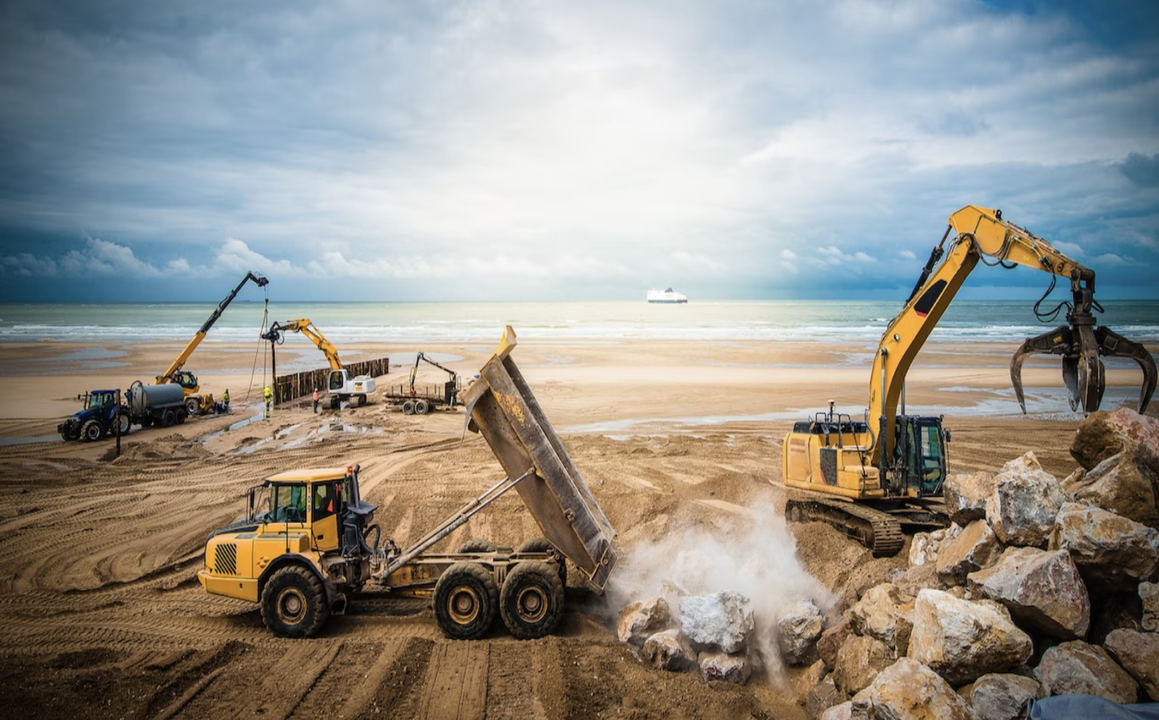

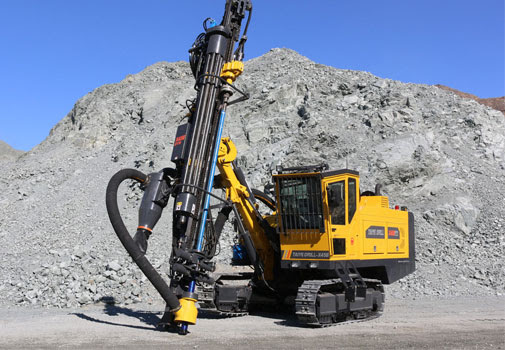
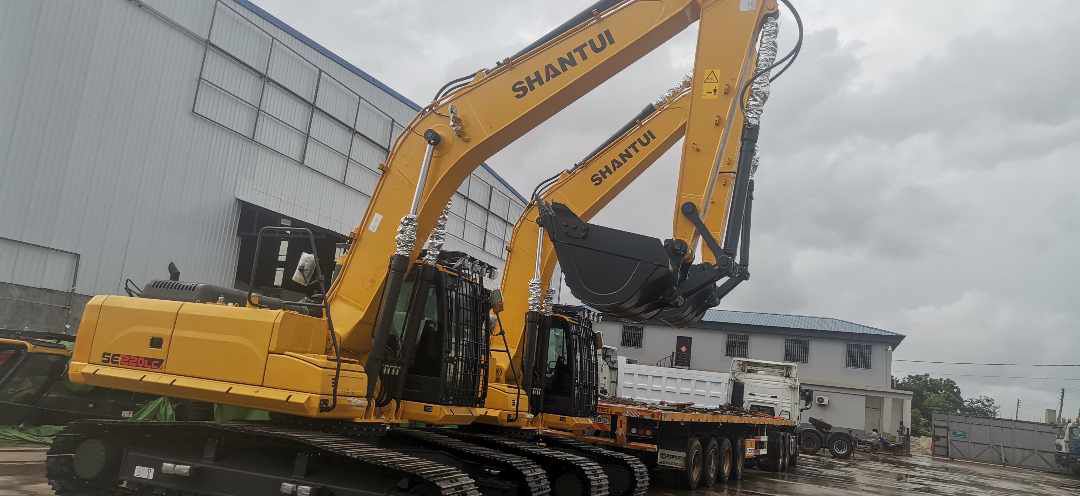
Digitalization is important: Telematics, AI, and “digital twin” technology are all being utilized to predict maintenance needs, improve operations, and cut down on downtime.
Changing Ownership Models: More Rentals and Leases
The market for renting and leasing equipment is growing quickly. This trend gives smaller businesses easy access to machinery without having to pay a lot of money up front. It also helps manufacturers deal with fluctuating demand.
There is a lot of competition between global and local players.
Big companies like Caterpillar, Komatsu, Volvo, and Hitachi are in charge of the market.
Chinese companies like XCMG and SANY are gaining market share by selling high-tech equipment at rates that are competitive.
Local Australian vendors compete by providing better customisation for local requirements, faster delivery, and strong support after the sale.
🌏 Hotspots for Regional Demand
The demand is not the same all around the country. Key activities are focused on:
Western Australia: The biggest demand for mining equipment comes from huge iron ore and lithium plants.
New South Wales and Victoria have the most demand for construction equipment because of big infrastructure projects in Sydney and Melbourne.
Queensland: Strong in both areas, with mining activity and massive infrastructure enhancements happening before the 2032 Brisbane Olympics.
Summary: The Australian heavy equipment market is growing quickly, thanks to big expenditures in mining and infrastructure. The use of electric, self-driving, and linked machines is quickly changing the sector. The global OEMs are still in charge, but the competitive landscape is changing as Chinese manufacturers and strong local suppliers grow. If you’re interested in something specific, like the market for a certain type of machinery (like cranes or excavators) or a closer look at how the main competitors are doing, don’t hesitate to ask for more information.
source: aftersale