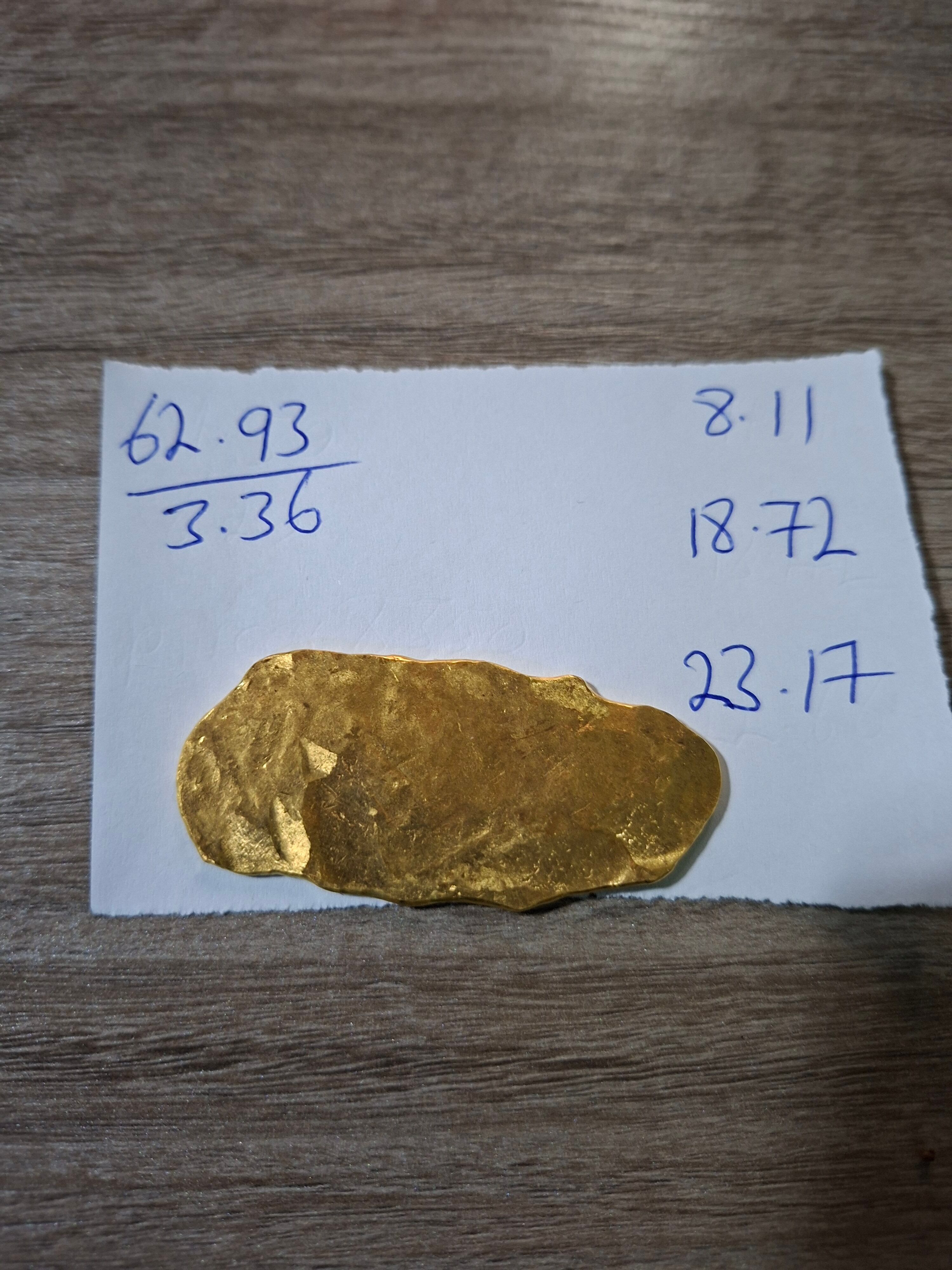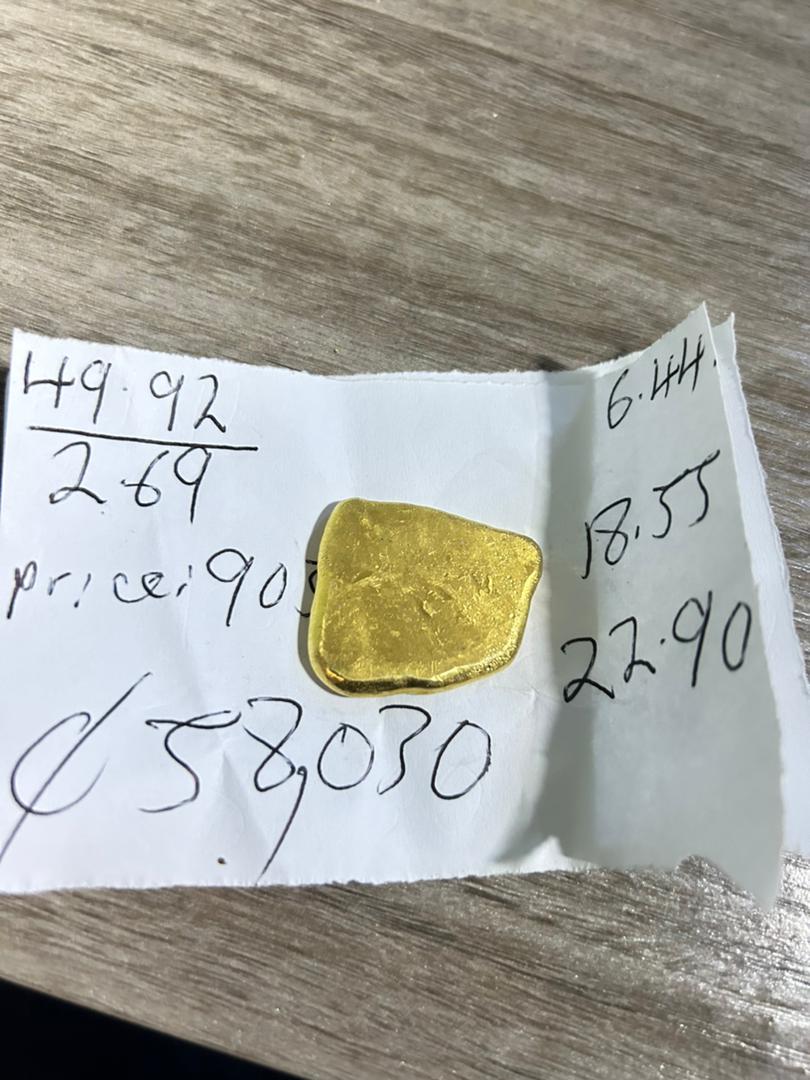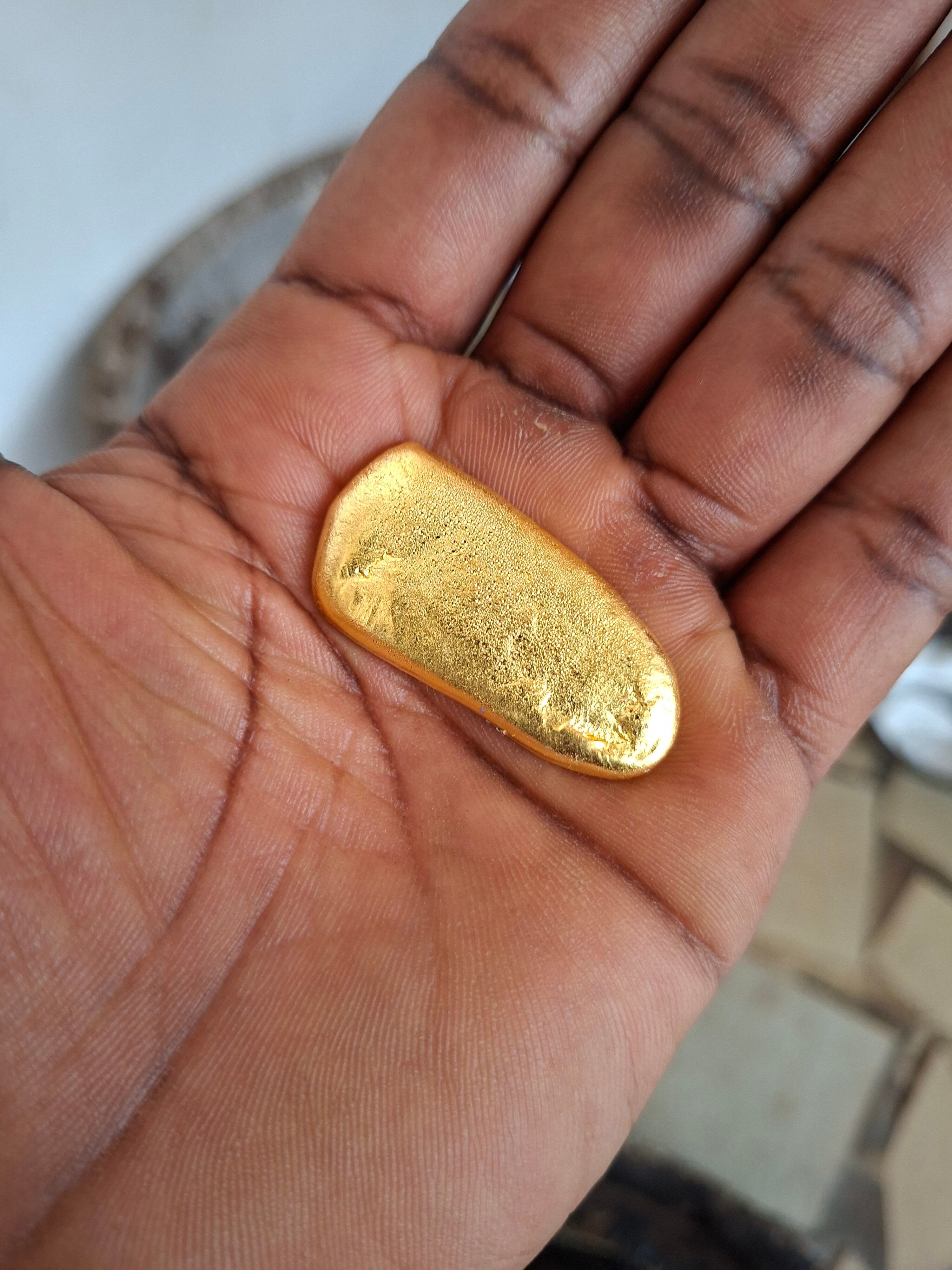

Due to a series of government measures intended to formalize and regulate the business as well as ongoing expansion from major industrial mines, Burkina Faso’s gold sector produced a record 94 tons in 2025.
The Surge’s Principal Reforms
Several specific government actions are responsible for the high rise, especially from the artisanal sector:
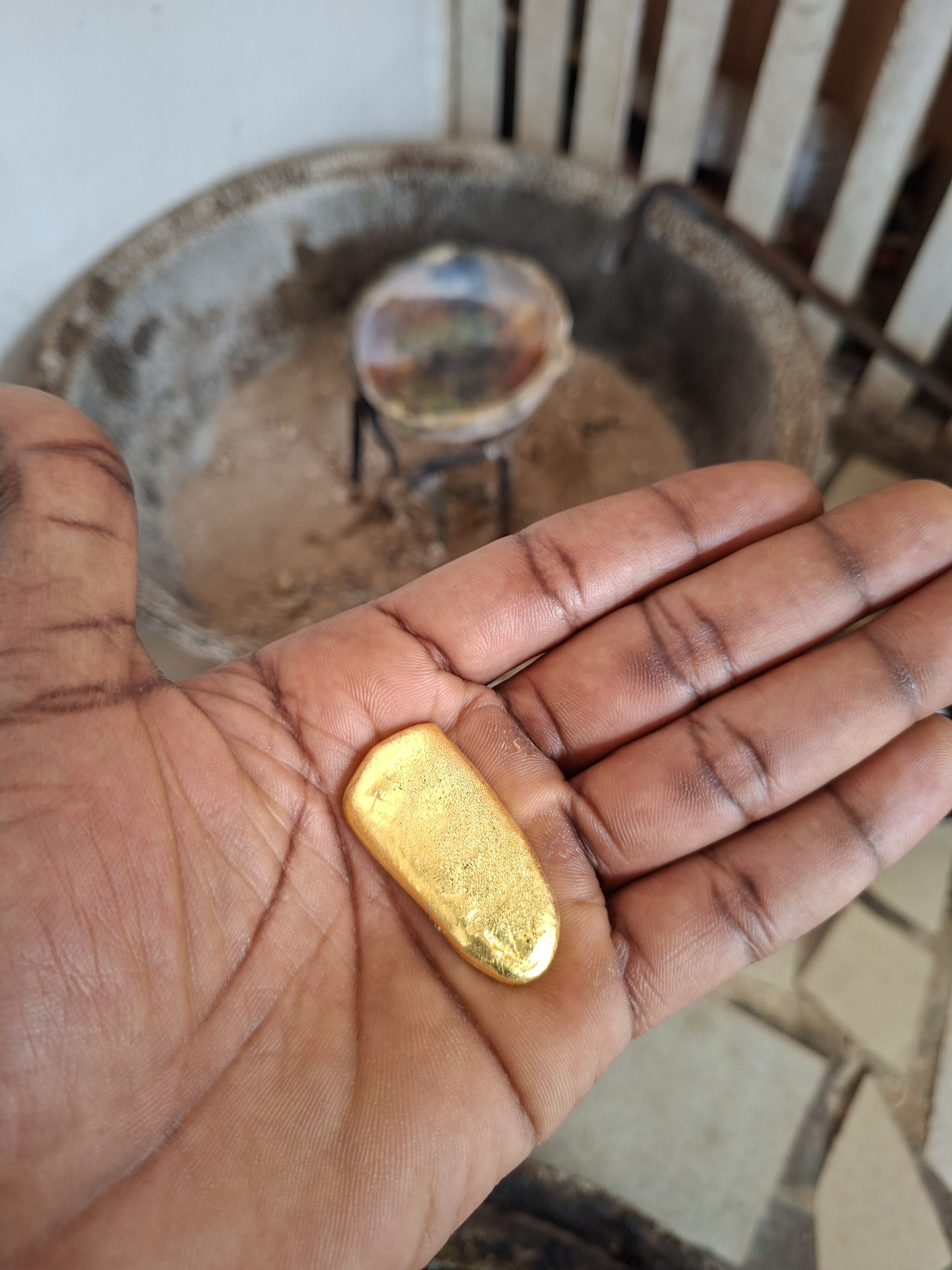
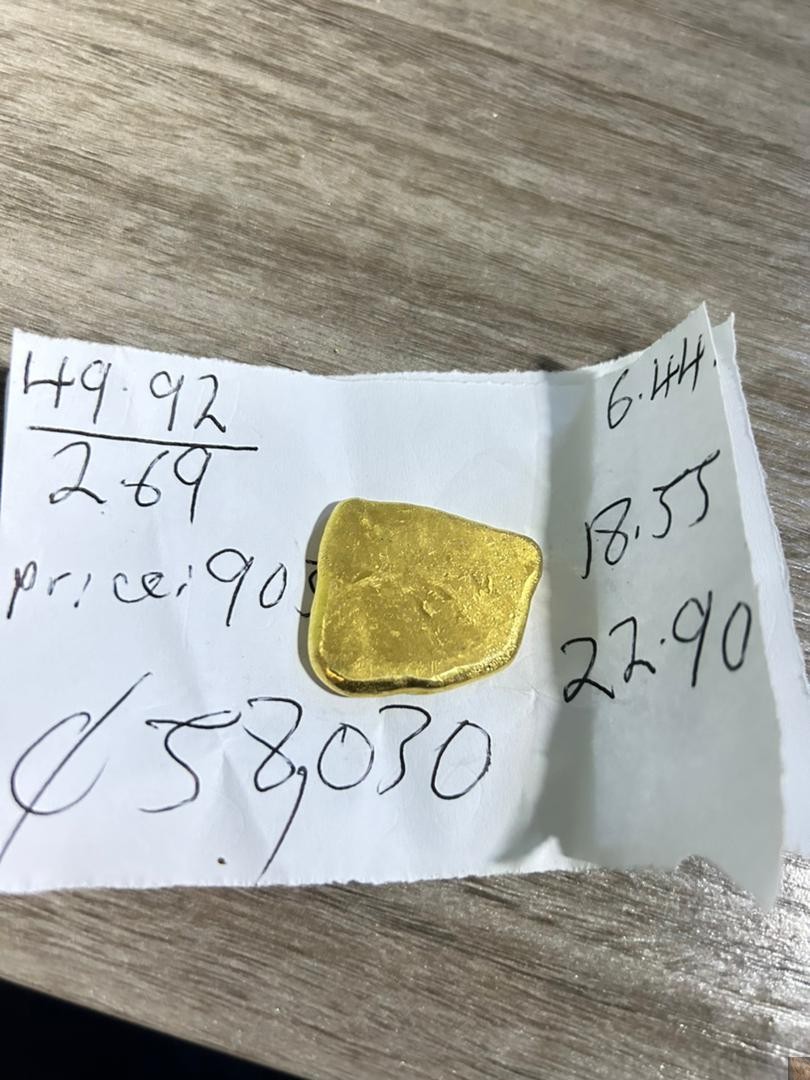
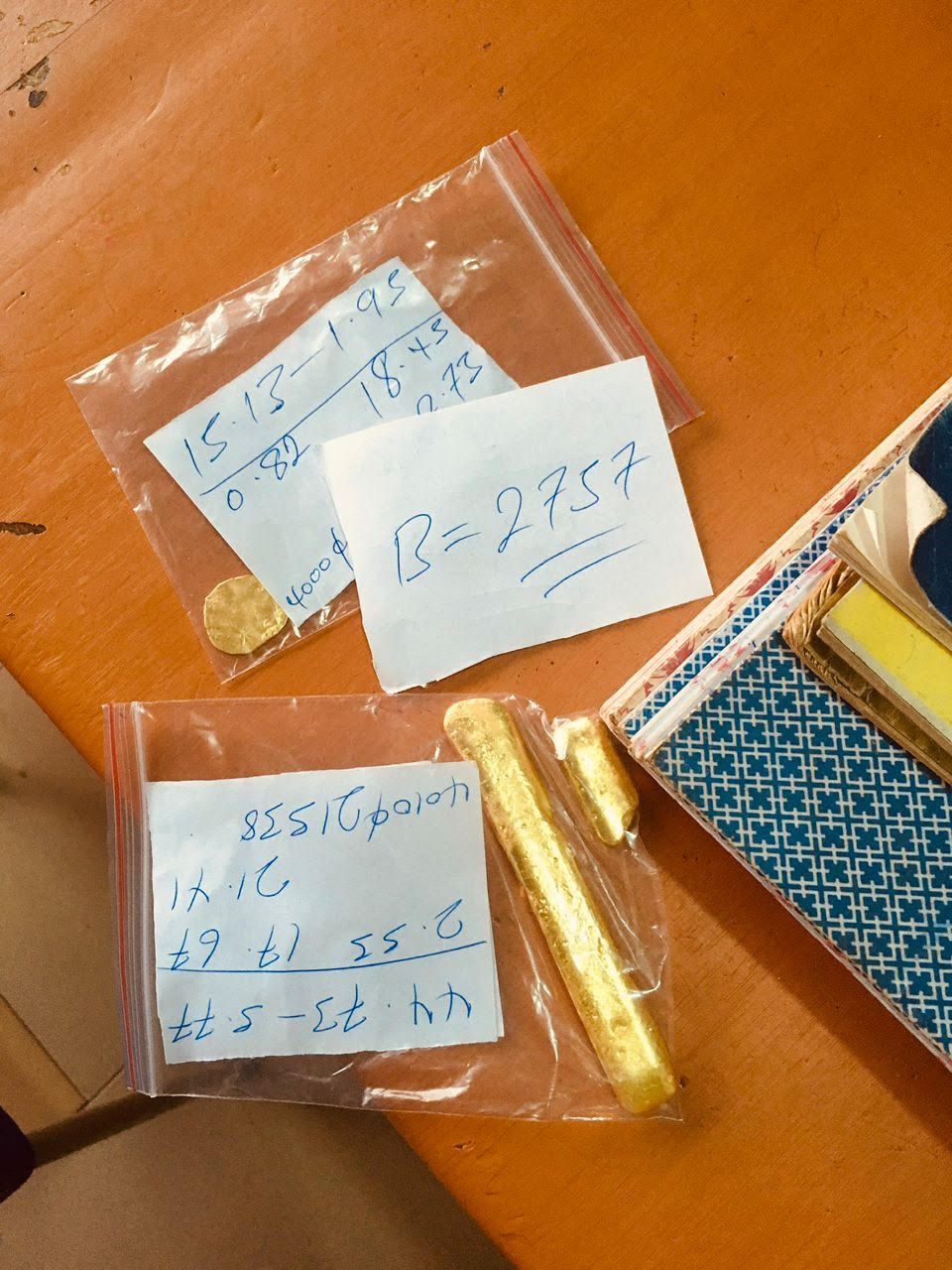
Establishing Official Purchasing Channels: The Burkina Faso Mining Participation Company (SOPAMIB) and the National Company for Precious Substances (SONASP) were established by the state. By serving as authorized purchasers of semi-mechanized and artisanal gold, these organizations increase the amount of trade that enters the formal economy.
Tighter Regulation of Industrial Mines: To guarantee that the nation’s fifteen industrial mines adhere to rules and fully contribute to official production numbers, the government increased oversight of these mines.
Cracking Down on Illegal Trade: Throughout the year, officials recovered almost 10 kg of gold as a result of their efforts to crack down on illegal supply chains.
A Difference from Current Patterns
For Burkina Faso, this record represents a major turning point. Prior to 2025, the nation had reportedly seen three years in a row of falling gold production, in part because of conflicts with certain foreign mining firms. The performance in 2025 represents a significant reversal of that pattern.
The wider economic role of mining
The main export from Burkina Faso is gold. Although precise numbers were not given, a senior official stated that the impressive performance contributed to the mining sector’s increased GDP share, which in turn had a favorable effect on the growth of the national economy.
Big mines are still essential to the industry. One of the biggest mines in West Africa, Essakane, for instance, produces more than 400,000 ounces (about 11.3 tonnes) a year and is expected to increase in 2026. It has a significant economic impact both directly and indirectly.
🔮 Planning for the Future: 2026
In 2026, the government plans to further reform, with proposals that include:
The national Bureau of Mines and Geology is being reorganized.
forming official cooperatives out of artisanal miners.
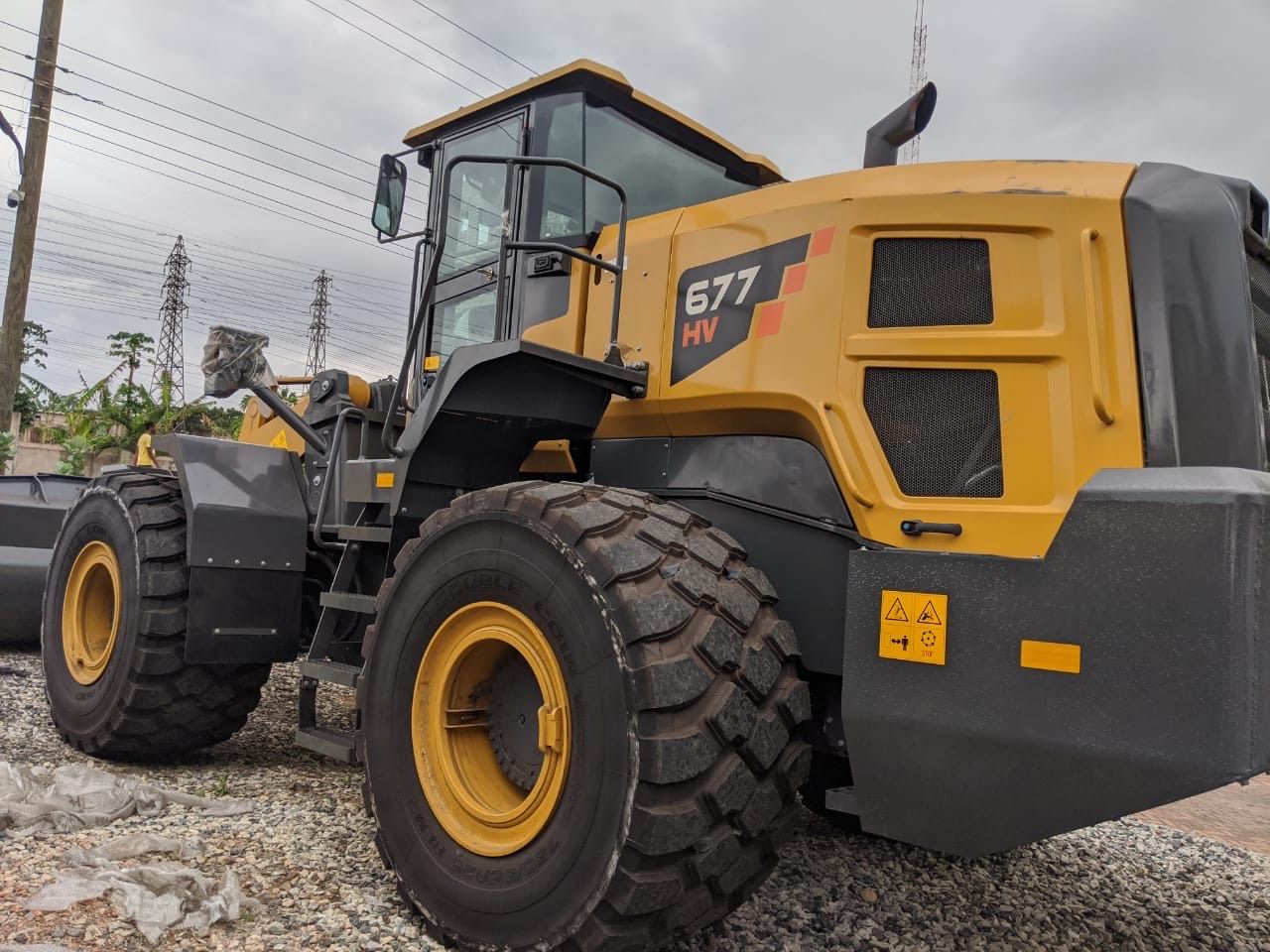
aiming for ten or more new semi-automated mining initiatives run by private investors in the area.