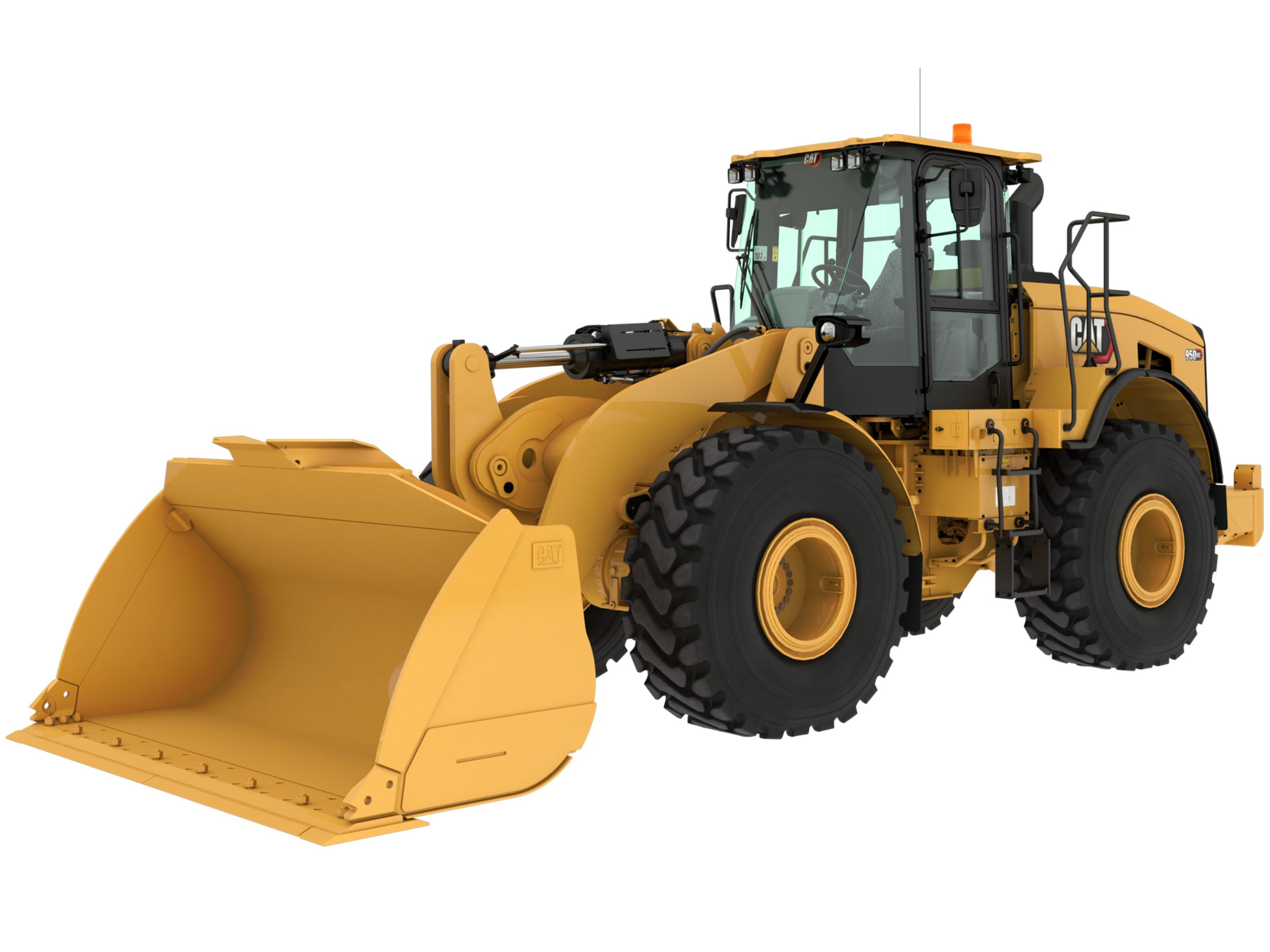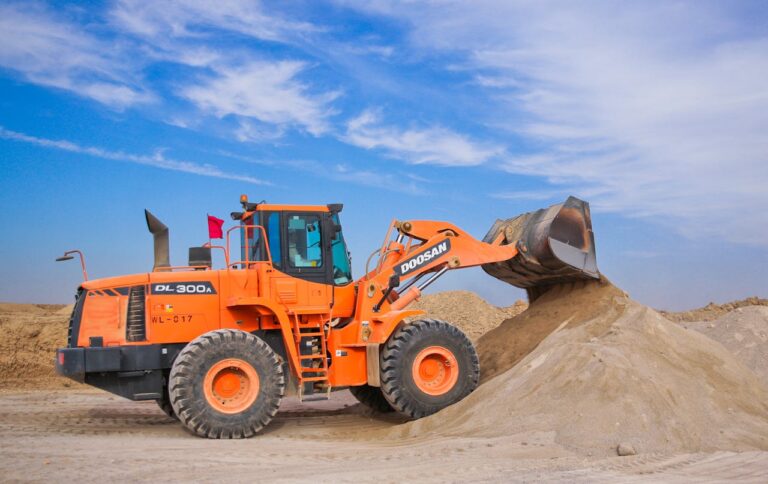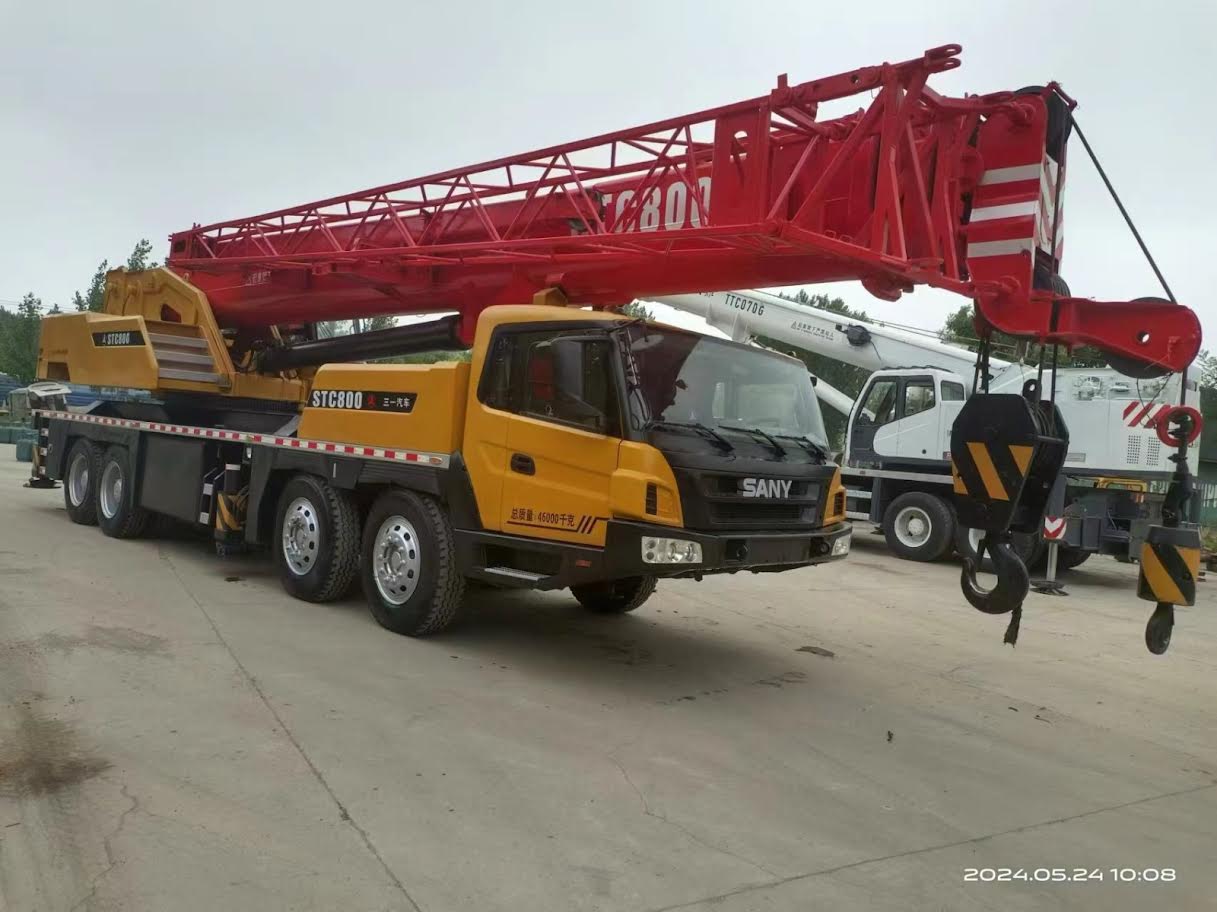


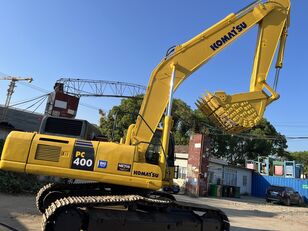
Buying heavy equipment in India involves navigating several options, from traditional dealerships to new digital platforms. The best choice for you will depend on your specific needs, budget, and comfort with technology. Here is a guide to the main avenues available to you.
🛒 Your Options for Buying Heavy Equipment in India
You can choose between established in-person channels and modern digital platforms. The table below summarizes the key approaches to help you decide.
| Method | Description | Pros | Cons | Good For |
|---|---|---|---|---|
| Traditional Dealerships (3S Facilities) | Authorized dealers for major brands like CASE, SANY, JCB, etc., offering Sales, Service, and Spare parts . | – Trusted, direct relationship with the manufacturer . – Comprehensive after-sales support, service, and genuine parts . – Option to see and inspect the machine in person. | – May be limited to specific brands. – Can involve more traditional negotiation and paperwork. | Buyers who prioritize brand-specific support, long-term relationships, and a physical service presence. |
| Digital Marketplaces & Discovery Platforms | Online platforms like DesiMachines.com and the HMC App that help you compare machines, check specifications, and connect with sellers or financiers . | – Unbiased comparison across multiple brands and models (new and used) . – Access to transparent information on pricing, financing, and insurance . – Particularly useful in Tier II-V cities where information is harder to find . – HMC App also lists spare parts and operators . | – DesiMachines acts as a neutral guide and does not sell equipment directly . – The buying process is still completed with a dealer or seller. | Buyers who want to research and compare all available options before making a confident, well-informed decision . |
💰 Financing Your Equipment
Unless you are paying fully upfront, financing is a critical step. Here’s what you need to know:
- Financing Options: You can secure funding through banks or Non-Banking Financial Companies (NBFCs). Common methods include:
- Equipment Loans: You get full ownership after repaying the loan in EMIs. This is best for equipment that will be used for many years .
- Leasing: You pay rent to use the equipment for a fixed period (2-5 years) without owning it. Leasing can be better for short-term or project-based needs .
- Hire Purchase: You pay in installments and own the machine only after the final payment. This plan allows for tax deductions on the installments .
- Financial Essentials:
- Down Payment: Typically ranges from 10% to 25% of the equipment’s cost, though this can go up depending on your credit profile .
- Interest Rates: These are competitive and can start from around 8% per annum .
- Eligibility: Lenders will assess your business’s financial health, credit history, and project cash flows. Required documents usually include identity proof, address proof, bank statements, and Income Tax Returns .
💡 Key Considerations Before You Buy
- Evaluate Your Need vs. Buy: Before committing to a purchase, use comparison tools (like on DesiMachines) to ask yourself critical questions: Is a new or used machine better for my needs? Would renting or leasing for this specific project be more financially sound ?
- Factor in Total Cost: Don’t just look at the machine’s price. Consider the total cost of ownership, including maintenance, insurance, and spare parts availability .
- Leverage Neutral Platforms: Especially if you are in a smaller city, use platforms like DesiMachines to get clear, honest guidance without brand pressure. The goal is to “listen to everyone, choose your own” (suno sabki, chuno apni) .
I hope this gives you a clear roadmap for your purchase. To help you further, could you tell me what type of equipment you are looking for and in which region of India you are based?