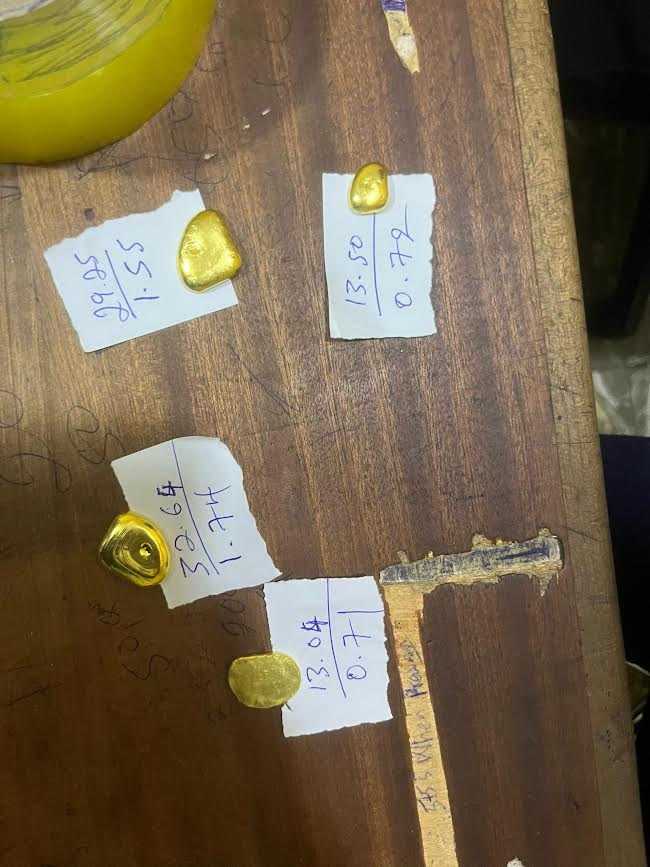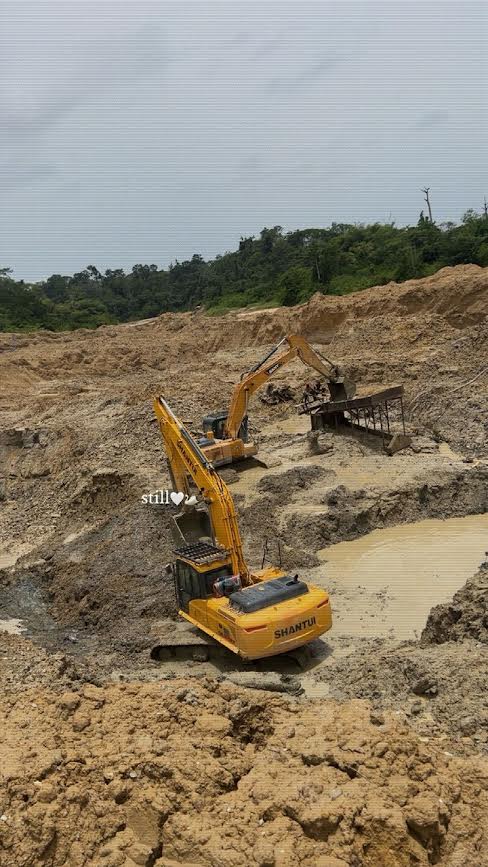

According to papers and sources quoted in recent publications, Ghana is allegedly under pressure from a number of major nations, including the United States and China, to halt or alter a planned rise in gold mining royalties.
Ghana’s plans
Ghana, the biggest producer of gold in Africa, wants to switch from its present fixed royalty of 5% on gold mining to a sliding scale that varies from 5% to 12% based on gold prices. The goal is to increase revenue as the price of gold hits all-time highs.
The reasons behind the pushback from international countries
Ghanaian officials have reportedly expressed concerns to diplomatic missions from the US, China, the UK, Canada, Australia, and South Africa.
Their primary points of contention:
Ghana may become one of the most costly mining sites in Africa due to the increasing royalty rates.
Mining firms may cut back on production or investment.
It might reduce the profit margins of Ghana’s largest mining companies.
During meetings with Ghana’s Ministry of Lands and Natural Resources, officials from those nations reportedly produced a joint document outlining these issues. They are apparently looking to continue their conversation with the Finance Ministry.

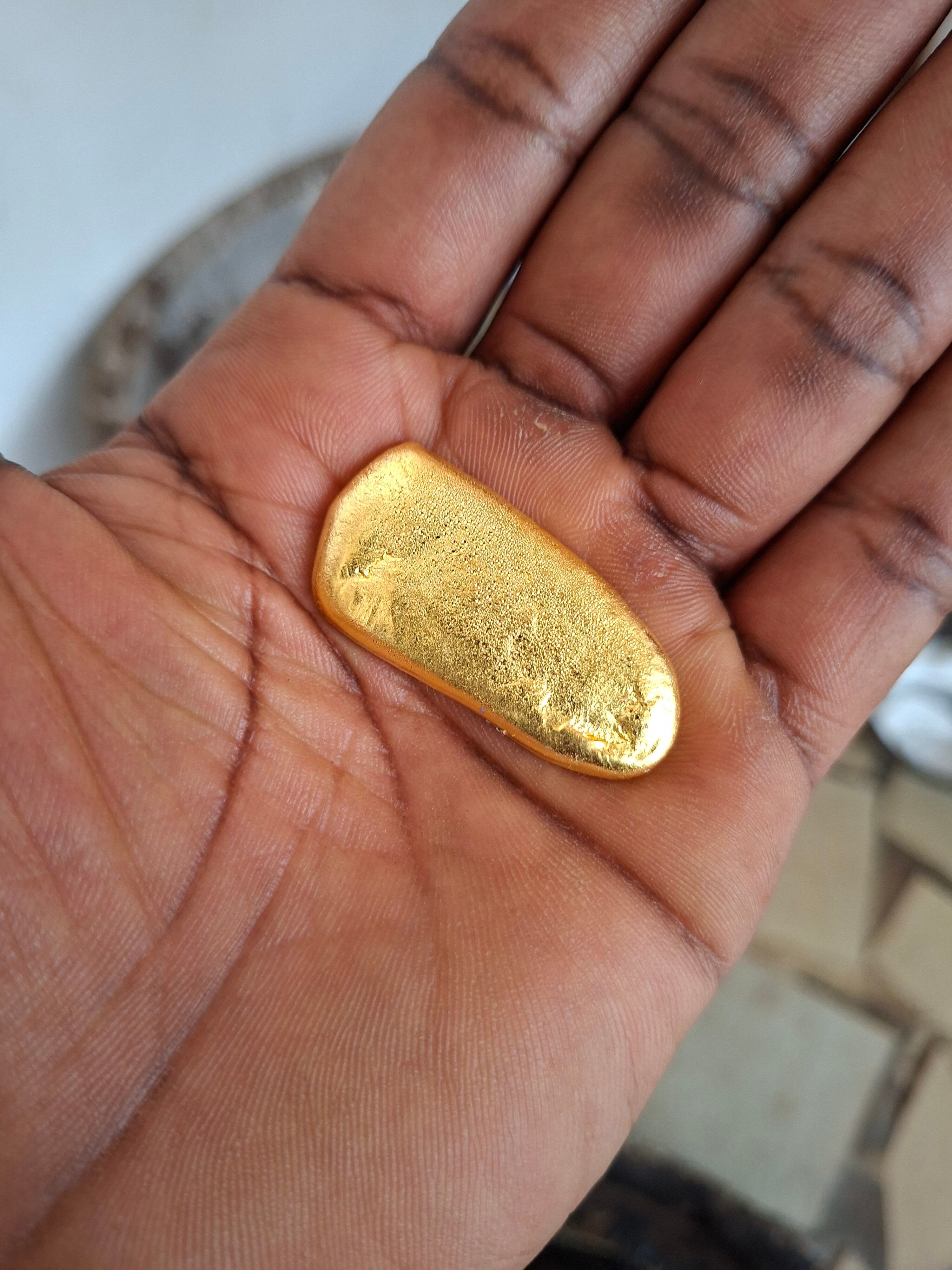

Participating mining companies
The following major international mining firms that operate in Ghana have also opposed the change:
The Newmont
Fields of Gold
Ashanti AngloGold
The Perseus
Chinese companies like Shandong Gold, Chifeng, and Zijin.
A few businesses cautioned that the suggested royalty rates might jeopardize some mines’ sustainability.
Ghana’s stance
The Ghanaian government contends that the reform is required to boost the country’s gold revenue, particularly given that the metal has been reaching all-time highs.
Ghana has previously agreed to lower another mining levy in order to allay worries, but businesses claim the new royalty band is still too expensive.
The main lesson learned:
Ghana wants its gold industry to generate more revenue.
Mining companies and foreign governments worry that the tax rise will make mining in Ghana prohibitively expensive.
The policy is currently being slowed down or changed through diplomatic pressure.