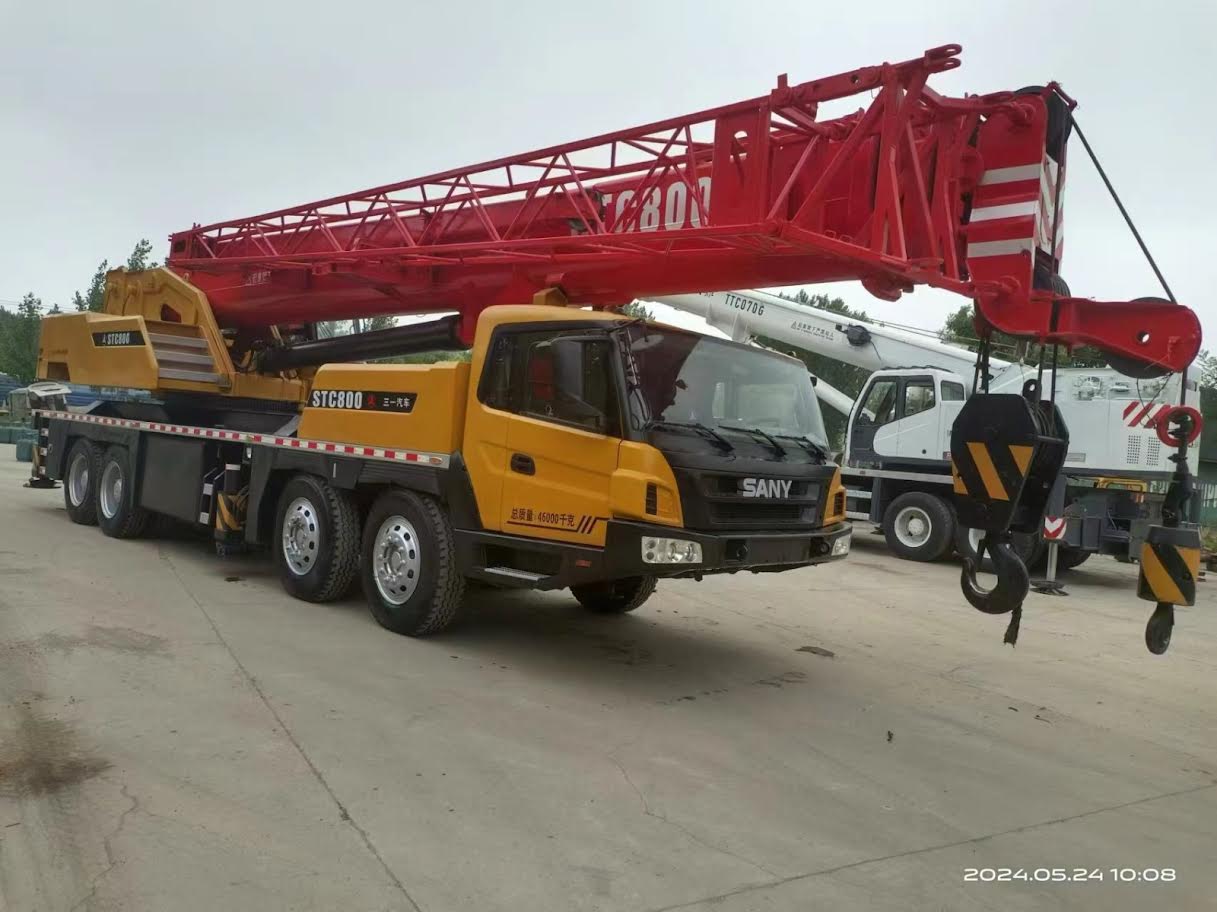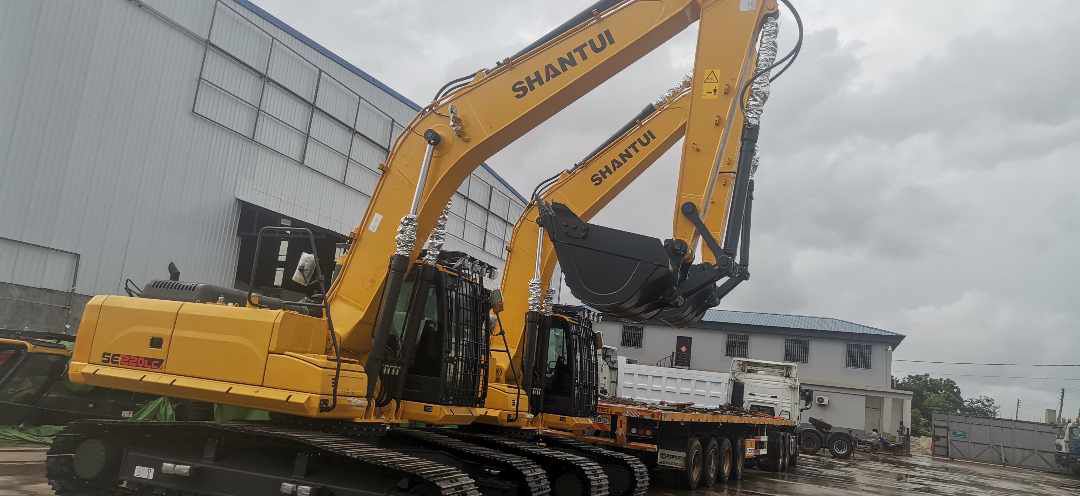

In Ghana, excavators are typically subject to a 5% import duty charge. However, because excavators must also pay a number of other taxes and fees, the overall cost of imports is much greater.
Important Classification and Cost Considerations:
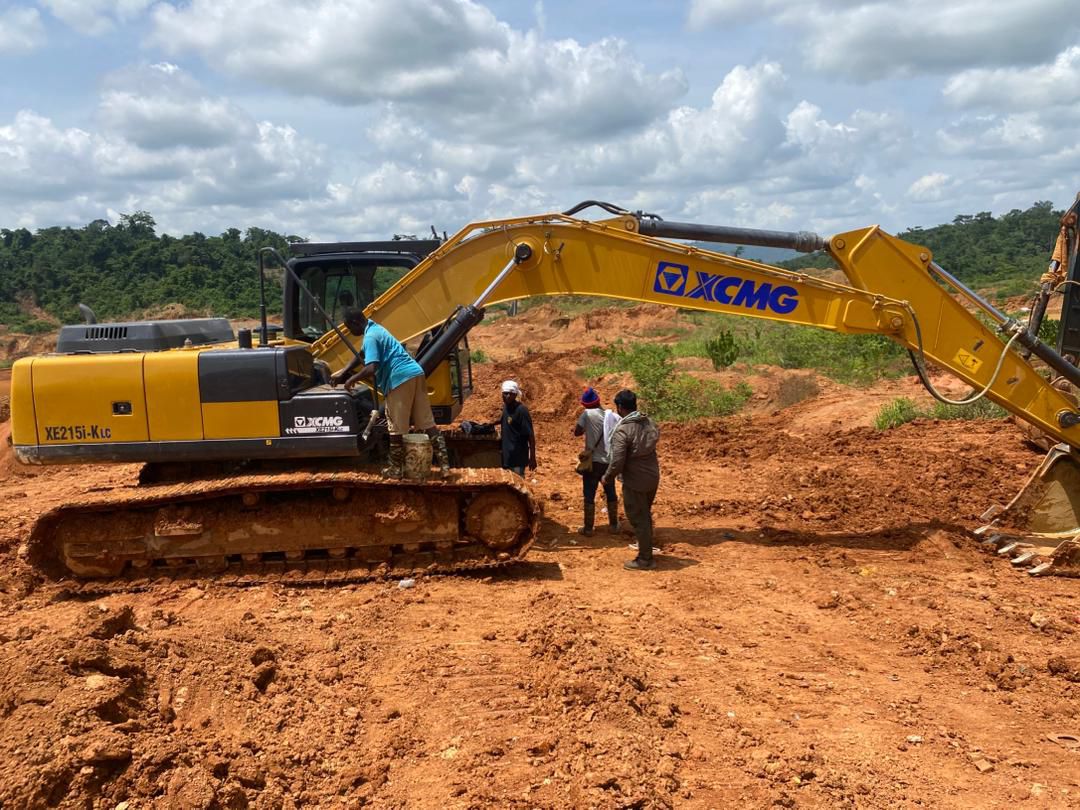
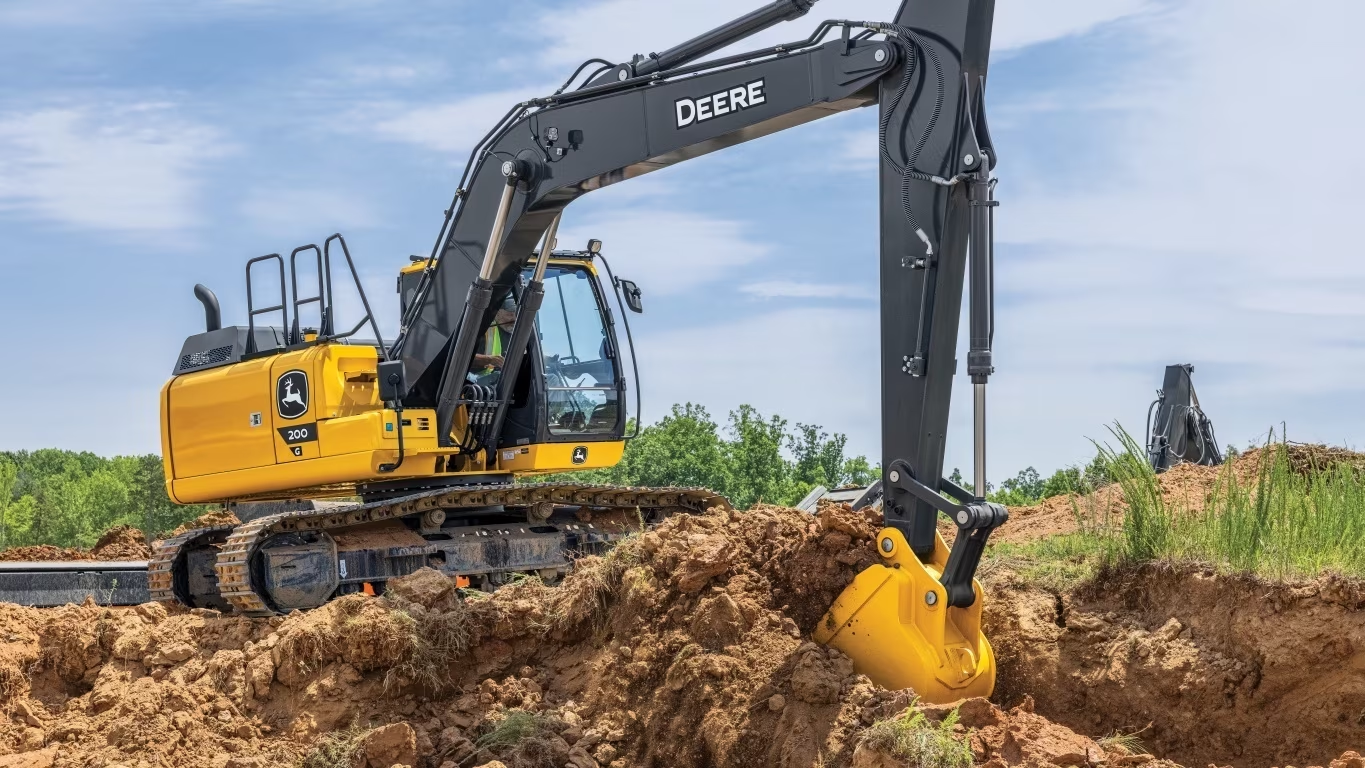
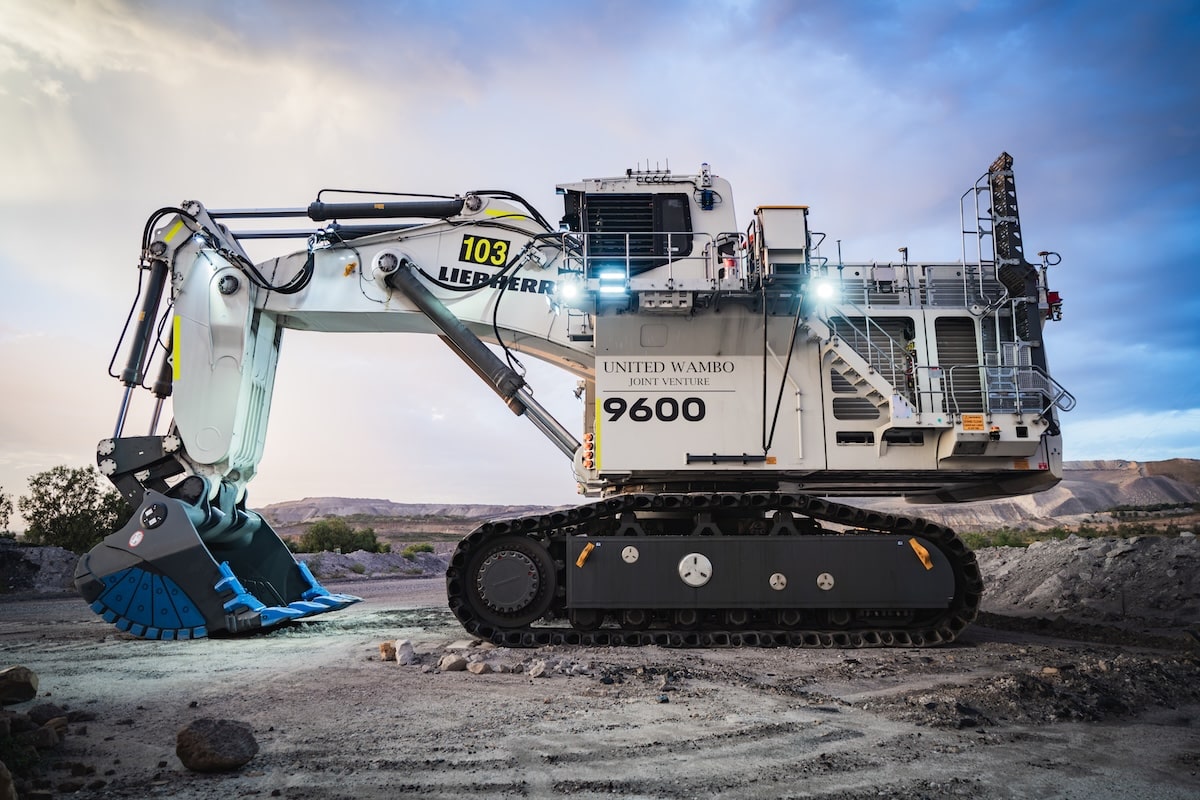
HS Code Accuracy Is Crucial: Codes such as 8479100000 (public works machinery) and 8430690000 (other moving, grading, and excavation machinery) are particularly subject to the 5% duty rate. Because categorization can change depending on the machine’s specific features (e.g., a 360-degree rotating superstructure may fall under a different code like 842952), you must confirm the actual HS code with your clearing agency. Penalties or incorrect duty payments may result from using the incorrect code.
Total Tax Burden: The import duty and tax rate is roughly 30.7% of the CIF value, not just 5%, when you add up the duty and all statutory levies.
Preferential Rates: If you are able to secure an ECOWASÎ�ﺧ地证 (ECOWAS Certificate of Origin), you may be eligible for a lower duty (0–5%).
Temporary Importation: To avoid paying the entire import duty up front, you may want to look into “temporary admission” regimes if the equipment is for a specific project and will be re-exported.
VAT Discrepancy: The typical VAT rate appears to be different in the search results. According to one source, the rate is 17.5%, however a more thorough analysis of port fees shows that it is 15% plus other levies. For determining landing costs, the customs advisory’s specific breakdown (15% + 2.5% + 2.5%) is probably more accurate; however, you should check with the Ghana Revenue Authority to confirm the current integrated rate.
What is the precise model or type of excavator you intend to import, as customs classifications might be based on the machinery’s weight, age (new vs. used), and rotation capacity? Knowing this will enable me to validate whether the 5% rate is applicable and to confirm the exact HS code.