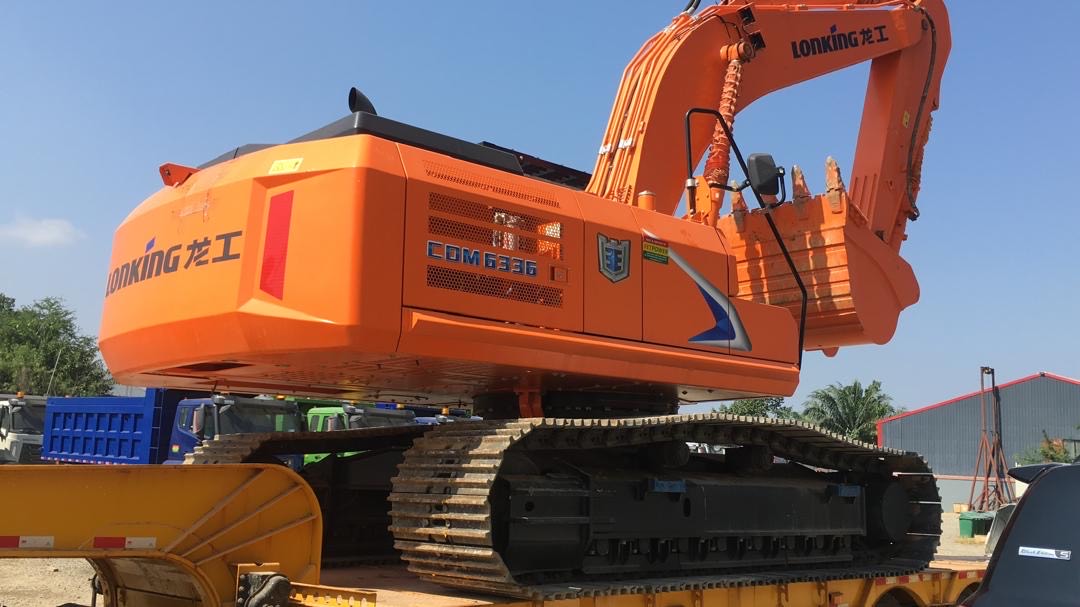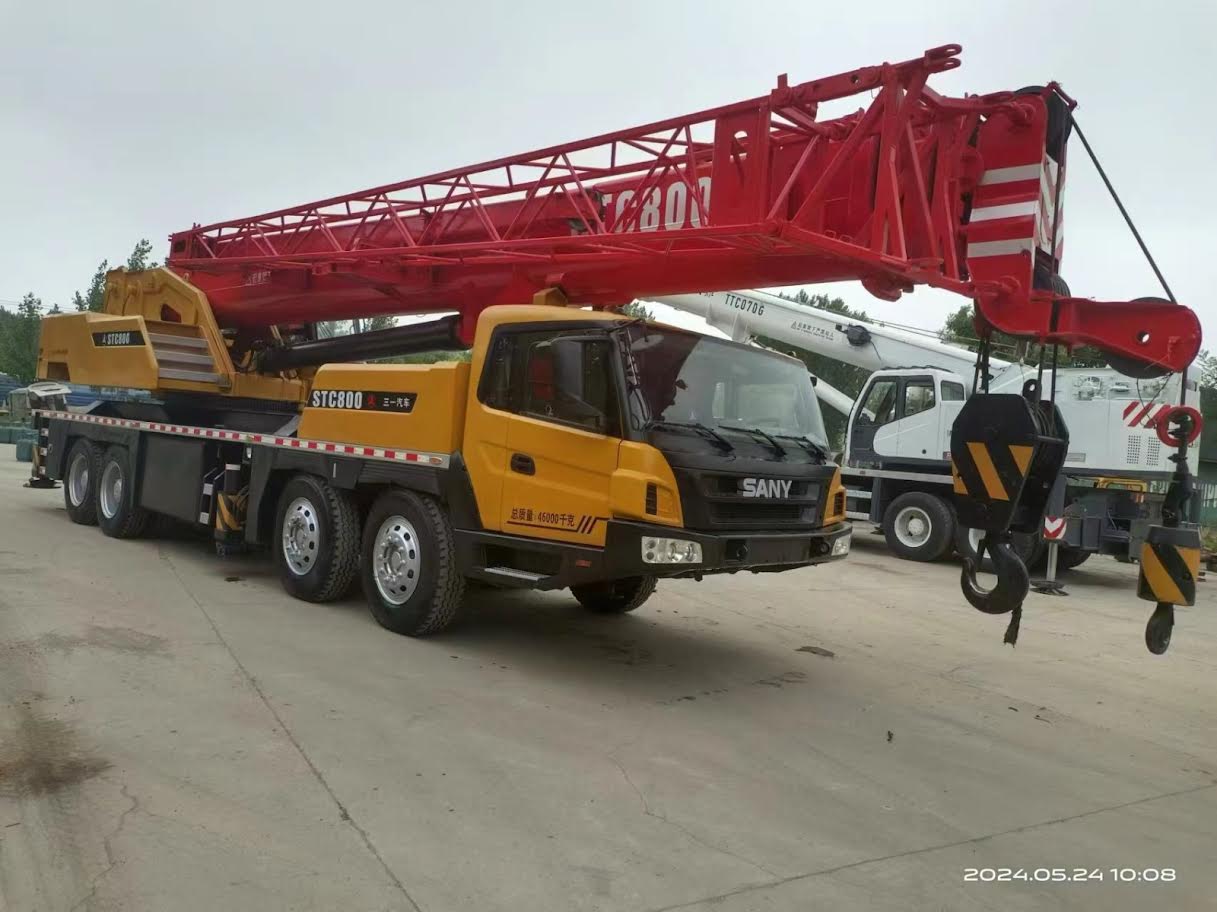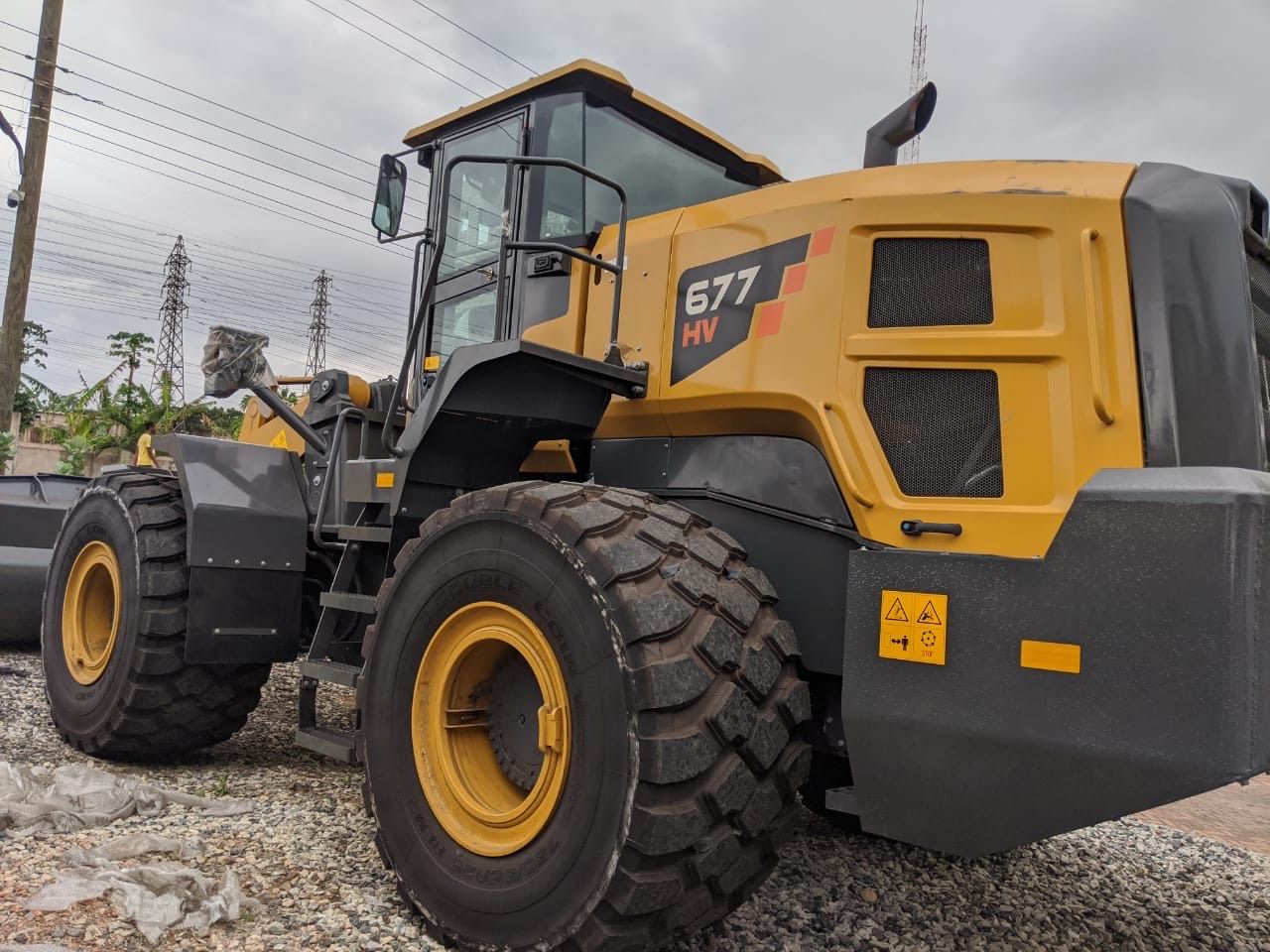

Hydraulic excavators have emerged as the silent powerhouses behind the scenes in India’s extensive infrastructure transformation. These devices are revolutionizing the construction industry in India, whether they are used to tunnel through rocky terrain for metro lines, prepare the earth for highways, or undertake mining and irrigation projects. However, the evolution is not solely based on their size or power; it is also reflected in their intelligence, sustainability, and adaptability.
Hydraulic excavators, which were previously perceived as straightforward dig-and-dump devices, are now intelligent, fuel-efficient, and interconnected. Their development is concomitant with the nation’s ambitious objectives, which include the construction of over 12,000 km of national highways annually, the establishment of a $1.4 trillion infrastructure pipeline under the National Infrastructure Plan, and the expansion of smart cities and urban transit systems. In this aspirational context, the excavator is evolving from a mere piece of equipment to a strategic asset.
Expanding sector
The hydraulic excavator market in India is presently estimated to be worth approximately Rs 12,000 crore. However, numerical data alone cannot provide a comprehensive account. The anticipated increase in the number of vehicles on the ground—from approximately 90,000 units today to a projected 2,50,000 units by 2030—marks a significant milestone. In just over five years, that represents a nearly threefold increase.
Urban infrastructure, mining, transportation, and irrigation—all of which have distinctive requirements—are contributing to this surge. Compact models are preferred for urban projects due to the limited space and regulatory norms, whereas road-building and mining necessitate heavier, high-performance machinery. The market starts to appear both broad and complex when the expanding role of rentals and organized leasing is added.
The OEM competition
Currently, the Indian excavator landscape is a highly competitive space, with prominent players such as Tata Hitachi, Volvo CE, Komatsu, L&T Komatsu, XCMG, and Gainwell, as well as Caterpillar, each pushing the boundaries of technological and operational innovation.
Tata Hitachi has concentrated on the urban and semi-urban market with its ZAXIS 38U, a micro zero tail swing excavator, and the SHINRAI Prime backhoe loader. Developed for urban environments with restricted workstations, these machines offer enhanced fuel efficiency and increased operator comfort in comparison to their predecessors. The ZAXIS 38U is particularly effective in applications that require precision and mobility, such as trenching, landscaping, and foundation work.
In the interim, Volvo Construction Equipment has established a new standard with its EC210-A, an enhanced variant of its renowned EC210D model. The new excavator is equipped with a sophisticated hydraulic system that enhances fuel efficiency while maintaining the ability to excavate. In remote infrastructure sites, the integration of Volvo’s CareTrack telematics system enables real-time monitoring of machine performance, predictive maintenance, and remote diagnostics—features that are particularly valued. “Contractors require machines that are both fuel-efficient and dependable, as well as those that align with sustainability objectives.” “We have taken this into consideration when designing our EC210-A,” stated Dimitrov Krishnan, Managing Director of Volvo CE India.
Komatsu is relying on automation and machine control through its joint venture with L&T. The PC220LCi-12, which was recently introduced in India, is equipped with the company’s proprietary Intelligent Machine Control (iMC). This technology automates grading and excavating operations, thereby significantly reducing errors and enhancing productivity. L&T Komatsu’s new mini hydraulic excavator is a compact option that provides small contractors operating in congested job sites with flexibility and ease of use. This is a growing niche as urban projects gain momentum.
At the 2024 bauma Conexpo India, Gainwell, Caterpillar’s dealer in India, highlighted the RM500 Reclaimer and electrohydraulic excavators. The electrohydraulic systems replace conventional pilot lines with digital actuators, thereby enhancing fuel efficiency and facilitating more precise operation. “These machines offer unparalleled productivity while simultaneously reducing fuel consumption and emissions by a substantial margin.” It is advantageous for both contractors and India’s sustainability objectives.
XCMG, a significant Chinese company, is not far behind. It unveiled an outstanding lineup of 17 new excavator models at bauma China 2024. Many of these machines are anticipated to be exported to India. They are engineered with sophisticated engine technology, multifunctional work modes, and exceptional operator comfort. In addition, they integrate IoT-enabled systems for monitoring and control, which underscores the increasing demand for higher intelligence from their equipment in budget-sensitive markets such as India.
HD Hyundai Construction Equipment India has made significant strides by emphasizing exports and mining. Sharwan Agnihotri, Head of Mining & Export Business at HD Hyundai Construction Equipment India, stated, “We are expanding our exports and expanding our mining portfolio.” Hyundai machines are recognized for their efficacy, technology, and reliability. We are expanding our capacity in India to meet the needs of both domestic and international markets. In the mining sector, Hyundai’s products are designed to provide durability and productivity in challenging working environments, which are essential requirements for the growing surface mining and quarrying operations in India.
Next-generation excavators are characterized by the following trends:
The current transformation of the Indian hydraulic excavator is a reflection of global trends, albeit influenced by local constraints and opportunities. This evolution is being driven by five significant developments:
One of the most significant changes is electrohydraulics. The utilization of electric actuators in place of hydraulic pilot controls in machines such as Caterpillar’s new excavators enables more precise operations and minimizes energy loss. This not only enhances fuel efficiency but also leads to a more efficient operation, which is especially crucial for delicate duties such as trenching and grading.
Machines manufactured by significant OEMs are currently equipped with remote monitoring and telematics. Real-time data on machine health, fuel consumption, inactive time, and location is provided by systems such as VisionLink (Caterpillar), CareTrack (Volvo), and Komtrax (Komatsu). It is essential in large projects where equipment malfunction can delay work and increase costs to improve machine uptime and facilitate predictive maintenance.
Automation and intelligent machine control (iMC) are also making progress. Semi-automatic operation is facilitated by Komatsu’s iMC 2.0, which enables the excavator to alter its position and operation in accordance with jobsite parameters. These systems enhance accuracy, reduce the need for highly skilled operators, and minimize rework.
Environmental responsibility is increasingly important for both OEMs and contractors who are competing for government initiatives with sustainability clauses. In India, hybrid and low-emission diesel models are gathering traction, despite the fact that electric excavators are still in their infancy. According to reports, Volvo, Tata Hitachi, and XCMG are conducting controlled tests of battery-electric variants.
Operator safety and convenience have emerged as indispensable design components. Ergonomic seats, touchscreen controls, panoramic visibility, climate control, and noise-reducing chambers are now standard features of new machines. These enhancements are no longer optional extras; they are now considered baseline expectations, as there is an increasing emphasis on operator welfare and productivity.
Issues experienced on the ground
In spite of the technological advancements, there are still numerous structural challenges that still exist. First and foremost, the importation of precision components and electronic systems is the primary factor contributing to the high cost of advanced machinery. Despite the robust demand, OEMs are compelled to attain a delicate equilibrium between affordability and innovation in India due to price sensitivity.
Secondly, there is a scarcity of operators who are adequately trained to operate these contemporary devices. In response, numerous OEMs, such as Komatsu and Tata Hitachi, have provided simulator-based programs and established training centers. However, the process of upskilling the workforce to match the sophistication of the apparatus is still a slow one.
Third, the after-sales service network in tier-2 and tier-3 cities is still insufficiently developed. Despite the fact that some OEMs have initiated the deployment of mobile service vans and remote diagnostic platforms, the availability of qualified technicians and spare parts remains inconsistent.
Finally, the construction equipment rental market remains fragmented, despite its accelerated growth. In an effort to enhance transparency and efficiency, organized rental platforms such as RentHire, Infra Bazaar, and Mycrane are providing contractors with access to newer machinery without the need for substantial capital investments. Nevertheless, regulatory support and industry standardization are still in the process of developing.
Traveling forward
The hydraulic excavator is on the brink of becoming more than a mere machine in the future. It will be an intelligent companion on the construction site, capable of learning, adapting, and optimizing operations in real time.
Machinery that is capable of constructing at a quicker, more intelligent, and more environmentally friendly pace is necessary to support India’s infrastructure objectives. It is not implausible to envision excavators that operate on clean energy, self-adjust to soil conditions, interact with Building Information Modelling (BIM) software, and automatically schedule service visits or order parts by 2030.
There is more to the excavator of the future than just excavating. It is about achieving more with fewer resources—less petroleum, less time, and less error. That is the future that India requires, and that is the future that we are constructing.
Hydraulic excavators are currently experiencing an inflection point in the Indian market. Excavators are transitioning from being durable instruments of brute force to becoming intelligent, sustainable, and scalable enablers of infrastructure expansion. OEMs, users, and regulators must now collaborate to establish an ecosystem that fosters this transformation by implementing improved policies, training, and collaboration. If that occurs, the excavator may serve as the emblem of India’s subsequent developmental milestone.
Source: Equipment India