
Asia and Africa constitute the world’s most rapidly expanding markets for heavy machinery, presenting substantial export prospects in the areas of infrastructure development, mining activities, energy initiatives, and logistics growth. Achieving success in these dynamic markets necessitates strategic methodologies that integrate tailored equipment specifications, extensive dealer and service networks, innovative financing options, and well-considered localization strategies designed to meet specific regional demands and operational conditions.
Primary keyword: export prospects for heavy machinery. Secondary: Markets for heavy equipment in Asia and Africa, including dealer networks.
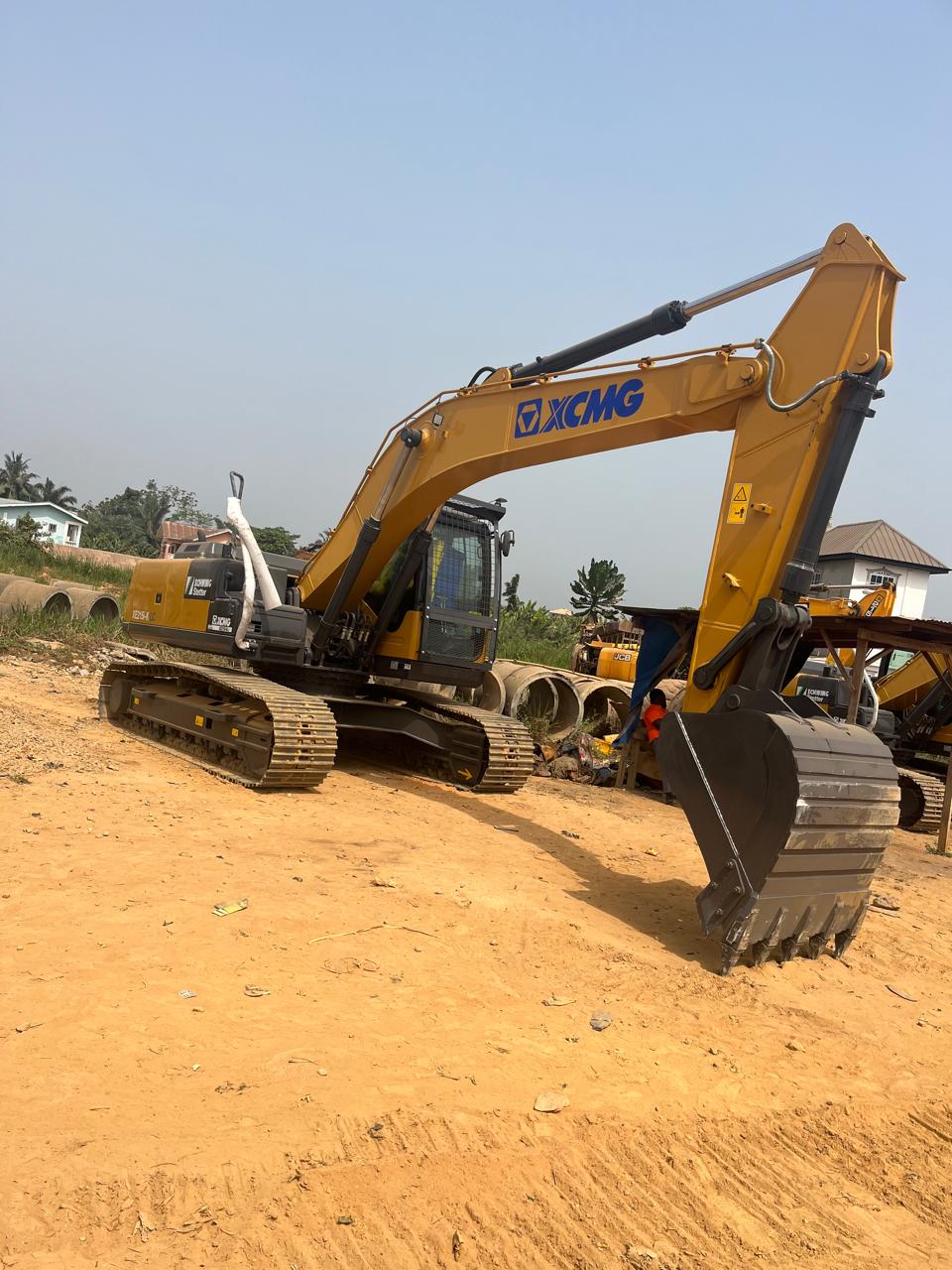
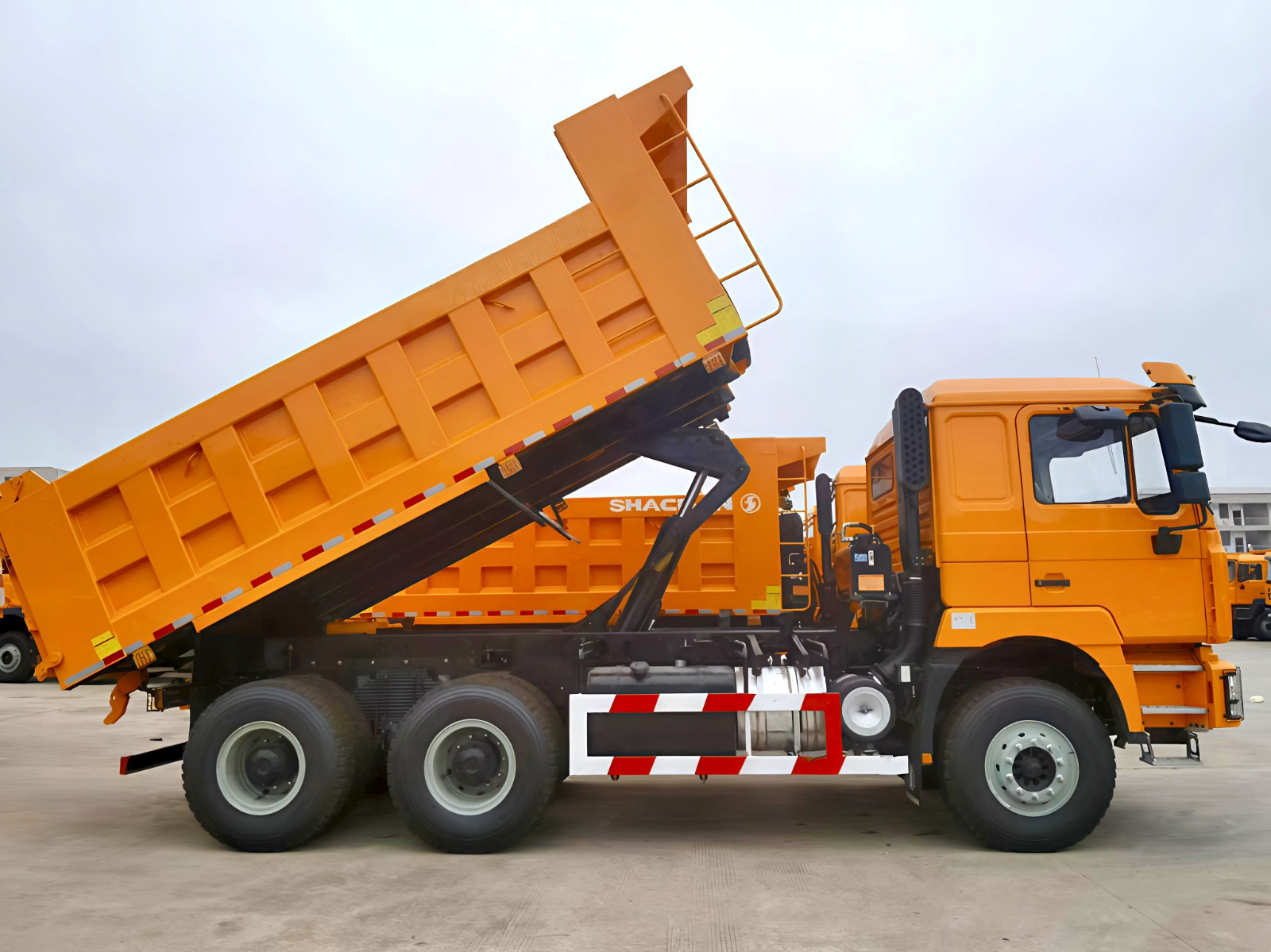

Introduction — Industry Environment and Market Trends
The export landscape of heavy machinery in Asia and Africa is marked by unprecedented growth, propelled by swift urbanization, advancing industrialization, and substantial infrastructure investment initiatives that generate consistent demand for construction, mining, and agricultural equipment. These regions collectively account for more than 60% of worldwide infrastructure investment, with annual expenditures surpassing $2 trillion in transportation, energy, water, and telecommunications initiatives.
Urbanization tendencies across both continents are generating significant demand for construction equipment, as Asia’s urban population is anticipated to grow by 1.2 billion individuals by 2030, while Africa’s urban population is expected to double by 2050. This urban expansion increases the demand for excavators, bulldozers, cranes, and specialized construction machinery essential for residential, commercial, and urban infrastructure development projects.
Industrial development initiatives, such as manufacturing zones, processing facilities, and logistics centers, demand comprehensive equipment solutions that encompass material handling systems as well as specialized manufacturing machinery. Government-driven industrialization initiatives in nations such as India, Vietnam, Ethiopia, and Nigeria are generating organized demand for heavy machinery and offering well-defined market entry opportunities for international suppliers.
Resource extraction initiatives on both continents generate significant demand for mining and quarrying machinery, with Asia and Africa contributing to over 70% of worldwide mineral output. Major mining projects in countries such as Indonesia, India, Ghana, and the Democratic Republic of the Congo demand advanced equipment solutions, while presenting long-term contracting prospects for suppliers capable of delivering comprehensive support services.
The competitive environment advantages exporters who integrate dependable equipment with extensive after-sales service, innovative financing options, and deep local market knowledge. Success necessitates recognizing that equipment sales are essentially service-oriented enterprises where factors such as operational reliability, parts availability, and technical support frequently hold greater significance than the initial purchase price in attracting and retaining customers.
Market leaders secure a disproportionate market share by formulating comprehensive value propositions that encompass the entire equipment lifecycle, including financing, training, maintenance, and parts supply. These comprehensive strategies establish competitive advantages while fostering enduring customer relationships that drive recurring revenue and facilitate market expansion opportunities.
The integration of export strategies with the development of robust merchant networks fosters sustainable competitive advantages while ensuring the local presence and expertise essential for success in diverse and challenging markets.