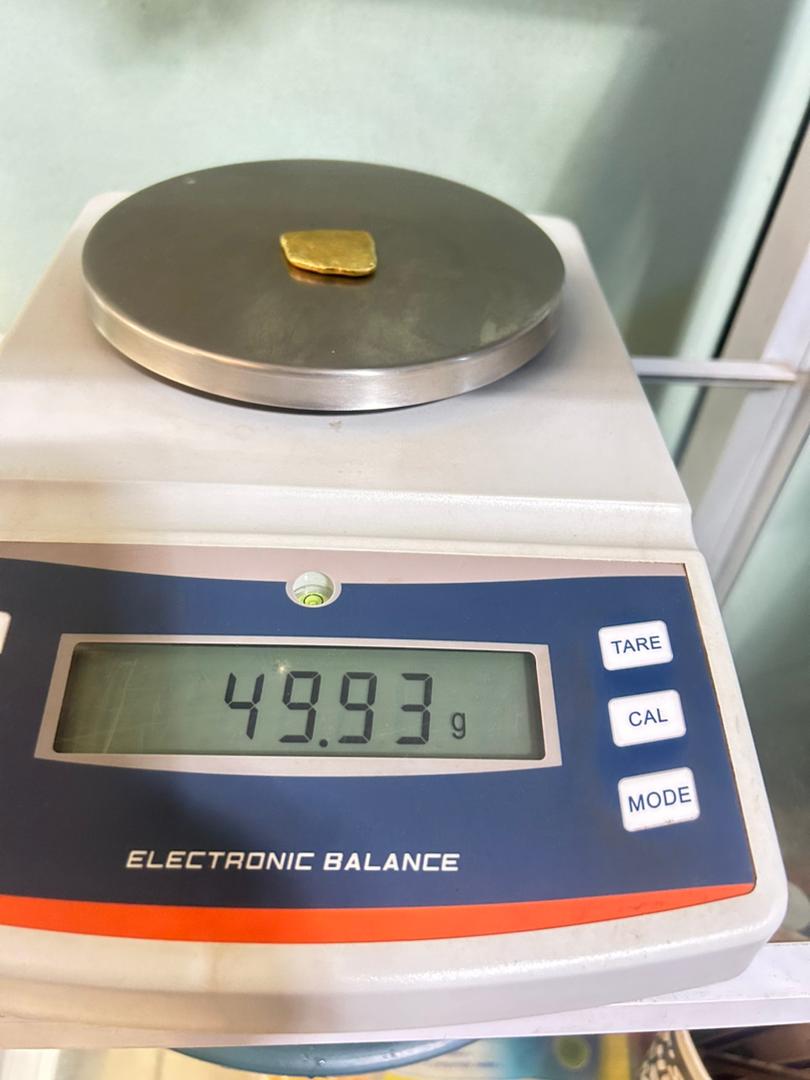

With record-breaking output objectives, a considerable government move towards local processing, and changing dynamics between large-scale and small-scale miners, Ghana’s gold mining business is about to undergo a period of tremendous transition in 2026. A summary of the market’s current situation may be seen below.
📈 Forecast for Record Production and Growth
Following a record-breaking year, Ghana’s gold industry is expanding rapidly.
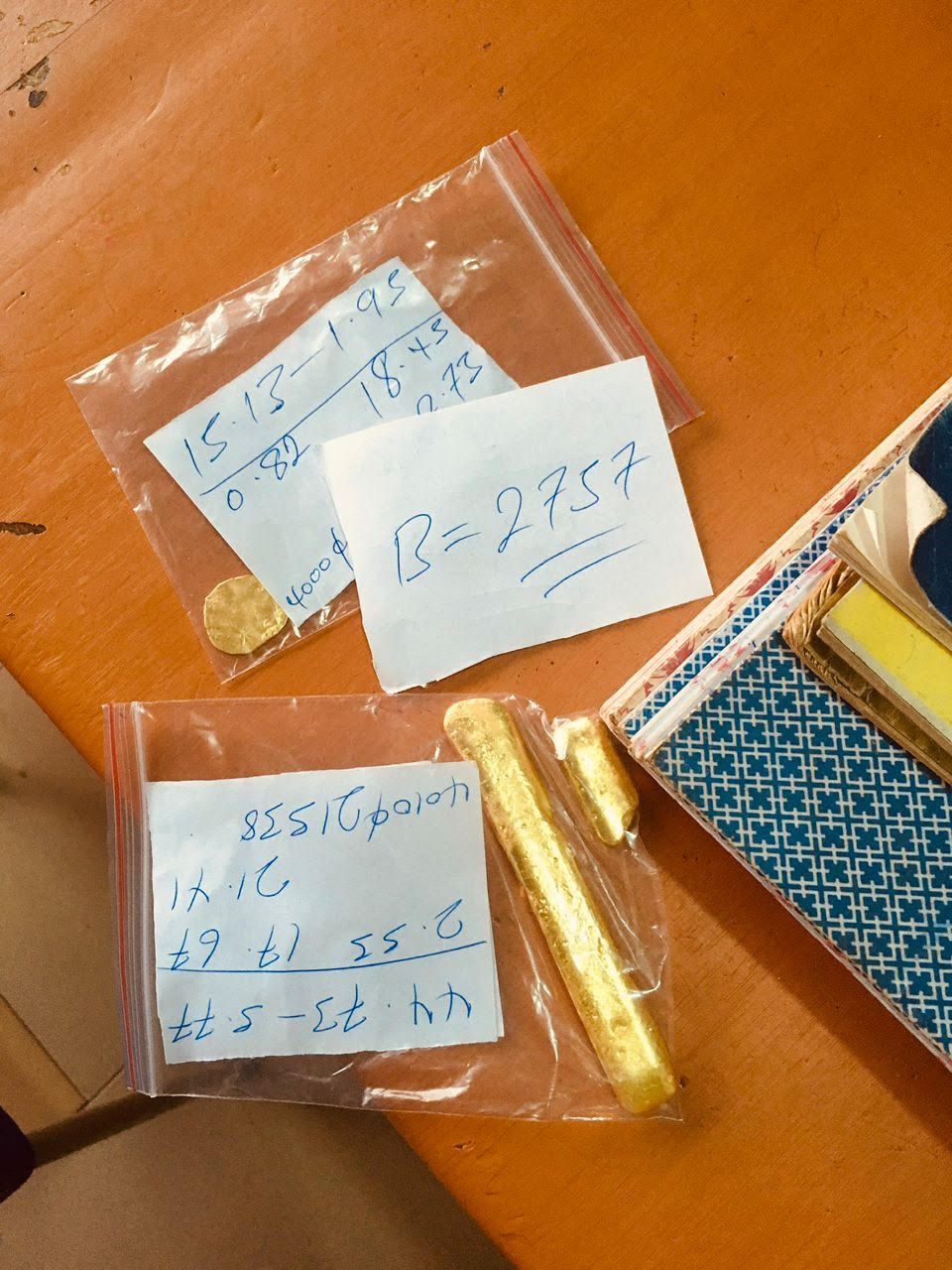
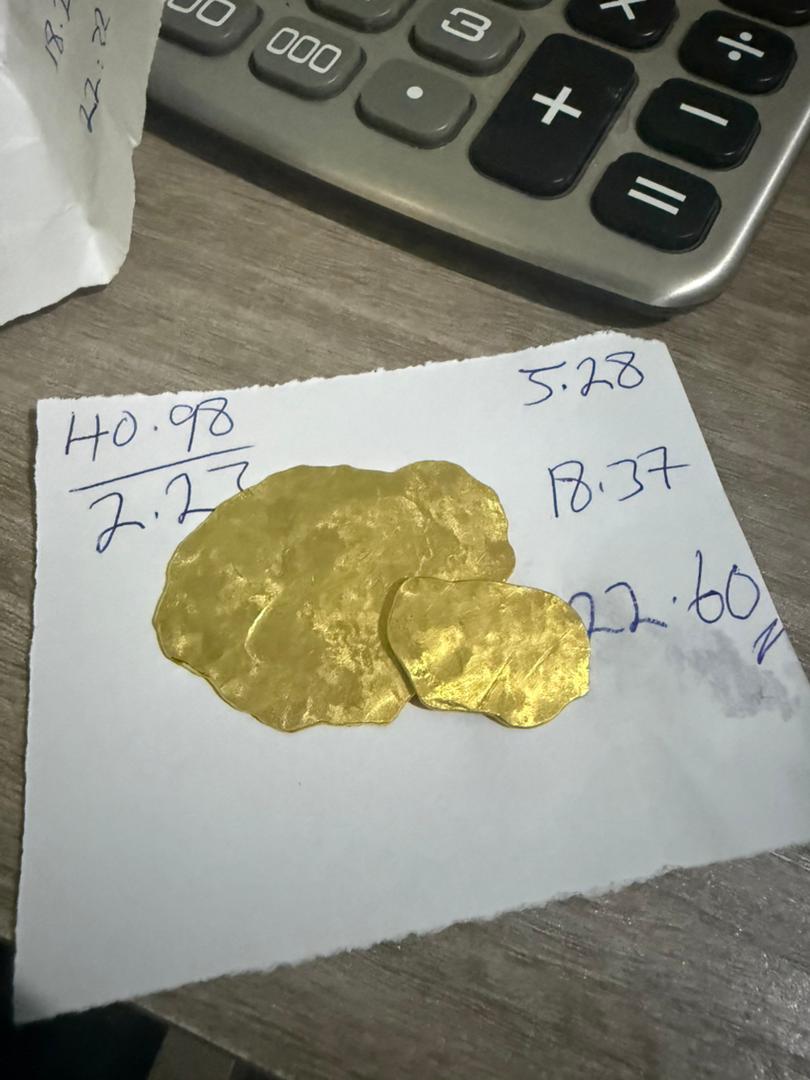
Production: In 2025, a record 6 million ounces of gold were produced, a 25% increase over the 4.8 million ounces produced in 2024.
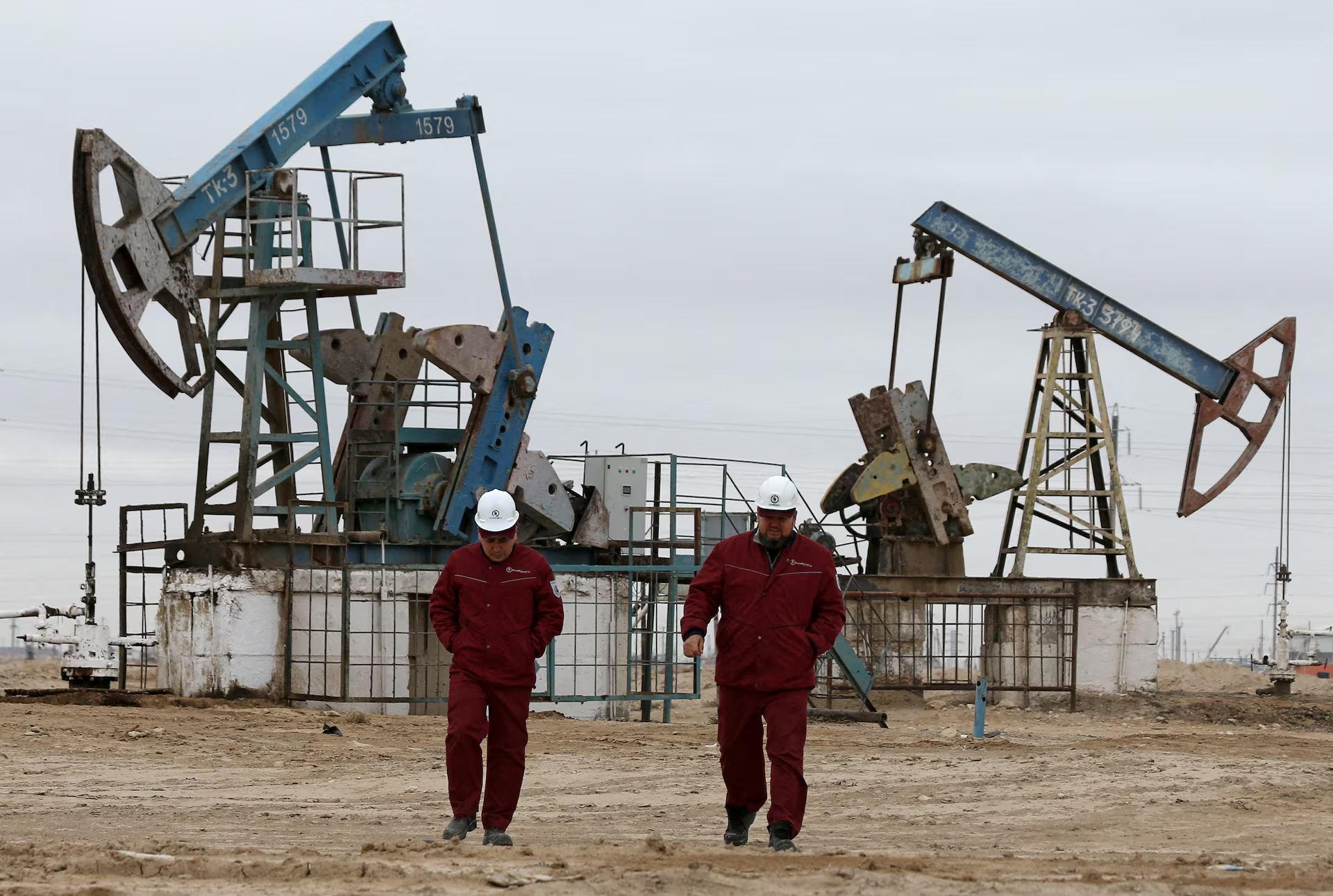
2026 aim: According to the Ghana Chamber of Mines, 6.5 million ounces is the country’s 2026 aim. According to estimates from other sources, such as the Minerals Income and Investment Fund (MIIF), production will total around 6.3 million ounces.
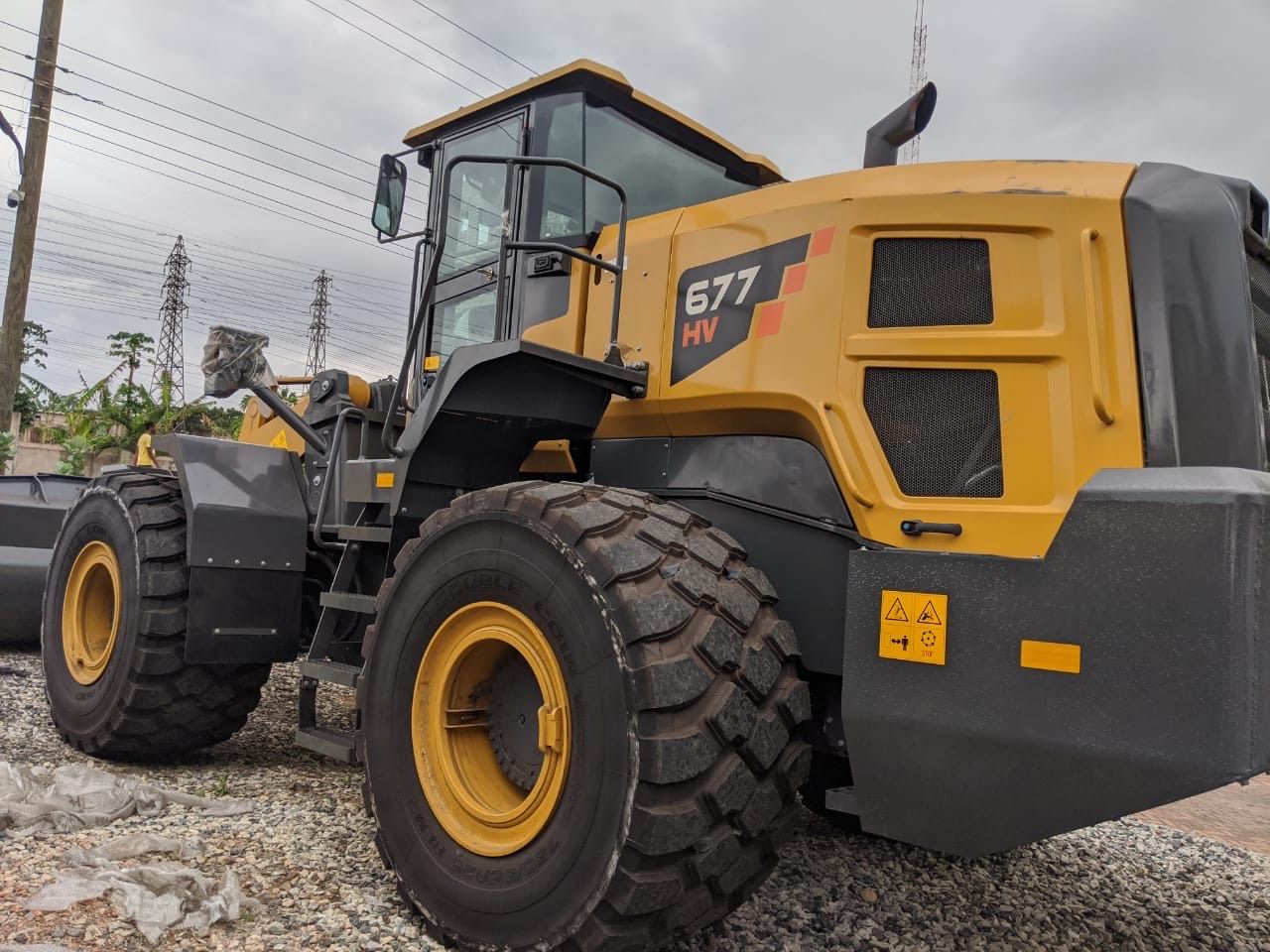
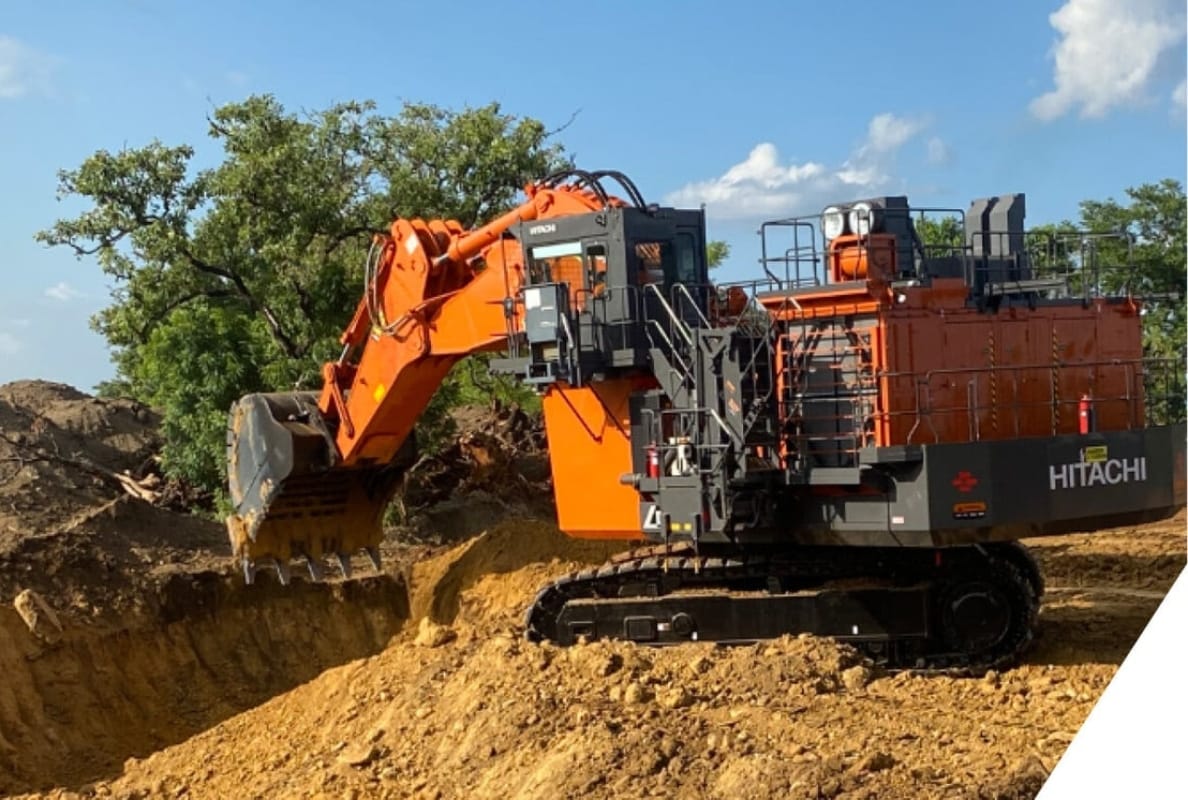
Key Drivers: The artisanal and small-scale mining (ASM) sector is primarily responsible for this expansion, which is expected to increase from 0.7 million ounces in 2022 to over 3.2 million ounces by 2026, accounting for over 50% of the country’s total output.
🏛️ Significant Policy Change: Mandatory Local Processing
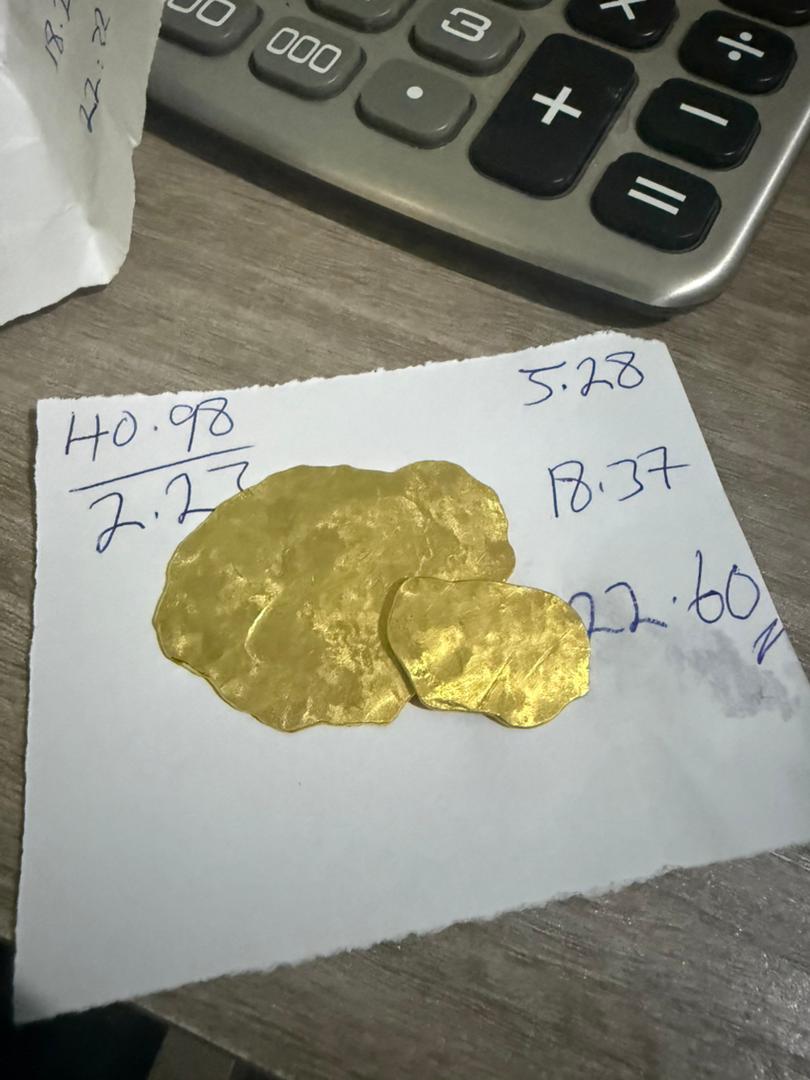
Ghana will stop exporting raw mineral ores over the next five years, according to President John Dramani Mahama’s historic policy declaration.
Increasing the economy’s value, industrializing the mining industry, and advancing Ghanaian businesses from suppliers to producers and innovators are the goals.
Supporting Measures: In order to enforce local content and guarantee knowledge transfer, the government is examining mining laws and intends to encourage the development of regional refineries and mineral-based industrial clusters. Countries like Indonesia, who have effectively placed themselves in the global supply chain for electric car batteries, provide as inspiration for this approach.
The Operational and Financial Environment
Although things are looking up, miners are dealing with a shifting economic landscape and operational changes.
additional Fiscal Measures: In an effort to increase income from the high price of gold, the government is enacting additional levies. This includes raising corporate income tax and implementing a 3% Growth and Sustainability Levy. Most notably, a new royalty scale of up to 12% is being discussed, instead of the present 3-5%. This may result in an estimated $310 per ounce increase in operating expenses for businesses such as Newmont.
Industry Concern: According to the Ghana Chamber of Mines, the planned royalty hike may have an adverse effect on industrial production and new project viability.
Price sustain: A favorable global gold price environment, with estimates of $5,000 per ounce in early 2026, is anticipated to partially sustain producers’ income despite cost difficulties.
Important Business Activities
Ghana is home to a number of significant mines with special intentions for 2026.
Notes for the Company Mine/Project 2026 Production Target (oz)
755,000 in the Newmont Ahafo Complex, a little increase over 2025. Ramp-up at the new Ahafo North mine (aiming for 315,000 oz in the first full year) counteracts decline in Ahafo South.
Asanko Galiano Gold 140,000–160,000is fueled by higher-grade ore from the Abore deposit, and represents a about 25% increase from 2025.
Prestea Gold Belt Prestea Sankofa GoldIncreasing manufacturing scaleFor long-term viability, a state-owned business is treating historic tailings and obtaining its own mining concession.
In conclusion, the conflict between aggressive development goals and a calculated, state-led drive for more local economic gain characterizes the Ghanaian gold market in 2026, posing both new potential and financial difficulties for miners.
I hope that this summary gives you a good idea of the situation as it is right now. Do you want to learn more about a certain topic, such the performance of a certain firm or the investment opportunities in light of the new local processing laws?