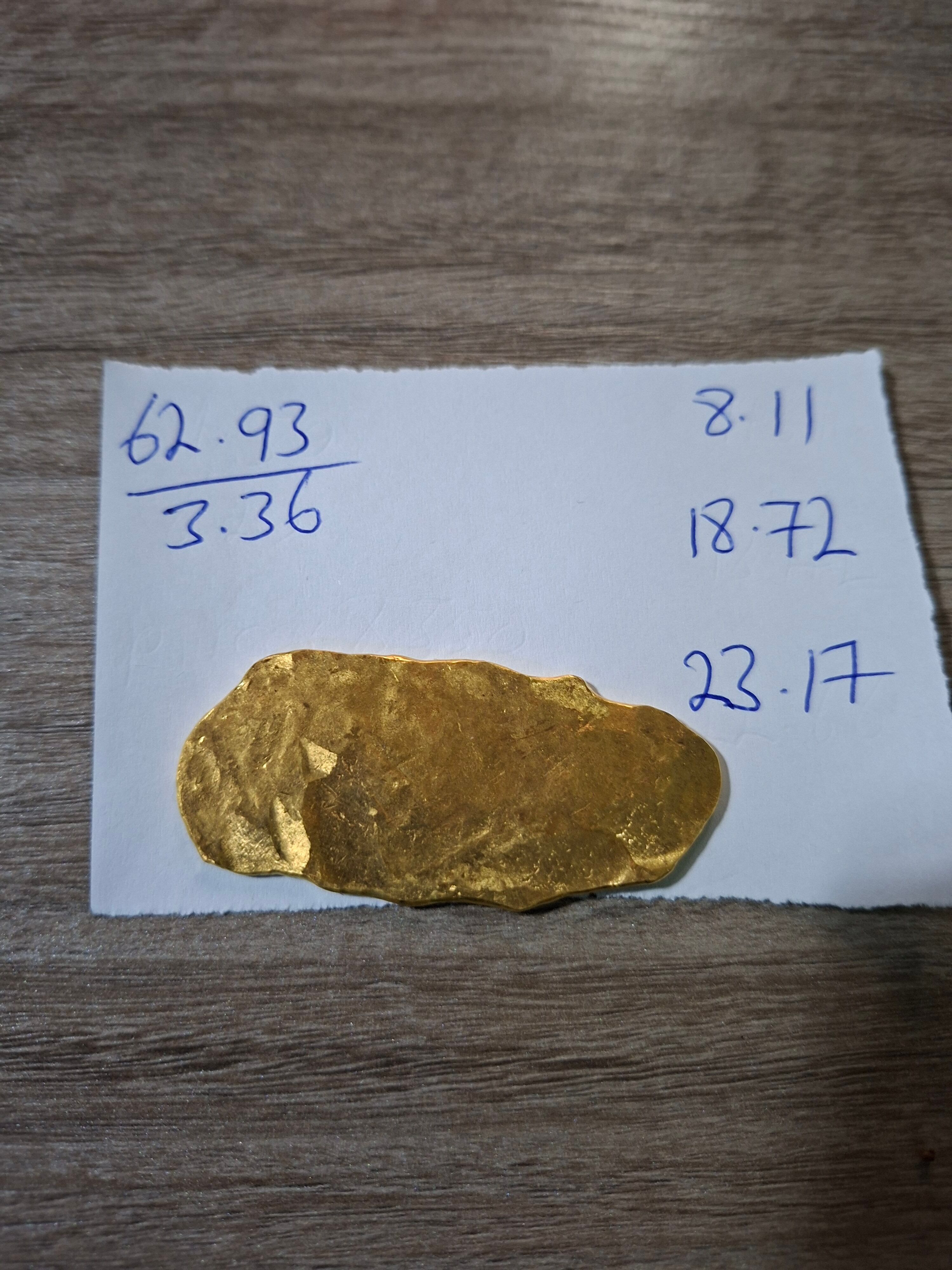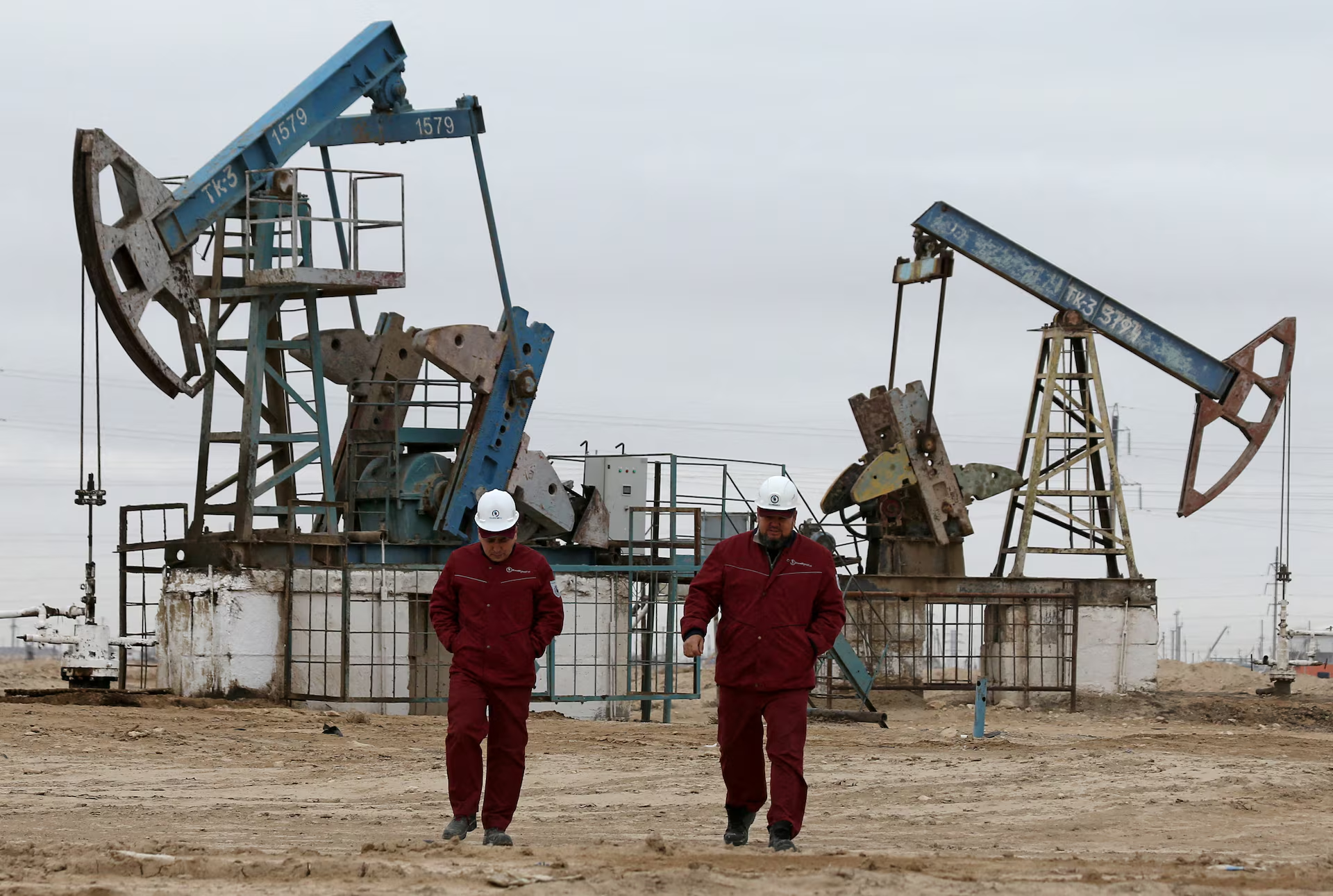

Ghana’s mining regulations are altering dramatically as a result of proposed legislative revisions, with a greater emphasis on local community development, fewer protections for investors, and more financial requirements. It is anticipated that the reforms would be introduced to parliament in March 2026.
Several causes are driving the Ghanaian government’s reform efforts:
Capturing Greater Resource Value: The state’s portion of mining profits is being reevaluated in response to fiscal challenges and high world gold prices.
Increasing Local Benefit: One of the main goals is to make sure that mining towns receive greater direct benefits by requiring direct payments rather than funds that are sent through the federal government.
Asserting Regulatory Control: The changes are intended to improve the government’s regulatory flexibility and address perceived imbalances from previous accords.
Following a Regional Trend: These modifications are in line with a trend of mining term revisions across West and Central Africa, including Tanzania, Mali, and the Democratic Republic of the Congo.
Important Risks and Industry Response
The ideas have caused a great deal of industry worry and present serious dangers for mining businesses.
Significant Financial Impact: Some ongoing or proposed projects may become economically unfeasible due to the nearly twofold increase in royalties, the present 35% corporate tax, and other charges.


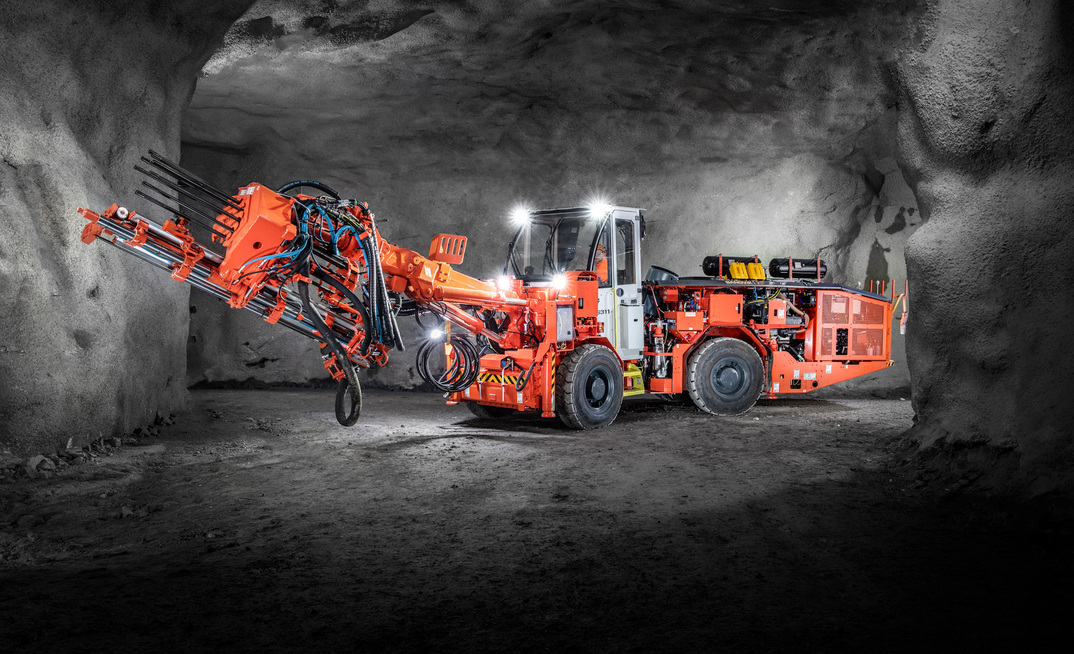
Loss of Investment Predictability: Important safeguards supporting long-term, capital-intensive investments are eliminated when stability periods are shortened and Development Agreements are terminated.
Contract Stability and Disputes: The modifications would necessitate renegotiating current contracts, which could result in contract violations and international arbitration.
Industry Warnings: Although the Ghana Chamber of Mines is in favor of a sliding-scale royalty in theory, it cautions that the current proposal is unbalanced and may “choke off investment,” cause delays in projects, and result in job losses.
🗺️ African Context and Important Points
Take into account the following other factors to gain a better understanding of the reforms’ potential course and consequences:
Retrospective Application: According to the government, the new regulations will only be applicable to upcoming contracts—not to ones that already exist.
Regional Comparison: Mali and Burkina Faso have implemented reforms retroactively, in contrast to Ghana’s prospective strategy.
Political Momentum: There is probably a lot of political will to move these reforms forward, especially in light of Ghana’s fiscal imbalance and regional tendencies.
💎 Stakeholder Strategic Guidance
For Mining Companies & Investors: Keep a close eye on the bill’s passage through the legislature. To evaluate the effects of the new fiscal regime, create comprehensive financial models. Participate actively in talks with the government, voicing problems in a positive manner.
For Partners & Observers: Compare Ghana’s suggested “win-win” balance to more assertive regional strategies. As they represent a larger move toward state control and more stringent oversight, keep an eye on the Gold Board’s and the new environmental laws’ implementation.
The plans are the biggest mining reform Ghana has seen in almost 20 years. The long-term effects of the final legislation on the nation’s investment climate and economic development will depend on its details, how it is implemented, and if it strikes a sustainable balance.
I hope this thorough synopsis is useful. Are you looking for a more in-depth examination of a certain topic, such as the new environmental restrictions, or more thorough comparisons with mining policy in particular adjacent countries?