

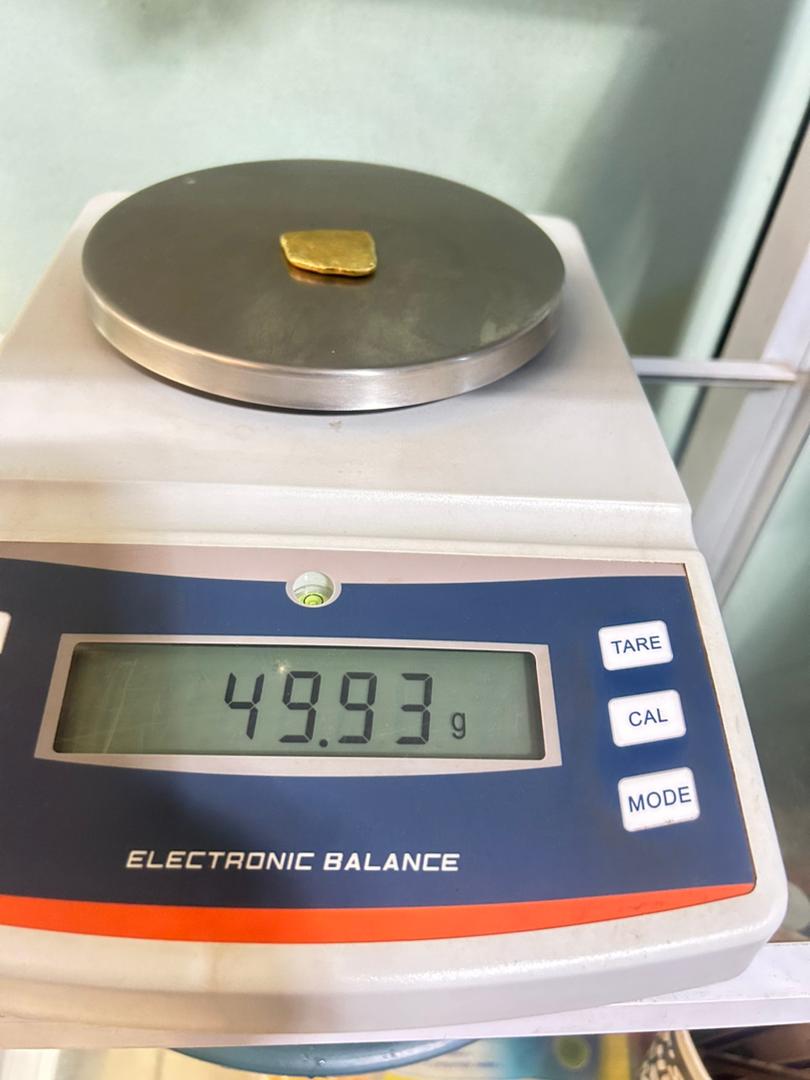

Based on the latest market reports from March 4, 2026, the gold market is experiencing significant volatility due to escalating conflict in the Middle East. While gold is traditionally a safe-haven asset, its price is currently being pulled in two directions by powerful, opposing forces. Before investing, it’s crucial to understand this complex tug-of-war.
Here is a summary of the key factors influencing the gold price right now.
🧐 Key Factors Driving the Gold Market Today
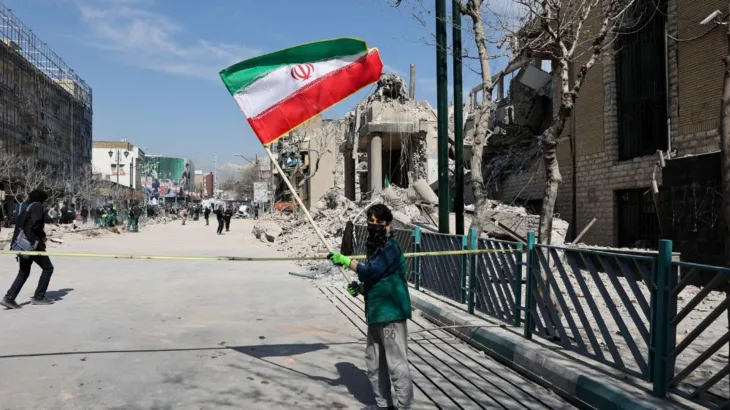
- 🛡️ The Classic Safe-Haven Appeal is at Work: The primary driver pushing gold prices up is its role as a safe-haven asset. With the US-Israeli war on Iran expanding, including air strikes and disruptions in critical areas like the Strait of Hormuz, investors are seeking stability in gold . Analysts note that this uncertainty is likely to support prices, with some viewing Tuesday’s price drop as a temporary “portfolio risk-reduction move” rather than a change in the long-term outlook .
- 💰 The Powerful Counterforce: A Strong Dollar and “Higher-for-Longer” Rates: This is the most critical headwind for gold right now. The conflict has sent energy prices soaring, which reignites inflation fears . This, in turn, forces traders to rethink how much the US Federal Reserve can cut interest rates. As recently as last week, two rate cuts were fully priced in, but now the market sees only an 80% chance of a single cut . This expectation of “higher-for-longer” rates strengthens the U.S. dollar (a competing safe haven) and pushes bond yields higher, creating a classic double-headwind for gold, which pays no interest .
- ⛓️ Physical Supply Chains Are Facing Real Disruption: Beyond financial markets, the conflict is impacting the physical movement of gold. The UAE, a major global trading hub, is facing severe shipment challenges due to airspace closures, with land transport considered too risky. This has led to an indefinite pause in shipments to and from Dubai, adding a layer of potential supply tightness that could support prices once the current selling pressure eases .
🤔 What This Means for You as an Investor
Given this complex backdrop, here are a few important points to consider:
- Expect Volatility: The market is in a state of flux. You will likely see sharp price swings as investors weigh safe-haven demand against macroeconomic headwinds. A strategist from RJO Futures noted that while the current dip is driven by a “flight to cash,” this is likely to be short-lived, and geopolitical risks should ultimately support higher prices .
- Look Beyond the Headlines: While the war is the immediate trigger, the primary driver of the price direction may actually be economic data and Fed commentary. Watch for any clues on whether the Federal Reserve might pivot back to a more dovish (rate-cutting) stance. A dovish shift would likely reignite gold’s rally .
- Consider the Long-Term Story: Despite short-term pressures, the long-term case for gold remains intact. Central banks, particularly in emerging markets, continue to buy gold as part of a strategy to diversify away from the U.S. dollar . Persistent fiscal concerns and large government deficits also support gold’s role as a store of value .
- Be Aware of Technical Levels: Analysts are watching key price levels. The $5,000 mark is seen as a psychological support level, with the 200-day moving average around $4,850 offering further technical backing if selling intensifies . On the upside, a move past recent highs could target $5,300 .
In short, investing in gold right now means navigating a market caught between the fear of war and the economic reality of higher interest rates.
I hope this overview helps clarify the current situation. Are you more interested in the short-term trading dynamics, or are you looking at gold as a long-term portfolio hedge? Knowing that could help me provide more specific information.