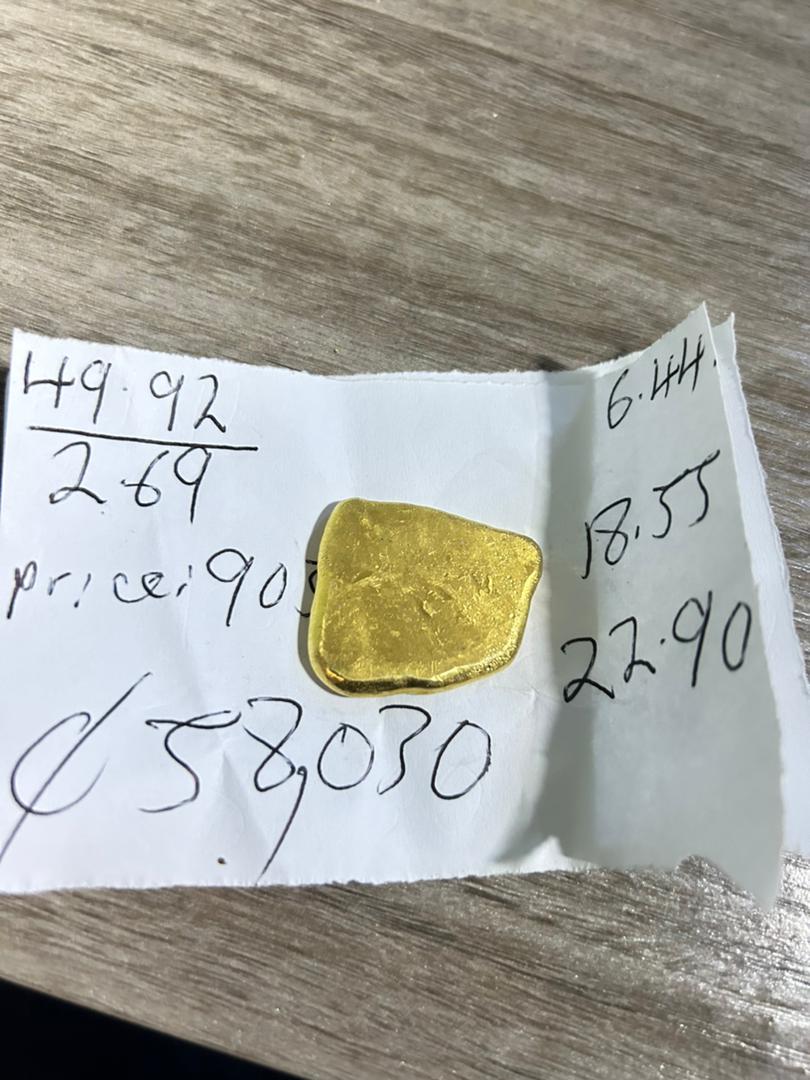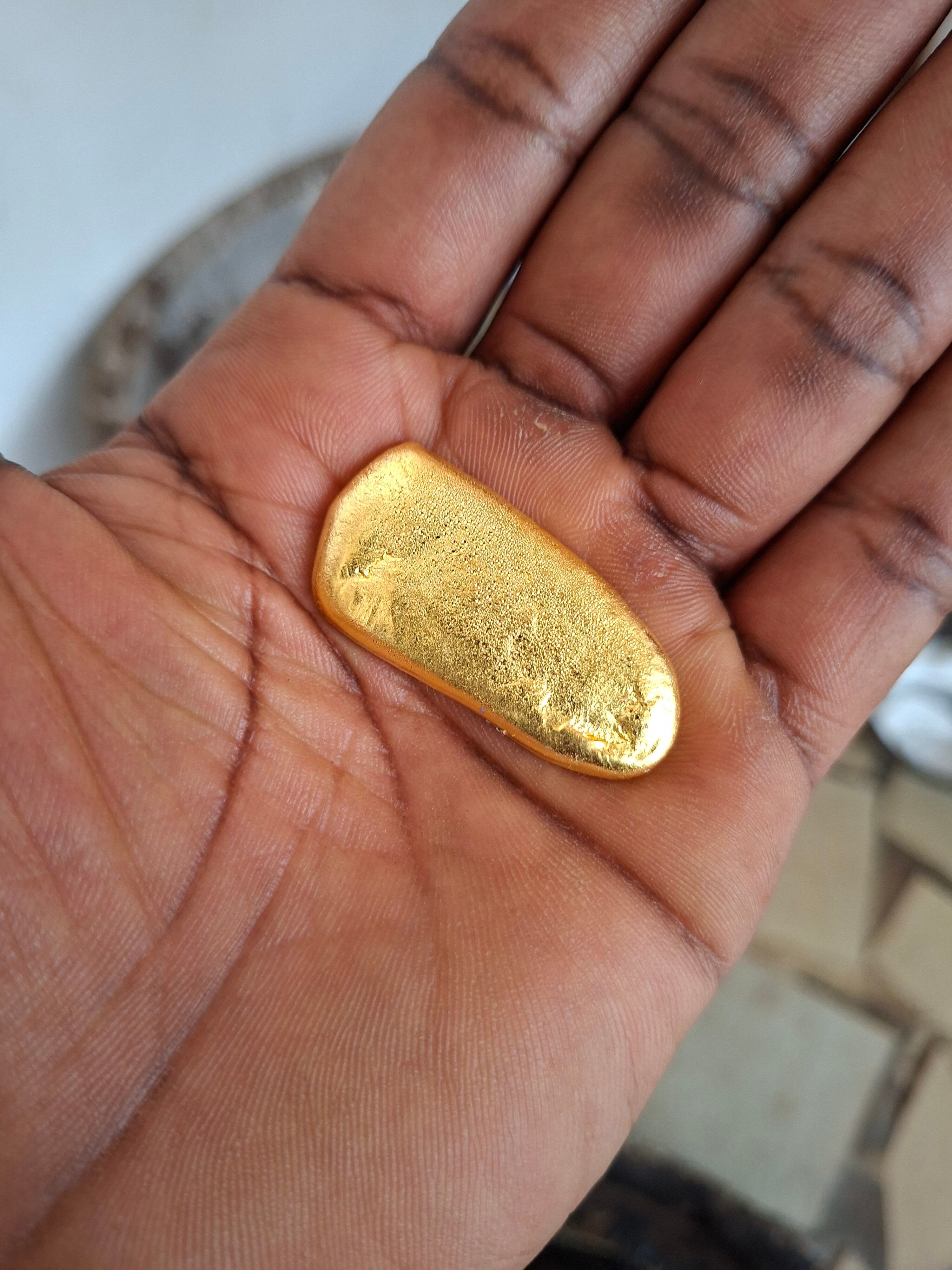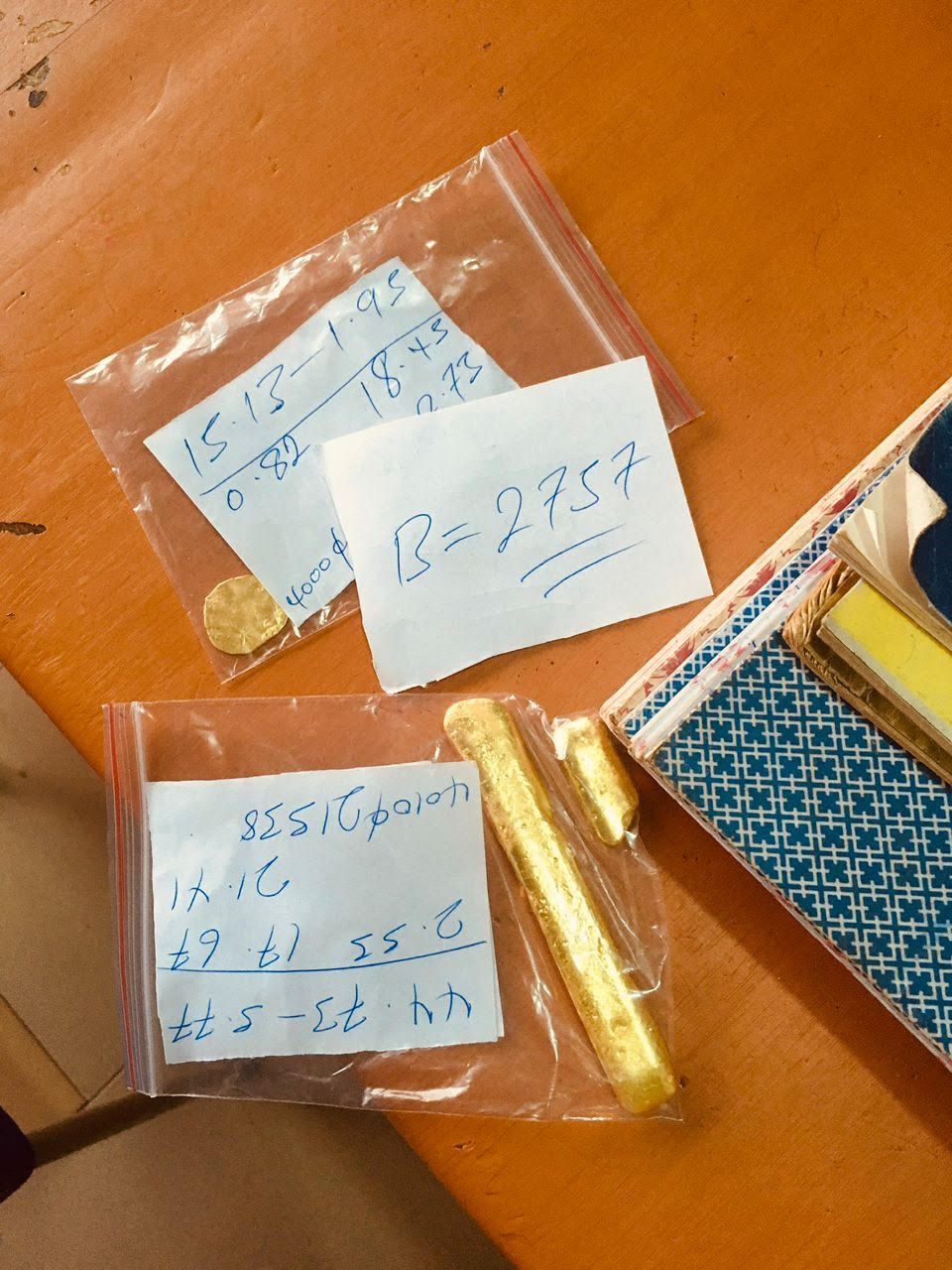

Gold prices are trading higher, driven by investors seeking safe-haven assets amid escalating geopolitical tensions and mixed economic signals. Here is a summary of the key factors influencing the market:
🛡️ The Driving Force: Escalating Conflict in the Middle East

The primary catalyst for gold’s rise is the widening war in the Middle East. Recent developments have significantly heightened investor anxiety:
- Military Escalation: The conflict between the U.S./Israel and Iran has intensified, with reports of a U.S. submarine sinking an Iranian warship and ongoing airstrikes . This has raised fears of a protracted regional war.
- Threats to Oil Supplies: Iran has issued warnings regarding the Strait of Hormuz, a critical passageway for global oil, which adds another layer of uncertainty and fuels inflation concerns .
- Investor Sentiment: This climate of fear is driving a “classic flight-to-safety response,” pushing investors toward gold to preserve wealth .
📈 Current Market Snapshot
The price movement reflects this demand, though it’s moderated by other forces. Here is a look at the latest figures:
- Spot Gold: As of March 5, 2026, spot gold was up by as much as 1.06%, trading around $5,173.12 per ounce .
- Recent Highs: This follows a volatile period where gold initially jumped above $5,400 at the start of the week before pulling back . The metal has still gained roughly 20% since the start of the year .
- Other Metals: The safe-haven demand has also lifted other precious metals, with silver climbing to around $84.50 and platinum making gains as well .
⚖️ The Tug-of-War: What’s Capping the Rally?
While geopolitical fears are pushing gold up, a classic market tug-of-war is underway. Two major headwinds are preventing a more dramatic surge:
- The Resilient U.S. Dollar: The U.S. dollar remains strong, recently hitting multi-month highs . Since gold is priced in dollars, a stronger greenback makes it more expensive for buyers using other currencies, which can dampen demand .
- Shifting Rate Cut Bets: The conflict has driven oil prices higher, reigniting inflation concerns . This has led traders to dial back expectations for Federal Reserve interest rate cuts in 2026. Higher interest rates or bond yields increase the “opportunity cost” of holding gold, which doesn’t pay interest, making it less attractive compared to yield-bearing assets .
🔮 Looking Ahead: A Market in Balance
Analysts suggest this creates an “unusual dynamic” where gold benefits from fear but suffers from the economic consequences of that same fear .
- The short-term outlook is highly sensitive to headlines from the Middle East and any signals from the Federal Reserve regarding monetary policy.
- The long-term case remains supported by structural factors like sustained buying from central banks and concerns over high government debt, which could provide a floor under prices .
This creates a complex environment where gold’s path of least resistance is up, but it faces significant technical hurdles.
I hope this overview helps you understand the current dynamics in the gold market. Are you more interested in the technical price levels or the potential long-term implications of central bank buying?