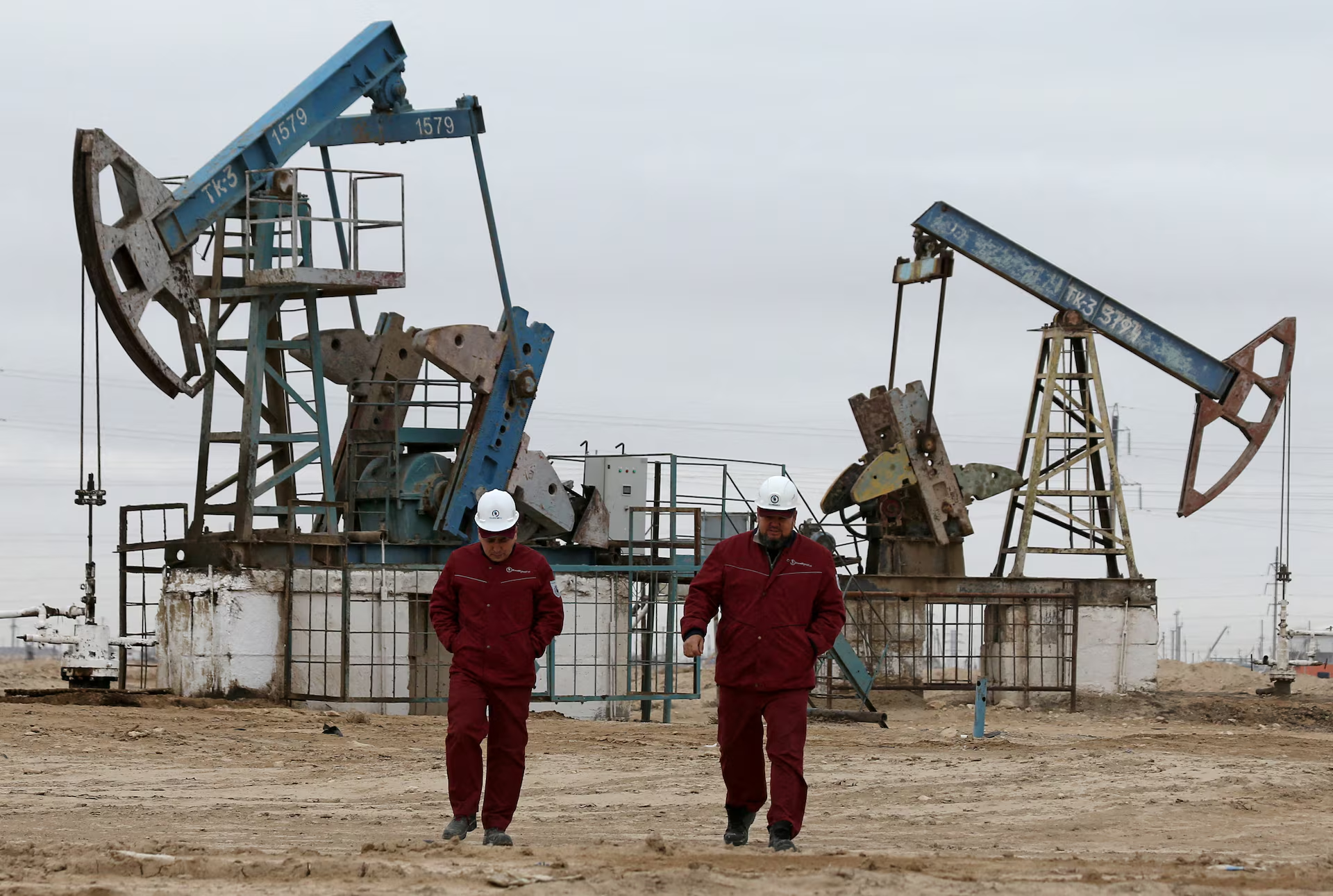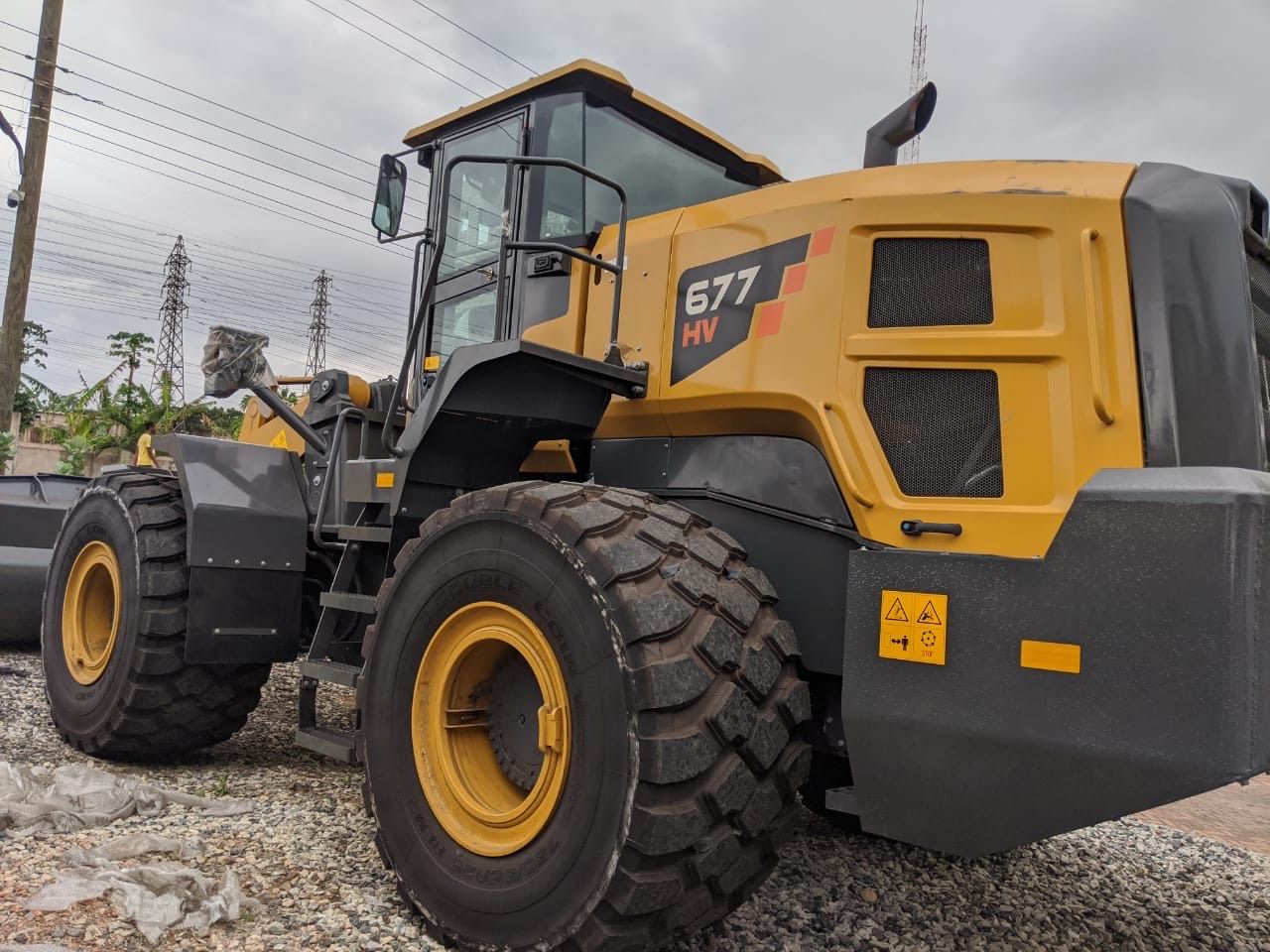

Heavy machinery markets in Asia and Africa are developing the quickest in the globe. This opens up many export prospects in areas like building infrastructure, mining, energy projects, and expanding logistics. To do well in these fast-changing markets, you need to use strategic approaches that include equipment specifications that are right for the job, full dealer and service coverage, new financing options, and careful localization plans that take into account the specific needs and conditions of each region.
Main keyword: heavy machinery export prospects. Second, the markets for heavy equipment in Asia and Africa and the networks of dealers.


Introduction — The Market and the Industry Context
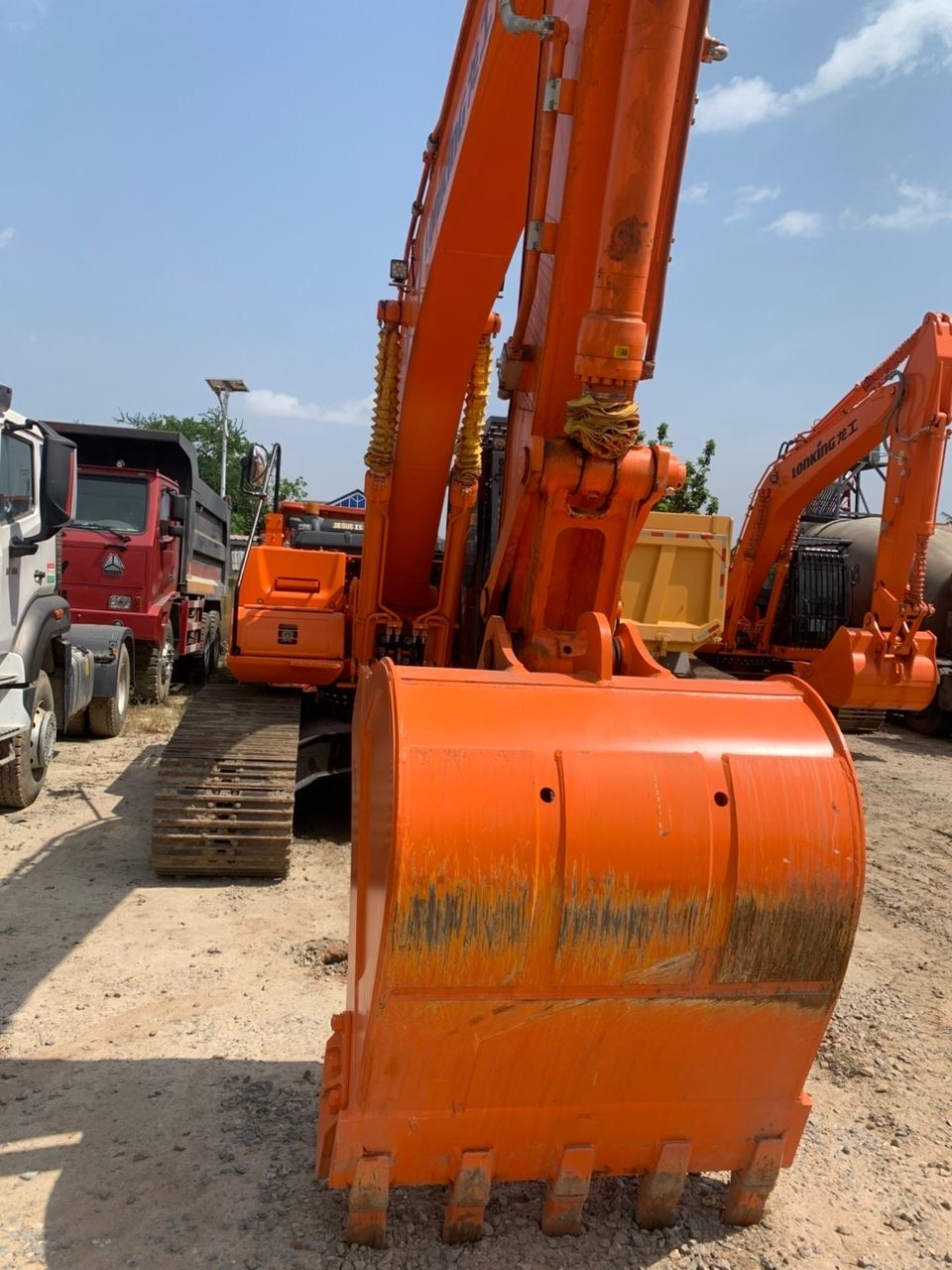
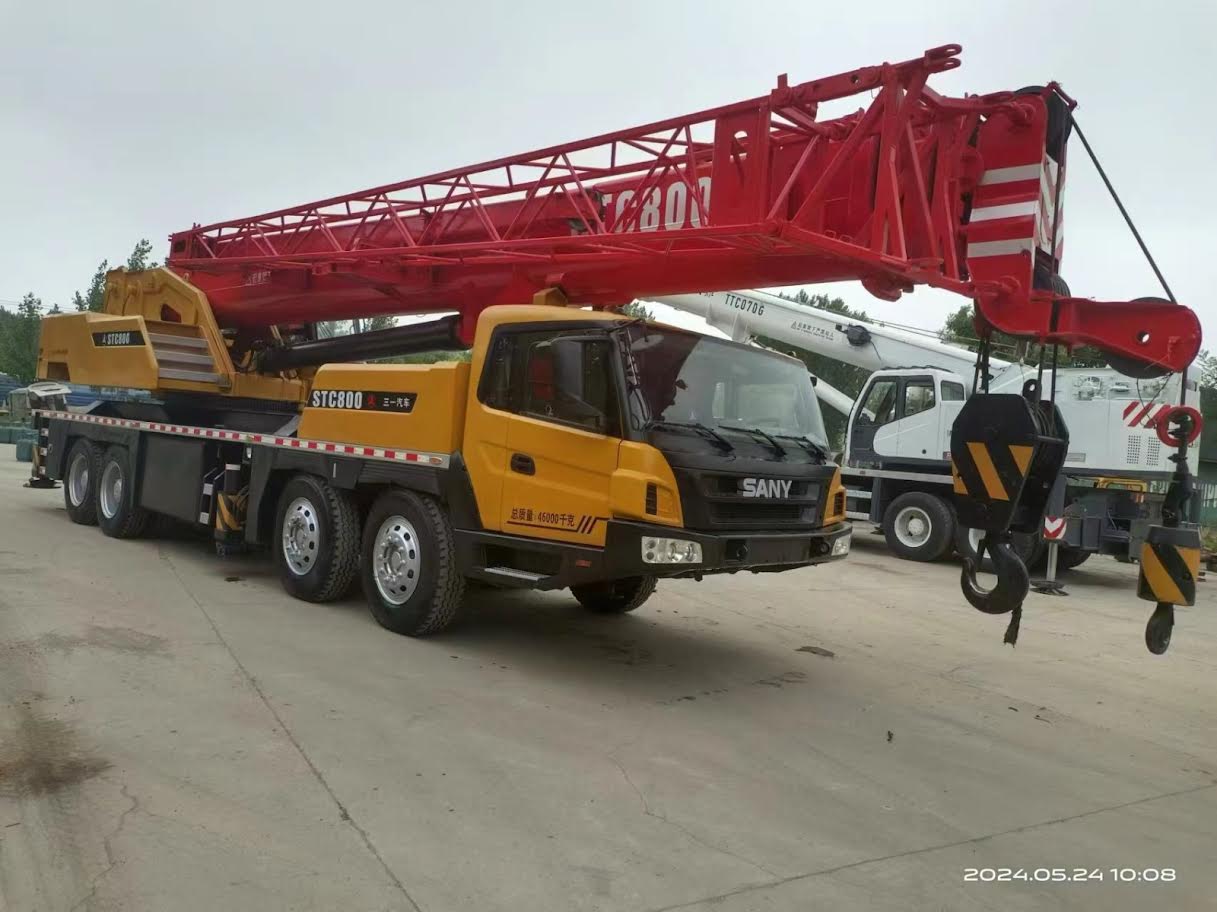
Rapid urbanization, industrialization, and huge investments in infrastructure are all driving unprecedented growth in the heavy machinery export market in Asia and Africa. This creates a steady demand for construction, mining, and agricultural equipment. Together, these areas account for more than 60% of all infrastructure investment in the world. Each year, more than $2 trillion is spent on transportation, energy, water, and telecommunications projects. As more people move to cities on both continents, there is a huge need for construction equipment. By 2030, Asia’s urban population is forecast to grow by 1.2 billion people, and by 2050, Africa’s urban population is expected to double. This growth in cities increases the need for excavators, bulldozers, cranes, and other specialized construction tools needed for housing, business development, and urban infrastructure projects.
For industrial development projects like manufacturing zones, processing facilities, and logistics hubs, they need a wide range of equipment options, from material handling systems to specialized production equipment. Government-led industrialization plans in places like India, Vietnam, Ethiopia, and Nigeria are making it easier for international suppliers to enter the market and creating structured demand for heavy gear.
Mining and quarrying equipment is in high demand because of resource extraction operations on both continents. Asia and Africa together make up more than 70% of the world’s mineral production. Big mining projects in places like Indonesia, India, Ghana, and the Democratic Republic of Congo need high-tech equipment and long-term contracts for suppliers who can supply full support services.Exporters that can offer quality equipment along with full after-sales service, creative financing options, and knowledge of the local market have an advantage in the competitive landscape. To be successful, you need to know that selling equipment is really a service business, and that uptime, parts availability, and technical assistance are often more important than the initial price in getting and keeping clients.
Market leaders get a bigger share of the market by creating value propositions that include the whole life cycle of the equipment, from finance to training to maintenance to parts supply. These all-encompassing strategies provide you an edge over your competitors and help you form long-term relationships with customers that lead to repeat business and chances to grow your market.
Combining export plans with creating strong dealer networks gives you long-term competitive advantages and the local presence and experience you need to succeed in a wide range of markets that are tough to break into. A market heatmap with infrastructure spending and equipment types by country cluster is a good idea for a visual.
aftersale crm