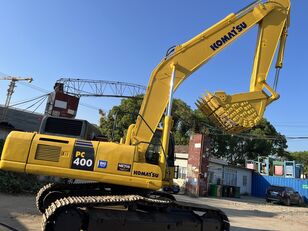

Purchasing heavy machinery from China can be a wise strategic decision to gain access to cutting-edge production and competitive prices, but navigating the complications takes careful planning. Finding trustworthy suppliers, comprehending intricate rules, and controlling logistics and payment risks are all part of the process.
To assist you with the process, below is a step-by-step tutorial.
Step 1: Identify Your Requirements and Develop a Sourcing Plan
Make sure you know exactly what you need before reaching out to any suppliers.
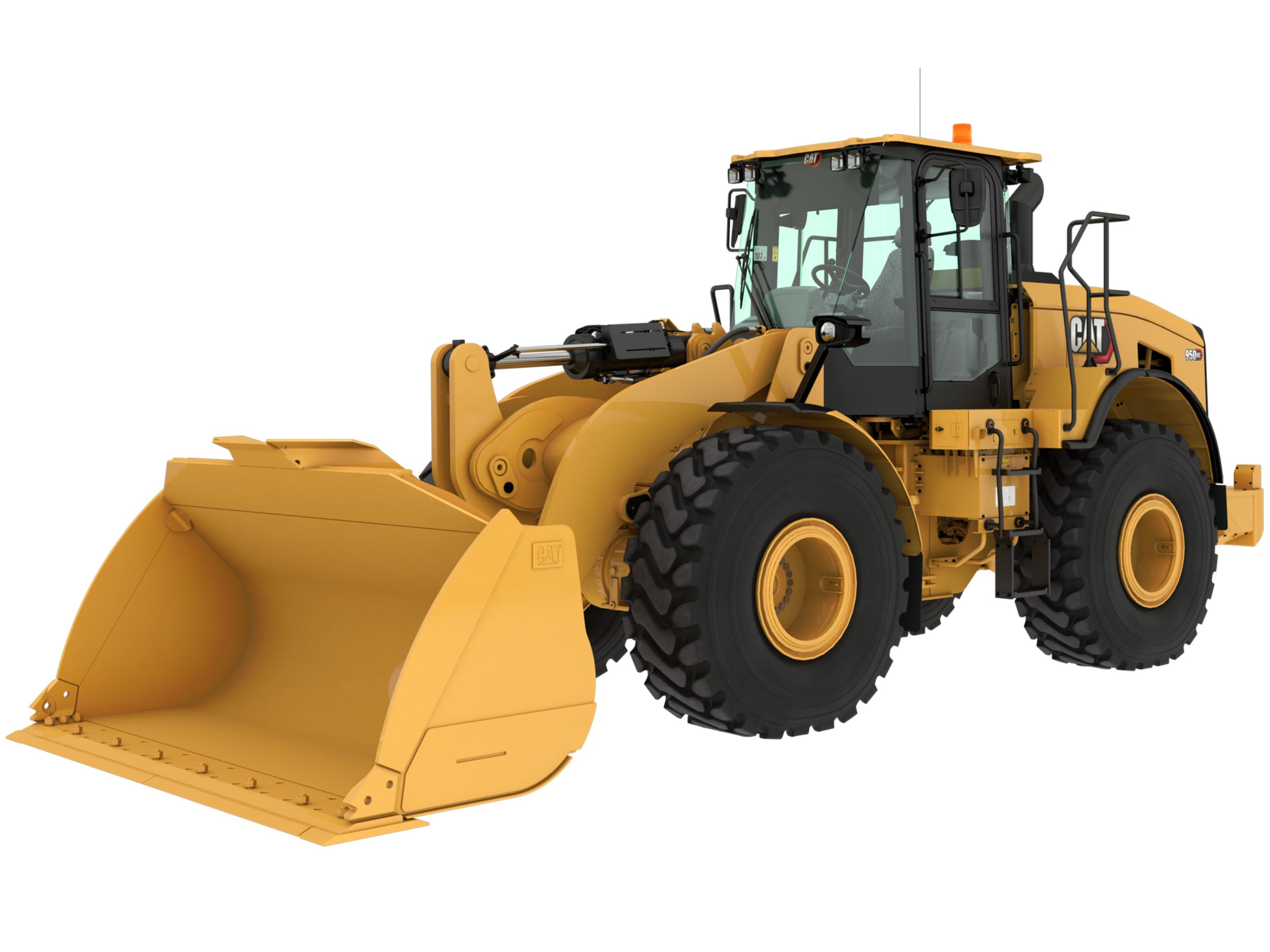
Specifications: Ascertain the precise kind of equipment (such as a wheel loader or excavator), its size, engine type, and technical requirements. The machinery’s internal components, electrical needs (voltage), software, and physical dimensions are important factors to take into account because they will affect the equipment’s suitability for your duties as well as your shipping expenses.
Budget: Create a reasonable spending plan that accounts for import duties, shipping, insurance, and possible customization expenses in addition to the purchase price.
Choose between new and used equipment since the import laws for used machinery are more stringent.
Step 2: Locate and Assess Providers
China has a number of specialized regional industrial centers. For instance, Jiangsu is renowned for cutting-edge machinery, Shandong for mining equipment and cranes, and Fujian for loaders and excavators. Online B2B marketplaces like Alibaba can help you locate suppliers, but careful verification is essential.
Look past the brochure when assessing a supplier. The following standards ought to be part of a thorough assessment:
Evaluation Standards: What to Look for and Why It Matters
Management of QualityEPA/Stage emissions compliance, ISO 9001, and CE certificationmakes ensuring that global safety, quality, and environmental standards are followed.
Capacity for ProductionSize of the factory, degree of automation, and internal engineering teamsshows the capacity to grow output while maintaining a constant level of quality.
Performance of DeliveryDelivery rate on schedule (>98% is strong)demonstrates dependability and maturity in logistics.
Retention of Clientshigh rate of reorders (>50% is strong)a crucial measure of both product dependability and customer satisfaction.
Being receptiveAverage response time (less than two hours is great)implies a dedication to service and organizational discipline.
Take into account these best procedures to confirm a supplier’s claims:
Check Business Licenses: Use China’s National Enterprise Credit Information System (http://www.gsxt.gov.cn) to confirm their legal status.
Request References: Get in touch with previous foreign clients.
Conduct Audits: Set up a virtual tour or hire a third-party organization like SGS or Bureau Veritas to conduct a factory audit.
Examine Documentation: Examine test results and certifications of compliance.

⚖️ Step 3: Recognize Compliance with Laws and Regulations
Strict regulations apply to the importation of machinery into China. Products are divided into three categories by the state: restricted import, free import, and prohibited import. Chinese regulations pertaining to environmental protection, cleanliness, and safety must be met by your equipment.
General Machinery: Prior to customs clearance, you might need to obtain an Automatic Import License from the Ministry of Commerce (MOFCOM) for the majority of new machinery that is covered under “free import.”
Pressure vessels, passenger ropeways, and hoisting machinery are examples of special equipment. Certain documents, such a Special Equipment Type Test Certificate or a Special Equipment Manufacturing License, are needed to import items, and customs must verify them online.
Used Equipment: It is more difficult to import used equipment. A lot of secondhand electromechanical products are forbidden. Pre-shipment inspections and an import license may be required for approved old machinery.
Step 4: Manage Payment and Negotiate Contracts
Your main instrument for reducing risk is a well-written contract. Important clauses to incorporate are:
Quality Standards: Attach inspection procedures and specify all technical details. To prevent confusion, consult international standards (ISO, CE).
Payment Terms: To safeguard yourself, use staggered payments. 30% deposit, 60% upon shipment, and 10% after final inspection is a typical arrangement. An additional degree of security can be added by using an escrow service or a Letter of Credit (L/C).
Dispute Resolution: Establish a precise procedure for settling disagreements. One popular and effective way for cross-border trade is arbitration through organizations like the China International Economic and Trade Arbitration Commission (CIETAC).
Step 5: Manage Logistics and Quality Control
Check the equipment’s quality before it arrives.
Pre-Shipment Inspection: Before the equipment is sent, have a third-party organization (such as SGS) inspect the supplier’s factory. Dimensional accuracy, weld integrity, hydraulic performance, and general contract compliance should all be covered.
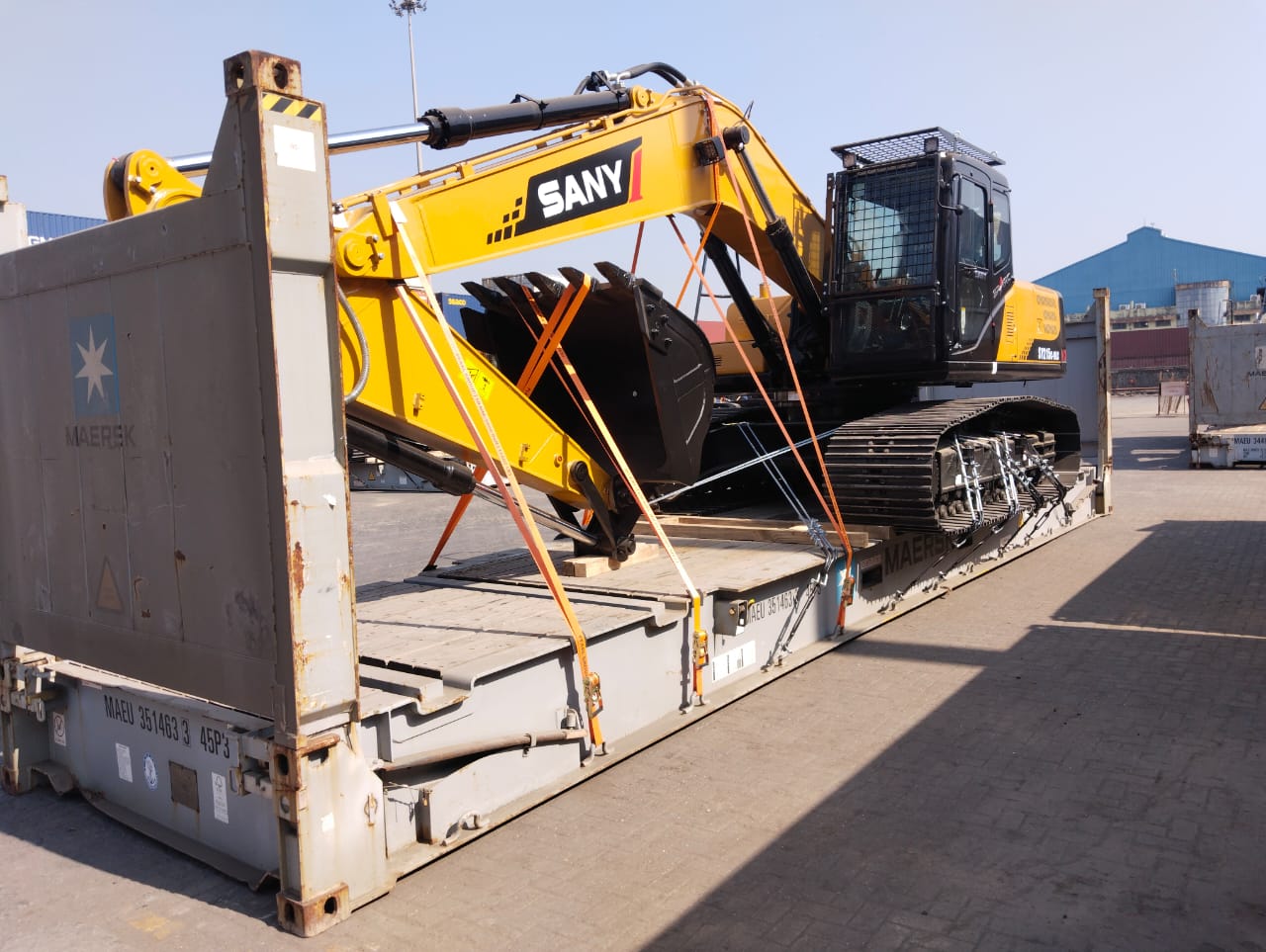
Logistics and Shipping: Carefully plan your logistics. Depending on the destination, sea freight can add an additional 20 to 40 days to the typical production lead time of 30 to 45 days. To specify who is in charge of shipping, insurance, and expenses at every stage, use Incoterms such as CIF (Cost, Insurance, and Freight).
Documentation: To prevent delays at customs, make sure all documentation, such as the bill of lading, commercial invoice, packing list, and certifications of origin, is correct.
Step 6: Make Post-Delivery Plans
The procedure doesn’t end when the equipment arrives.
Customs Clearance: Using the import permits you acquired, your freight forwarder or customs broker will take care of this.
Final Testing: Perform operational testing to ensure the machinery operates as agreed upon before paying the final payment. After delivery, machinery might also need to be recalibrated.
Although sourcing heavy machinery from China is a complex process, you may create a robust supply plan by following these steps.
Do you have a certain kind of equipment in mind, such a wheel loader or an excavator? Knowing this could enable me to offer more focused supplier or regulatory information.