
Ghana’s gold mining sector is currently undergoing a significant transformation, presenting a landscape of substantial opportunities alongside considerable risks for investors. The government is implementing major reforms to capture more value from its gold resources, which is reshaping the investment climate .
Here is a quick overview of the current state of play:
- Record Production & Exports: Gold export earnings hit a record $20.9 billion in 2025, solidifying its position as Ghana’s top export . GoldBod, the state regulator, exported 100 tonnes of gold in its first year .
- Major Regulatory Shift: The government proposes to nearly double royalty rates to 9-12% and reduce stability agreements from 15 years to just 5 years, aiming for a larger share of revenue .
- Increased State Control: The Ghana Gold Board (GoldBod) is formalizing the artisanal sector, which produced a record 3.1 million ounces in 2025 . The government is also pushing for greater local ownership, as seen in the Damang mine case .
- Formalization Efforts: A $1 billion deal was secured to support 300 responsible small-scale mining operations, and a push for domestic gold refining is underway to increase local value addition .
🏛️ Understanding the New Regulatory Landscape
The Ghanaian government is driving a nationalist agenda to ensure its mineral wealth translates into broader economic benefits. This shift is critical for any potential investor to understand.
- Fiscal Regime Changes: The most impactful change is the proposed increase in mineral royalties. The current rate of 3-5% is set to jump to a sliding scale of 9-12%, indexed to the global gold price. For example, the rate would hit 12% if gold reaches $4,500 per ounce . This is coupled with a plan to abolish long-term stability agreements (which previously locked in fiscal terms for up to 15 years) and replace them with a maximum 5-year term .
- Strengthened State Oversight: The Ghana Gold Board (GoldBod) is now the sole buyer of gold from artisanal and small-scale miners and is investing in exploration to formalize the sector . For large-scale mines, the government has launched a comprehensive audit to verify royalty and tax payments and is introducing a stricter royalty regime .
- Push for Localization: The government is actively seeking to increase local ownership in mining assets. A prime example is the rejection of Gold Fields’ lease renewal for the Damang mine and the ongoing assessment of three local bids to take over and revive the operation, which requires up to $1 billion in new investment .
💡 Potential Investment Pathways
Depending on your investor profile, there are several ways to approach the Ghanaian gold market.
🤔 Key Risks and Considerations
Investing in Ghana’s gold sector requires a clear-eyed view of the challenges.
- Regulatory and Fiscal Risk: The most immediate risk is the sharp increase in production costs due to higher royalties. When combined with the existing 35% corporate income tax, this could squeeze profit margins and potentially deter new investment in marginal projects . The removal of long-term stability agreements also introduces uncertainty for long-term capital planning .
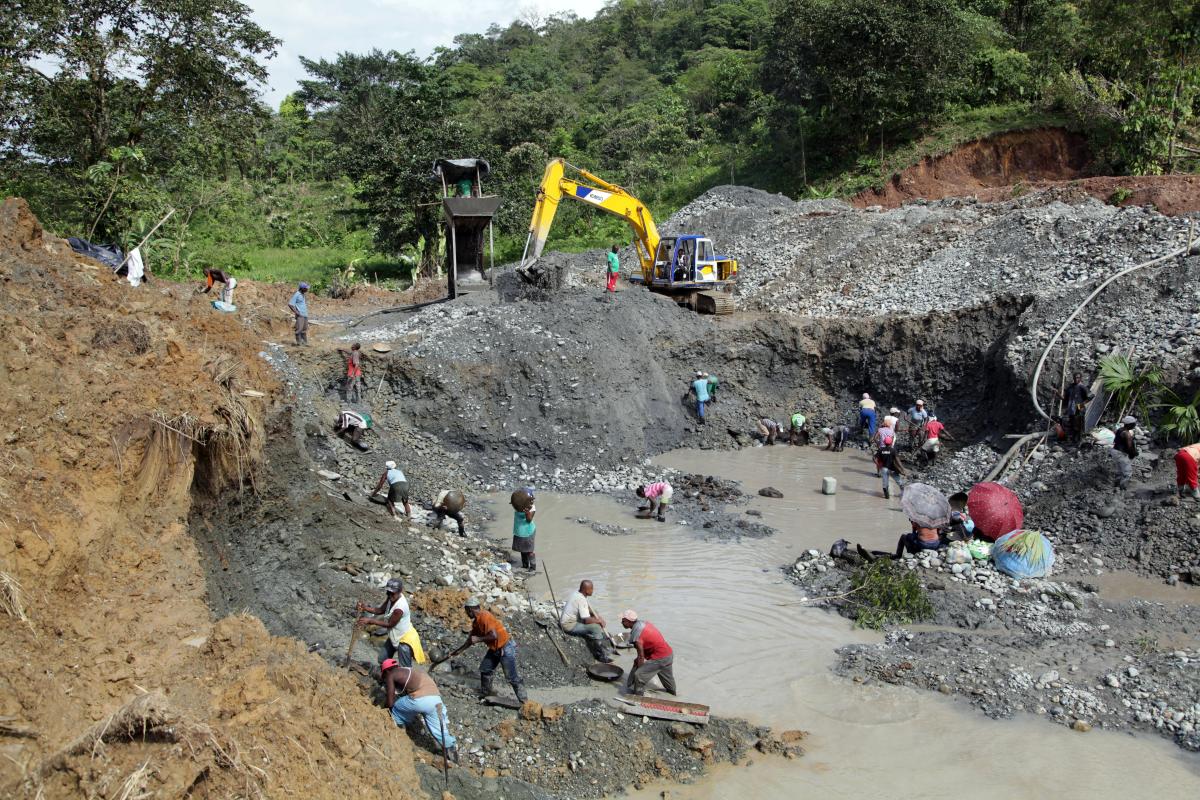
- Operational and Social Risks: The issue of illegal mining (known locally as galamsey) persists, leading to environmental damage, security incidents (such as the clash at AngloGold Ashanti’s Obuasi mine), and community tensions . Any investor must have robust community engagement and environmental, social, and governance (ESG) strategies in place .
- Enforcement and Policy Consistency: While the government, through the Ministry of Lands and Natural Resources, assures investors of a “predictable legal and political environment” , recent actions like the Damang seizure and the aggressive royalty hikes signal a more interventionist approach. Investors must closely monitor whether the final laws balance increased state revenue with maintaining a globally competitive investment climate .
In conclusion, Ghana offers a compelling, high-potential gold market, but the rules of the game are changing. Success will depend on partnering strategically, conducting deep due diligence, and building operations that align with the government’s goals for national value capture and sustainable development.
I hope this overview provides a solid foundation for your investment research. What specific aspect of the Ghanaian gold market are you most interested in exploring further? For instance, would you like a deeper look into the proposed royalty legislation or the financial performance of the major companies operating there?