
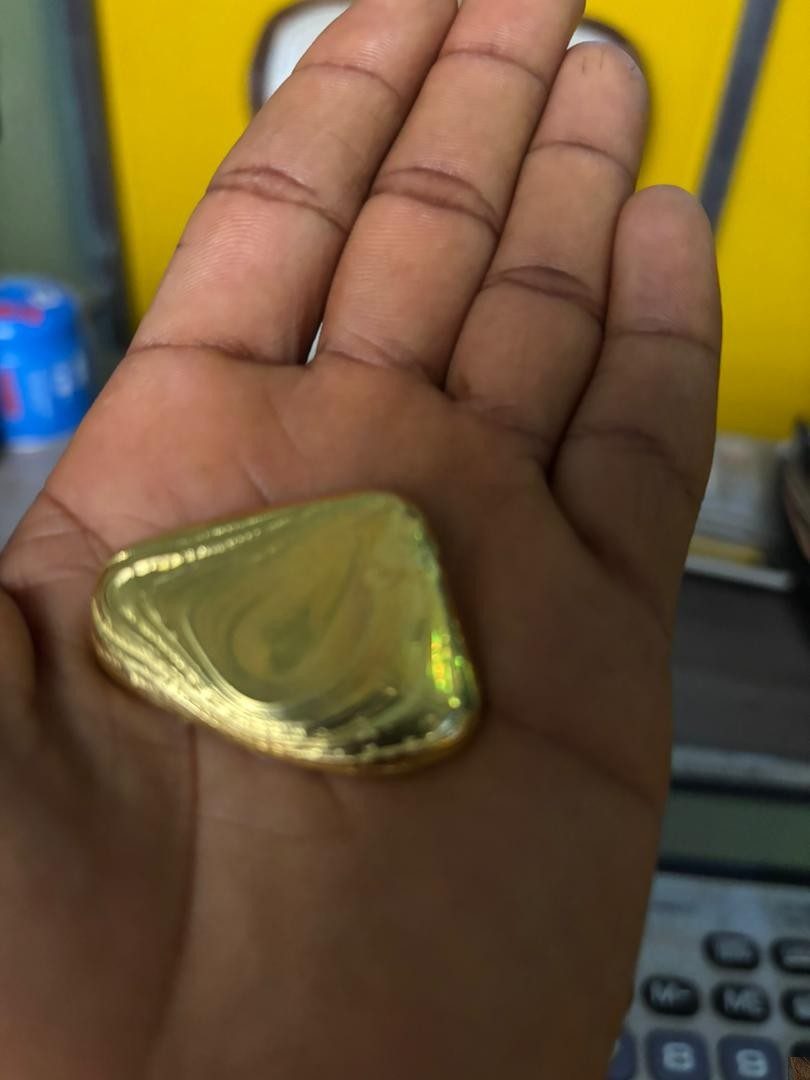
The raw export paradigm of investing in gold refineries in Africa is giving way to in-country beneficiation. Countries such as Ghana are requiring local refining in order to preserve economic value, which opens up a lot of potential for investment in value-added services and processing infrastructure.
LinkedIn +3 Leading Investment Hubs (2026)
Ghana: Africa’s leading producer of gold at the moment. The Ghana Gold Board (GoldBod) has offered to collaborate with and provide gold to refineries that exhibit a clear path to LBMA accreditation, and the government has extended an invitation to investors to build refineries that satisfy international standards.
Tanzania: With new initiatives like the Imwelo Gold Project moving closer to production, the country was recognized as a leader in the increase of gold resources in 2026.
Nigeria and Mali are establishing themselves as important growing markets for refinery investment by requiring local refining in order to abandon the “extract and export” approach.
The Rand Refinery, the only LBMA-certified refinery in Africa at the moment, is located in South Africa. In contrast to West Africa, which has a great potential for growth, this market is still steady yet established.
Ghana Gold Board +4 Key Investment Prospects Ghana Gold Board
Establishing high-capacity facilities to get into the market for large-scale mining, which presently ships the majority of gold for refinement abroad, is known as industrial-scale refining.
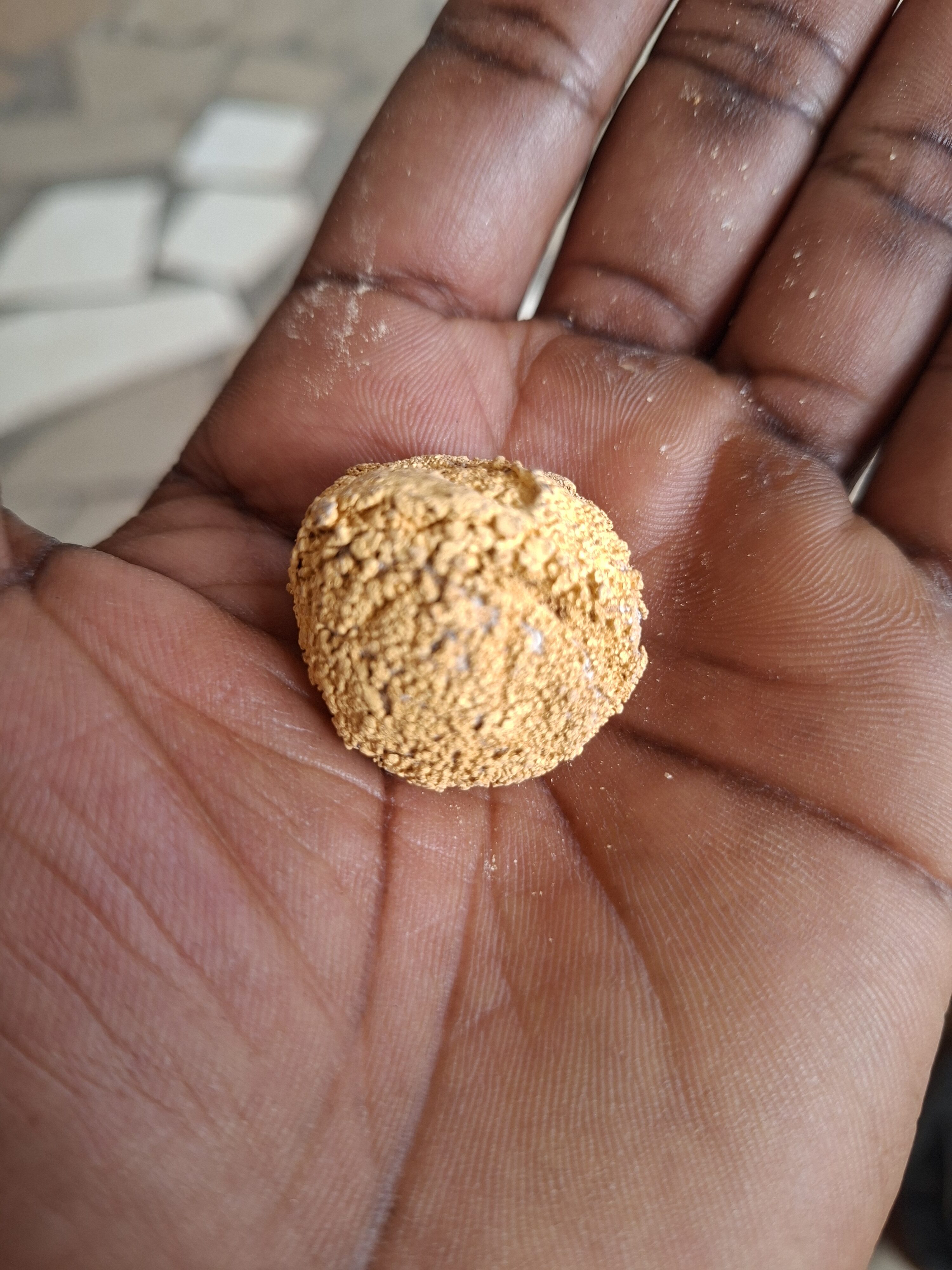
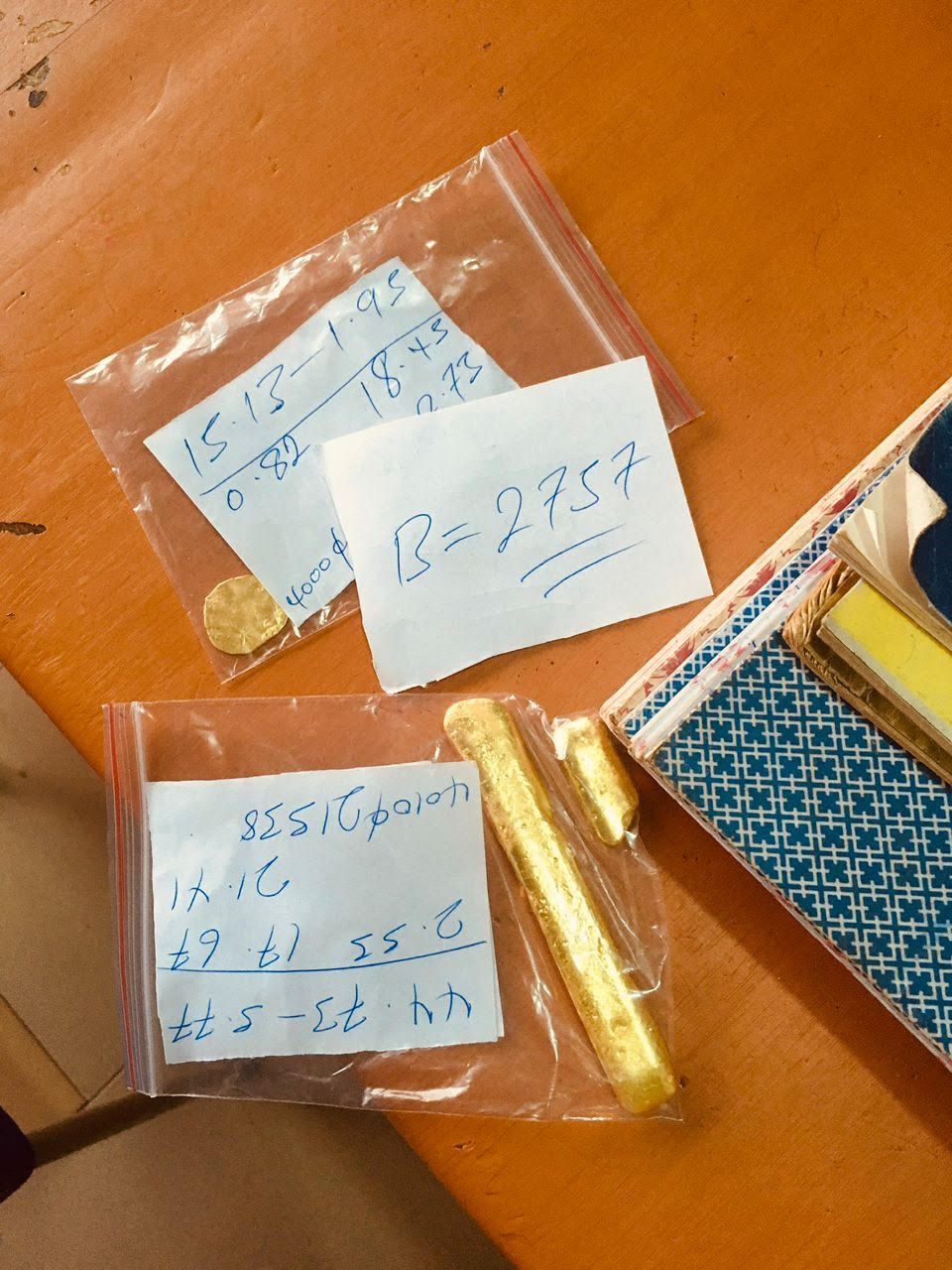
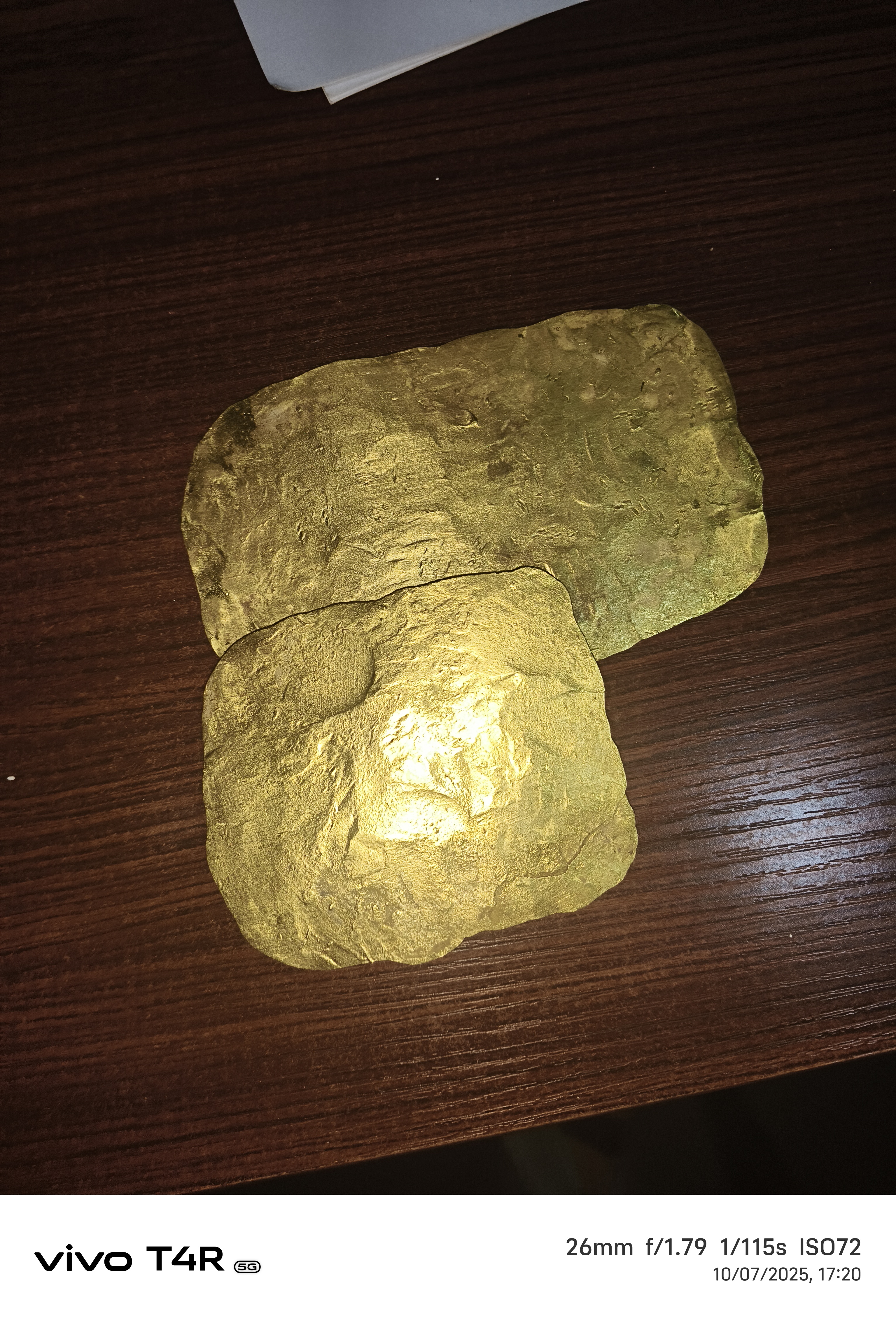
ASM Sourcing & Aggregation: Gold from the artisanal and small-scale mining (ASM) industry is purchased and refined for export by licensed “Self-Financing Aggregators” like Sewia Mining.
Value-Added Manufacturing: Producing coins, jewelry, and industrial gold items locally in order to increase profit margins over pure refining.
Assaying Services: Offering accredited laboratory testing (fire assay) to guarantee purity requirements for global commerce.
Facebook +6 Facebook
Important Operational and Regulatory Needs
The Ghana Gold Board Act (ACT 1140), 2025, mandates that all refineries in Ghana obtain a license.
Accreditation: Refineries must eventually obtain accreditation from organizations such as the Dubai Multi Commodities Centre (DMCC) or the London Bullion Market Association (LBMA) in order to sell gold at full value on international exchanges.
Capital Requirements: While industrial phases can range from $7.5M to $25M+, small-to-medium scale refinery setups (like those in Uganda) can begin with budgets of about $200,000.
Facebook Facebook +4
Do you require a thorough explanation of the licensing procedure, or would you prefer to concentrate on a particular nation, such as Ghana or Uganda?