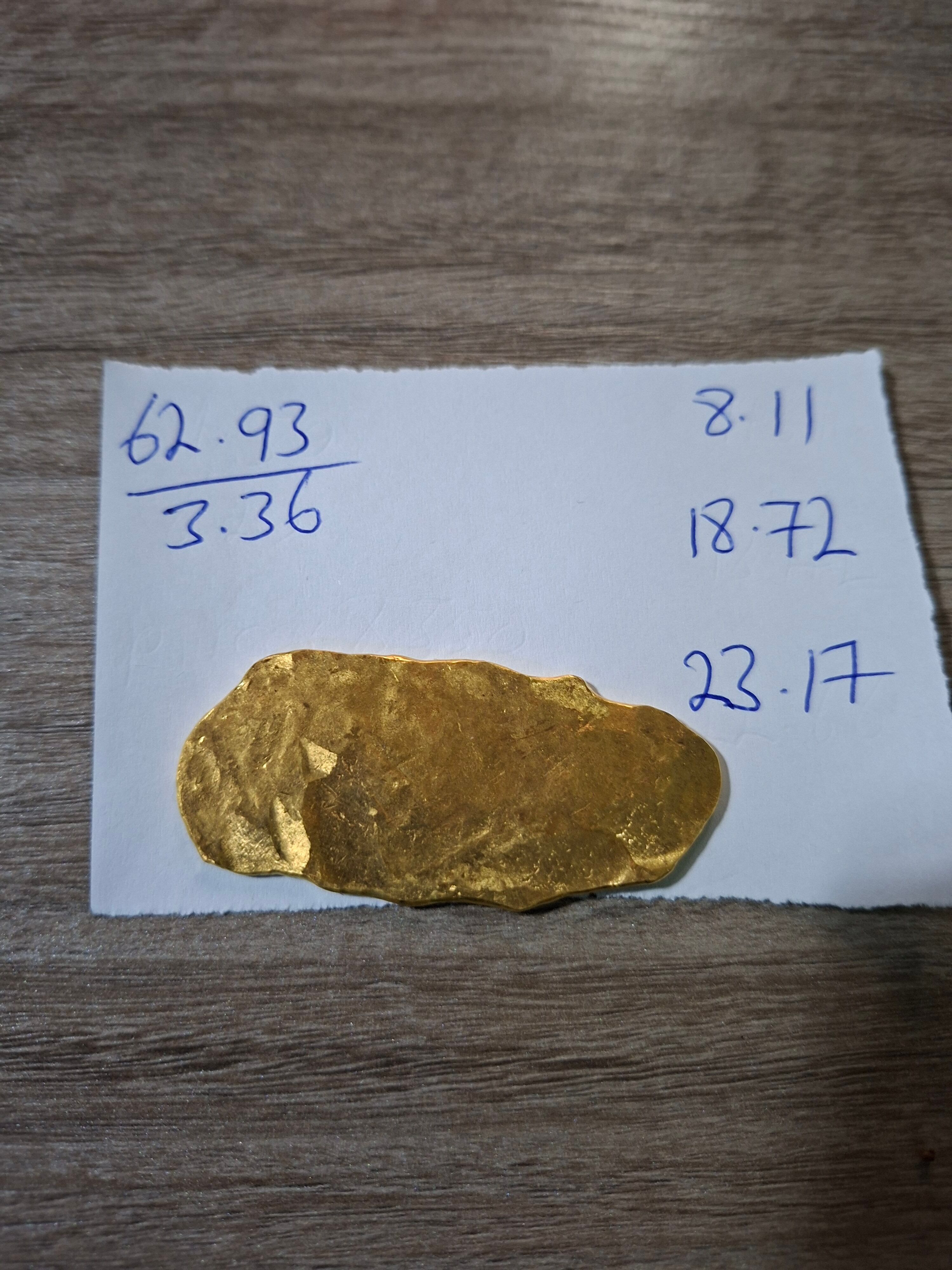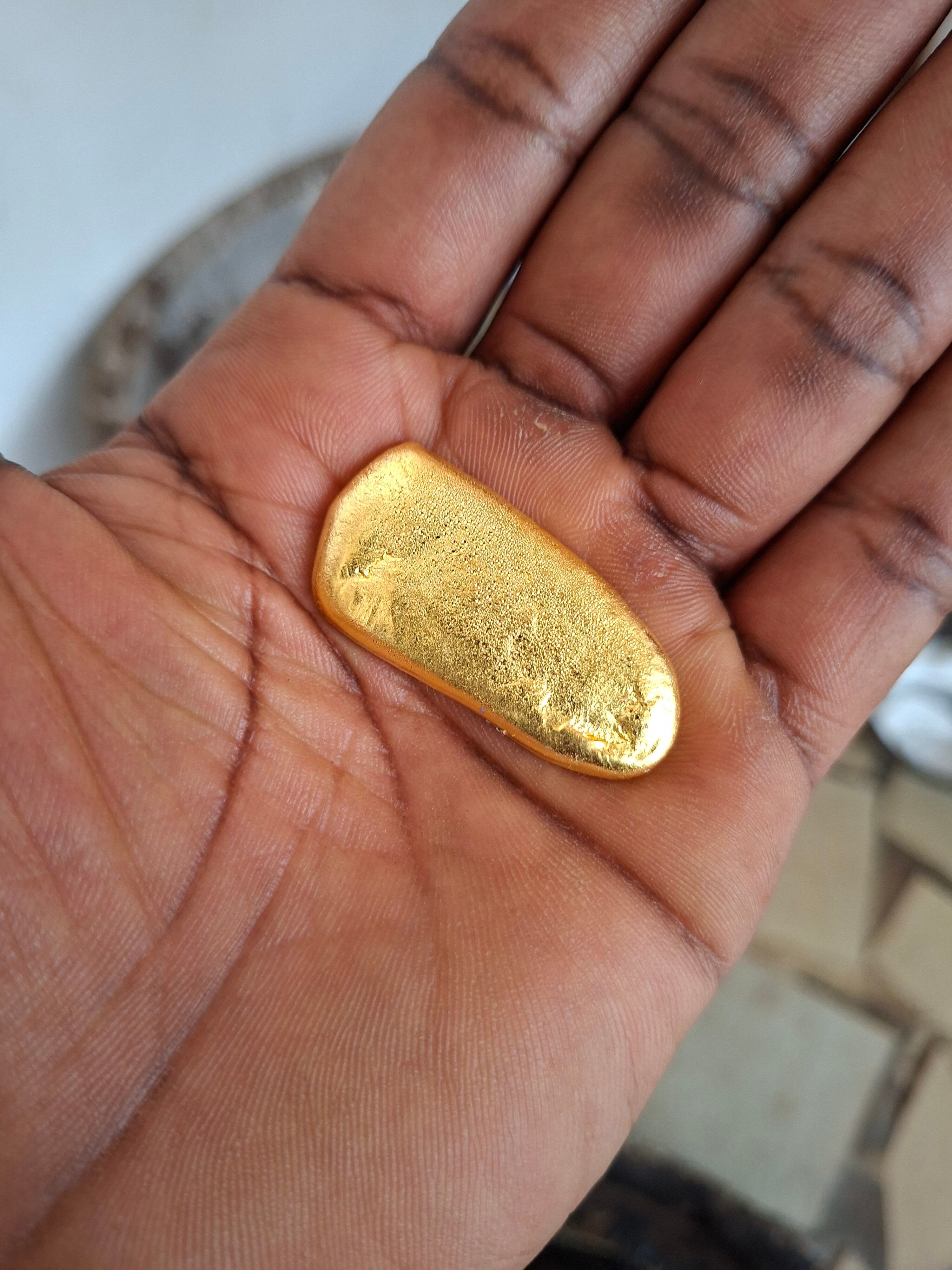

Given India’s historically high demand for gold, it is relatively unusual for gold to be trading at a discount to both domestic and international benchmarks. For the first time in almost a month, this is being reported.
In contrast to premiums (about +$70) just one week prior, Indian dealers last week offered discounts of up to nearly $12 per ounce.
Customers are becoming cautious as a result of the high prices on the local market (including import customs and taxes) — around ₹154,000 per 10 g.
Retail demand has remained sluggish, with jewelry purchasers hesitant at present pricing despite decreased production costs and dealer discounts.
📉 The Reason Behind the Discounts
- Volatility of Global Prices
Physical purchases in India are being cooled by erratic and unpredictable bullion markets, which are influenced by fluctuations in the price of gold globally. Instead of making high-level purchases, investors and consumers are choosing to wait and see. - Exorbitant domestic costs
Typical customers, such as retail jewelry shoppers and occasion buyers, have been deterred by record-high local prices brought on by import costs, tariffs, and worldwide price strength. Discounts are being offered by dealers in an effort to boost sales. - Changing Demand Trends in Relation to China
Ahead of the Lunar New Year, China’s gold market has remained strong, with premiums in certain areas, despite the muted physical demand in India. Different regional demand patterns are highlighted by this disparity.
Expanded Market Background
Even when physical buying slows down, demand in gold ETFs and digital goods is probably still high since gold frequently draws investors as a safe haven during times of increased financial uncertainty or volatility. Recently, there has been a spike in related flows into gold ETFs.
Even while worldwide price movement is still robust, the discount indicates poor physical market demand, demonstrating how local consumer behavior can diverge from headline bullion price trends.