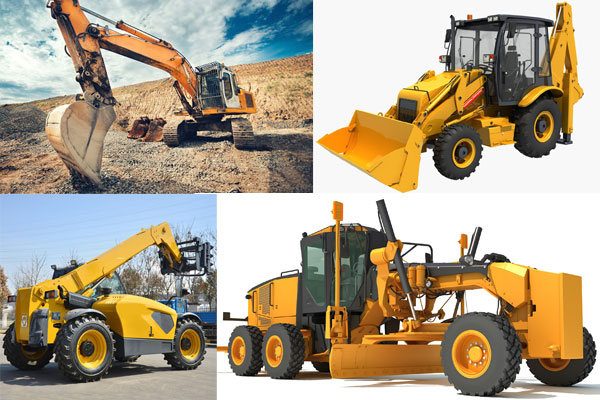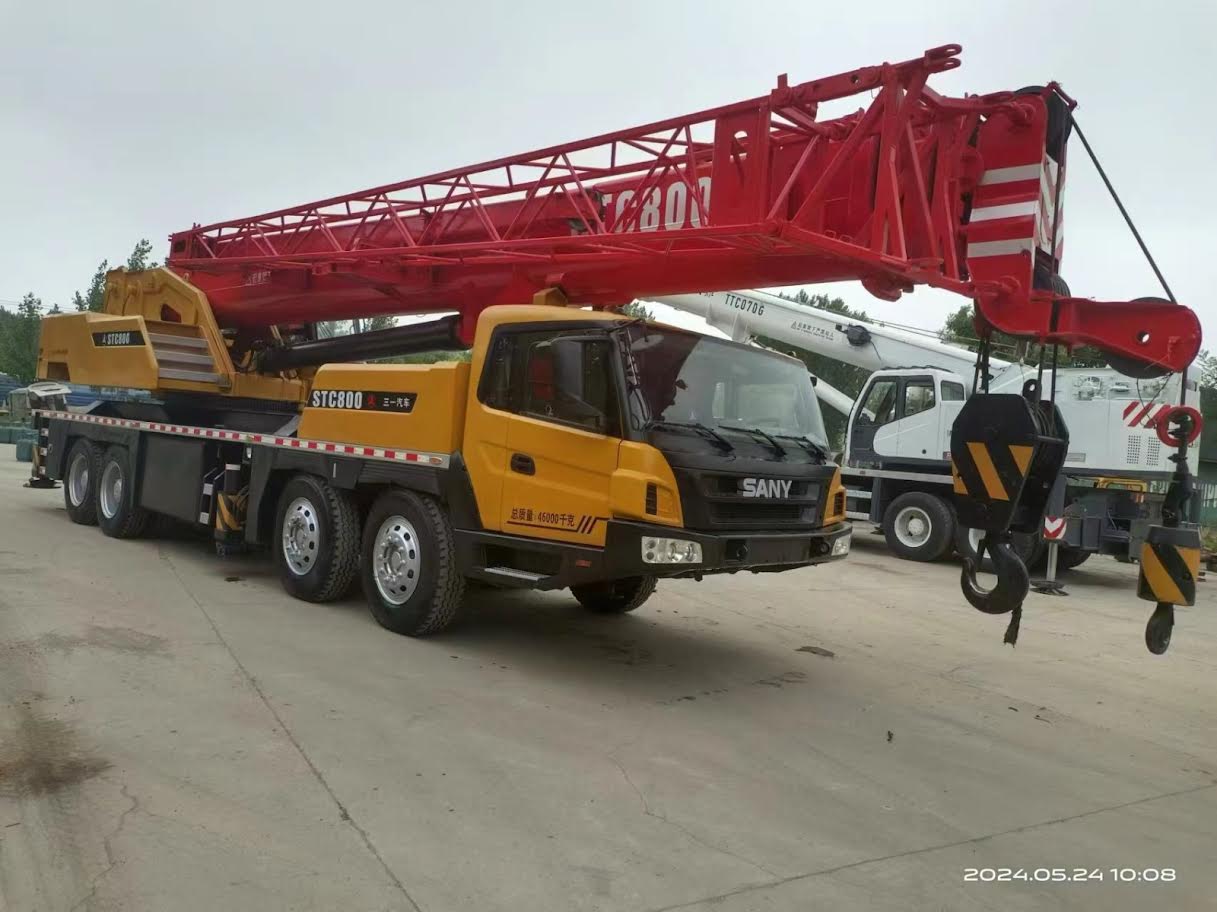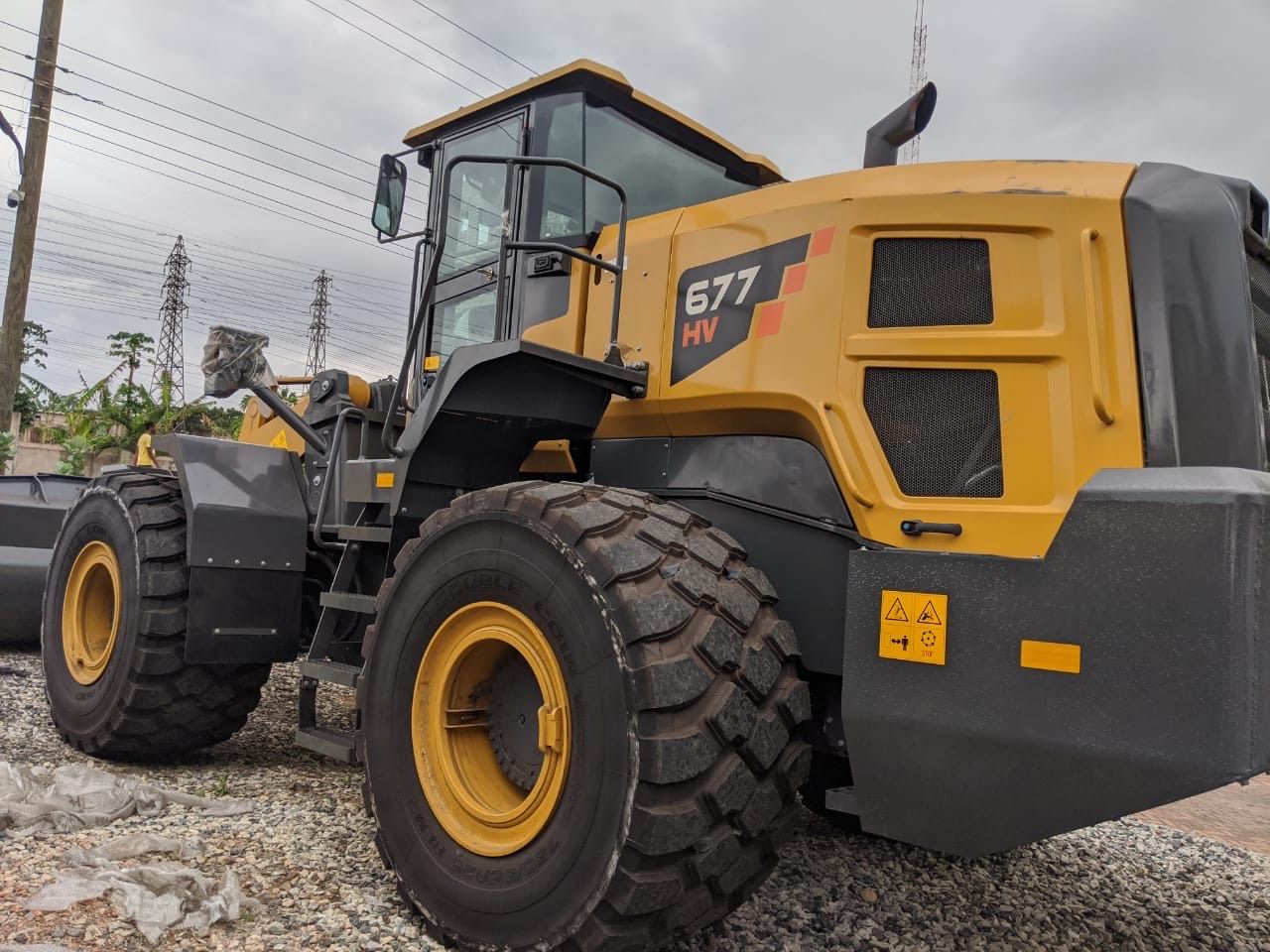

Strong economic linkages and significant bilateral commerce of over $100 billion are driving Indian corporations to actively invest in Africa’s heavy equipment sector through mergers and acquisitions (M&A). Securing resources and capitalizing on Africa’s quickly expanding infrastructure industry are the goals of this calculated move.
Important Industries for Indian M&A in Africa
The following African industries provide substantial M&A prospects related to heavy machinery to businesses thinking about pursuing this corridor:
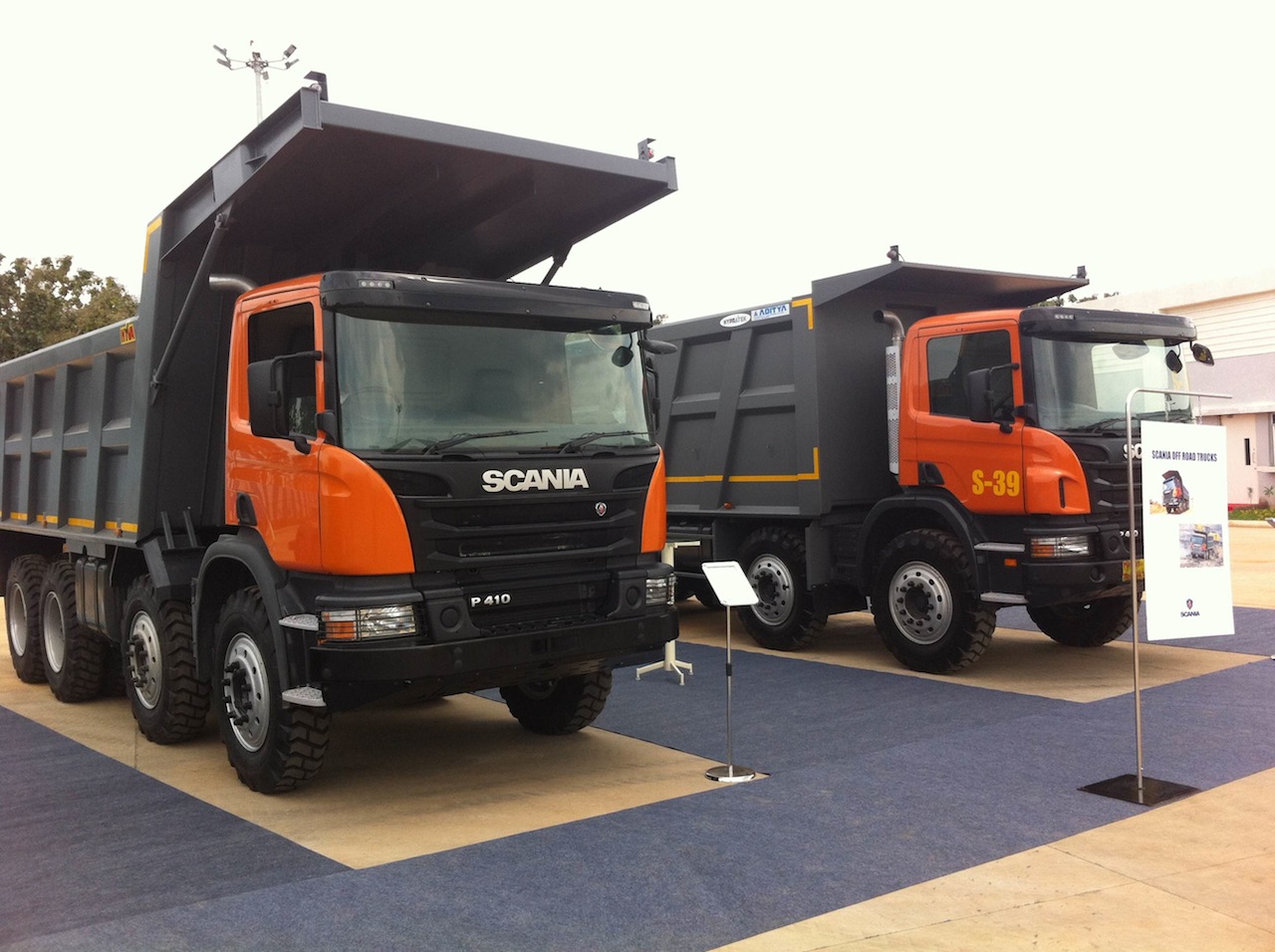
Large-scale urbanization and the need for continental development are driving infrastructure and construction.
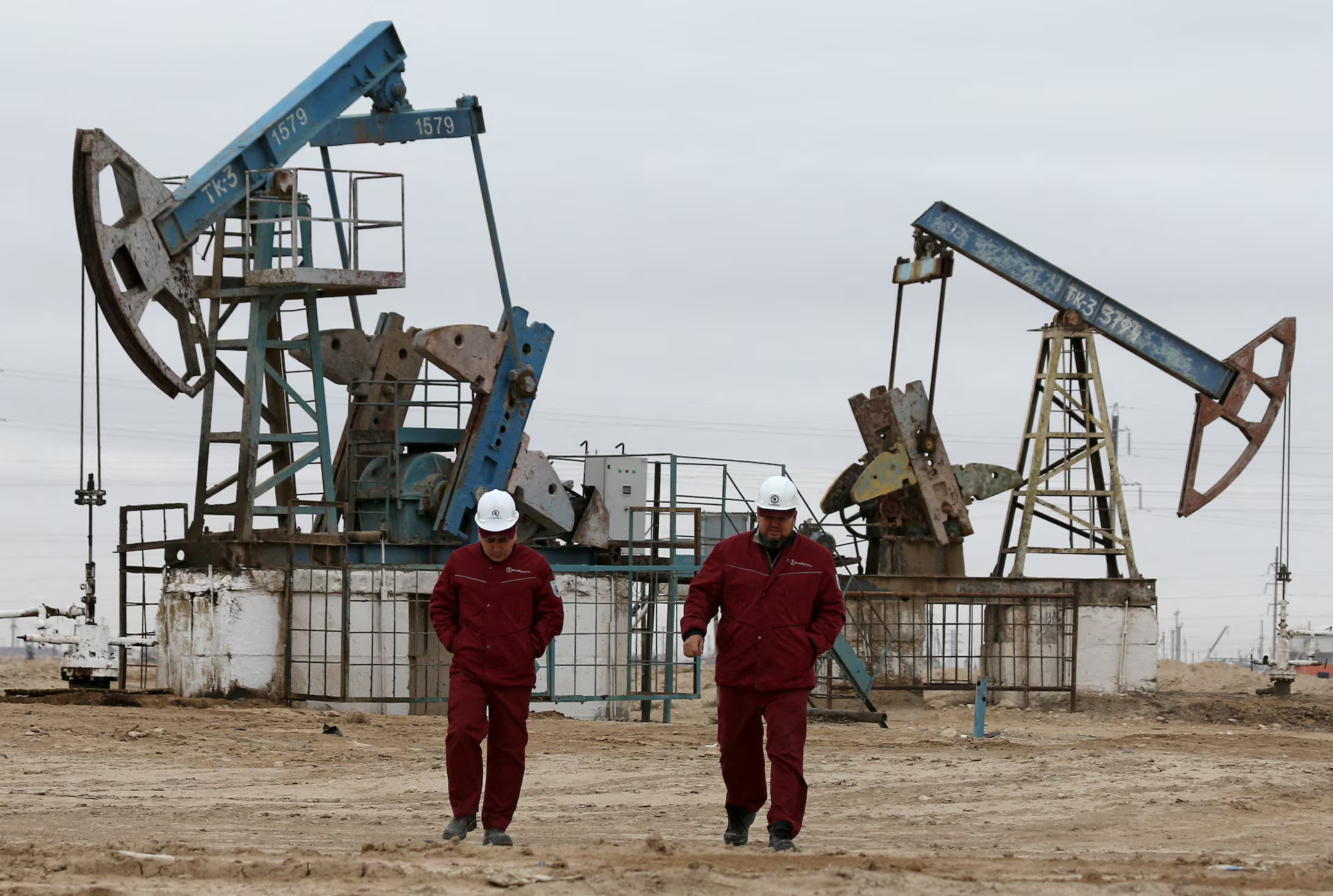
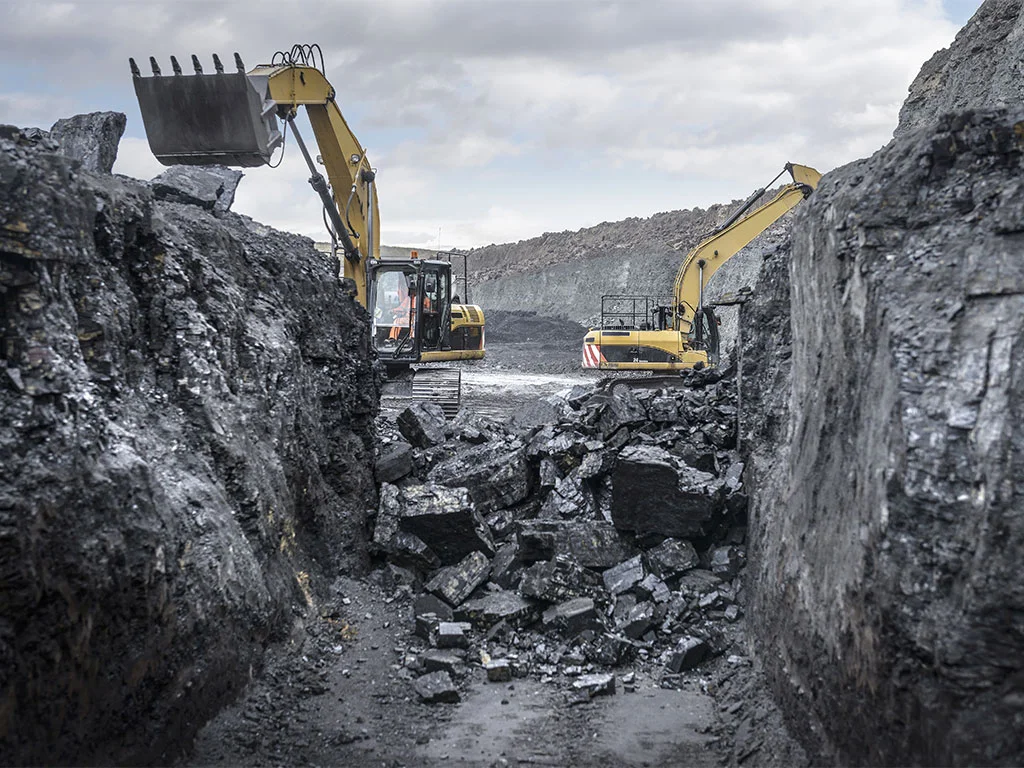
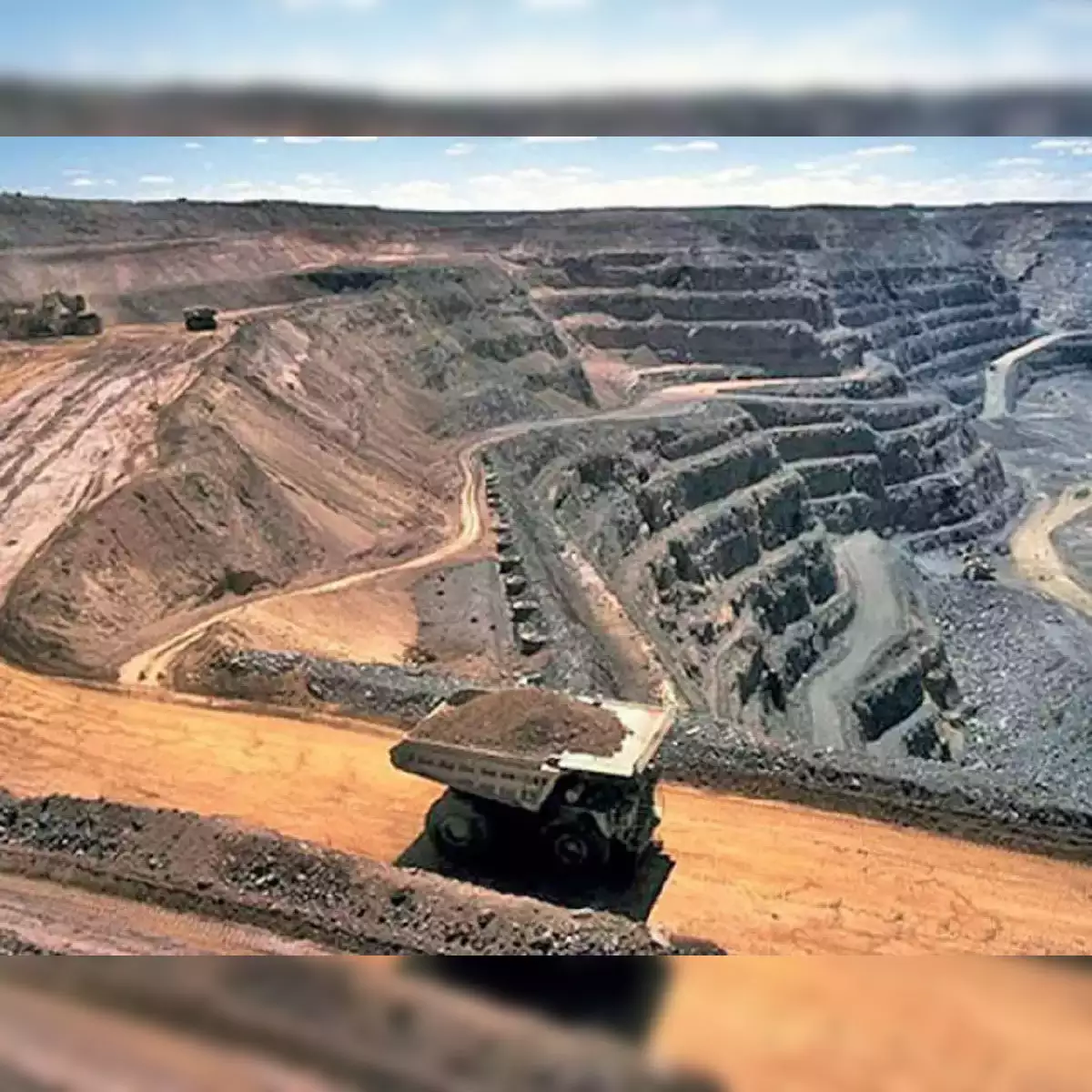
Mining and Natural Resources: A conventional sector of investment for the acquisition of vital minerals and raw materials.
Green and Renewable Energy: In line with Africa’s energy security objectives and India’s solar power capabilities.
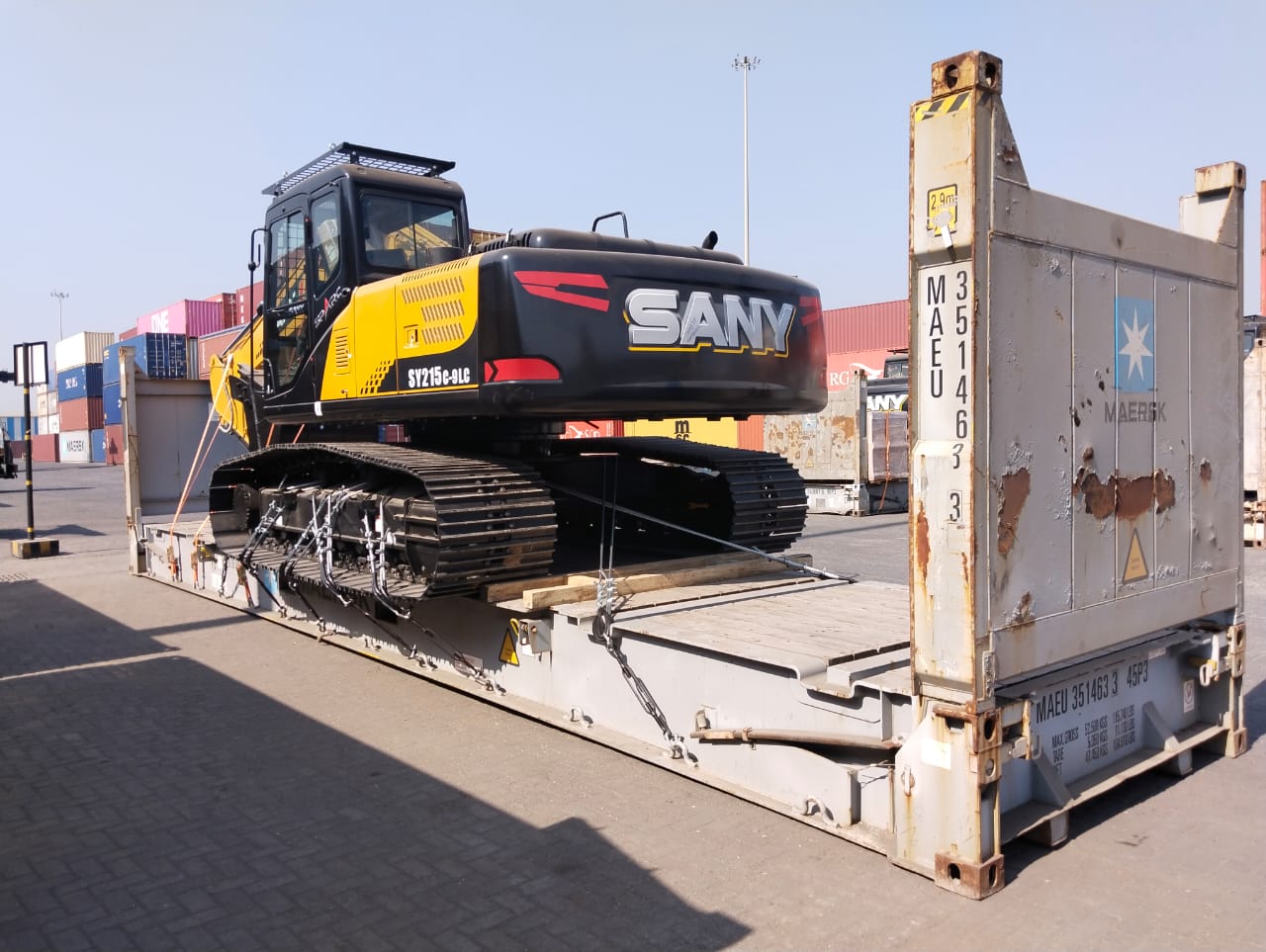
Logistics and Transportation: To facilitate the continent’s expanding integrated supply chains and trade.
🤝 Strategic Considerations and Deal Drivers
These acquisitions are being driven and made possible by a number of strong factors:
Strong Policy Support: By uniting the market, the African Continental Free Trade Area (AfCFTA) is increasing the appeal of acquisitions for pan-African expansion.
Financing Growth: Indian banks operating in Africa are increasingly offering full-service solutions, from target identification to acquisition financing.
Technology Transfer: Indian businesses can quickly acquire specialized personnel, existing clientele, and local market knowledge in Africa through acquisitions.
Risk Awareness: To succeed, one must manage currency liquidity, navigate a variety of rules, and provide excellent after-sales support and parts availability.
🧭 Improving the India-Africa Corridor through Due Diligence
Thorough due diligence must go beyond routine financial inspections in order for a purchase to be successful. Important areas of attention include:
Political and Regulatory Environment: Evaluate the stability, local content regulations, and limitations on foreign ownership in the particular African nation.
Operational Integration: To prevent losing important employees and clients, carefully plan for combining various company cultures, management systems, and service standards.
Infrastructure & After-Sales: Consider how well the local infrastructure can handle the logistics, maintenance, and supply of components for heavy equipment, as this is frequently more important than the initial purchase price.