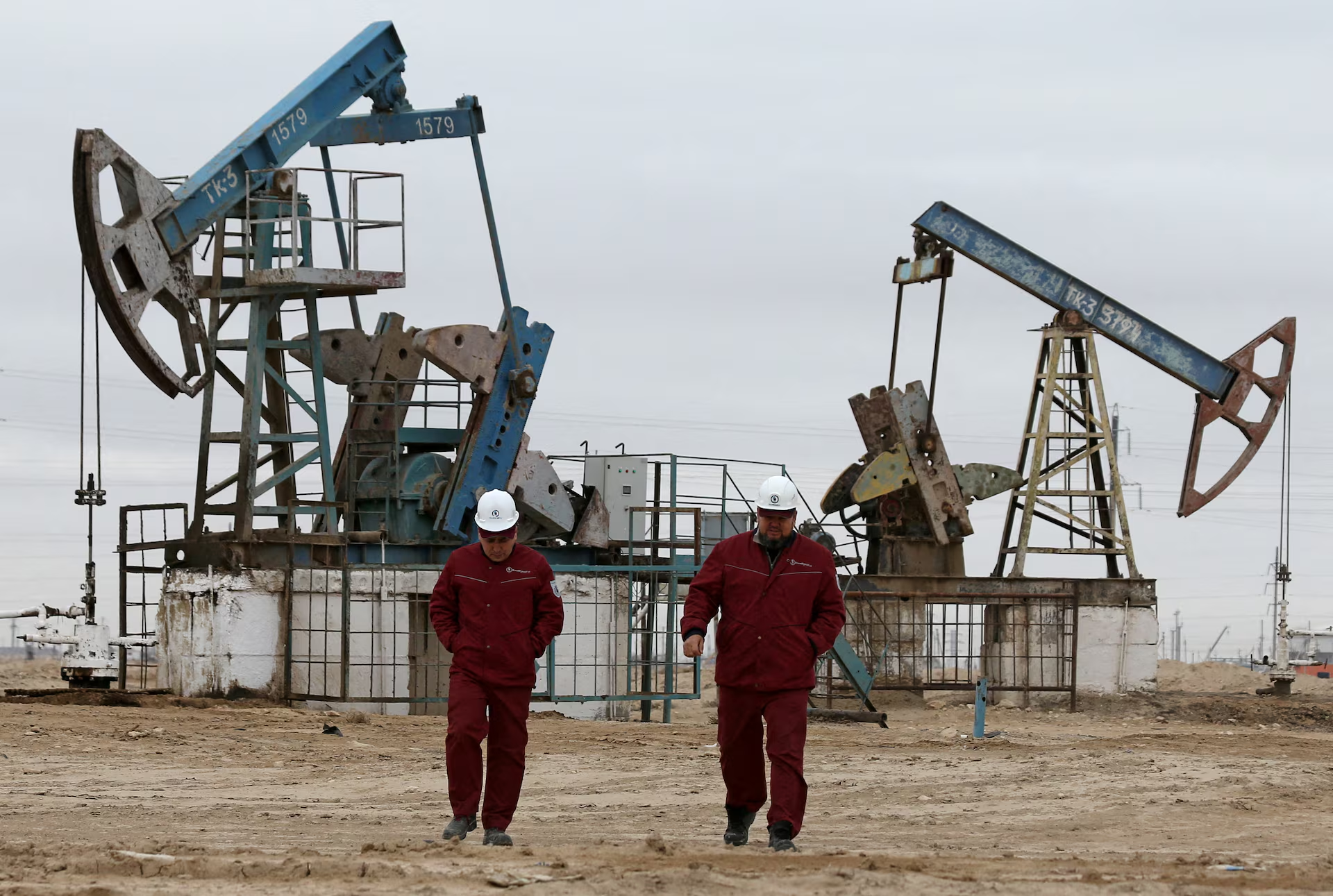

Based on today’s market activity (March 5, 2026), your observation is correct: stock markets and oil prices remain highly volatile as the conflict involving Iran shows no signs of de-escalation .


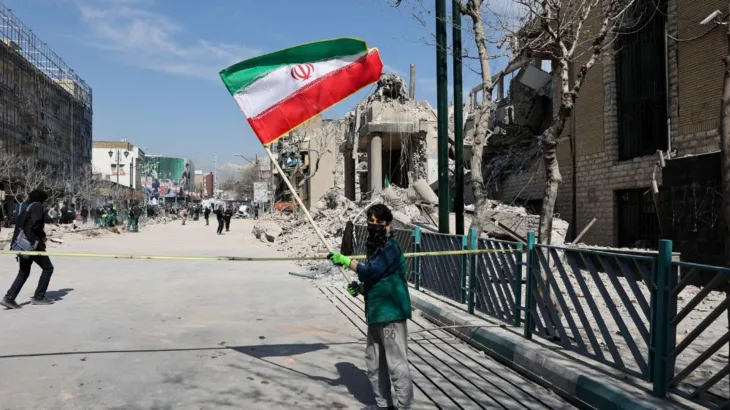

Here is a summary of the current market landscape:
🛢️ Oil Prices Surge on Supply Disruption Fears
The primary driver of today’s volatility is the escalating conflict and its direct threat to oil infrastructure.
- Strait of Hormuz in Focus: The strait is a critical chokepoint through which about 20% of the world’s oil and a similar share of liquefied natural gas (LNG) passes . The conflict has effectively halted traffic, with ship-tracking data showing around 200 to 300 oil tankers stranded and unable to move through the waterway .
- Direct Supply Hits: The supply shock is already materializing. Iraq, the second-largest OPEC producer, has been forced to cut output by nearly 1.5 million barrels per day due to a lack of storage and export routes . Meanwhile, Qatar, the largest LNG producer in the Gulf, has declared force majeure on its gas exports, with a return to normal production potentially taking at least a month .
- Market Reaction: After a brief ease, oil prices climbed again on Thursday. Brent crude hit $83.99, its highest level since July 2024, while WTI jumped over 3% to $77.42 . Traders hold “bullish expectations” as a quick resolution to the war seems unlikely .
📉 Stock Markets See Extreme Swings
Global equity markets are experiencing whiplash, reacting to every twist in the conflict and the fluctuating oil price.
- Asian Markets Hit Hardest: Asian economies, being major oil importers, are bearing the brunt. South Korea’s KOSPI index plunged 12% in its worst-ever daily drop on Wednesday, only to rebound 9.6% on Thursday after the government announced a $68 billion market stabilization fund . Japan’s Nikkei also saw gains, but analysts warn that any recovery may be fleeting .
- US and European Caution: After a positive session on Wednesday that was called a “classic relief rally,” U.S. and European futures pointed to a lower open on Thursday . Investors are now grappling with the reality that the conflict could drag on, making it difficult to price risk accurately .
- Safe-Haven Flows: The U.S. dollar is strengthening as capital flees to the perceived safety of the largest, most liquid economy, which is relatively insulated due to its energy export capacity .
🌍 The Broader Economic Concerns
The market moves are not just about oil companies; they signal deep worries about the global economy.
- Stagflation Fears: The combination of higher energy prices (which fuels inflation) and disrupted supply chains (which hurts growth) is a “stagflationary shock” . This is a nightmare scenario for central banks.
- Central Bank Policy at Risk: The oil price spike complicates the fight against inflation. In the Eurozone, traders are now pricing in a 60% chance of an ECB rate hike by December . For the U.S. Federal Reserve, persistent energy inflation could wipe out any room for rate cuts this year .
- Corporate and Consumer Impact: Wizz Air has already warned of a €50 million hit to its profits due to the disruptions . In the U.S., the average price for a gallon of gas has jumped nearly 10% in a week to $3.25, directly impacting consumers and adding to political sensitivity .
In summary, markets are caught between the reality of a physical supply shock and the uncertainty of how long the conflict will last, leading to the heightened volatility you noted.