
📈 Market Size and Development Patterns
- Market for Heavy Construction Machinery and Equipment
The Japanese market for heavy construction equipment is expected to increase at a compound annual growth rate (CAGR) of around 3.7% from 2026 to 2034, from its estimated USD 5.3 billion in 2025 to USD 7.4 billion by 2034. Private investments and growing real estate development are the main drivers of growth.
With a compound annual growth rate (CAGR) of around 7%, another prediction projects a comparable rise from approximately USD 2.66 billion in 2025 to USD 5.28 billion by 2035, with variations based on definitions and the range of heavy equipment included.
- Construction Equipment (including units in the broader category)
According to research, infrastructure investments nationwide would help Japan’s construction equipment industry (measured in units) increase from around 122,000 units in 2023 to nearly 157,000 units by 2029.
- The Rental Market
Excavators and earthmoving equipment are essential to rental demand, and the construction equipment rental industry in Japan—a significant subsegment—is expected to grow to around USD 7.98 billion by 2029 in addition to sales.
🚜 Market Drivers: Urban Development and Infrastructure
Japan’s continuous urbanization, which includes aged infrastructure renewal, redevelopment, and transportation improvements, supports the country’s continued equipment demand for both public and private projects.
Development of Technology
Equipment demand and manufacturer offers are being shaped by eco-friendly machinery, digital technologies (telemetry, automation), and efficiency gains.
The Sustainability Movement
Low-emission and hybrid construction equipment is becoming more and more popular in accordance with corporate sustainability efforts and environmental requirements.
Important Market Segments
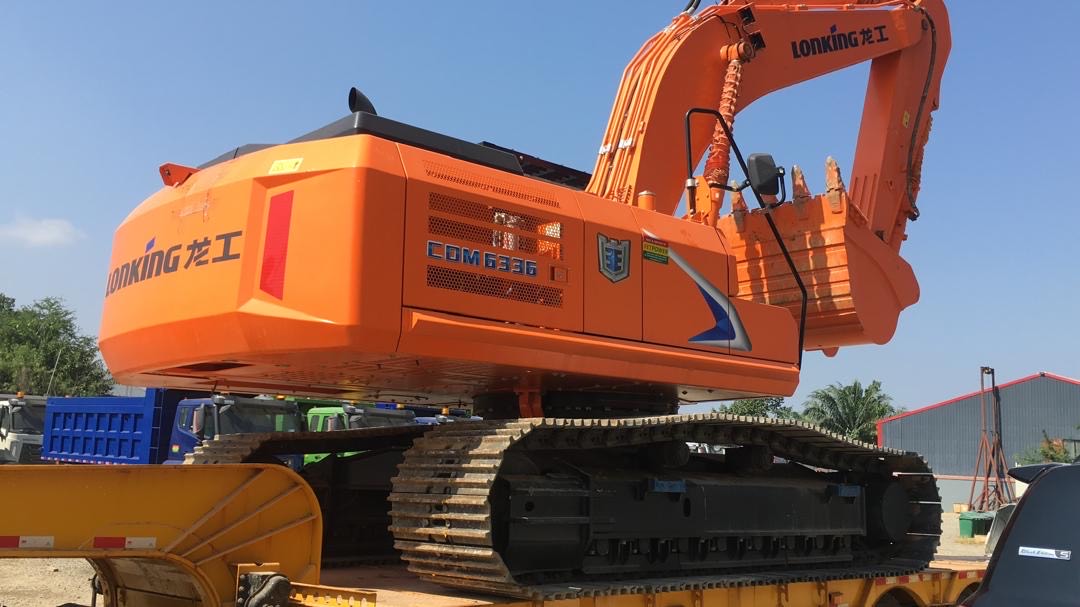
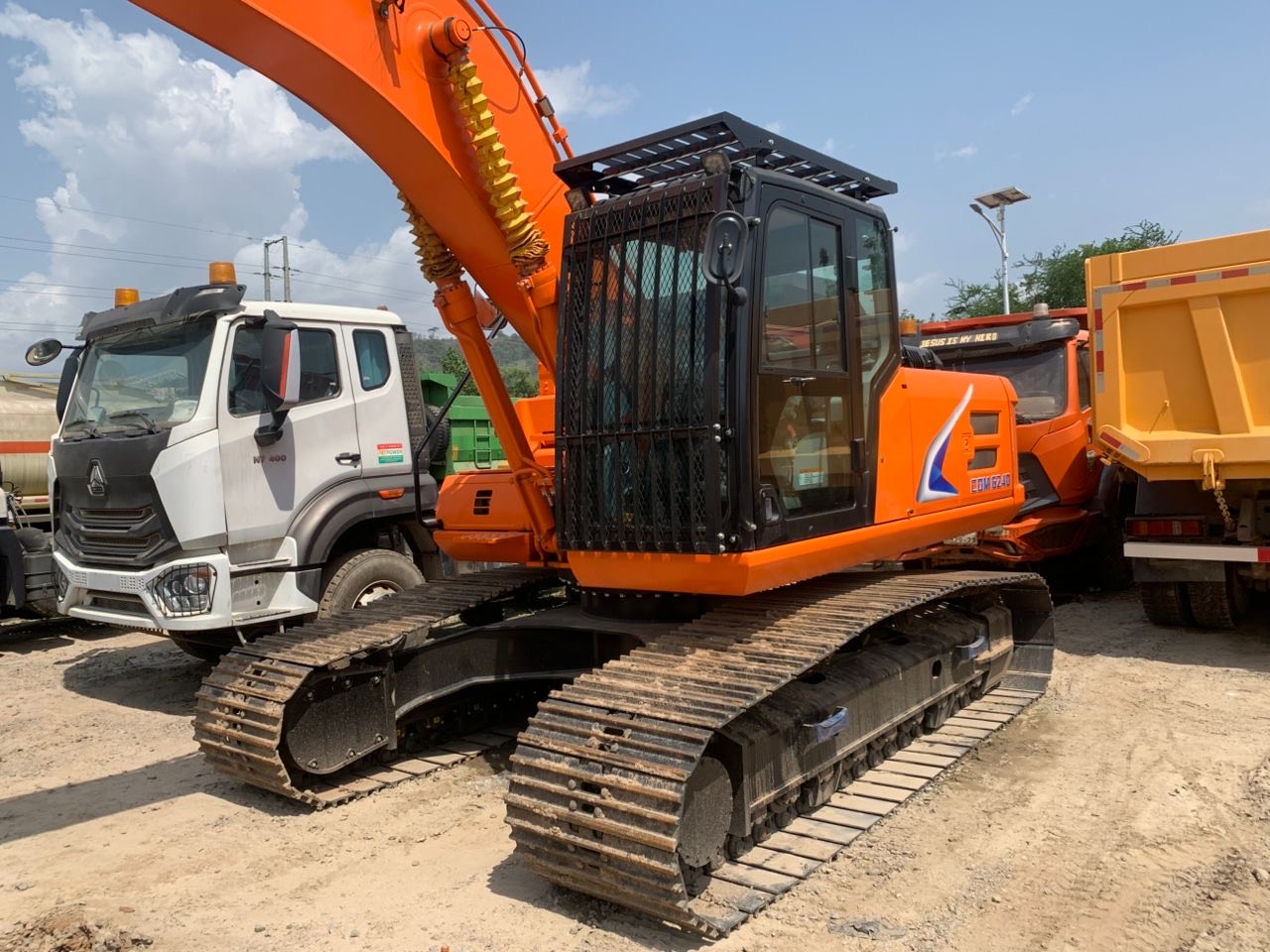

In Japan, the market for heavy equipment usually includes:
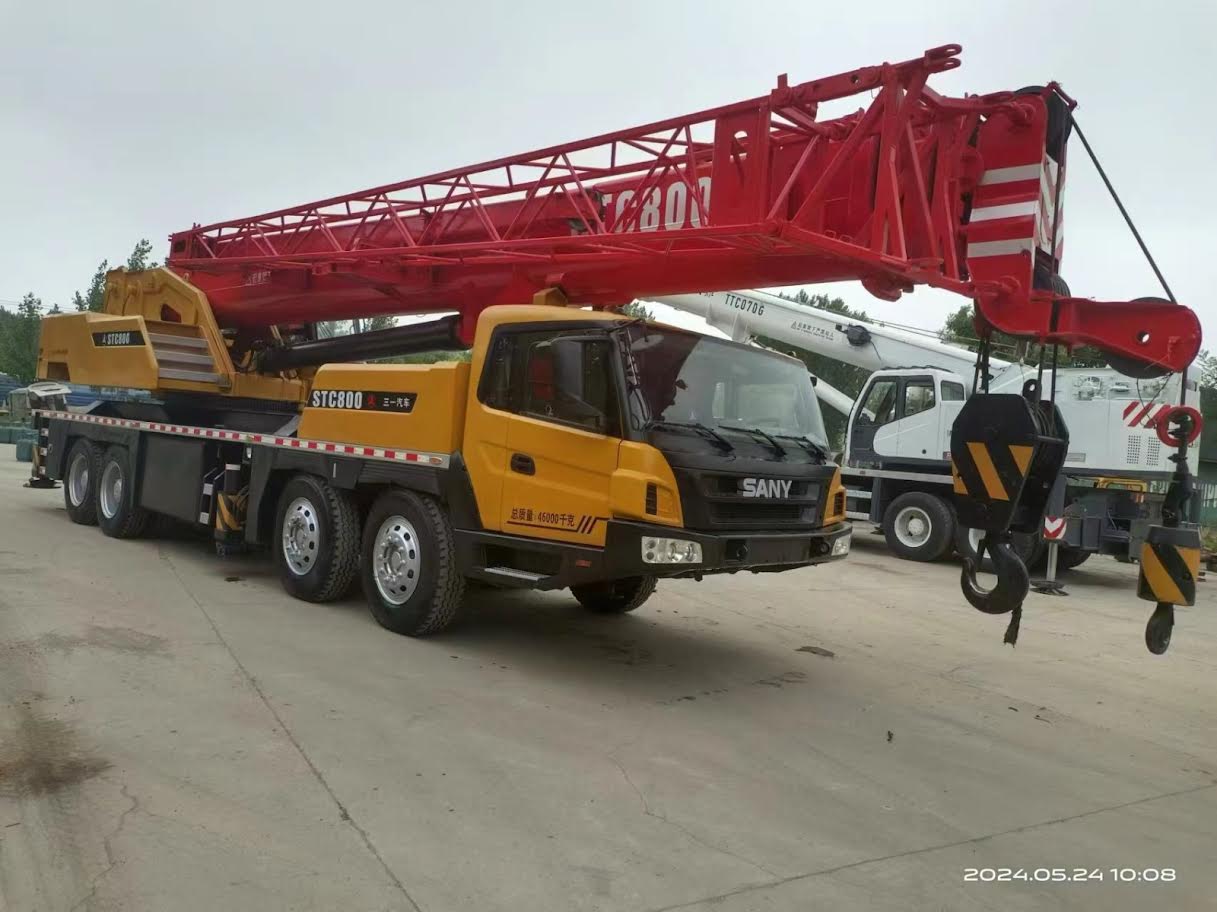
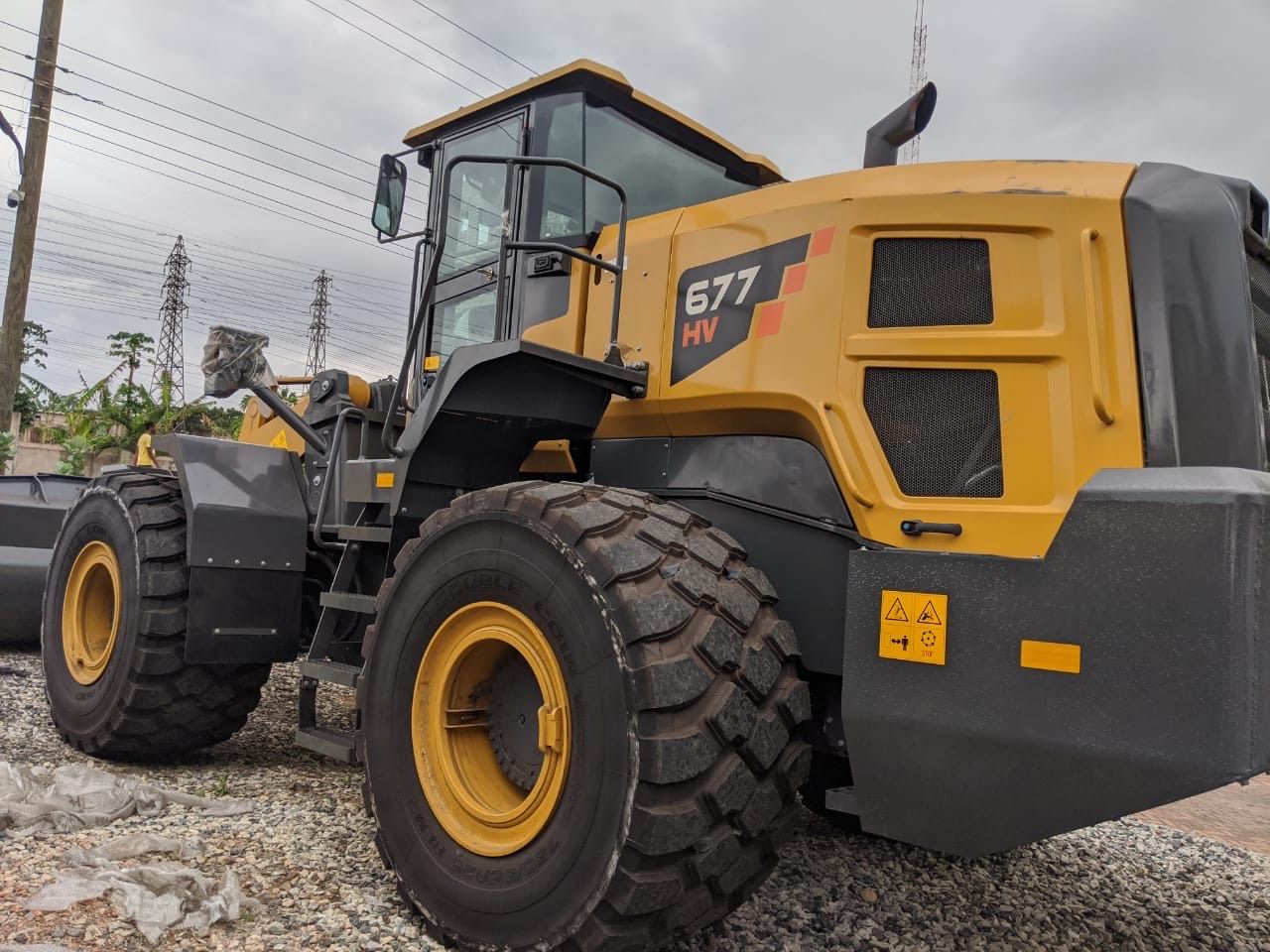
Earthmoving machinery, such as bulldozers and excavators
Machines for manipulating materials
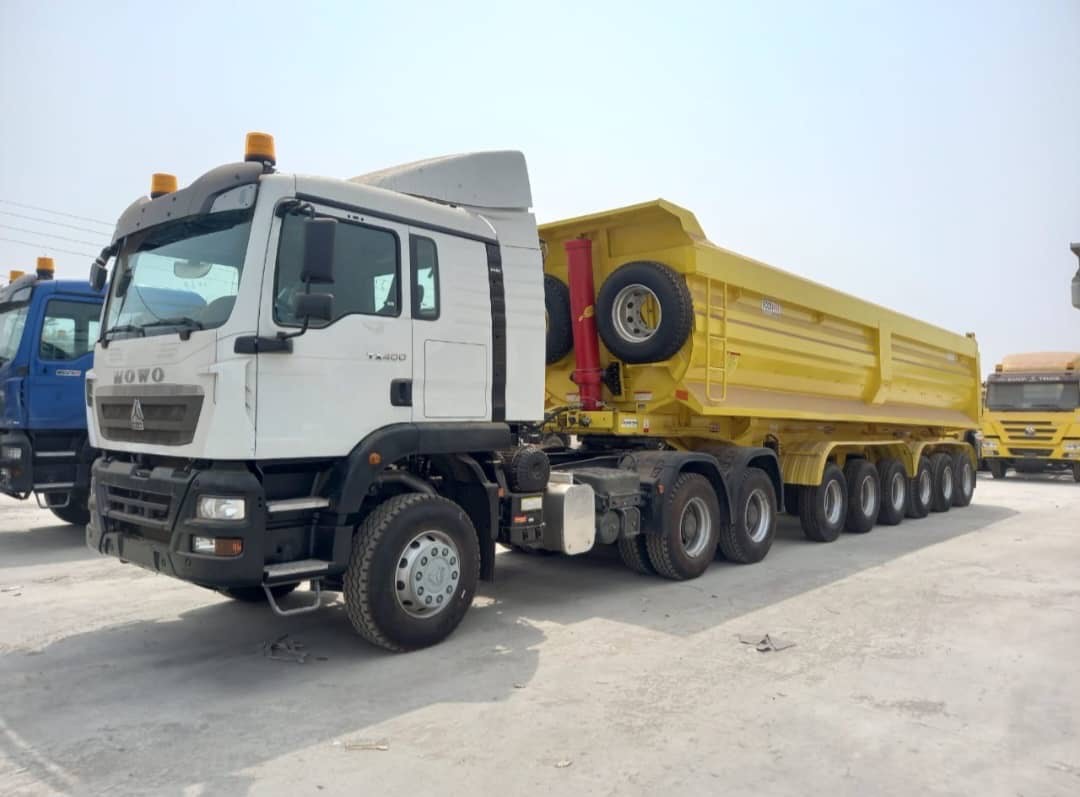
Transport machinery and heavy vehicles
Mining support equipment and infrastructure
Earthmoving usually has the most share across all categories, especially in unit sales and rentals. 🧠 Leading Players
Japan is a vital market for international companies and is home to significant heavy equipment manufacturers. Among the notable businesses are:
One of the biggest manufacturers of heavy machinery worldwide is Komatsu Ltd.
Hitachi Construction Machinery is well-known for its tracked machinery and excavators.
Caterpillar and Volvo Construction Equipment are both active abroad and in the cutthroat Japanese market.
Competitors in the import and specialty machinery markets include JCB, Doosan Infracore, CNH Industrial, and Liebherr Group.
Kobelco, Kubota, Yanmar, and Tadano are domestic trademarks that are well-known in particular markets, such as cranes and small machines.
The Competitive Environment and Difficulties
Exchange rate and tariffs: Uncertainty around export duties and currency fluctuations have put pressure on profits for major local firms like Komatsu.
International competition: Price and technological trends are still influenced by Chinese equipment manufacturers and other foreign competitors.
Changes in technology: Automation and digital solutions might cause established businesses and innovators to compete differently.
📍 Market Value Summary Aspect Insight USD ~5.3B (2025) → ~7.4B (2034 prediction)
Growth in Unit Sales: ~122k (2023) -> ~157k (2029)
The CAGR range varies from 3.7% to 7% based on the scope.
Important DriversDemand for infrastructure, urbanization, and use of technology
Leading Companies: Volvo, JCB, Caterpillar, Hitachi Construction Machinery, and Komatsu