
For the purpose of managing and supervising its equity shares in mining enterprises, Mali formed the entirely state-owned business Sopamim (Société de Participation Minière du Mali). This action is a crucial component of the government’s plan to boost national returns and consolidate authority over the profitable gold industry.
The establishment of Sopamim is the most recent in a string of drastic policy shifts spearheaded by Mali’s military-led government in an effort to promote resource nationalism.
To administer and monitor its equity shares in mining ventures, Mali formed the Société de Participation Minière du Mali (Sopamim), a fully state-owned enterprise. This action is an important component of the government’s plan to boost national returns and consolidate authority over the profitable gold industry.
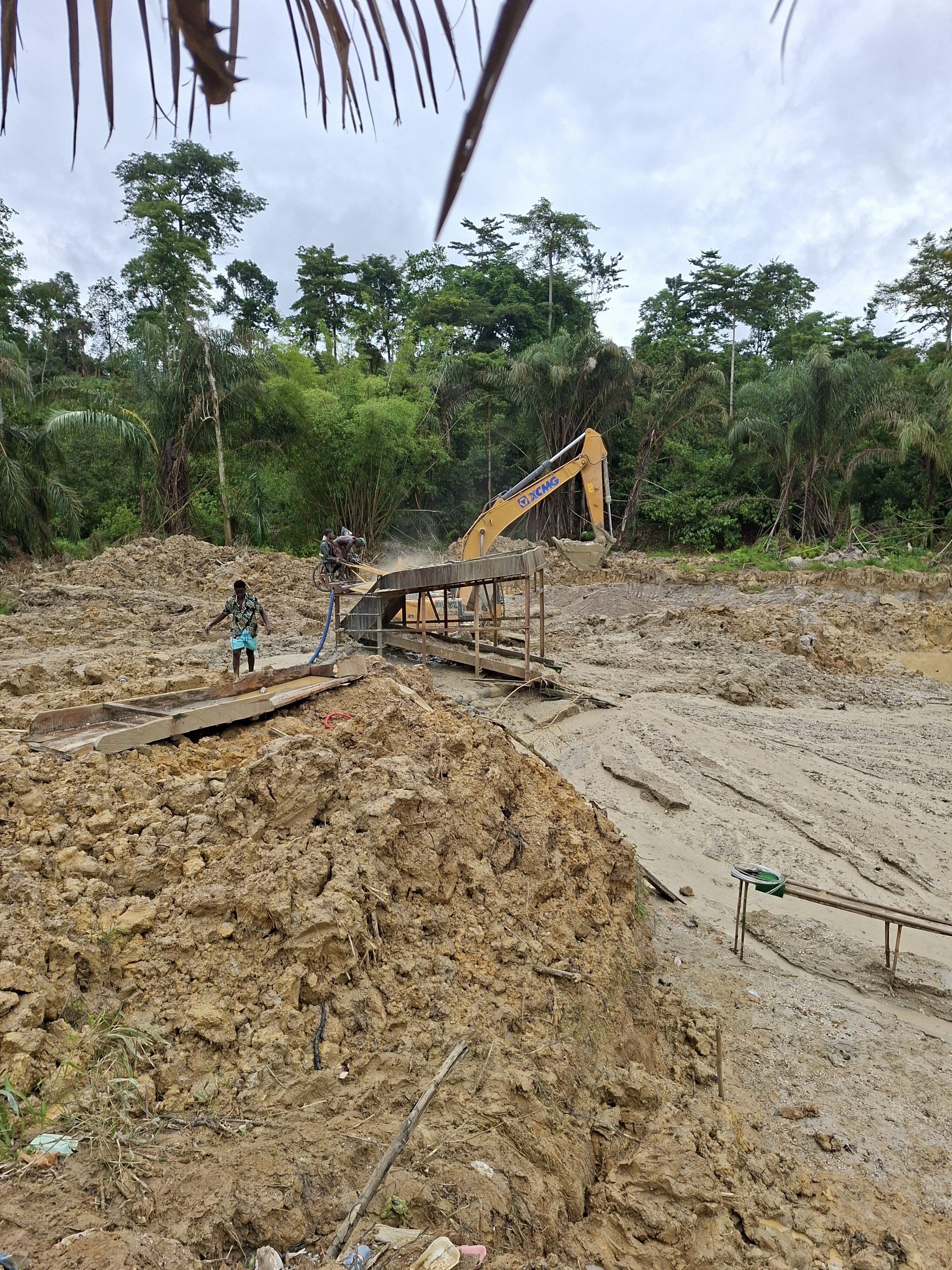
Sopamim’s establishment is the most recent in a string of drastic policy shifts spearheaded by Mali’s military-led government in an effort to promote resource nationalism.
The policy changes mirror a wider regional trend and are having noticeable financial impacts.
Impact on finances: In 2024, state income from gold mining businesses increased by 52.5% as a result of stricter enforcement of the 2023 legislation. An estimated $1.2 billion in revenue shortfalls from mining companies were also collected by the government.Regional Trend: Resource nationalism is sweeping the Sahel, and Mali’s policies reflect this. The military regimes in Guinea, Niger, and Burkina Faso have also established state-owned holding corporations, changed mining regulations, and, in certain situations, nationalized assets. This is attributed by analysts to a geopolitical shift away from conventional Western allies and toward Russia and other nations.
Investor Reaction: There is a great deal of tension with major international miners as a result of the actions. For instance, after the state interfered at its Loulo-Gounkoto mine, Barrick Gold filed for international arbitration. Despite the fact that Mali has formed new alliances, including one with Flagship Gold Corp. of the United States to revitalize the Morila mine, this climate has caused some Western investors to be wary.
🔶 Implications for the Future
Sopamim’s creation centralizes the state’s role as a stakeholder, which might lead to more uniform and strict contract negotiations and financial control for firms such as Barrick, B2Gold, and Endeavour Mining. However, there are serious risks associated with the forceful quest for control.
As of August 2025, legislative changes and disagreements contributed to a 32% annual decline in Mali’s industrial gold production.
Long-term foreign investment and technical know-how required to build complicated mines may be discouraged by the Sahel’s worsening security situation and regulations that some investors view as hostile.