
This suggests they want a comprehensive overview of market size, trends, drivers, and key players.
I plan to structure a response covering the current market size and growth projections, major market drivers and trends, key industry players, and any challenges or risks. If the search results provide good regional data, I can include that too.
Looking at the search results, I have excellent coverage from multiple authoritative market research sources. One result from Research and Markets provides unit-based data showing 32,188 units in 2025 growing to 38,612 by 2031 at 3.08% CAGR . This is highly authoritative and current from February 2026.
Another result from Expert Market Research shows a 3.30% CAGR projection through 2035 . Both align well, though one measures in units and the other in percentage growth. A third source from Business Market Insights confirms the investment drivers like the $23 billion electricity infrastructure plan .
The AInvest article provides specific investment figures including $8.4 billion for highways and mining equipment demand numbers . While AI-generated, it cites legitimate sources and provides useful granular data. The 6Wresearch report adds government policy context and market segmentation .


For the competitive landscape, the GlobeNewswire article gives detailed vendor analysis with tiered categorization of leaders like Caterpillar and emerging players like SANY . This is highly relevant and current.
The LinkedIn article has lower authority as self-published content . While it contains some market insights, I’ll prioritize the established research firms.
I’ll present the market overview in a table format to help users quickly grasp the key metrics and projections, then expand on drivers, trends, players, and challenges with clear sections. The response should synthesize these multiple authoritative sources while maintaining a helpful, informative tone.
The heavy equipment market in Mexico is experiencing steady growth, fueled by a combination of major government infrastructure projects, a booming mining sector, and the “nearshoring” trend . While the market is set for expansion, it also faces challenges from economic fluctuations and public investment cuts .
Here is an overview of the Mexico heavy equipment market based on recent reports:
🏗️ Key Market Drivers and Trends
Several powerful forces are driving demand for heavy equipment in Mexico:
- Major Infrastructure Investment: The government is heavily investing in the country’s infrastructure. Key programs include:
- National Highway Program (2025-2030): A USD 8.4 billion plan to expand over 4,000 kilometers of roadways, boosting demand for equipment like crawler excavators, road rollers, and motor graders .
- Energy Sector Investment: The government announced an investment of approximately US$23 billion toward electricity infrastructure development as part of its National Strategy for Electricity Infrastructure Improvement for 2024–2030 .
- National Road Network Plan: A $35 billion plan includes building new highways, rehabilitating existing roads, and new surfacing projects .
- Mining Sector Expansion: Mexico’s mining industry, particularly for copper and lithium, is a significant consumer of heavy equipment.
- Large-scale projects like Grupo México’s Buenavista del Cobre mine are extending operations to 2065, requiring a steady supply of haul trucks (100-160 annually), electric rope shovels, and other machinery .
- The rise of lithium extraction in Sonora is creating demand for specialized processing equipment . Mining exports surged 18.6% annually as of October 2025 .
- The “Nearshoring” Boom: As companies move supply chains closer to the North American market, Mexico is seeing a surge in industrial construction.
- The Mexican Association of Private Industrial Parks (AMPIP) expects 128 new industrial parks to be built between 2024 and 2030, adding 20 million square meters of space .
- E-commerce growth is also a major factor, highlighted by Amazon’s $6 billion commitment to build new distribution centers in Nuevo Leon and Jalisco .
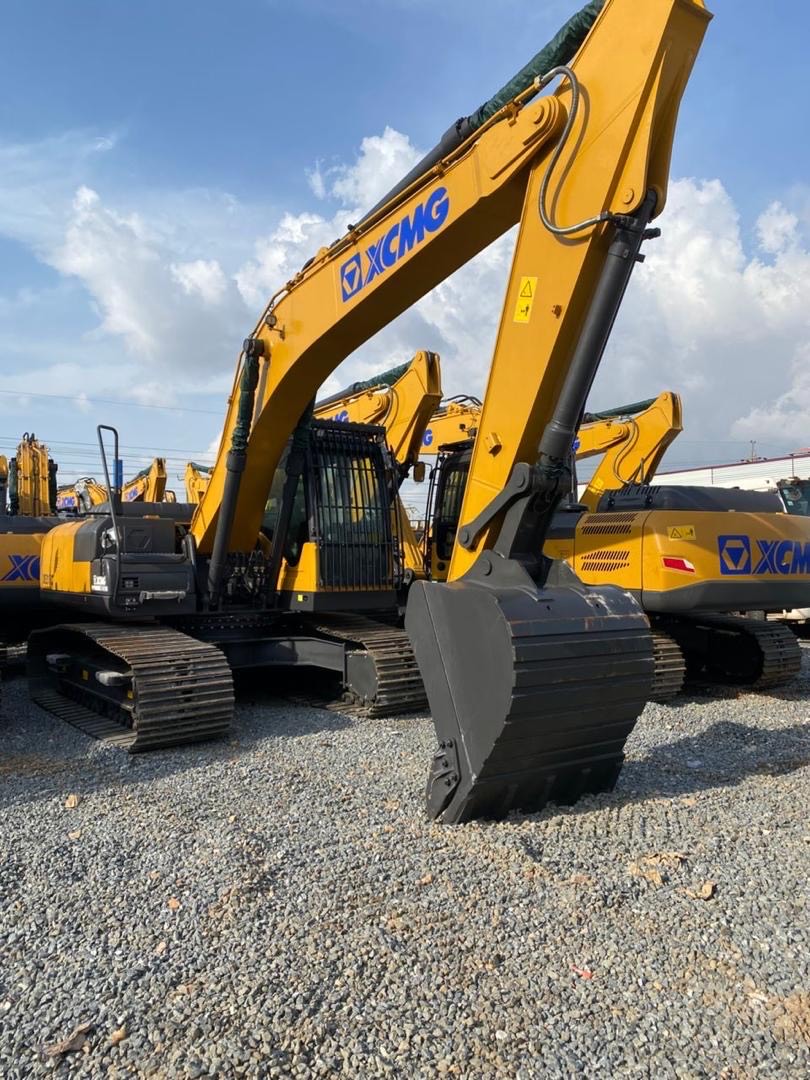
- Technological Shifts: The market is seeing a clear move toward more sustainable and advanced machinery. There is growing demand for compact and electric construction equipment, driven by stricter environmental standards in cities like Mexico City, which now requires zero-emission machinery for municipal projects . Additionally, Chinese manufacturers like XCMG and Liugong are rapidly expanding their presence with competitive pricing and local investments .
🏢 Competitive Landscape
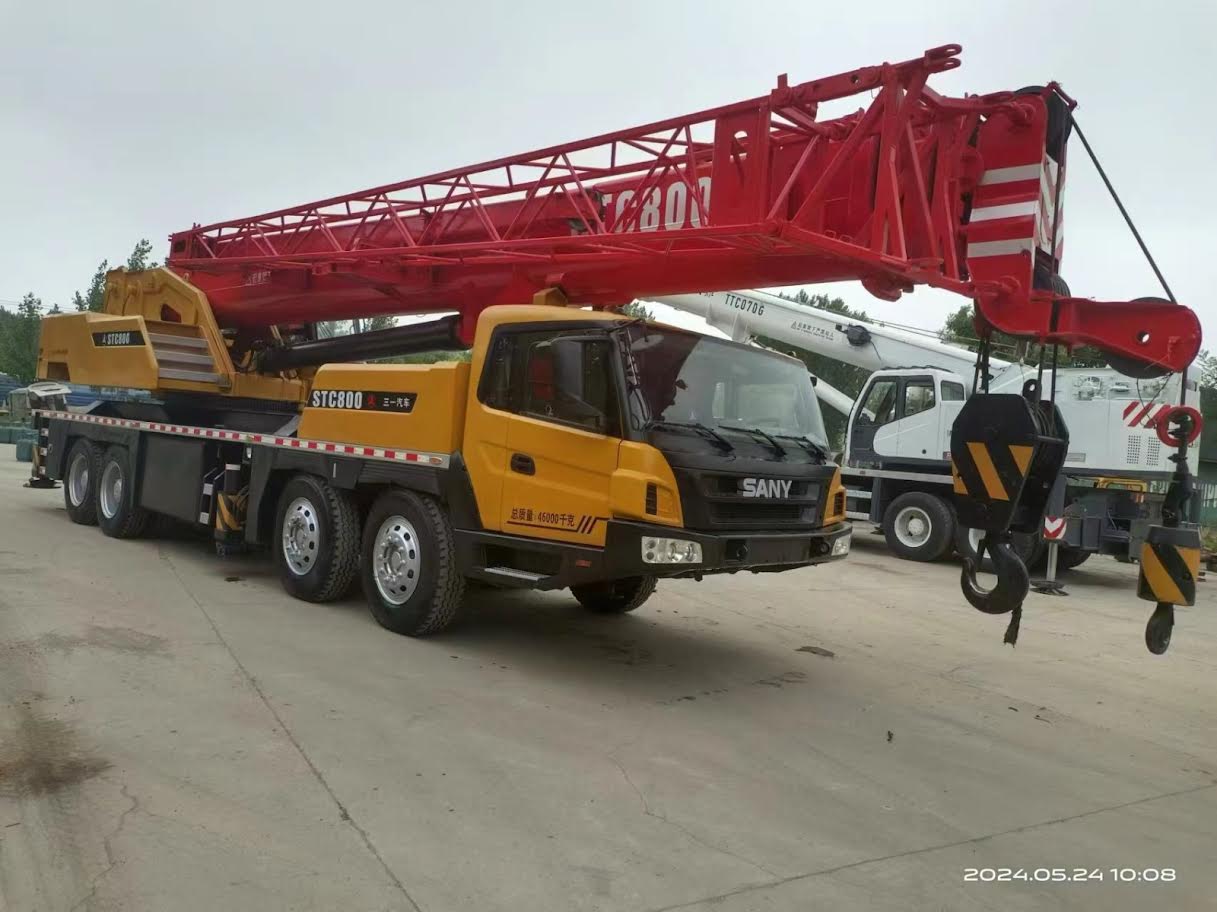
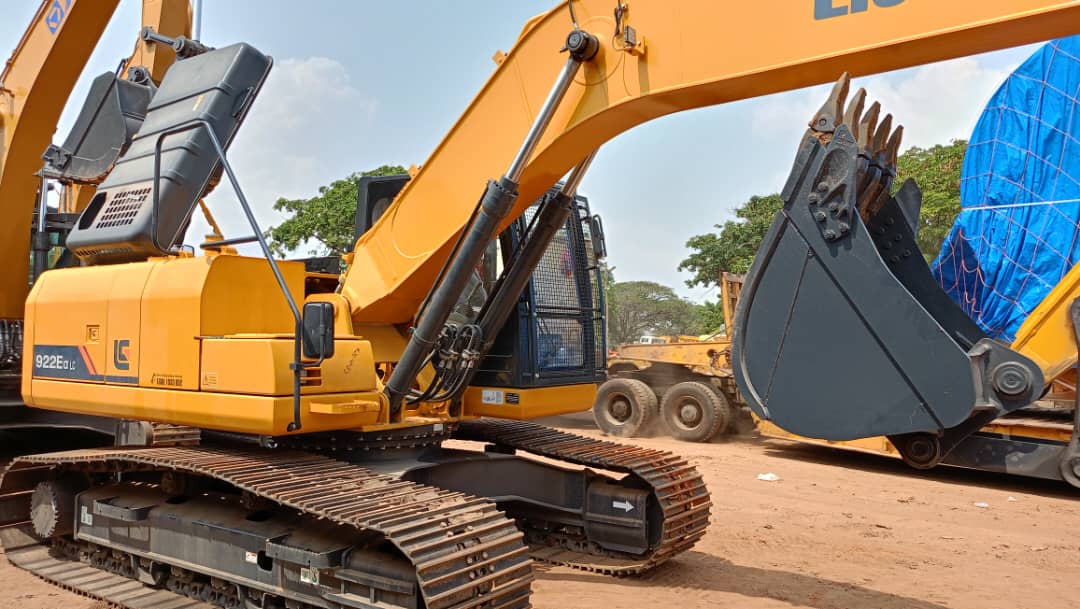
The Mexican market features a mix of established global giants and aggressive new players. Key vendors include Caterpillar, Komatsu, Liebherr, and Volvo CE . They are being challenged by a strong push from Chinese firms. The vendor landscape is diverse :
- Front-runners: Caterpillar, LiuGong, Komatsu, Liebherr, Volvo CE, John Deere, XCMG.
- Niche Players: Tadano, Terex, HELI, Zoomlion, Shantui, Kobelco.
- Emerging Challengers: Bobcat, SANY, JCB, CNH Industrial, HD Hyundai.
⚠️ Challenges and Restraints
Despite the positive outlook, the market faces some headwinds:
- Economic Uncertainty and Investment Cuts: Mexico’s economy showed signs of stagnation in late 2025 . Public investment saw a sharp 30.4% real-term decline in the first half of 2025, reaching its lowest level since 2019, which dampens public works projects .
- Industry-Specific Hurdles: The market is also affected by permitting delays and security concerns in certain mining regions, as well as fluctuations in raw material prices that impact equipment costs .
In summary, the Mexico heavy equipment market is on a solid growth trajectory, underpinned by long-term structural trends like nearshoring, mining, and infrastructure development. However, short-term economic volatility and shifts in public spending require a strategic and agile approach from industry players.