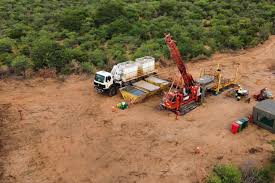

The Government of Ghana has officially introduced a new cooperative licensing system for small-scale miners, marking a significant shift in the regulation of the artisanal mining sector. This initiative is designed to replace former programmes, formalise operations, and promote environmentally responsible mining practices across the country .


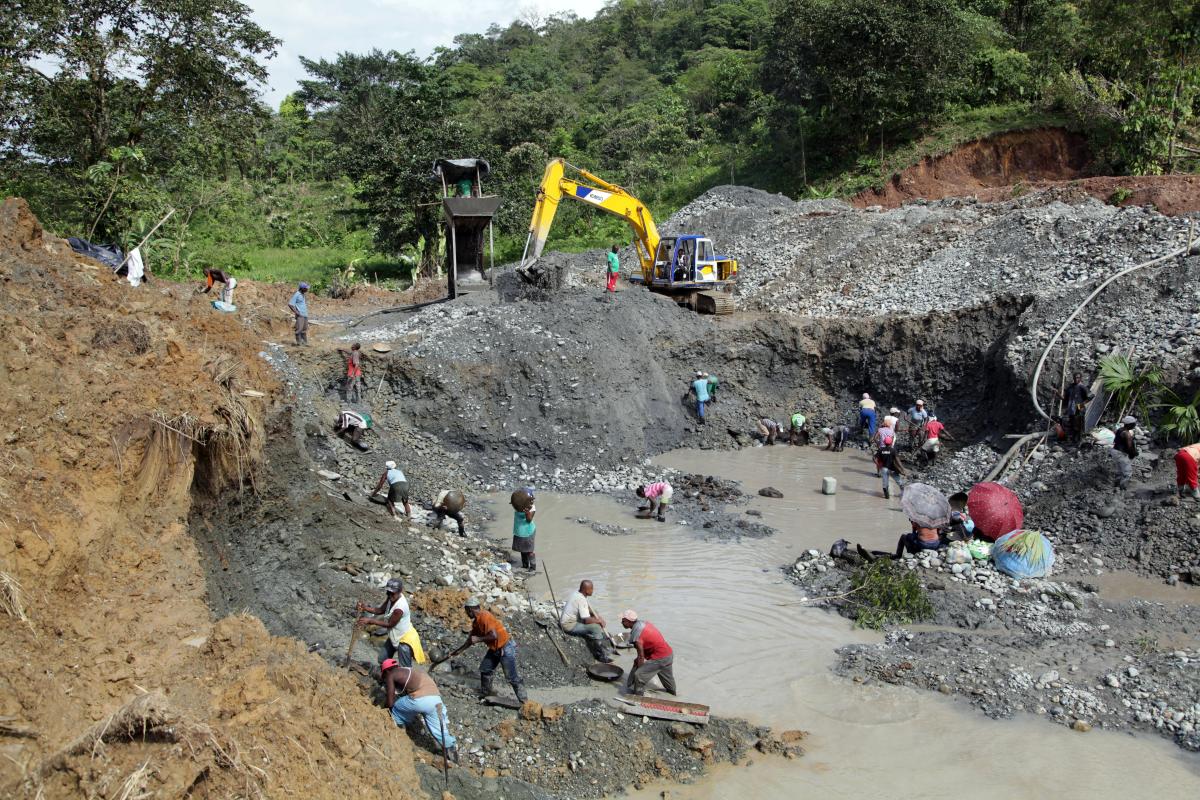
Here is a quick overview of the key changes:
🛠️ What the New Cooperative Licence Entails
The new system is a core part of the government’s broader strategy to overhaul the small-scale mining sector.
- Formalised Groups: The cooperative licence allows a group of up to 15 small-scale miners to register and operate as a single, legal mining company. Each member will receive a specific identification number for easy monitoring and traceability .
- Part of a Bigger Programme: This licensing system is being implemented through the Responsible Cooperative Mining and Skills Development Programme (rCOMSDEP). This programme consolidates previous initiatives and aims to transform artisanal mining into a well-regulated, community-owned industry . The goal is to establish numerous cooperatives, with over 200 targeted for launch, each structured around community members who receive professional training .
- Replacing Failed Schemes: The cooperative licence directly replaces the former Community Mining Schemes, which the government disbanded after a review found they were not benefiting local communities as intended and were contributing to the galamsey menace .
📝 How the Registration and Licensing Process Works
A nationwide registration exercise is currently underway to onboard miners into the new system .
- Nationwide Registration: The registration is being conducted by rCOMSDEP in collaboration with the Minerals Commission. It began with a pilot in the Western and Western North Regions and is now rolling out across the country .
- Four-Phase Process: The registration follows a structured workflow:
- Field Data Collection: Capturing details of cooperative members, including National ID and contact information .
- Geological Validation: Technical teams assess the mineral potential and terrain stability of proposed concessions .
- Environmental Screening: Evaluation of water use, tailings management, and processing methods to mitigate risks .
- Permit Issuance: Qualified cooperatives are issued a six-month Temporary Operating Permit, allowing them to operate under close monitoring while they work towards fulfilling requirements for a full licence .
- Key Regulatory Bodies: The Minerals Commission (MINCOM), Environmental Protection Authority (EPA), and the Ghana Geological Survey Authority (GGSA) are all involved in conducting field inspections and assessments .
👍 Benefits and Government Objectives
The new system is designed to bring multiple benefits to both miners and the nation.
- For Miners: It provides a clear path to legal operation, which can help them access financial support and formal markets. The government will purchase gold from registered cooperatives, ensuring traceability and providing a legitimate source of income .
- For the Environment: By formalising miners, the government can better enforce environmental standards, promote mercury-free processing technologies, and ensure that mining does not occur in prohibited areas like water bodies or forest reserves .
- Crackdown on Illegal Activity: The new licensing regime is part of a broader effort to combat “galamsey” and eliminate illegal practices like “fronting,” where foreigners use Ghanaian nominees to acquire mineral rights illegally . Over 300 irregularly acquired small-scale mining licences have already been revoked as part of these reforms .
In summary, Ghana’s new cooperative licence represents a comprehensive effort to formalise small-scale mining, empower local communities, and protect the environment by replacing unregulated operations with legally sanctioned, well-monitored cooperatives.
I hope this gives you a clear picture of the new system. Would you like to know more about the specific requirements for forming a cooperative or the penalties for operating outside this new legal framework?