
📈 Energy and Oil Markets
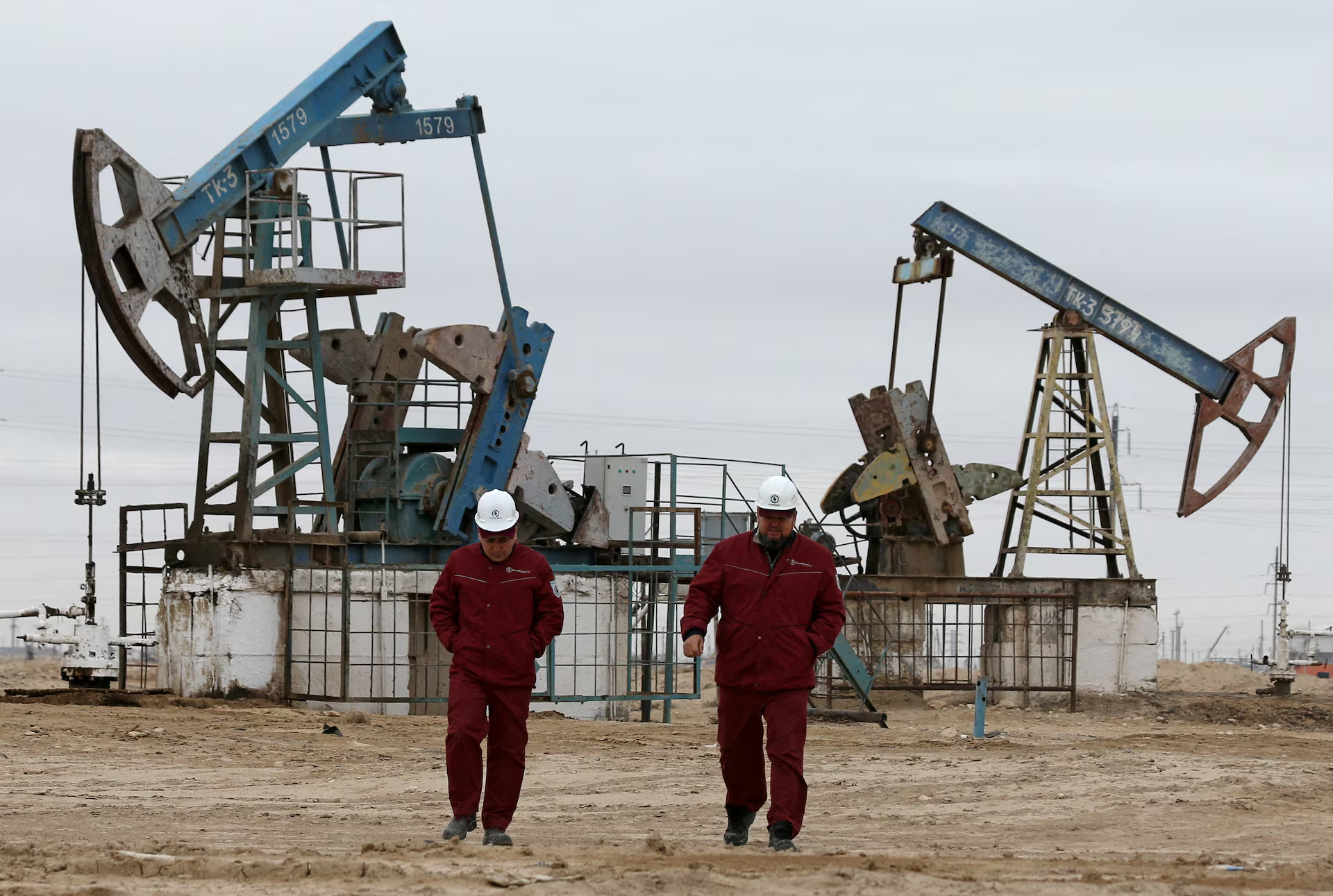
As speculators factored in the possibility of a military confrontation between the United States and Iran, oil prices surged. Amid concerns that the confrontation may disrupt supplies, particularly if the Strait of Hormuz, a vital oil transit route for approximately 20% of global crude, is impacted, Brent crude hit $70 per barrel, marking the biggest gains in months.
The “fear premium” ingrained in petroleum prices has been strengthened by an increase in military deployments and tactical warnings from both sides.
Analysts stress that the perception of geopolitical danger is sufficient to drive up prices even in the absence of real supply shortages.
🪙 Demand for Gold and Safe Haven
As risk appetite declined, gold prices also rose. This is a common response when investors look for secure assets in the face of global unpredictability. The action is indicative of increased prudence in international markets as traders prepare for turmoil.
📉 Market sentiment and stocks
As geopolitical risk eclipsed recent gains, U.S. markets displayed further weakness, with volatility indexes rising.




Traders tend to reallocate into gold, bonds, and oil-linked trades when they are in a “risk-off” mindset, reducing their exposure to stocks and risky assets.
What’s Motivating the Movements
Risks of escalation and military posture
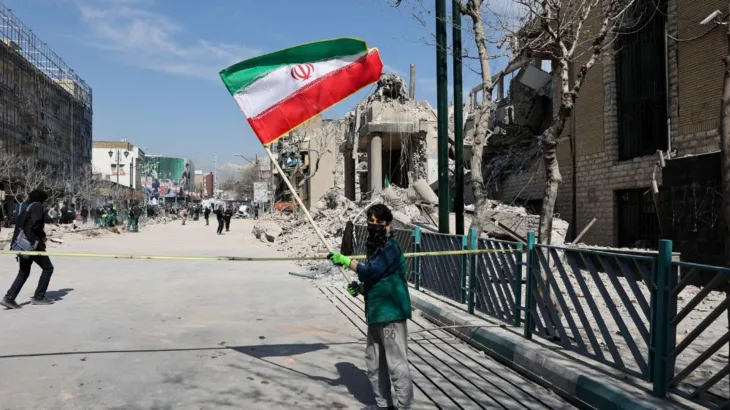
There are growing concerns about a possible strike as U.S. military assets are reportedly closer to Iran and diplomatic negotiations have not yet settled important issues.
Concerns about supply risk have been heightened by Iran’s recent military exercises and the temporary closure of marine areas around the Strait of Hormuz.
interpretation of the market
Even if there isn’t a confrontation right away, markets are pricing in increased uncertainty and possible disruption since investors have included a geopolitical risk premium into oil prices.
As risk assets and equities markets continue to be headline-sensitive, gold’s surge underscores demand for safe haven investments.
What’s Next to Watch
Important markers that might rapidly change sentiment:
Actions taken by the Iranian or American governments (military, diplomatic, or sanctions updates)
Strait of Hormuz shipping statistics and supply interruptions
wider volatility of the equity market (VIX values)