
Based on the latest market reports, the recent surge in oil prices, triggered by escalating conflict in the Middle East, has prompted a rush of activity from both US producers looking to lock in high prices and fuel consumers trying to protect themselves from even higher costs .
Here is a summary of the key developments in the market:
⚙️ Why the Scramble? The Geopolitical Spark


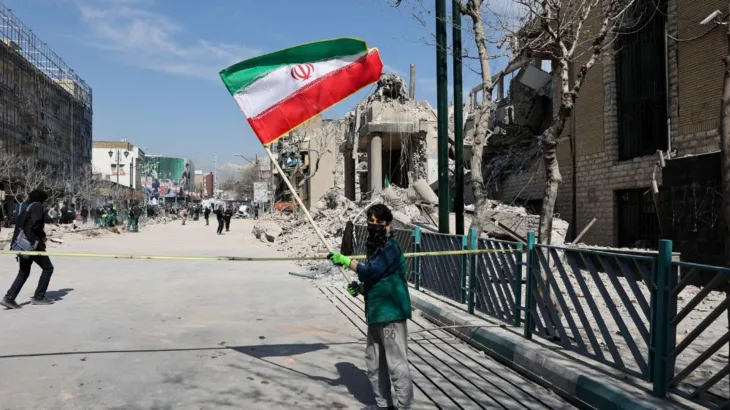
The primary catalyst for this market frenzy is the military conflict between the US/Israel and Iran, which has directly threatened the Strait of Hormuz . This narrow waterway is a critical chokepoint for global oil supplies.
- Critical Passage: The Strait handles about 20-21% of global petroleum consumption .
- Price Surge: The conflict has raised fears of prolonged supply disruptions, sending Brent crude up about 12% in three days to over $80 a barrel, with some analysts warning prices could approach $100 if the Strait is blocked .
🛢️ US Producers Rush to Cash In
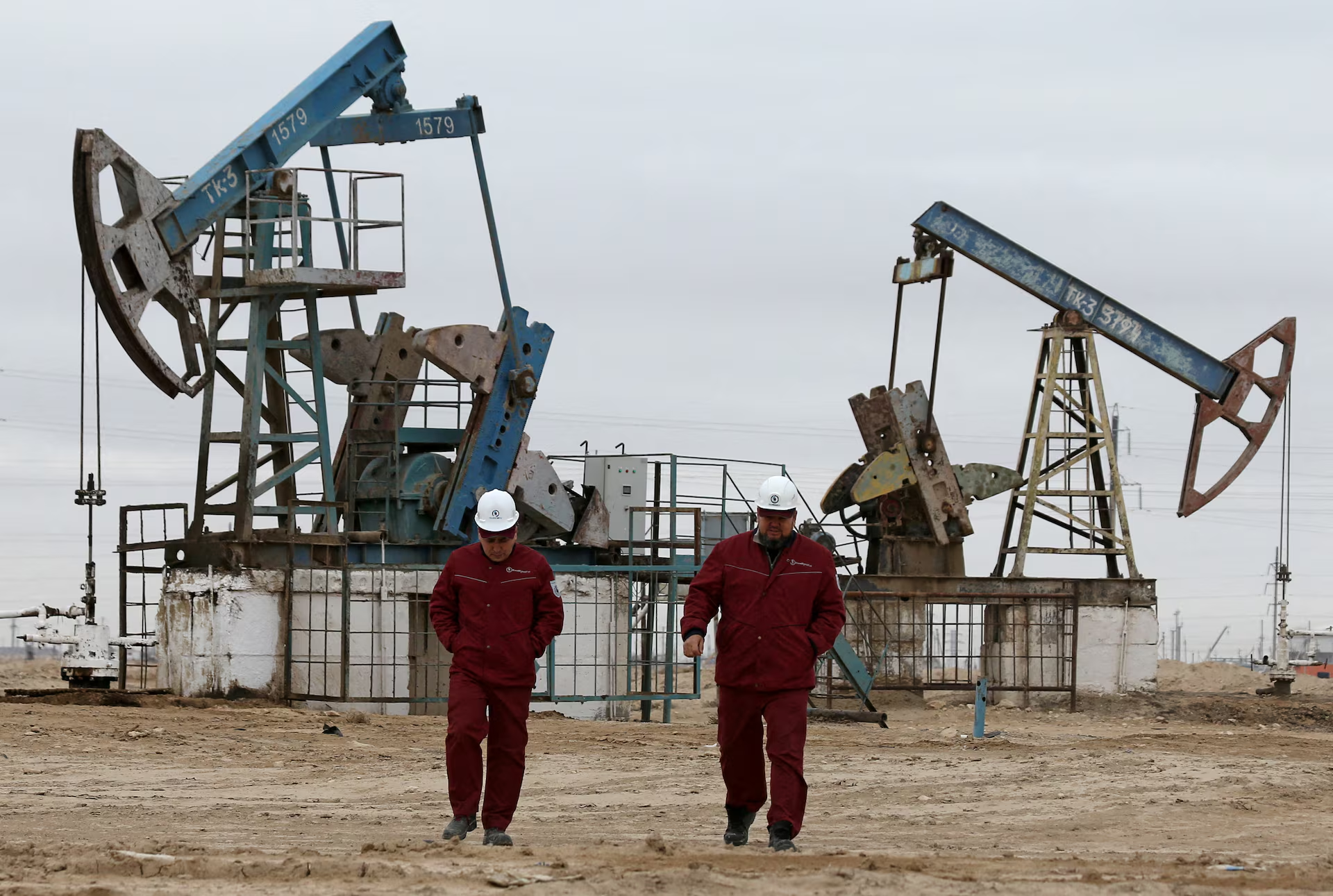
For oil producers, the price spike created a valuable opportunity to secure revenue. Many moved quickly as soon as markets opened.
- Sunday Night Trading: Hedging firms like Aegis Hedging, which handles contracts for a significant portion of US production, had clients queuing up as early as 5 p.m. on Sunday to execute trades the moment markets opened, anticipating the surge .
- Using Swaps: Many producers used swaps, a type of derivative that allows them to lock in a fixed price for their future oil production, effectively converting the unexpected price spike into guaranteed income .
✈️ Fuel Buyers Seek Shelter from the Storm
On the other side of the trade, companies that consume vast amounts of fuel are scrambling to protect their bottom lines from spiraling costs.
- Airline and Shipping Hedge: Airlines, trucking firms, and shipping companies have been increasing their hedging activity, particularly through call options, to secure protection against any further rally in prices .
- Regional Differences: While European and Asia-based carriers are actively hedging, many US airlines have reduced such programs since the 2008 financial crisis, leaving them more exposed to the current volatility. Southwest Airlines, a major holdout, ended its hedging program last year .
💧 Ripple Effects Across the Globe
The oil spike is sending shockwaves through other markets, highlighting the interconnectedness of global finance.
- Currency Impact in India: As a major oil importer, India is feeling acute pressure. The Indian rupee slid to a record low, forcing importers to rush to hedge their dollar payments, which in turn became more expensive due to higher volatility .
- Market Volatility: The crisis has injected a high degree of uncertainty into global markets. The Nifty India volatility index spiked, and safe-haven assets like the US dollar and gold have seen increased demand .
In short, the market is in a state of high alert. Producers are capitalizing on a windfall, consumers are bracing for impact, and everyone is watching the Strait of Hormuz.
I hope this gives you a clear picture of the current situation. Would you like me to find information on how this might affect gasoline prices at the pump?