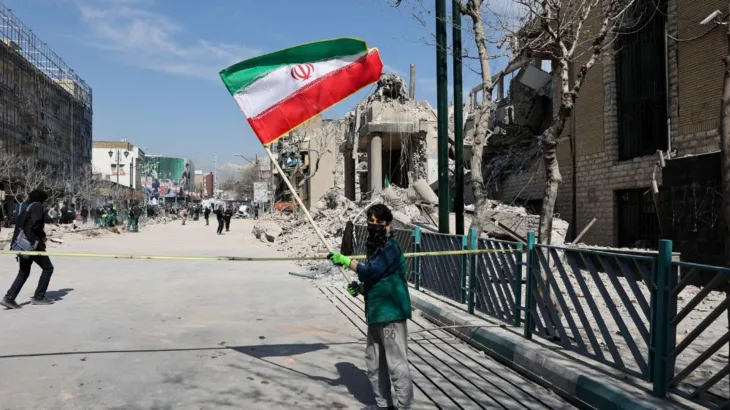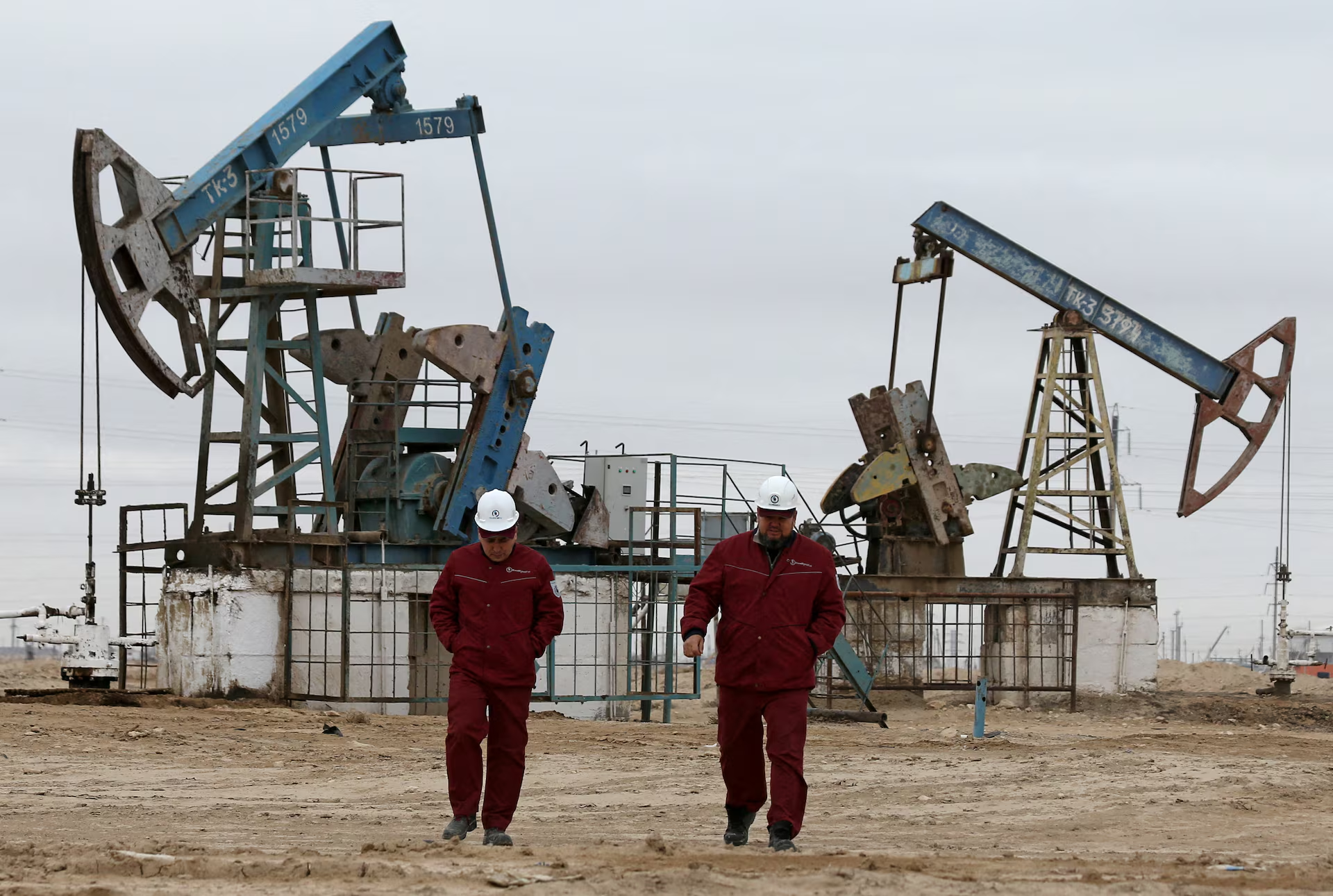

Oil markets are currently in a state of equilibrium, caught in a tug-of-war between supply-side constraints driven by OPEC+ and demand-side anxieties fueled by macroeconomic data.
More stories
Here’s a closer look at the two main forces balancing the market:
1. The Supply Side: OPEC+ Strategy
The market is weighing two conflicting signals from the producer group regarding supply.
- Current Discipline: OPEC+ members, led by Saudi Arabia and Russia, continue to enforce existing production cuts aimed at propping up prices. Any indication that members are adhering to their quotas (or that over-producers like Iraq and Kazakhstan are finally compensating) provides a floor under prices.
- Future Uncertainty (The “Supply” Risk): The market is also looking ahead to the third quarter. OPEC+ has a plan to gradually unwind some of its voluntary cuts starting in April. However, recent price softness and uncertainty about global demand have led to speculation that the group may postpone these increases. This “wait and see” approach from OPEC+ creates a stable, but tense, trading environment.
2. The Demand Side: US Inflation Data
On the other side of the scale, economic data from the world’s largest economy is applying downward pressure.
- Inflation and Interest Rates: Recent US inflation data came in hotter than expected. This is bearish for oil prices because it suggests the Federal Reserve will need to keep interest rates higher for longer.
- The Economic Impact: Higher interest rates slow down economic activity. For oil, this translates to:
- Weaker Industrial Demand: Less manufacturing and transportation fuel consumption.
- Stronger US Dollar: Higher rates typically strengthen the dollar. Since oil is traded globally in dollars, a stronger greenback makes it more expensive for other countries to buy, which can dampen demand.
Summary: The Balancing Act
The market is stable because neither force is currently strong enough to overwhelm the other.
- The Bullish Case (Higher Prices): OPEC+ extends cuts, supply remains tight, and geopolitical risks (such as tensions in the Middle East or attacks on Russian energy infrastructure) disrupt physical supply.
- The Bearish Case (Lower Prices): US inflation proves sticky, the economy slows down more than expected, and OPEC+ follows through on its plan to add more barrels to the market in the spring.
Traders are likely waiting for the next major catalyst—either a clear signal from the Fed on rate cuts or a definitive production decision from OPEC+—to break the current rangebound trading.