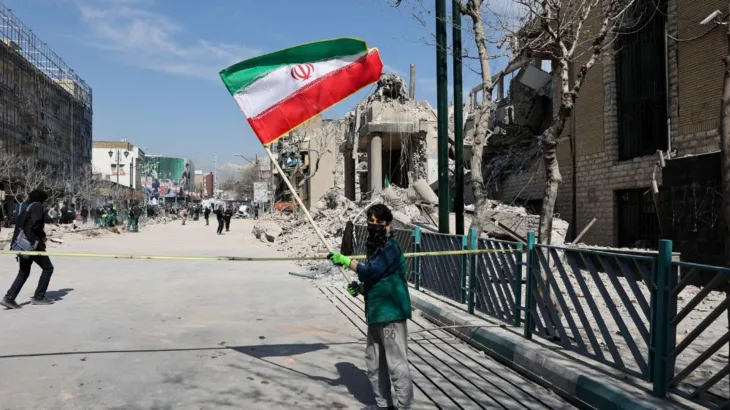

As investors observe growing tensions in the Middle East that could jeopardize the world’s energy supply, particularly shipping via the Strait of Hormuz, one of the most crucial oil transit routes in the world, oil prices are fluctuating dramatically.
The reasons for the volatility of oil prices
Iran-related conflict
Fears of a wider regional conflict have increased as a result of military strikes and retaliation by Iran, the United States, and allies.
Attacks on oil infrastructure are becoming more likely, and energy flows have been hampered.
Dangers to the Hormuz Strait
This small shipping route typically handles about 20% of the world’s oil supply.
As insurers and shipowners reevaluate the security risk, tanker transportation has slowed or stopped.
Increased rates and interruptions in supply
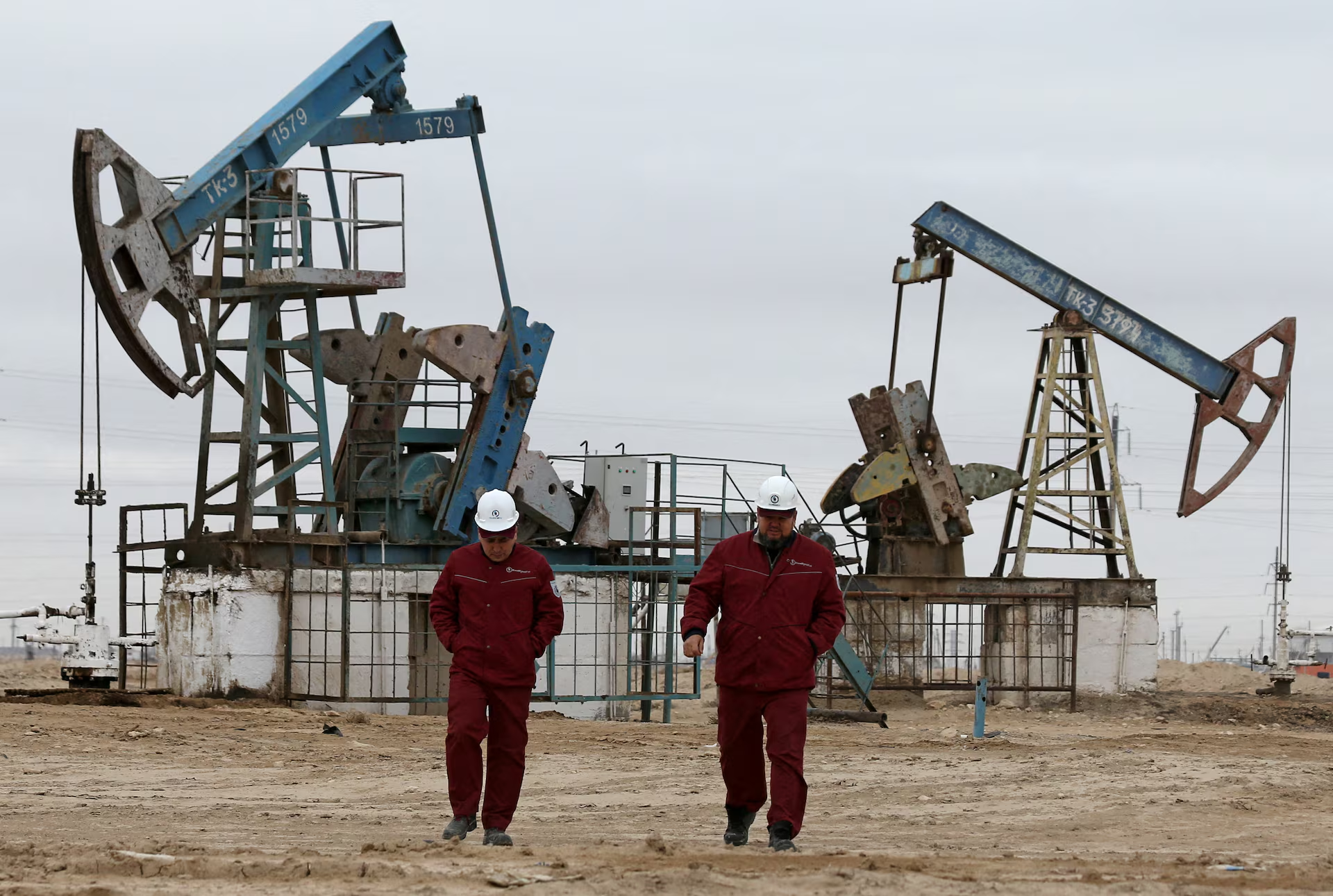

Due to disruptions in some Middle Eastern supplies, consumers are now turning to the United States, Canada, and Africa for their oil needs.
As markets price in supply risk, Brent crude has increased dramatically, occasionally reaching $80–$85 a barrel.
Effects on international marketplaces
Energy prices: Concerns over supplies caused oil prices to rise by about 15% in recent days.
Stocks: As investors turn to energy and defensive assets, global equities have been erratic.
Inflation risks: Central banks’ ambitions to lower interest rates may be slowed by rising fuel prices.
What investors will be looking at next
Whether or not the Strait of Hormuz completely reopens
Potential oil tanker escorts by the US Navy
Any direct assaults against Persian Gulf energy infrastructure
Analysts caution that if disruptions persist, oil prices may rise to about $100 per barrel, which would have an impact on fuel prices, global inflation, and economic expansion.
✅ In summary, oil markets are responding more to the possibility that a significant portion of the world’s energy supply may be cut off by Middle East conflict than to the present shortfalls.
If you’d like, I can also discuss how global inflation and fuel costs in Africa, particularly Ghana, may be impacted by this oil volatility.