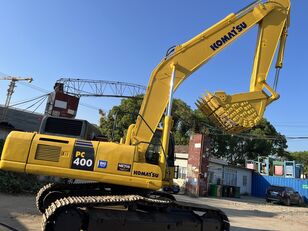

Due to rising infrastructural development, a drive for mine mechanization, and the high cost of equipment purchases, the mining equipment leasing market in India is expanding significantly. This is a thorough market analysis based on the most recent facts and projections.
📈 Overview of the Market and Growth Factors
The market for mining equipment rentals in India is expected to increase significantly due to a number of important factors. One of the main causes is the government’s enormous infrastructure spending, which increases demand for minerals and, in turn, the machinery needed to extract them.
The move from buying to renting is another significant driver, especially given the large initial capital expenditure (CAPEX) needed for sophisticated machinery. Renting gives businesses an affordable way to protect capital, enhance cash flow, and have access to the newest technology without having to worry about ownership and upkeep. This paradigm is particularly useful for dynamically scaling operations and handling project-specific requirements.
The main factors and their effects on the market are outlined in the table below.

Impact of Drivers on Market Timeframe
Spending on Infrastructure by the Governmentincreases the need for mining equipment by driving the demand for minerals.Medium-term (two to four years)
Mechanization and Capacity Expansion: Companies such as Coal India have made significant investments in heavy machinery.Short-term (less than two years)
Growth of Rental Modelsreduces entrance barriers and makes equipment accessible without requiring expensive purchases.Short-term (less than two years)
Tighter Safety Regulationsspeeds up the deployment of safer, more sophisticated, and automated technology.Extended (≥ 4 years)
Investigation of Novel Mineralsincreases the need for specialist equipment for minerals like copper and lithium.Extended (≥ 4 years)
🛠️ Market Difficulties
The market faces a number of obstacles despite the optimistic outlook:
significant Initial prices and Financing Obstacles: Although renting helps consumers avoid capital expenditures (CAPEX), rental companies must pay significant acquisition prices for specialized equipment (often more than $5 million per unit). It can be difficult to secure finance, and rental costs eventually reflect this expense.
Costs of Emissions and ESG Compliance: Adoption of low-carbon technologies is under increasing pressure. Compared to their diesel counterparts, electric or hybrid equipment can cost 15–25% more, and major firms may have to spend 4–7% of their operating budgets on compliance standards.
Skilled Operator Deficit: There is a lack of workers with the necessary skills to operate cutting-edge, digitally enabled, and electric mining equipment.
🏗️ Key Players and Market Segmentation
The kind of equipment and its intended use are used to divide the market.
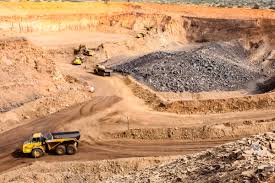
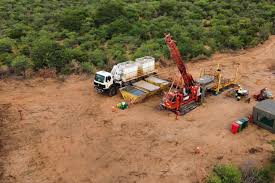
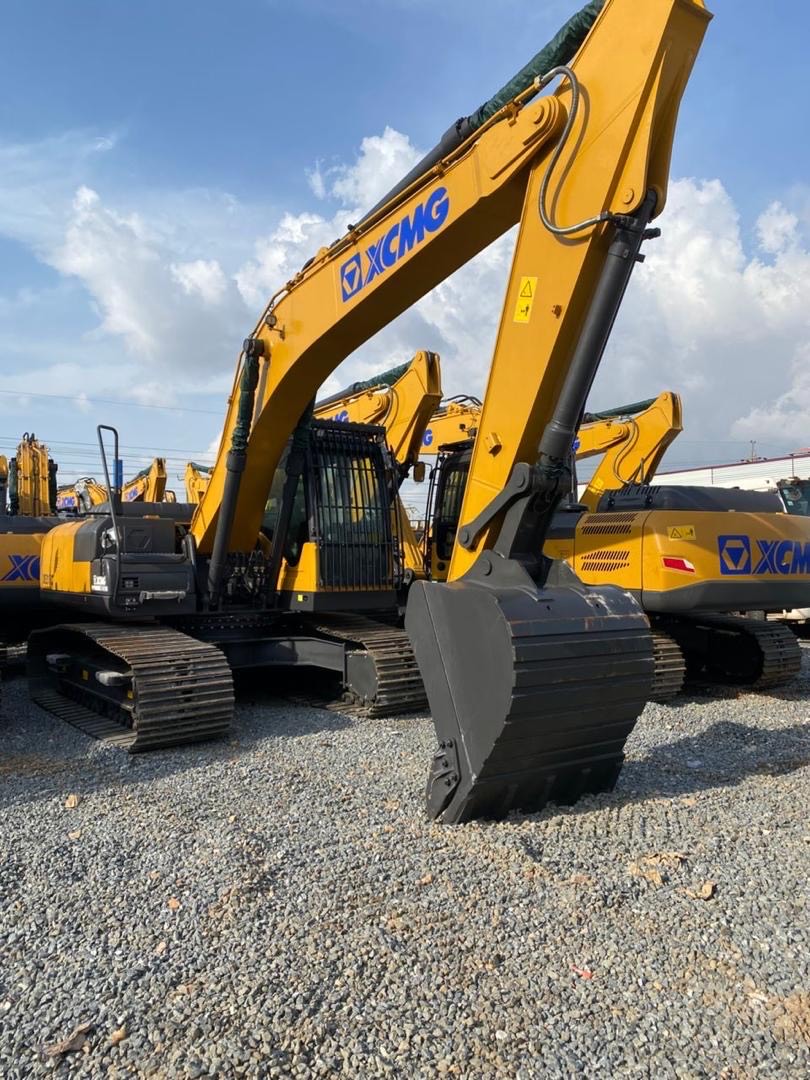
By Equipment Type: Nearly half of the market in 2024 will be made up of surface mining equipment, such as draglines, cable shovels, and high-capacity excavators. However, when reserves run out and technology advances, the market for underground mining equipment is expanding quickly. Another important area of focus is the “auxiliary” rental industry, which includes specialized drilling and pressure and flow control equipment.
By Application: Although the market caters to a number of industries, mining, along with construction and oil and gas, is a significant application in India’s larger machinery rental and leasing sector.
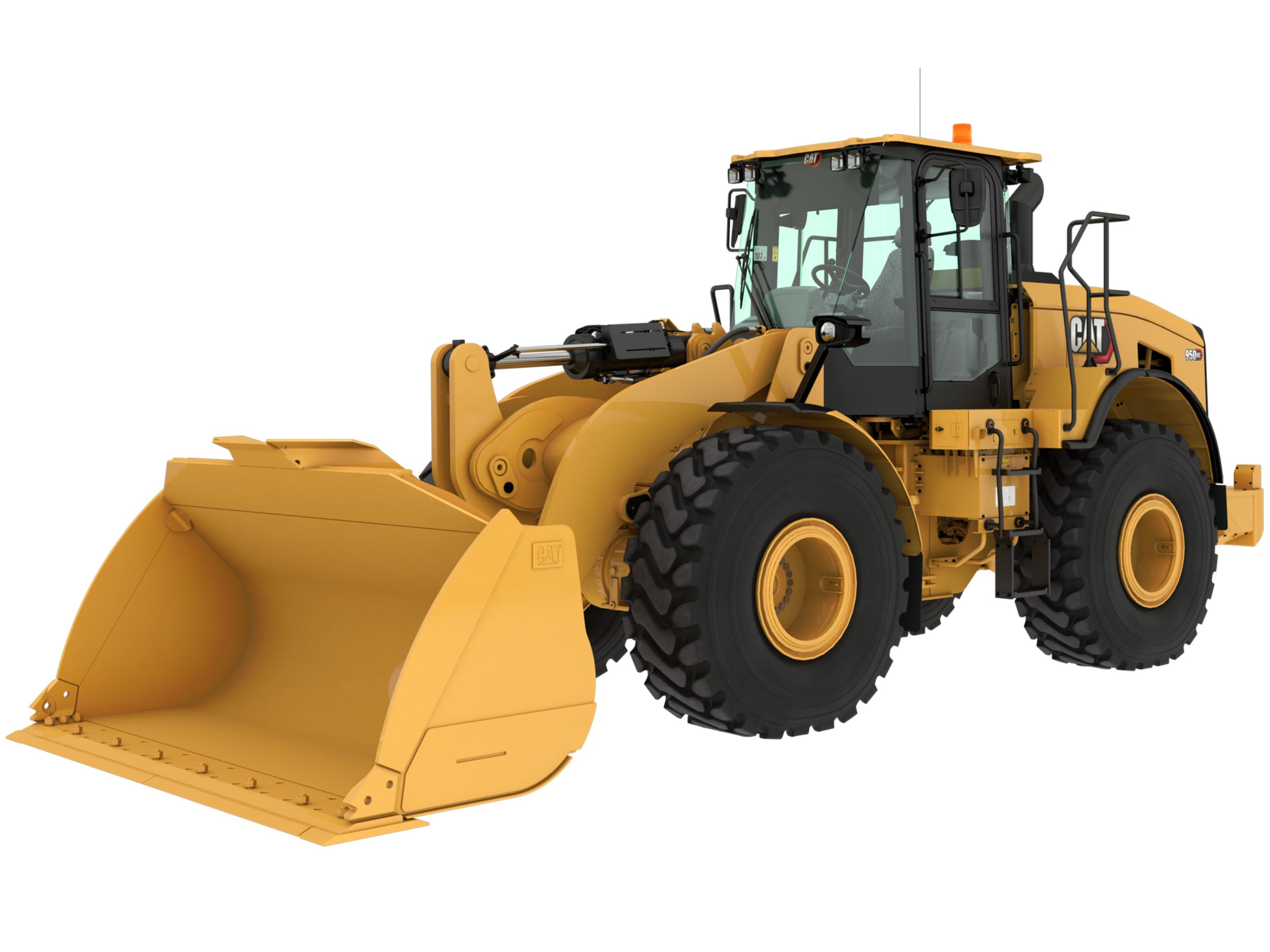
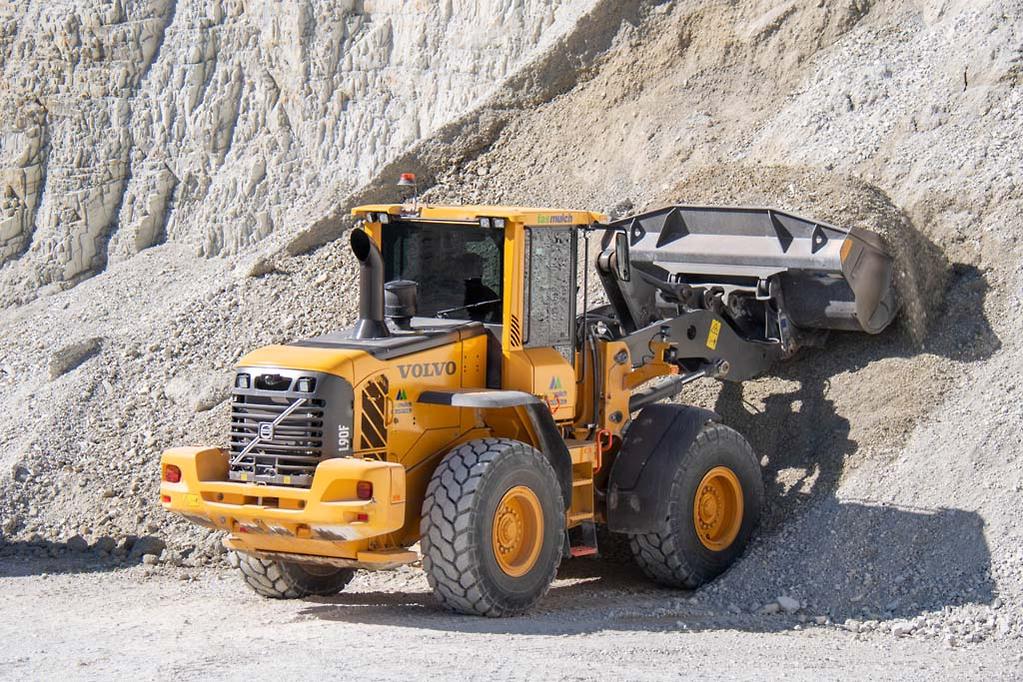
The competitive environment comprises big local and foreign OEMs (Original Equipment Manufacturers) as well as key participants in the larger mining equipment industry, such Epiroc, even though particular market share data is frequently proprietary to detailed reports. Important suppliers of equipment that joins the rental market include Sany and Caterpillar.
I hope this summary gives your study a strong starting point. Would you like a closer look at a certain kind of equipment, such loaders or drilling rigs?