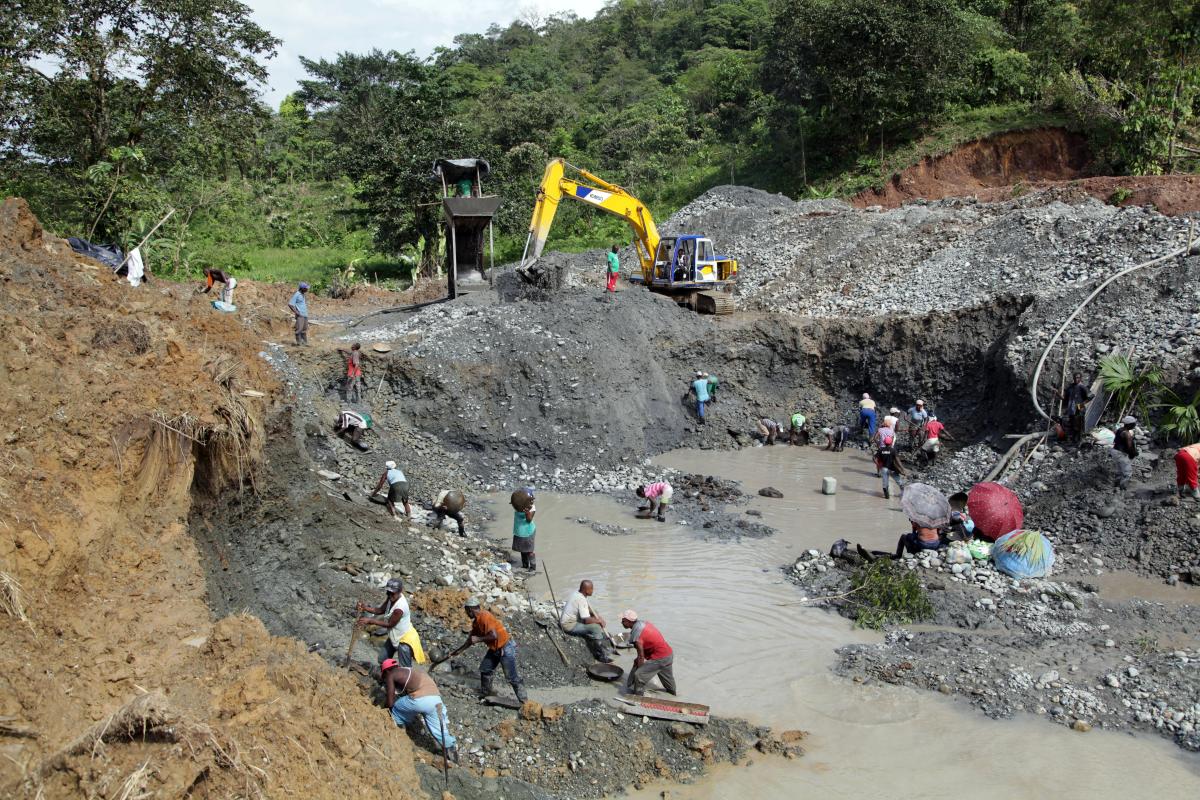

Yes, this is accurate. The Parliament of Ghana has passed the Growth and Sustainability Levy (Amendment) Bill, 2026, which reduces the tax on gold mining companies from 3% to 1% of their gross production . This decision, made in March 2026, is designed to balance the financial impact on mining companies following the introduction of a new, sliding-scale royalty system . Here is a summary of the key details of this policy change: Aspect Detail Policy Action Passage of the Growth and Sustainability Levy (Amendment) Bill, 2026 . Tax Change Reduction of the levy on gold mining companies’ gross production from 3% to 1% . Primary Reason To cushion mining companies against the new Minerals and Mining Royalty Regulations, 2025 . New Royalty System A sliding-scale framework where royalty rates increase with global gold prices (e.g., up to 12% if gold exceeds $4,500/oz) . Government Rationale To make the tax system fairer for both mining companies and Ghanaian citizens, allowing the state to benefit from high commodity prices while supporting industry stability . 🏛️ Rationale and Context The tax cut is directly linked to the implementation of the Minerals and Mining Royalty Regulations, 2025 . This new system introduces a sliding-scale royalty, which moves away from a flat rate. Under this framework: Royalty rates are adjusted based on fluctuations in international gold prices . When gold prices are high, the state’s royalty revenue increases. For instance, Deputy Finance Minister Thomas Nyarko Ampem explained that when the gold price hits $1,900 per ounce, companies will pay 5% royalties; this rises to 6% above $2,000 and can go up to 12% when the price exceeds $4,500 per ounce . The reduction in the Growth and Sustainability Levy from 3% to 1% is intended to mitigate the potential impact of these higher royalty payments on mining companies during periods of peak prices . 💬 Reactions and Industry Response While the tax cut has been passed, it has elicited mixed reactions: Government’s Position: Deputy Finance Minister Thomas Nyarko Ampem stated that the change aims to create a fairer system, allowing Ghana to “take maximum advantage of its natural resources” without placing an undue burden on companies . Industry’s View: The Ghana Chamber of Mines has welcomed the reduction but cautions that it may not be sufficient. Its CEO, Ken Ashigbey, noted that the overall royalty burden on gold producers remains high. He pointed to a recent report showing Ghana’s drop in investment attractiveness and warned that without a balanced tax framework, the country could see reduced investment, production, and potential job losses . Parliamentary Concerns: The Minority Caucus in Parliament had earlier raised concerns that the new royalty regulations could make the sector less attractive to investors and potentially lead to job losses . I hope this gives you a clear picture of the recent tax change in Ghana’s mining sector. Would you like to know more about the details of the new sliding-scale royalty system?