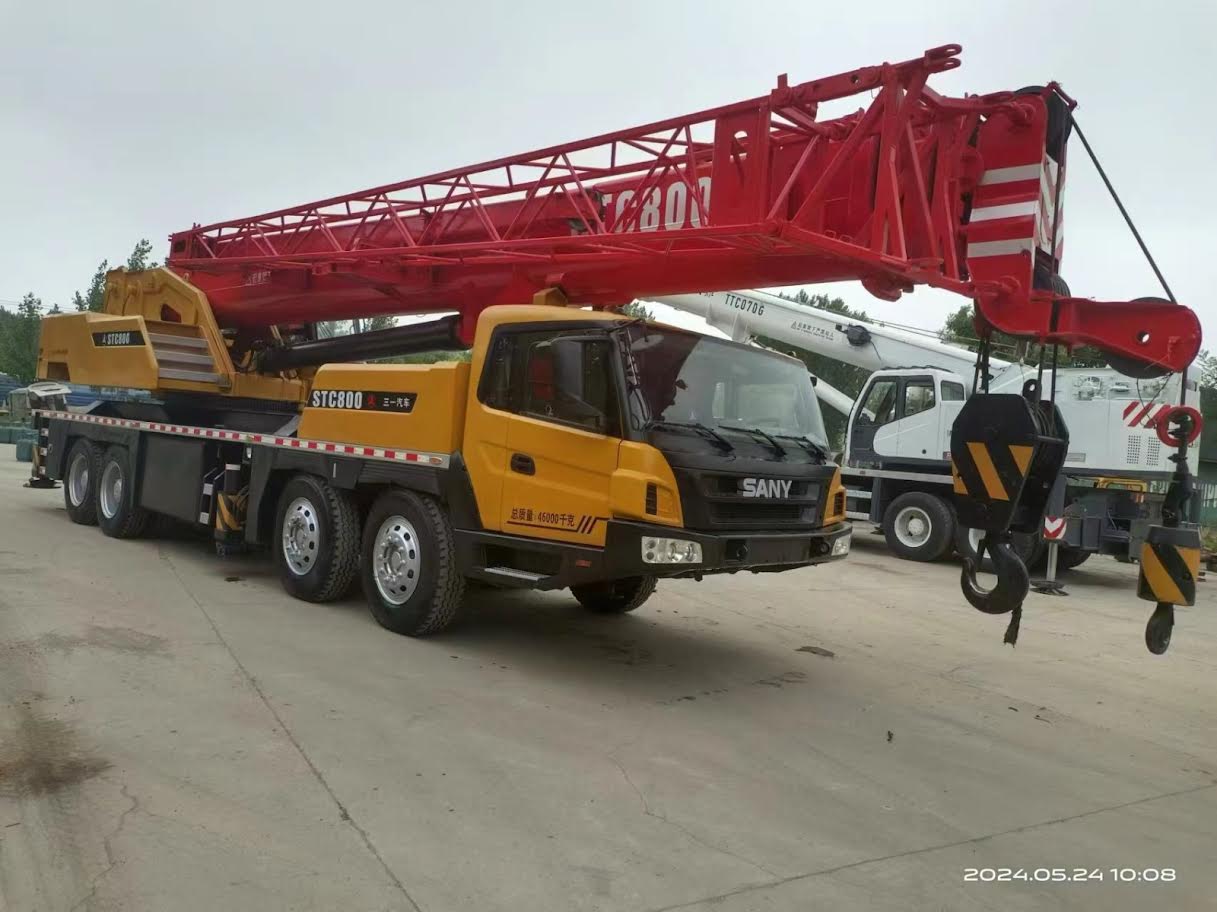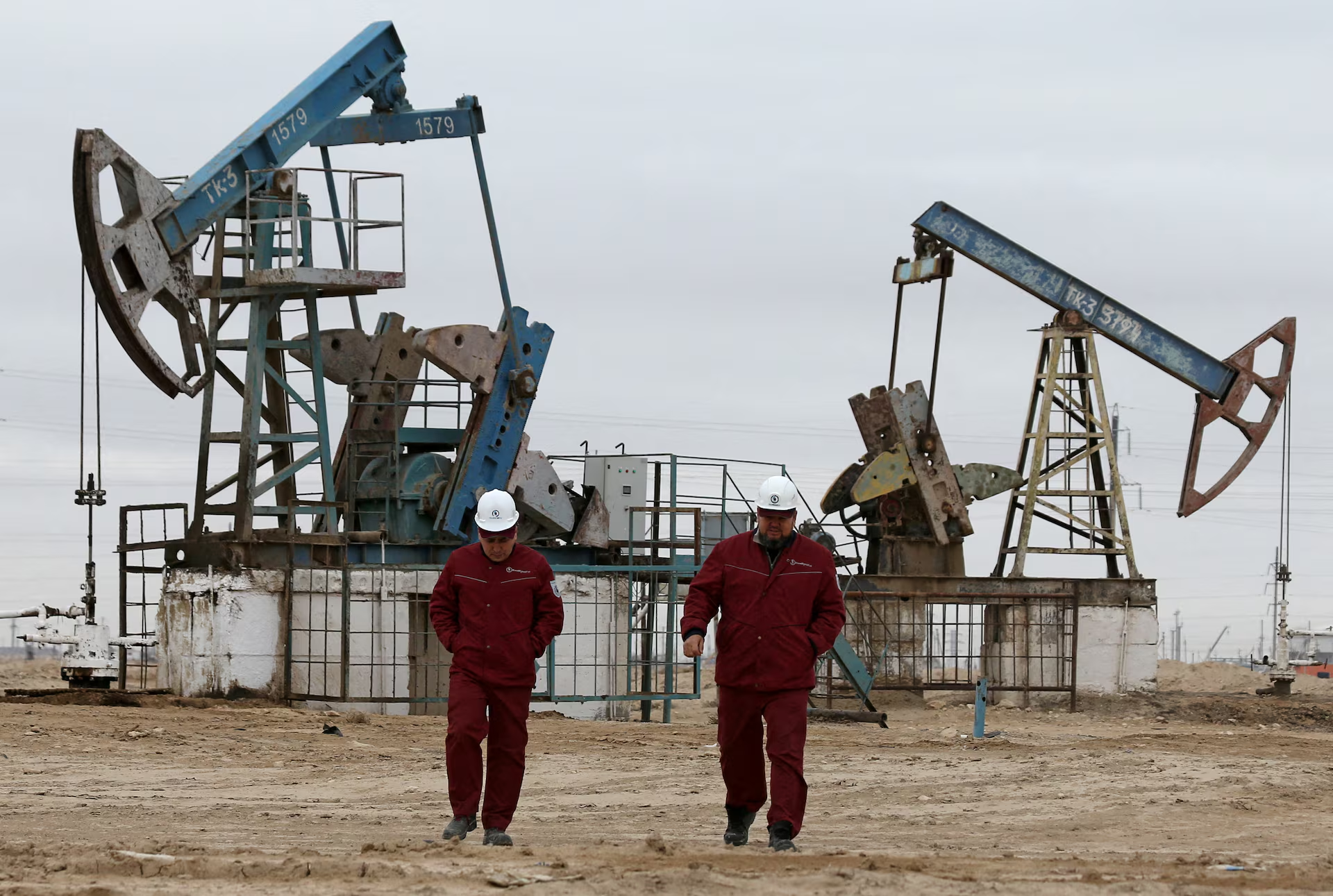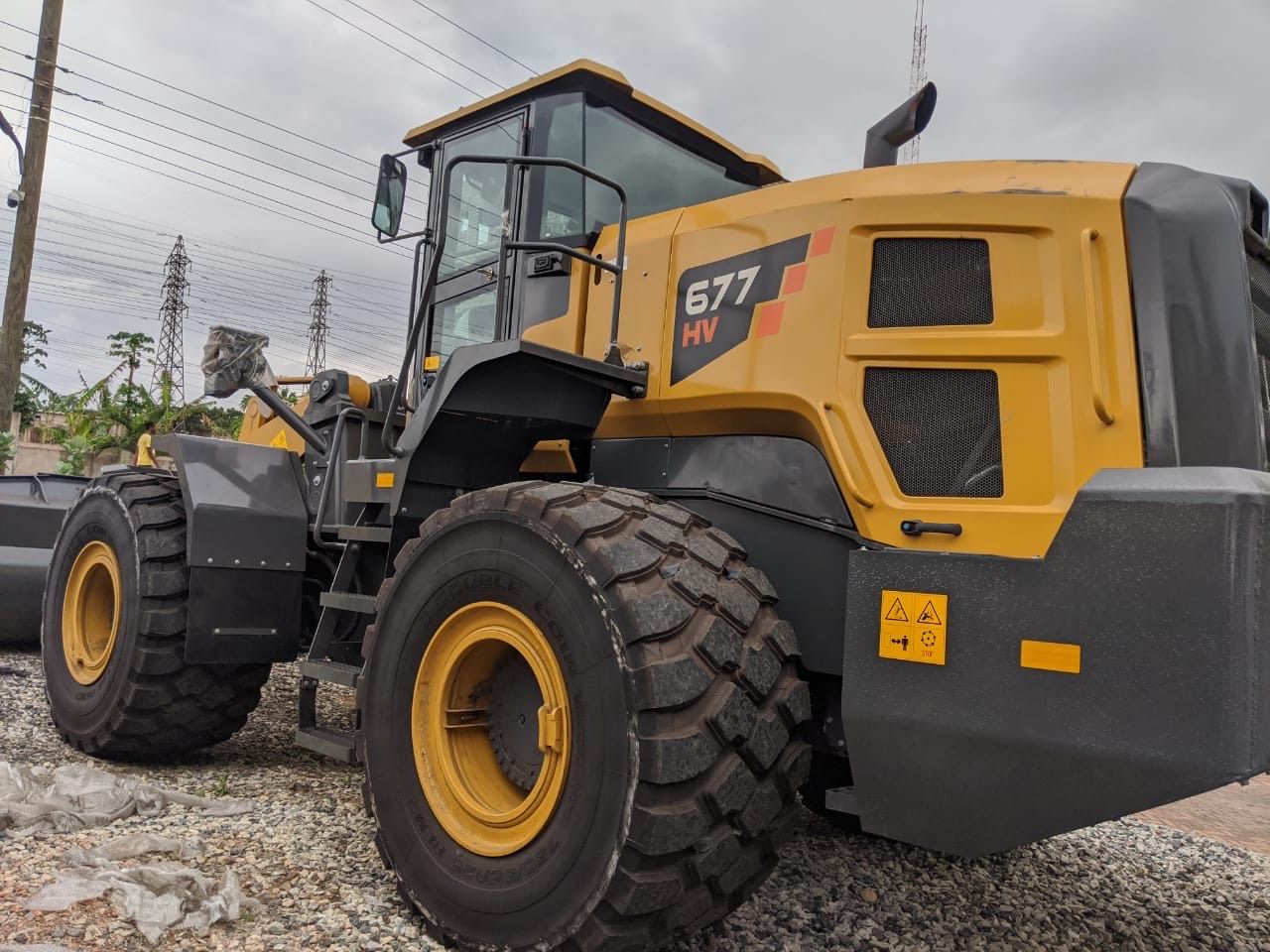

Due to its location at the nexus of mining, asset-light contractor models, and infrastructure expansion, heavy equipment rental in Africa is seeing an increase in private equity (PE) investment. An organized summary of the opportunity, market size, and investment dynamics can be seen below.
- Africa’s Market Size and Growth
The Middle East and Africa (MEA) industry for renting heavy machinery and construction equipment is growing as more and more companies choose to rent rather than purchase equipment.
By 2033, the MEA construction equipment rental market is expected to have grown from $2.78 billion in 2025 to $4.57 billion (≈6.5% CAGR).
According to another projection, the MEA heavy equipment rental market will be worth around $8.37 billion in 2025, or 10% of the global market.
Because renting enables contractors to control project variability and avoid significant upfront capital expenditures, adoption is growing.
Important markets in Africa
High-activity nations consist of:
The biggest and most developed rental environment is in Ghana.
liberia, Kenya, and Nigeria
Tanzania
The equipment rental business in South Africa, for instance, produced roughly $437 million in 2025 and has the potential to grow to $681 million by 2033.
- The Reasons Private Equity Favors This Industry
PE finances are drawn to heavy equipment renting for a number of reasons.
- A surge in infrastructure
Massive infrastructure investments are being made in Africa in the areas of roads, rail, ports, housing, and mining. These projects increase demand for machinery such as dump trucks, excavators, cranes, and bulldozers.
- The trend to asset-light
Renting equipment instead of buying it is becoming more and more popular among construction organizations because
high prices for purchases
complexity of maintenance
Uncertain project pipelines
Rental utilization rises as a result of this structural change.
- Robust cash flow model
Rental businesses produce steady sources of income:
daily rental
weekly lease
long-term lease for a project
services for operators
Strong EBITDA margins are the result of high equipment usage.
- Market fragmentation
The rental market in Africa is extremely dispersed, which means:
Numerous tiny family business owners
restricted consolidation
inadequate fleet management
PE roll-up opportunities result from this.
- Common Strategies for Investing in Private Equity
Three approaches are typically used by PE investors.
- Roll-up + platform
Consolidate smaller fleets and purchase a mid-sized rental operator.
An example of a strategy
Purchase a local rental company.
Invest money to grow the fleet.
Purchase smaller operators in nearby nations.
- Finance for fleets
Give rental companies money so they can expand their fleets.
Categories of equipment:
Cranes and other earthmoving equipment
concrete tools
equipment for mining support
Investors frequently organize this as:
SPV leasing
Debt backed by assets
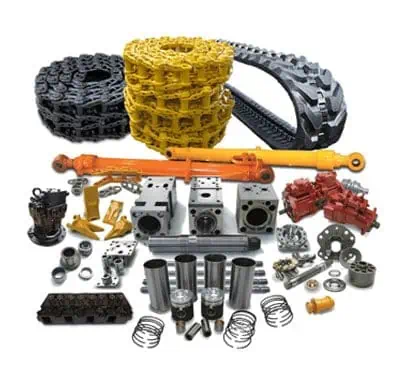
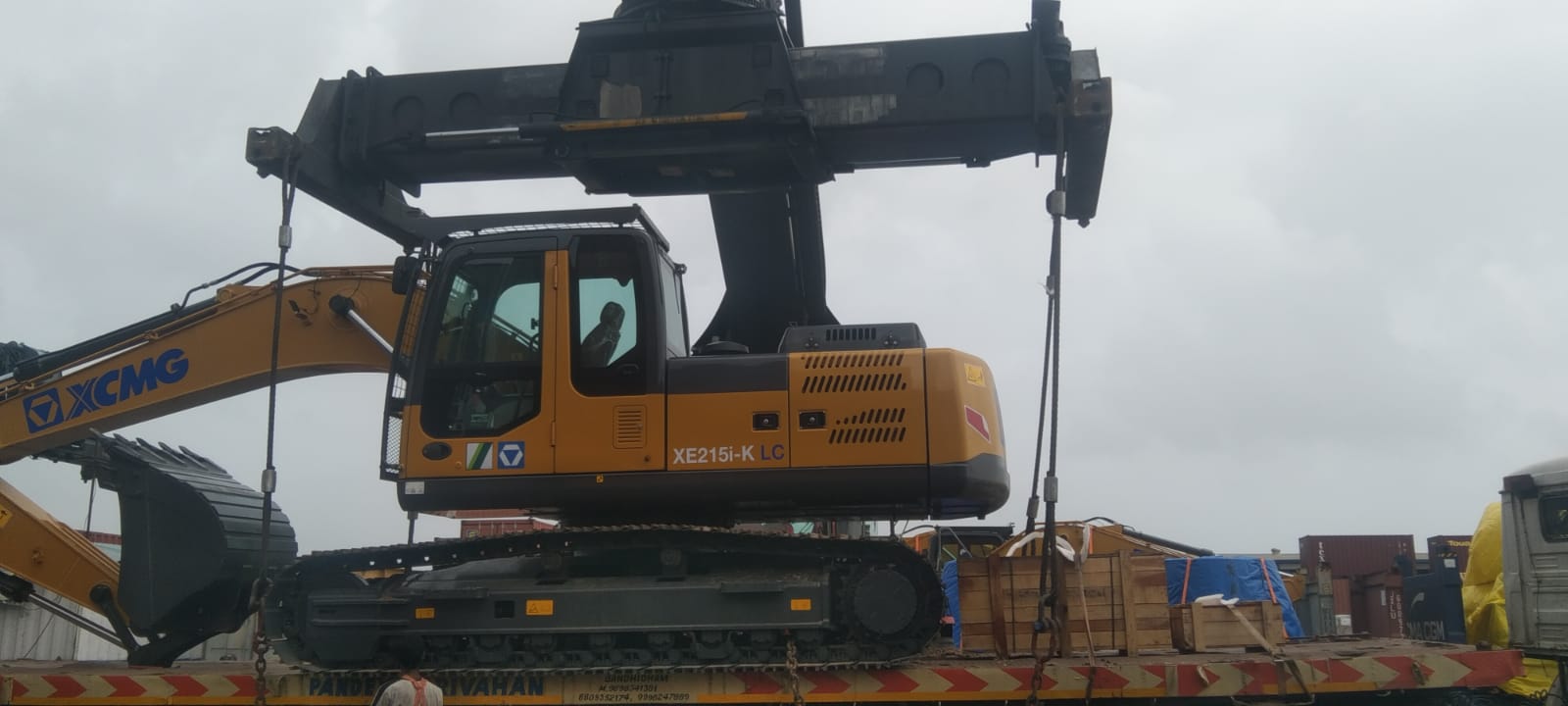
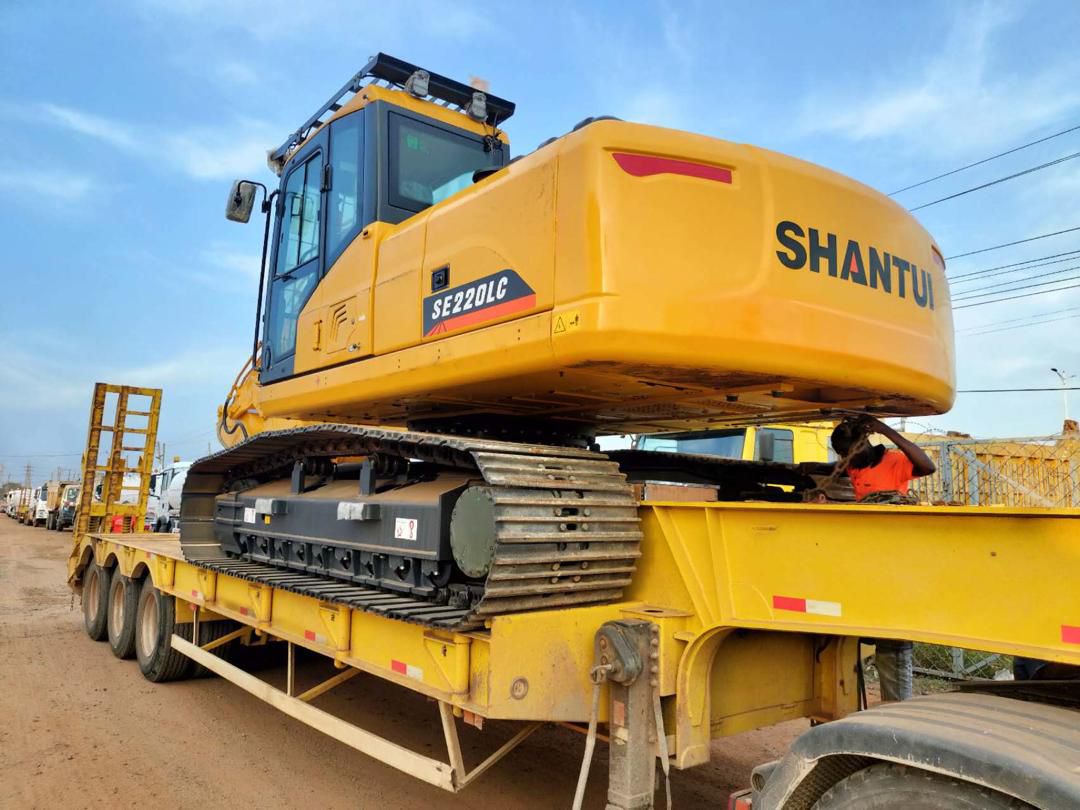
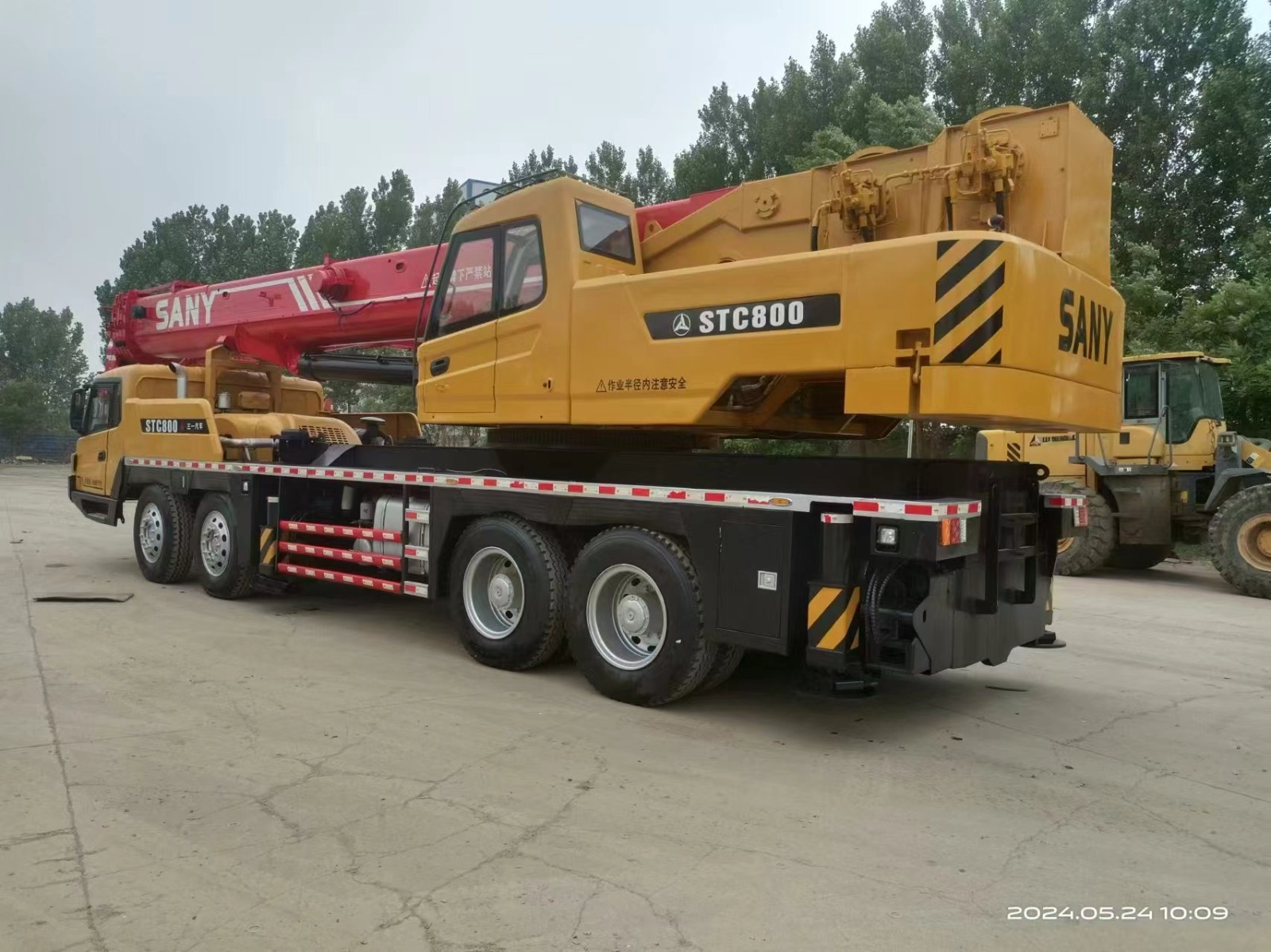
revenue-sharing arrangements.
- Create regional winners
PE firms want to create rental platforms that span multiple countries, including:
Africa’s West
East Africa
Africa’s southern region
At exit, this raises valuation multiples.
- Common Financial Measures
Strong economics are frequently displayed by rental enterprises.
Common measurements (worldwide benchmarks that PE uses):
EBITDA margin is a typical range of 25 to 45%.
60–85% fleet utilization
Equipment life span: 7–12 years; exit multiple: 7–12 times EV/EBITDA
Returns are driven by consistent project pipelines and high utilization.
- Important Private Equity Firms in Africa’s Infrastructure Sector
PE funds that invest in infrastructure, machinery, or building include:
Partners in Helios Investments
Actis
Managers of Infrastructure Investments in Africa
International Development Partners
Adenia Collaborators
These funds frequently make indirect investments through:
contractors for infrastructure
logistics firms
providers of equipment services.
- Investor-Friendly Equipment Segments
The following rental categories are the most lucrative:
Excavators, bulldozers, loaders, and other earthmoving equipment make up the market’s largest revenue sector.
Lifting and cranes
tower cranes
Cranes that move
equipment for heavy lifting
high demand in ports and oil and gas.
Equipment for mining support
dump trucks
compression units for drilling rigs
high demand in nations like as:
Namibia, Ghana, and South Africa
DRC.
- Important Risks Investors Consider
In Africa, private equity funds take a number of risks into account.
Operational maintenance capacity, supply of spare parts, skilled operators, financial fluctuations, foreign exchange volatility, equipment import expenses, project payment delays, and cycles of political infrastructure expenditure
Risk associated with government projects
- The Reasons West Africa Is Developing Into a Hotspot
The following factors make nations like Ghana, Nigeria, and Côte d’Ivoire more alluring:
urbanization and mining growth
new roads and ports
Gas and oil projects
Since many contractors cannot afford to buy huge fleets, the market for rentals is increasing.
✅ In summary, the transition from ownership to rental, fragmented markets, and the expansion of infrastructure in Africa are the main drivers of heavy equipment leasing as a new PE opportunity. Platform-building techniques find the industry appealing because to its robust cash flows and prospects for consolidation.
✅ I can also demonstrate if you would like:
Africa’s leading heavy equipment rental firms
PE recently deals in building equipment.
How to set up a $50–200M PE platform for renting equipment in Africa