
Most experts advise that investing heavily in silver during retirement is too risky due to its high volatility and lack of income generation . However, a small, carefully considered allocation of 5% to 10% of your portfolio might be acceptable as a diversifier and inflation hedge for some retirees .
The table below summarizes the key perspectives from financial experts to help you understand the different viewpoints.
🧐 Understanding the Risks: Why Experts Are Wary

To understand why many experts are cautious, it’s helpful to look at silver’s specific characteristics:
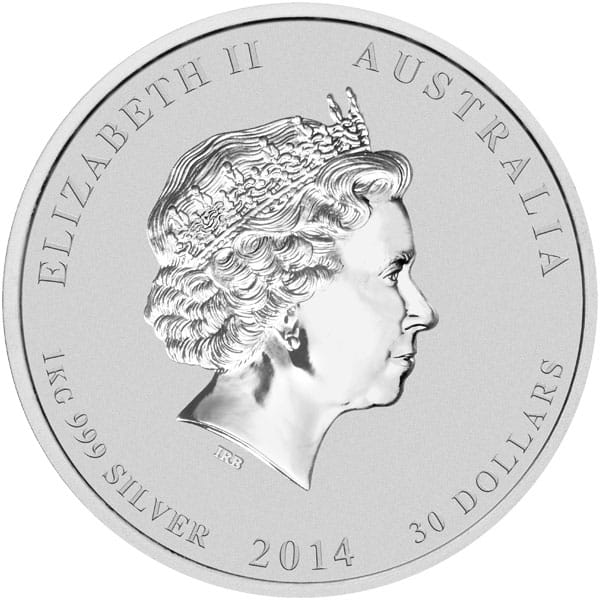
- Extreme Volatility: Silver is significantly more volatile than traditional retirement assets like stocks and bonds, and even more volatile than gold . It can experience sharp price swings, with one expert noting it can move “two to three times more wildly than gold” . For example, an ETF tracking silver prices once fell about 30% from its 52-week high . This kind of volatility can be unsettling and financially risky for retirees who depend on a stable nest egg.
- Lack of Income: Unlike dividend-paying stocks or bonds that generate interest, silver is a “non-productive asset.” It pays no interest or dividends, so its value relies entirely on someone else paying more for it in the future . This makes it harder to rely on for consistent income during retirement.
- Raw Material, Not a Growth Asset: Silver is fundamentally an industrial raw material, used in electronics, solar panels, and medicine . While this creates demand, it also ties its price to industrial cycles, making it more speculative than a pure store of value . Experts caution that it is “not a growth asset” and has historically lagged behind stock market returns .
👍 The Potential Benefits: Why Some Consider It
Despite the risks, some experts and investors see a place for silver in a retirement portfolio for specific reasons:
- Portfolio Diversification: Silver often has a low correlation to traditional assets like stocks and bonds. This means when stocks go down, silver might hold its value or even go up, helping to smooth out overall portfolio returns . It can act as a “safe haven” during times of economic or geopolitical uncertainty .
- Inflation Hedge: As a tangible, hard asset with a finite supply, silver has historically served as a hedge against inflation and a weakening U.S. dollar . Unlike paper currency, its value can’t be printed away by central banks.
- Industrial Demand: Silver’s extensive use in growing industries like solar energy, electric vehicles, and artificial intelligence provides a fundamental source of demand that could support its price over the long term .
🤔 How to Think About Silver in Your Portfolio
If you’re considering silver, here is some practical guidance from the experts:
- Keep It Small: For those who do include silver, it should only represent a small, non-core part of a diversified portfolio. Common recommendations range from 5% to 10% of your total investable assets . One expert explicitly states that “5% of my ‘alternative’ assets” is not extreme .
- Consider a Precious Metals IRA: If you decide to invest, you can do so within a self-directed Gold or Silver IRA. This allows you to hold physical, IRS-approved bullion in a tax-advantaged retirement account, providing the benefits of a tangible asset with the tax treatment of an IRA . Be aware that these accounts require an approved custodian and secure storage, which come with fees .
- Weigh Gold vs. Silver: Gold is generally considered the more stable choice for wealth preservation, while silver is the more volatile option with potentially higher growth (and loss) . Many experts recommend using gold as a foundation and silver as a smaller, complementary addition if you want exposure to precious metals .
In summary, experts suggest that making silver a large part of your retirement strategy is unwise due to its volatility and lack of income. However, a small allocation might offer some diversification benefits.
To help you decide, consider these questions:
- What is your risk tolerance? Can you stomach the possibility of a 30% drop in the value of this portion of your savings ?
- What is your time horizon? If you are already retired, you have less time to wait for a volatile asset to recover from a downturn.
- Why are you investing? Are you looking for growth (better served by stocks) or a hedge against uncertainty (a small amount of silver or gold might help)?
I hope this detailed breakdown helps you make a more informed decision. Feel free to ask if you would like me to clarify any of these points.