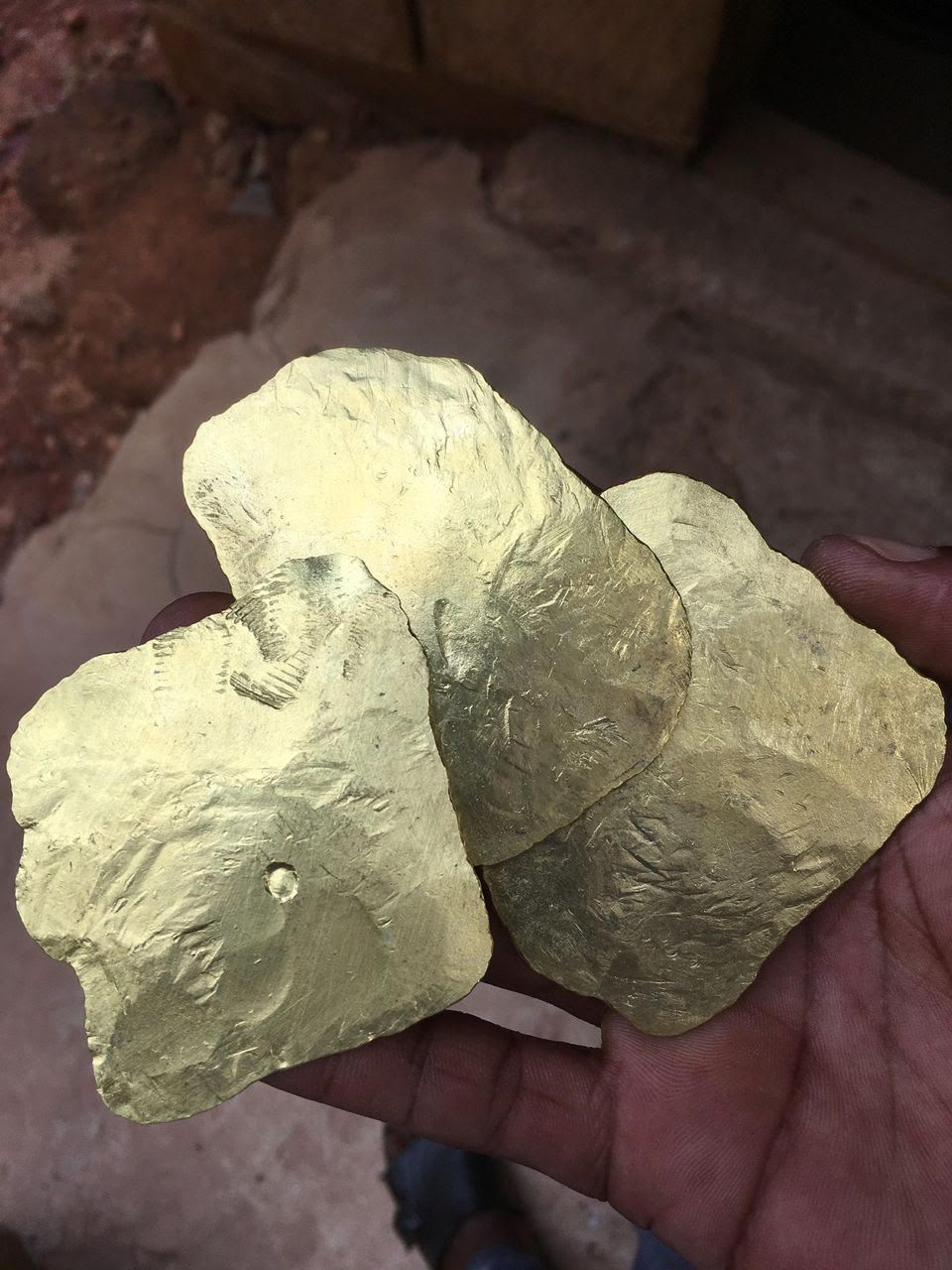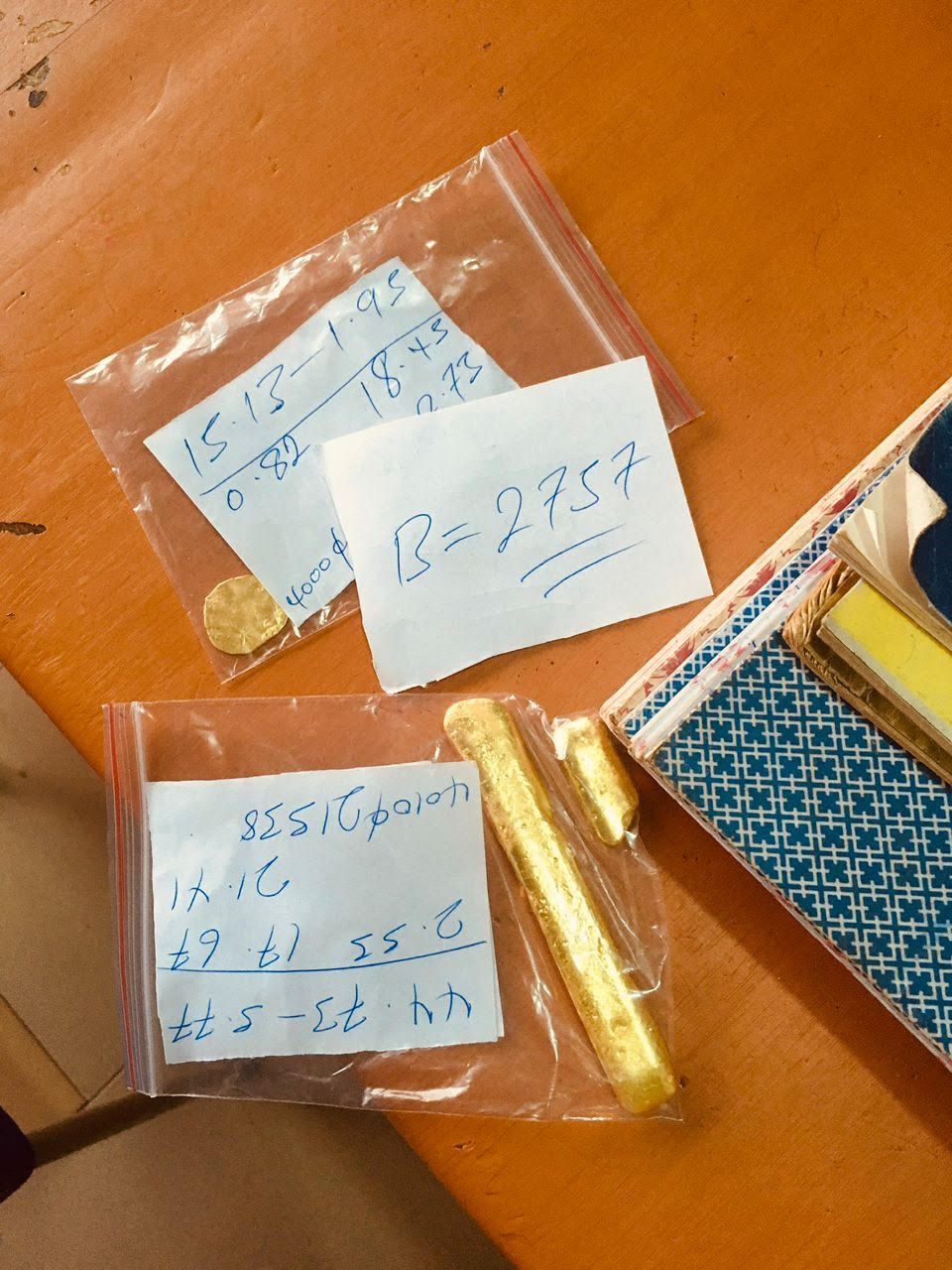

The Bank of Ghana has acknowledged a major fall in its gold holdings, decreasing the share of bullion in its overseas reserves by around 51 per cent as it switches towards foreign-currency assets to increase liquidity and investment returns.
The Governor, Dr Johnson P. Asiama, said the decision was taken after gold came to account for more than 40 per cent of total reserves, a level the Bank felt overly concentrated.
“We were holding a little over 40% at the time, so the decision was made to diversify, and that is what you see,” he stated during the press conference of the 128th Monetary Policy Committee in Accra.
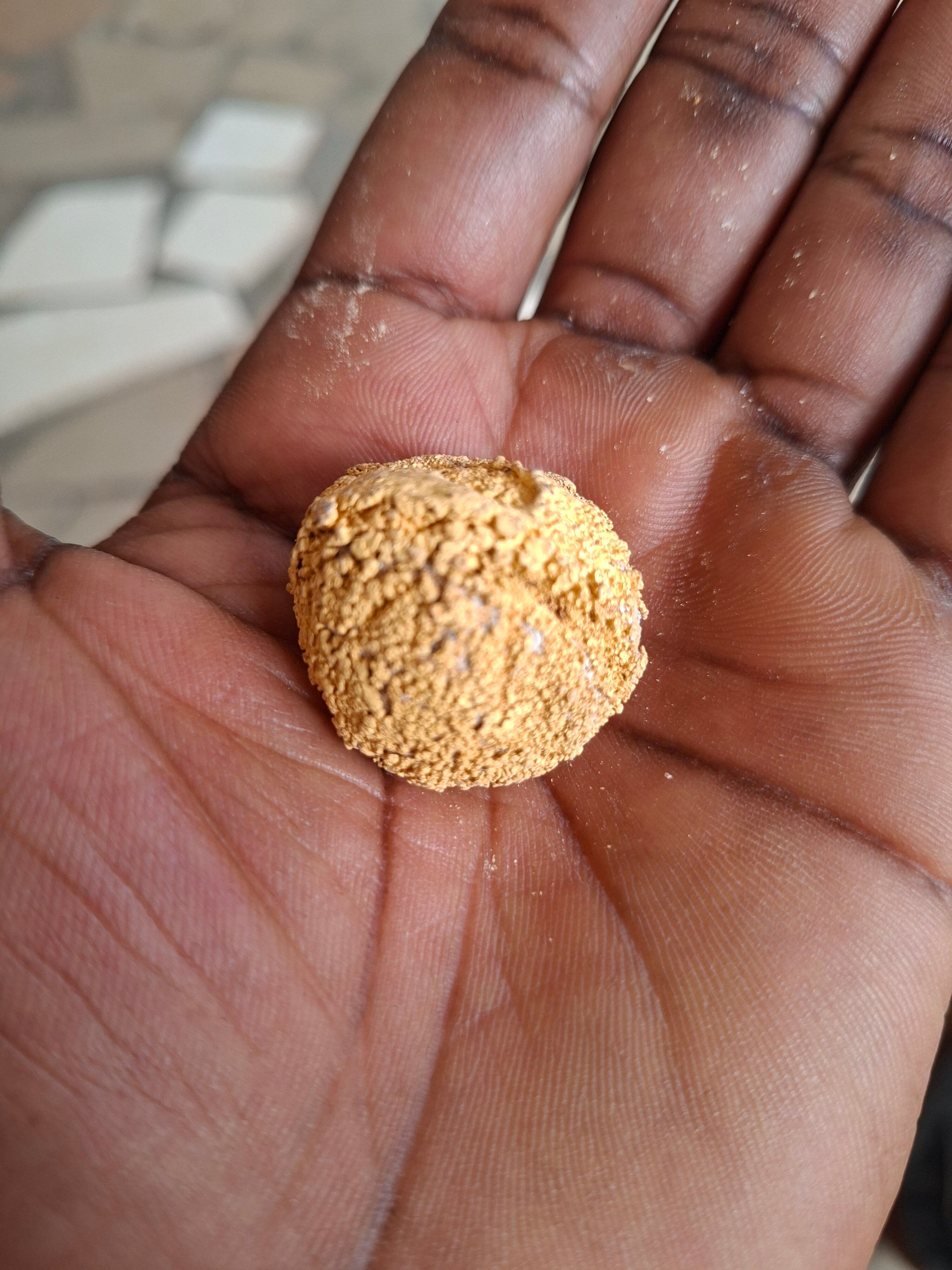
Dr. Asiama claimed that the central bank’s decision to sell off a portion of its gold holdings and reinvest the money into foreign assets that generate income has boosted rather than impaired reserve buildup.
“The intended effects are present. It’s generating dividends and helping to build up reserves,” he continued.
The reduction in exposure to gold coincides with record-breaking worldwide prices, with spot prices surpassing $5,200 per ounce in late January. The governor did, however, warn that the gathering might not go forever.
“It is true gold prices have risen to record levels,” he said, adding that “what you see now may be more transitory and may not be permanent”.
Despite the reduced bullion holdings, Ghana’s gross international reserves grew to US$13.8 billion at the end of December 2025, equivalent to 5.7 months of import cover, up from US$9.1 billion a year earlier. Dr. Asiama emphasized that the action was a portfolio adjustment rather than a withdrawal from gold, adding that future choices would be determined by what is structurally best for Ghana’s reserves.
Source: Graphic Ghana