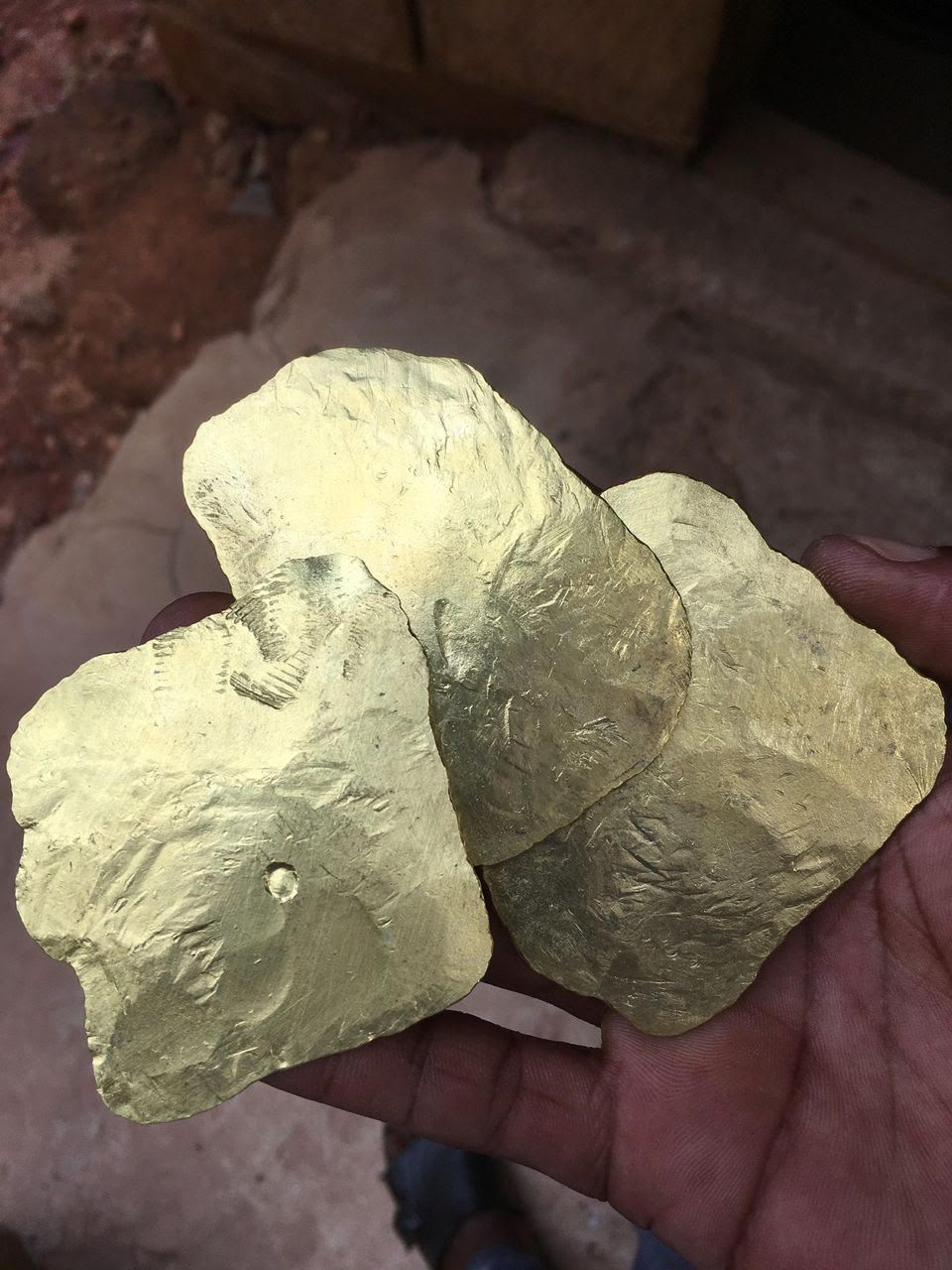

Ghana is experiencing a surge of opportunity as gold prices continue to soar, most recently reaching US$3,949 per ounce.
The Ghana Gold Board reports that gold exports reached a historic high of US$897.6 million in April 2025, which contributed to the strengthening of the cedi and the increase in foreign exchange inflows.
The GoldBod (Ghana Gold Board) is the driving force behind this momentum, as it is empowered to transform a global gold surge into sustainable, broad-based growth.
Ghana’s gold trade was centralized and loopholes that facilitated smuggling and leakage were closed through the establishment of GoldBod under the 2025 Act.
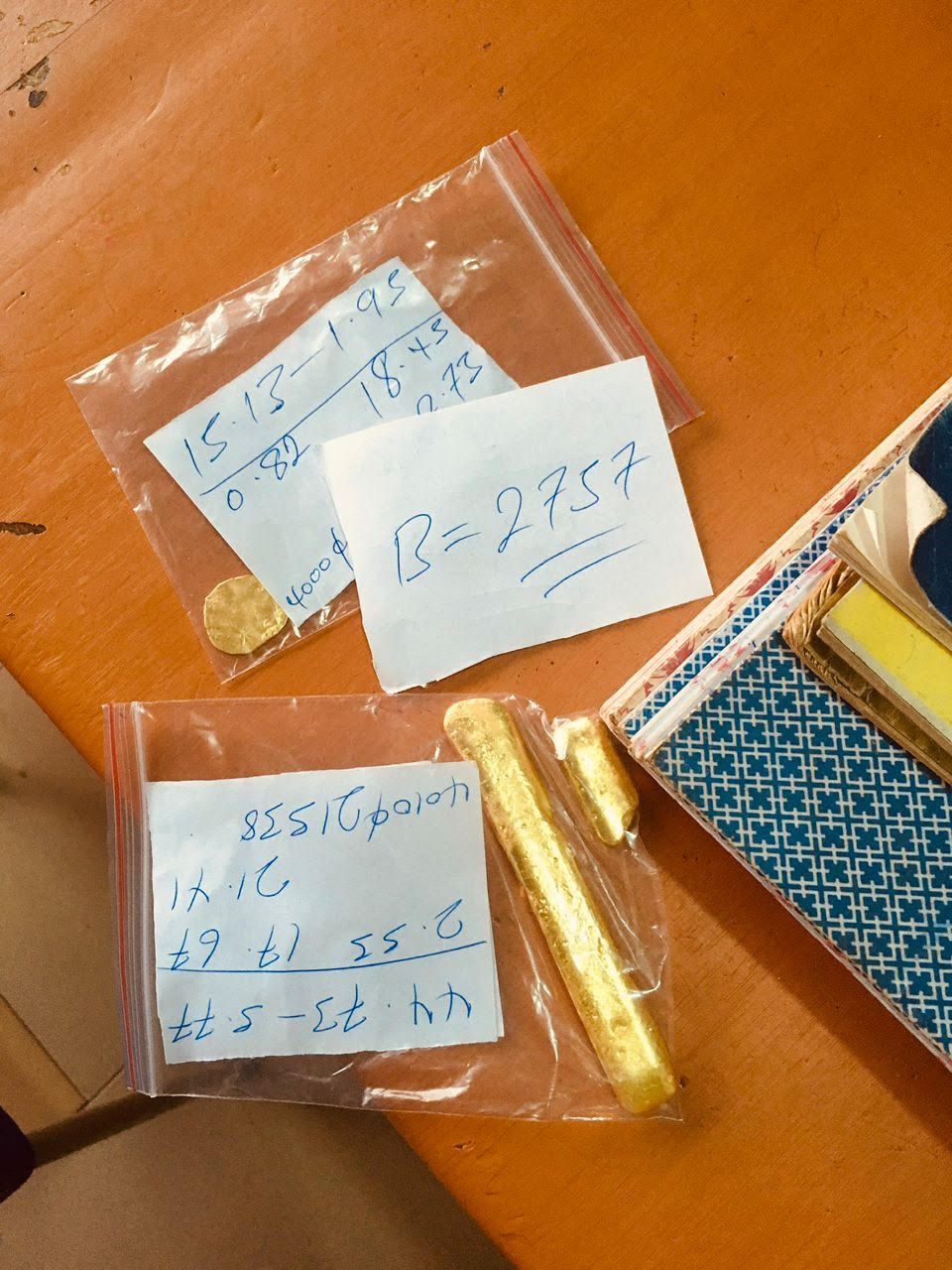
It has the exclusive authority to purchase, assay, grade, and export gold from licensed artisanal and small-scale miners under its mandate.
Despite the increase in global gold prices, the organization’s structure and authority are designed to maximize domestic value.
Reform in Action
Reform is already being supported by GoldBod through visible action.
It has implemented a nationwide traceability system that is intended to guarantee that each ounce of gold can be traced from its source to its sale.
It has furthered its dedication to enforcement by contributing five Toyota pickups and GH¢5 million to Ghana’s anti-illegal mining task forces.
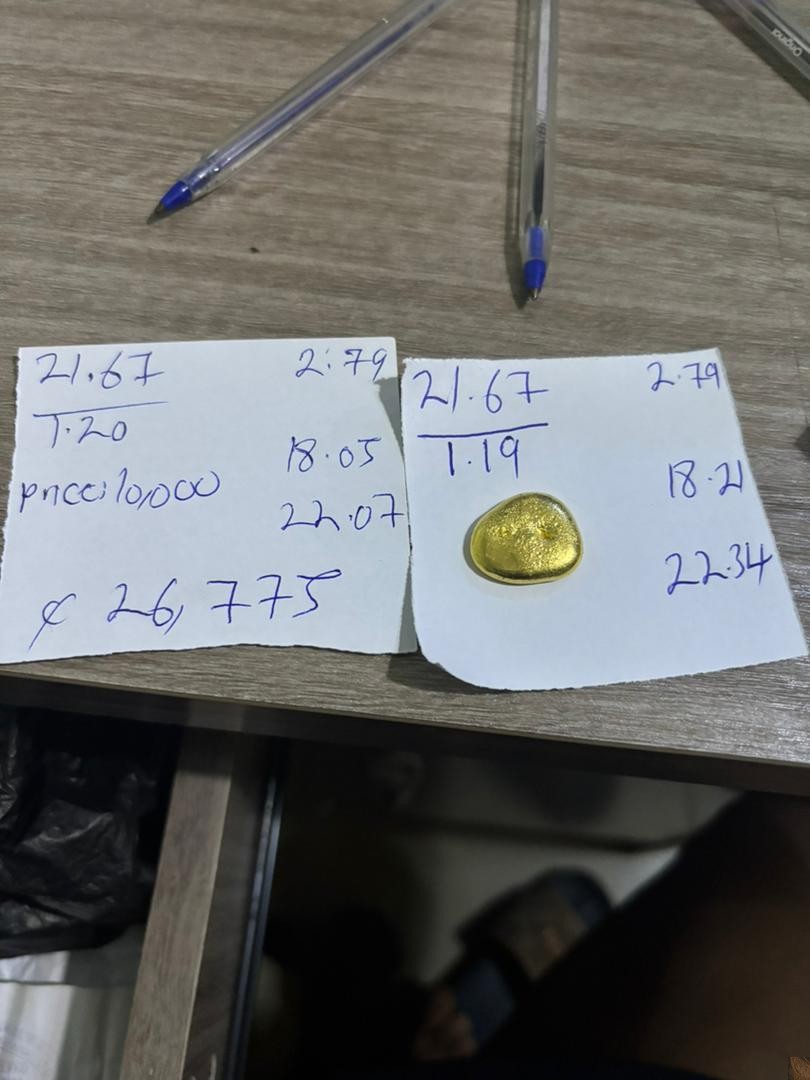
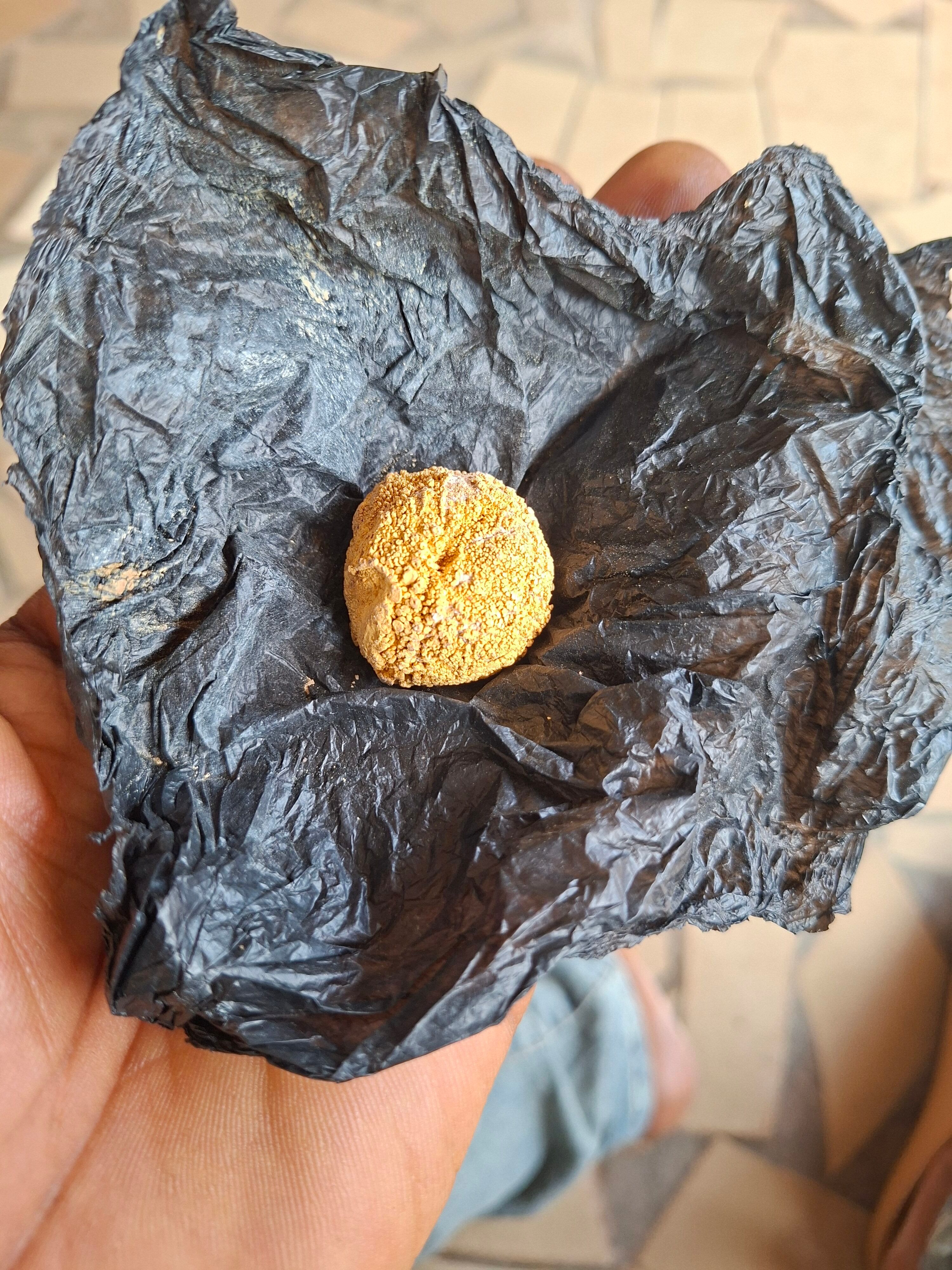
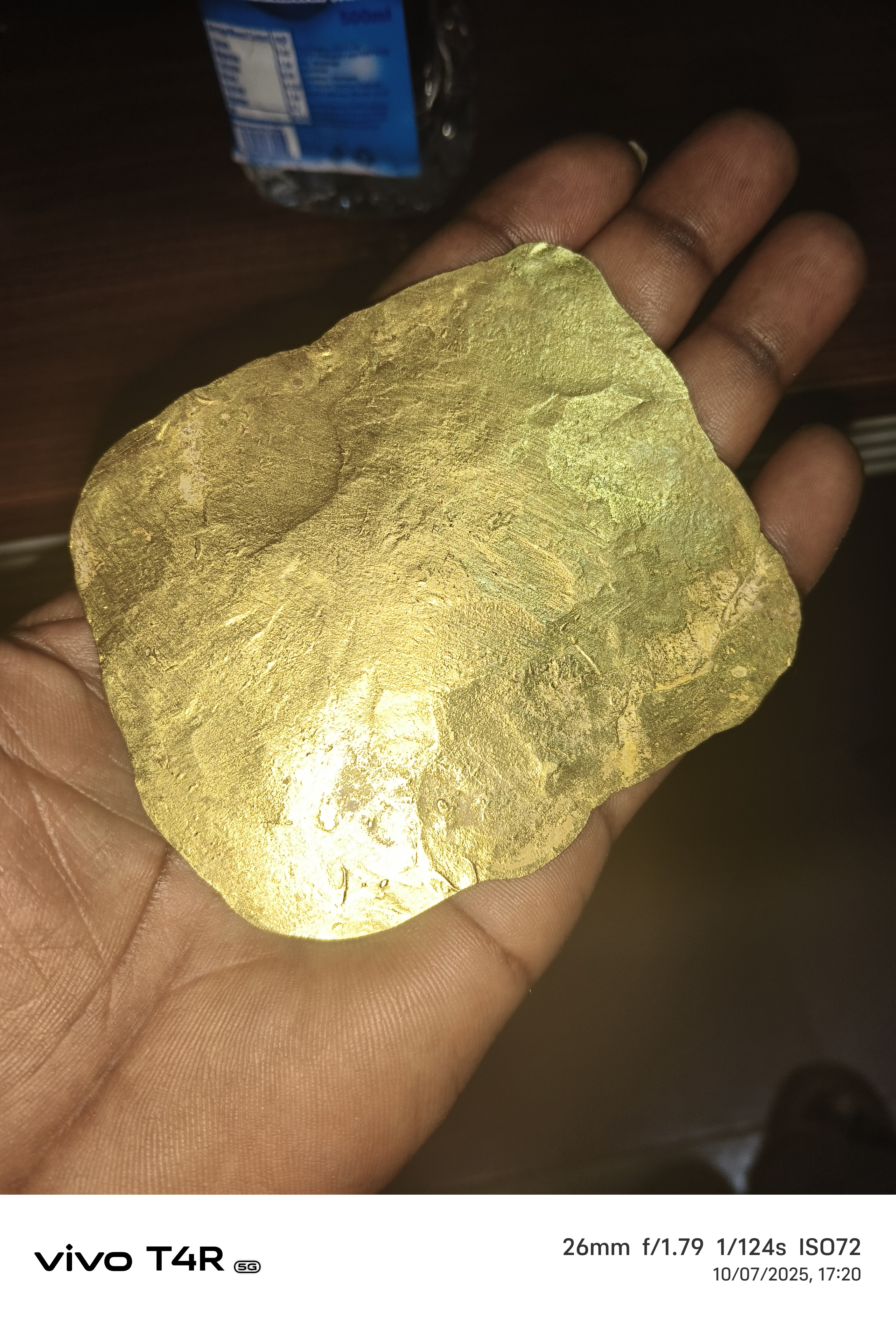
Mr. Sammy Gyamfi ESQ, the CEO of GoldBod, recently declared, “We are dedicated to the transformation of Ghana’s gold trading industry to maximize national benefits through responsible sourcing, value-chain traceability, value addition, and sustainability.”
This transcends mere signaling. GoldBod has implemented measures to enforce stricter compliance, clamp down on endemic smuggling, and suspend licenses.
Certain foreign merchants have been prohibited from engaging in local gold transactions as of May 1, 2025. Currently, only GoldBod is authorized to legally trade artisanal gold.
The significance of this for the recovery process is as follows:
A. Foreign Exchange Inflows + Larger Official Exports
The state is able to stabilize its reserves and alleviate pressure on the cedi as a result of the increase in gold exports. More foreign exchange is now flowing through official channels, and buffers are in place to ensure macroeconomic stability, as illicit exports are now more strictly regulated.
B. Fiscal Leverage
Increased gold revenues result in increased public investment, reduced necessity for aggressive borrowing or monetary expansion, and a more favorable position in debt markets.
C. Environmental Damage and Galamsey Curbing
Rivers, farmland, and ecosystems have been devastated by illegal mining. The expectation is that the enforcement of licensed trade and traceability by GoldBod will result in a reduction in the number of tons that fall outside of regulation and a reduction in environmental damage.
D. Industry Linkages and Value Retention
GoldBod strengthens Ghana’s industrial sector by promoting value addition, refining, jewelry manufacturing, and local fabrication, as opposed to solely exporting raw metal.
E. Demonstrating Investor Credibility
A credible, rule-based gold authority sends a signal to global capital that Ghana is dedicated to good governance. The credibility translation is significant during boom periods.
Caveats and Risks
Gold is not a panacea.
The gains can be lost if government spending mismanages unforeseen gold windfalls. Critics warn that the confluence of regulatory, commercial, and enforcement responsibilities within a single agency can result in conflicts if not managed competently.
Additionally, the price of gold is exceedingly volatile.
Ghana is unable to maintain an unbroken upward trajectory. Additionally, residual informal actors may continue to elude oversight, thereby perpetuating smuggling. A reliance on gold alone that is excessive may obstruct the necessity for diversification.
Verdict
Ghana is on the correct track to economic recovery; however, this is not a mere coincidence. GoldBod possesses the legal authority and procedural momentum to transform the price increase into enduring national value, which is particularly advantageous given the current high demand for gold on a global scale.
With the persistence of fiscal discipline, transparency, and vigilance, this “golden moment” could serve as the foundation for broader resilience, rather than merely a transient flash.