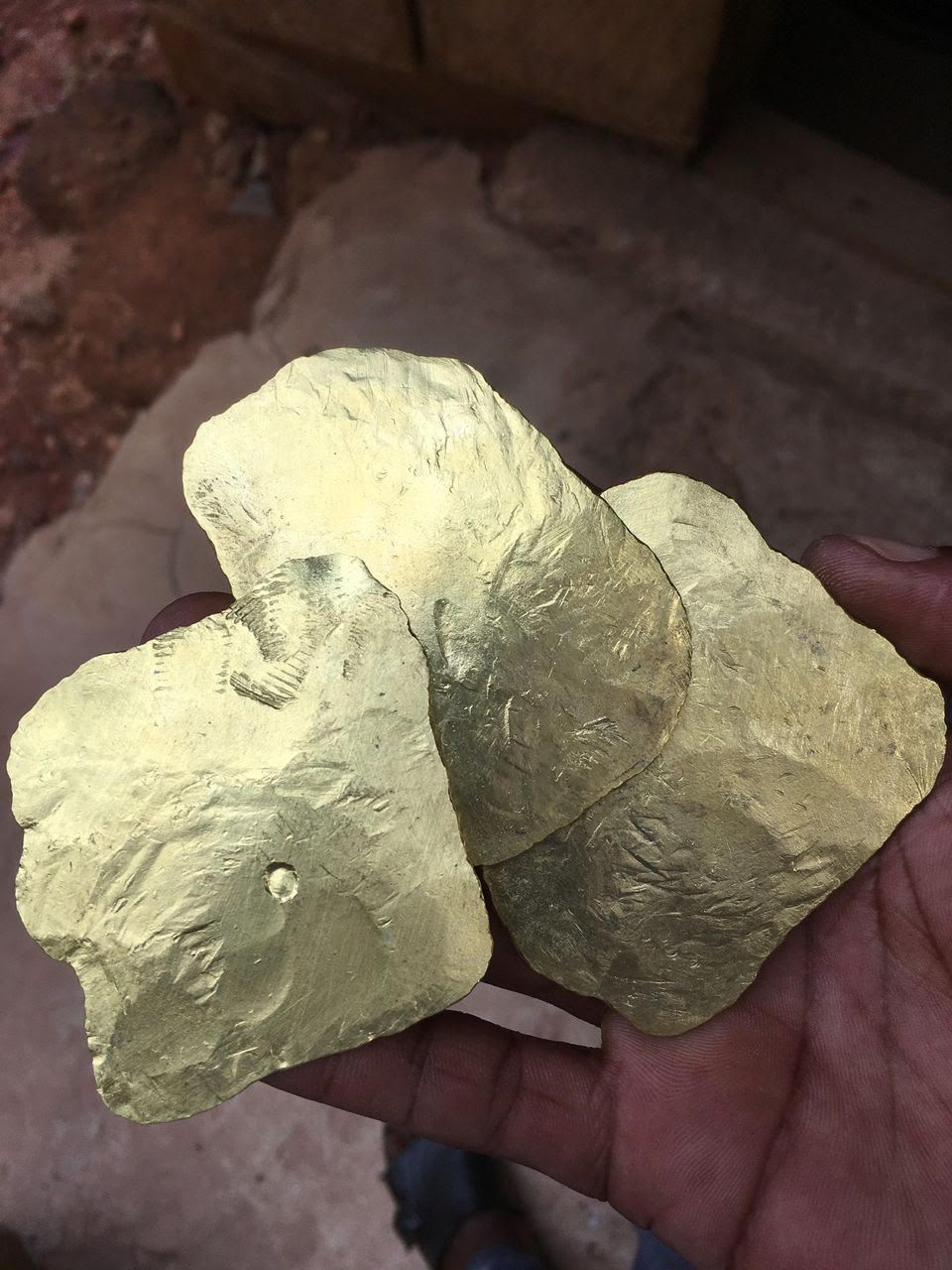

Gold remained near the $4,500-per-ounce level on Tuesday, supported by anticipations of more accommodative U.S. monetary policy and persistent geopolitical tensions that have propelled prices to a series of record highs.
The yellow metal has surged over 70% thus far this year, marking its most significant annual increase since 1979, propelled by a combination of safe-haven demand, expectations of U.S. rate reductions, substantial central bank purchases, dedollarization trends, and ETF acquisitions.
Bullion, a traditional refuge in times of economic and political instability, reached an all-time high of $4,497.55 earlier in the session.



Spot Market
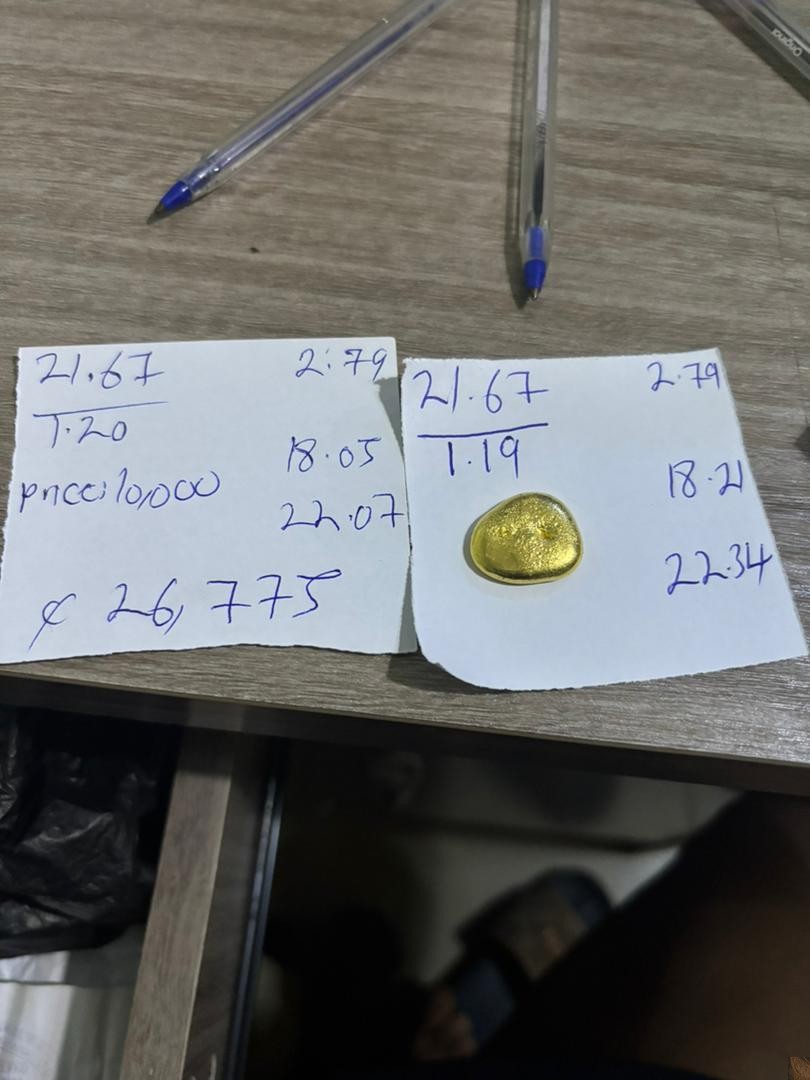
Large purchasers and institutional investors typically acquire gold through major banking institutions. The immediate interplay of supply and demand forces establishes prices in the spot market.
London serves as the most influential centre for the spot gold market, primarily because of the prominence of the London Bullion Market Association. The association establishes standards for gold trading and offers a framework for the over-the-counter market, enabling transactions among banks, merchants, and institutions.
China, India, the Middle East, and the United States are additionally prominent centres for gold commerce.
Futures Market
Investors can also gain exposure to gold through futures exchanges, where participants purchase or sell a specific commodity at a predetermined price on a specified future date.
COMEX (Commodity Exchange Inc), a division of the New York Mercantile Exchange, represents the largest gold futures market by trading volume.
The Shanghai Futures Exchange, the premier commodities exchange in China, also provides gold futures contracts. The Tokyo Commodity Exchange, commonly referred to as TOCOM, is a significant participant in the Asian gold market.
Exchange-Traded Instruments
Exchange-traded products or exchange-traded funds issue securities collateralized by physical metal, enabling individuals to gain exposure to gold prices without taking delivery of the metal itself.
Exchange-traded funds have emerged as a significant segment of investment demand for the precious metal.
Inflows into physically backed gold exchange-traded funds amounted to $64 billion year-to-date through October, according to data from the World Gold Council, with a record $17.3 billion invested in September alone.
Key Takeaways
- Gold is near $4,500 per ounce, driven by U.S. monetary policy expectations and geopolitical tensions, marking a 70% increase this year.
- Bullion reached an all-time high of $4,497.55, highlighting its role as a safe haven amid instability.
- The spot gold market operates mainly in London, influenced by the London Bullion Market Association, which establishes trading standards.
- Investors can trade gold through futures on exchanges like COMEX and the Shanghai Futures Exchange, providing exposure to price movements.
- Exchange-traded funds have seen significant inflows—$64 billion year-to-date—with a record $17.3 billion invested in September alone.
Estimated reading time: 3 minutes