
heavy equipment market in Saudi Arabia with a very simple query. This suggests they want comprehensive market intelligence – likely for business research, investment consideration, or strategic planning purposes. I’ll need to provide a thorough overview covering market size, growth drivers, trends, and key players.
I plan to structure the response with a market overview first, then the key growth drivers from Vision 2030 and mega-projects, followed by major trends like localization and rental models, competitive landscape, and challenges. If the search results contain sufficient data, I’ll present it in an organized way that’s easy to digest.
Looking at the search results, I have excellent coverage. A very timely report from Argaam published just days ago gives official statements about SAR 22 billion annual market potential and 256,000 operating units – this is highly authoritative as it quotes the Executive Vice President of the Industrial Center directly.
Several market research reports provide varying market size estimates. Expert Market Research shows USD 1.52 billion in 2025 , while IMARC Group shows USD 2.4 billion . These differences reflect different scopes and methodologies, so I should present both transparently. The Mordor Intelligence report offers useful regional context with GCC infrastructure pipeline analysis.
The Chinese news sources are particularly valuable for showing real market activity – SANY securing “hundreds of millions RMB” in orders at HEC 2026 demonstrates active deal flow. Though these are news aggregators with moderate authority, the content is verifiable and timely.
The LinkedIn article has lower authority but provides some useful rental market insights. The IndexBox crane report is highly specific and less relevant for the broad heavy equipment query.
For key players, multiple sources consistently name Caterpillar, Komatsu, Volvo, Hitachi, SANY, XCMG, and others, giving me confidence in presenting these as major market participants.


I’ll organize the response with clear sections using emoji headers as requested, integrating the diverse data points while acknowledging the variation in market size estimates. The Vision 2030 drivers, localization push, rental trend, and key players will be prominently featured.
The heavy equipment market in Saudi Arabia is experiencing a period of significant growth and transformation, fueled by the ambitious goals of Vision 2030. Massive investments in infrastructure, new giga-projects, and preparations for global events like the 2034 FIFA World Cup are creating unprecedented demand .
Here is an overview of the current state of the Saudi Arabian heavy equipment market, including its size, key trends, major players, and growth drivers.
📈 Market Size and Growth Projections
While estimates vary slightly depending on the specific categories included, all indicators point to a robust and expanding market.
- A government official recently stated that the annual market potential is estimated at around SAR 22 billion (approx. $5.9 billion) , with a total market value expected to exceed SAR 100 billion over the next four to five years .
- Currently, approximately 256,000 heavy equipment units are operating in the Kingdom, highlighting the scale of operational demand .
- Market research firms provide additional context:
- The construction equipment market alone was valued at $2.4 billion in 2025 and is projected to reach nearly $3.2 billion by 2034, growing at a compound annual growth rate (CAGR) of 3.26% .
- Another report estimates the 2025 market size at $1.52 billion, with a forecast to hit $2.32 billion by 2035 (CAGR of 4.3%) . These differences often stem from varying scopes, such as including or excluding certain machinery types like mining or agricultural equipment.
🏗️ Key Growth Drivers: The Vision 2030 Effect
The primary engine of growth is the Saudi government’s Vision 2030 program, which is funneling massive investments into diversifying the economy and developing the country’s infrastructure .
- Giga-Projects: Unprecedented projects like NEOM, the Red Sea Project, and Qiddiya are in full swing, requiring vast fleets of heavy machinery for earthmoving, lifting, and construction .
- Infrastructure and Urban Development: There is a nationwide push to expand transportation networks, including the new King Salman International Airport in Riyadh and major port expansions like the one at Jeddah Islamic Port, which drive demand for material handling equipment .
- Housing Programs: Government initiatives like the Sakani program aim to increase homeownership to 70% by 2030, leading to a boom in residential construction and demand for equipment like excavators, loaders, and concrete machinery .
- Mining Sector Growth: Increased investment in the mining sector is projected to significantly boost GDP and create jobs, further increasing the utilization of heavy equipment .
🚀 Major Market Trends
The Saudi market is not just growing; it is also evolving with new technologies and business models.
- Localization and Manufacturing: There is a strong push to localize the heavy equipment industry to reduce reliance on imports. The recent Heavy Equipment Connect (HEC) Forum in February 2026 saw deals and industrial licenses worth over SAR 4 billion signed, reflecting a shift from planning to actual implementation . The government has identified 16 investment opportunities worth up to SAR 8 billion in final equipment and component manufacturing .
- Shift to Rental Models: Contractors are increasingly opting for equipment rental rather than direct purchase. This trend is driven by a desire for cash-flow optimization, flexibility, and access to newer, more technologically advanced machinery without a large upfront capital investment. The rental niche is seeing double-digit growth .
- Demand for Advanced and Durable Equipment: With extreme desert conditions, there is high demand for machinery that is durable, offers high heat resistance (operating up to 60°C), and requires low maintenance. Furthermore, there is a growing market for smart equipment with telematics, IoT, and automation to improve efficiency and reduce downtime .
- Focus on Sustainability: While diesel/ICE models still dominate, there is an accelerating adoption of electric and hybrid machinery, especially in urban projects and as part of broader decarbonization goals .
🏢 Competitive Landscape
The Saudi market is a mix of global OEMs and local distributors, with increasing participation from Chinese manufacturers.
- Global Leaders: Major international players maintain a strong presence. Key companies mentioned across multiple reports include Caterpillar, Komatsu, Volvo CE, Hitachi Construction Machinery, and Liebherr .
- Chinese Manufacturers: Companies like SANY Group and XCMG are aggressively expanding. SANY, for example, secured orders worth hundreds of millions of RMB at the HEC 2026 forum, offering solutions tailored to local needs . XCMG has opened a subsidiary and service centers in Riyadh and Dammam to enhance its local presence .
- Other Key Players: The market also features CNH Industrial, Doosan, Kobelco, JCB, and Zoomlion, among others .
⚙️ Key Equipment Types in Demand
While all types of machinery are needed, some categories are particularly vital:
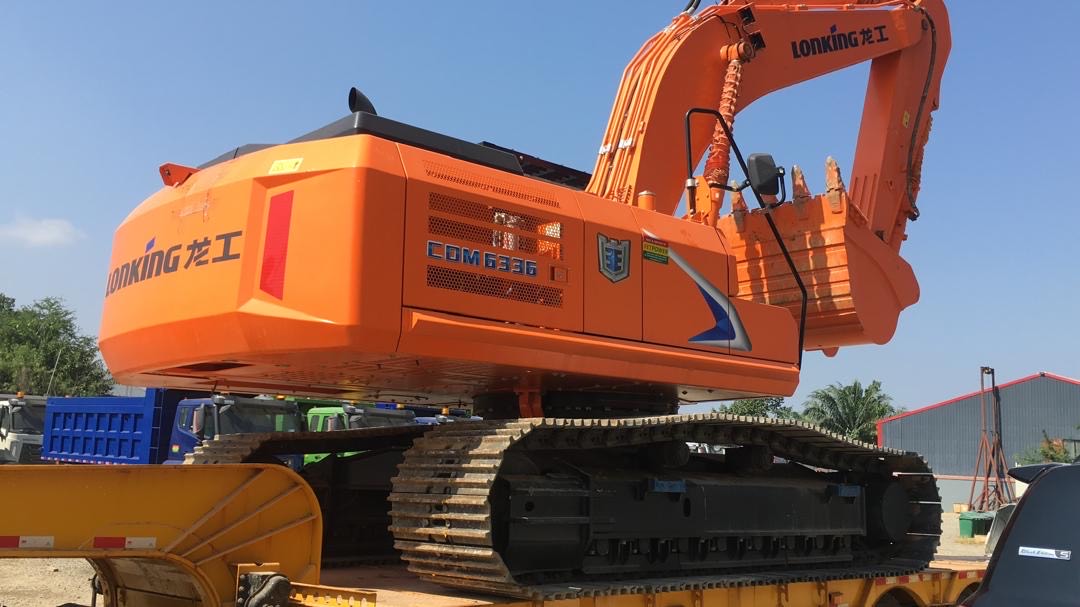
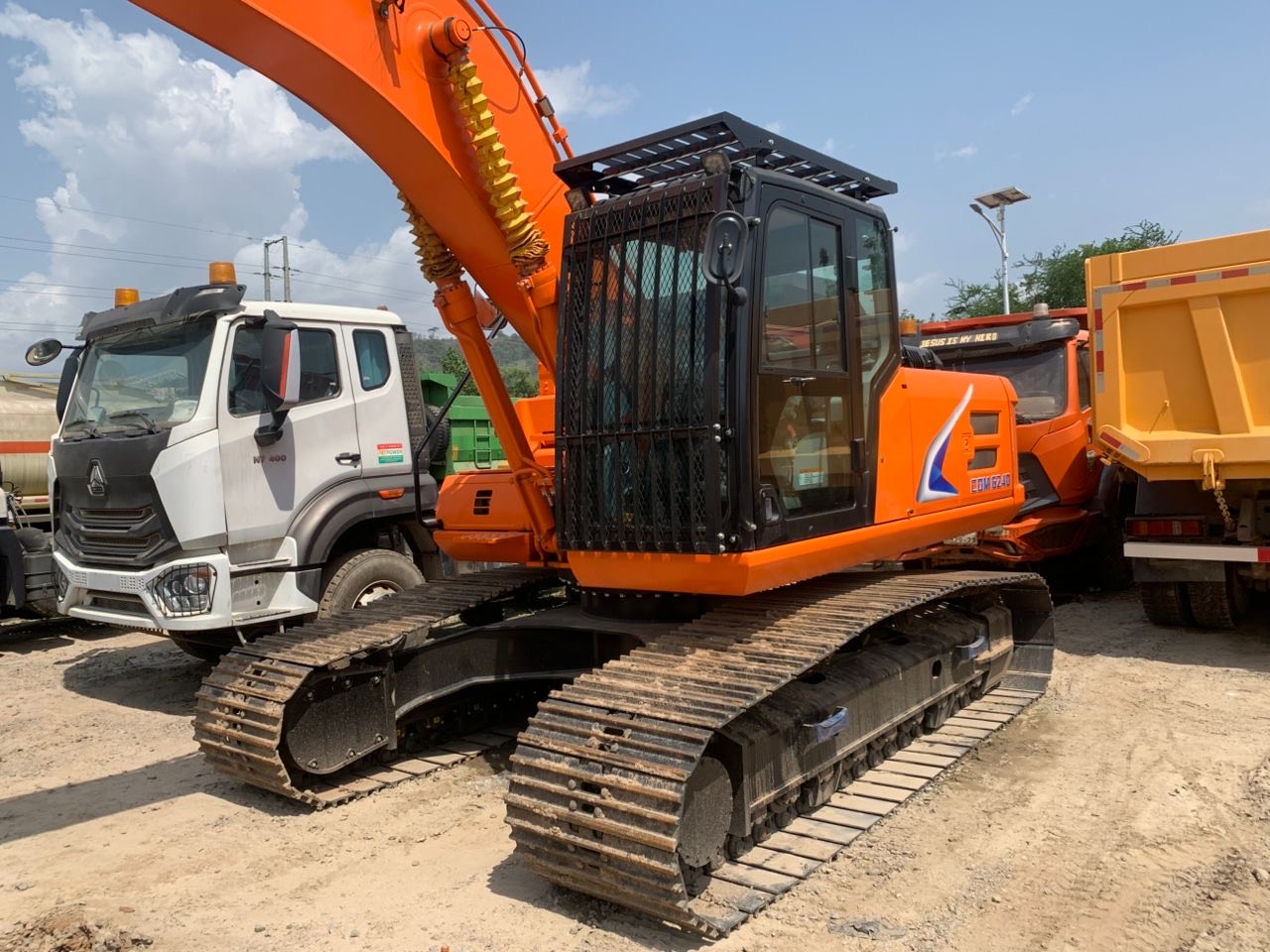
- Excavators: Often cited as the most dominant segment, accounting for a significant share of the market due to their use in nearly all project phases .
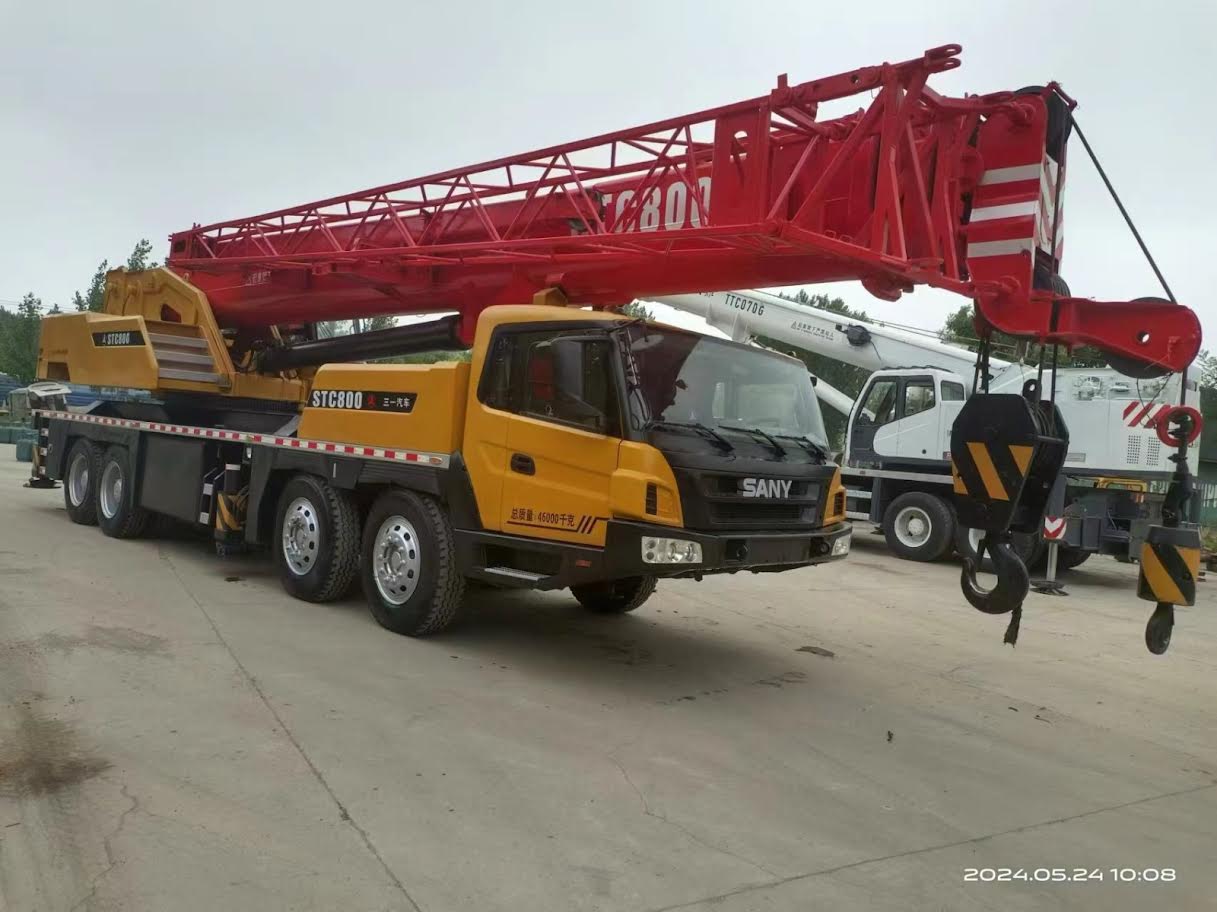
- Material Handling Machinery: This includes cranes, forklifts, and telescopic handlers, driven by port expansions and large-scale vertical construction .
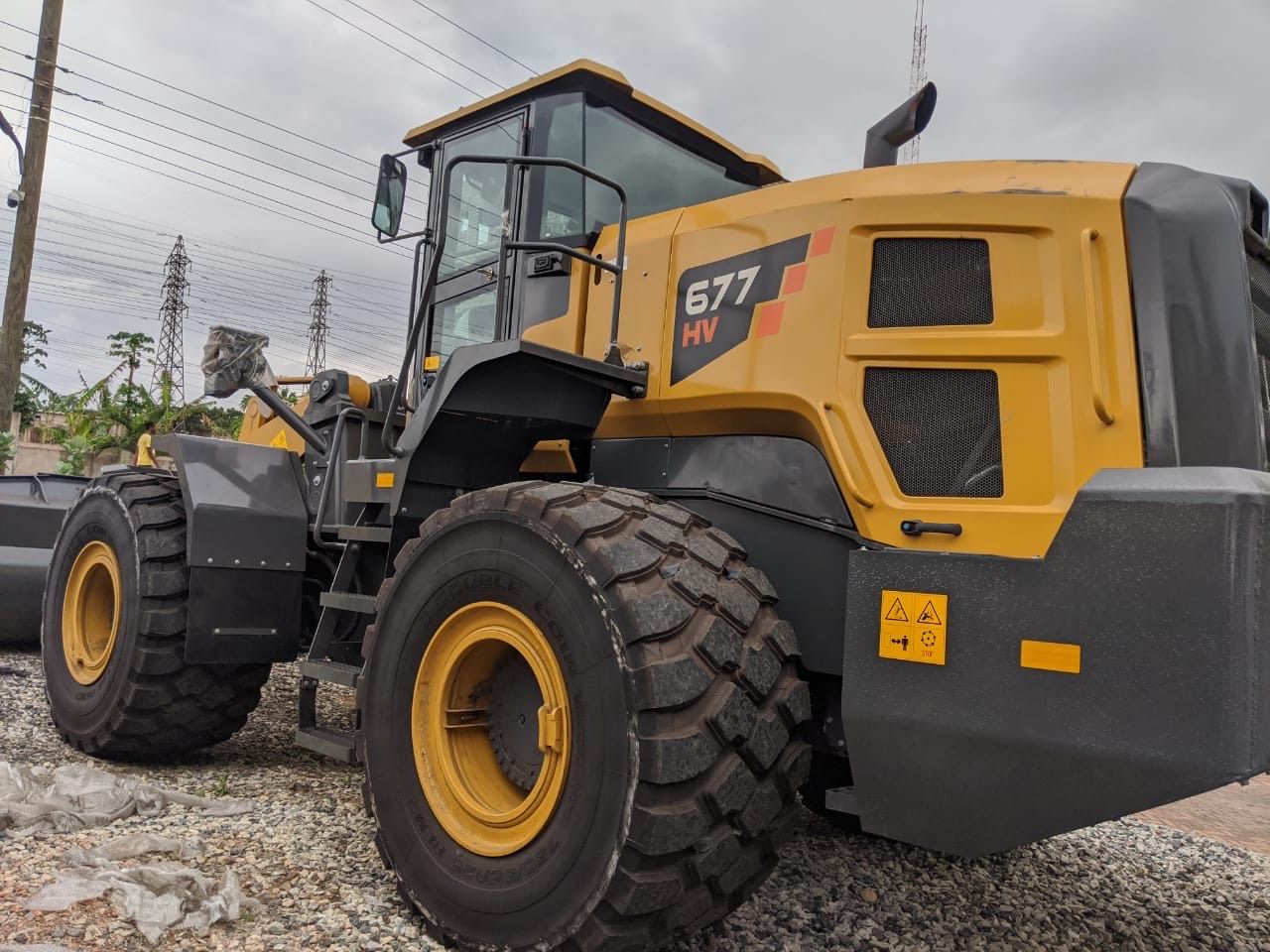
- Earth Moving Machinery: Loaders, bulldozers, and dump trucks are in constant demand for site preparation and mining activities .
⚠️ Market Challenges
Despite the positive outlook, the market faces some hurdles:
- High Initial and Maintenance Costs: The significant investment required for new machinery can be a barrier, particularly for smaller firms .
- Supply Chain and Technician Shortages: Global supply chain issues can delay parts, and there is a growing need for skilled technicians capable of servicing advanced, next-generation equipment .
In summary, the Saudi Arabian heavy equipment market is on a powerful upward trajectory, firmly anchored by government-backed mega-projects. The key opportunities lie not just in sales, but in localization, rental services, and providing advanced, durable, and smart machinery.
Are you interested in a deeper dive into a specific equipment type, such as cranes or excavators, or perhaps the opportunities in the rental market?