
Here is a thorough analysis of the Australian heavy equipment and construction machines industry, including current size projections, important factors, anticipated trends, and key market segments:
📊 Market Growth & Size
🌦AU Market for Heavy and Construction Equipment Overall
Depending on the source and methodology, the construction machinery market in Australia, which includes heavy machinery including excavators, loaders, cranes, and earthmoving machines, was estimated to be worth between USD 2.8 and USD 2.98 billion in 2024–2025.
Compound annual growth rates (CAGRs) are expected to be between 3.8 and 4.5% over the next ten years, with most forecasts predicting that values would reach USD 4.1 to USD 4.5 billion by the early 2030s.
Market for Unit-Based Equipment
The larger Australian construction equipment market was projected to sell approximately 24.4 thousand units in 2024, with a slow growth rate of 1.8% predicted to reach around 27.1 thousand units by 2030.
Sector-Specific Divisions
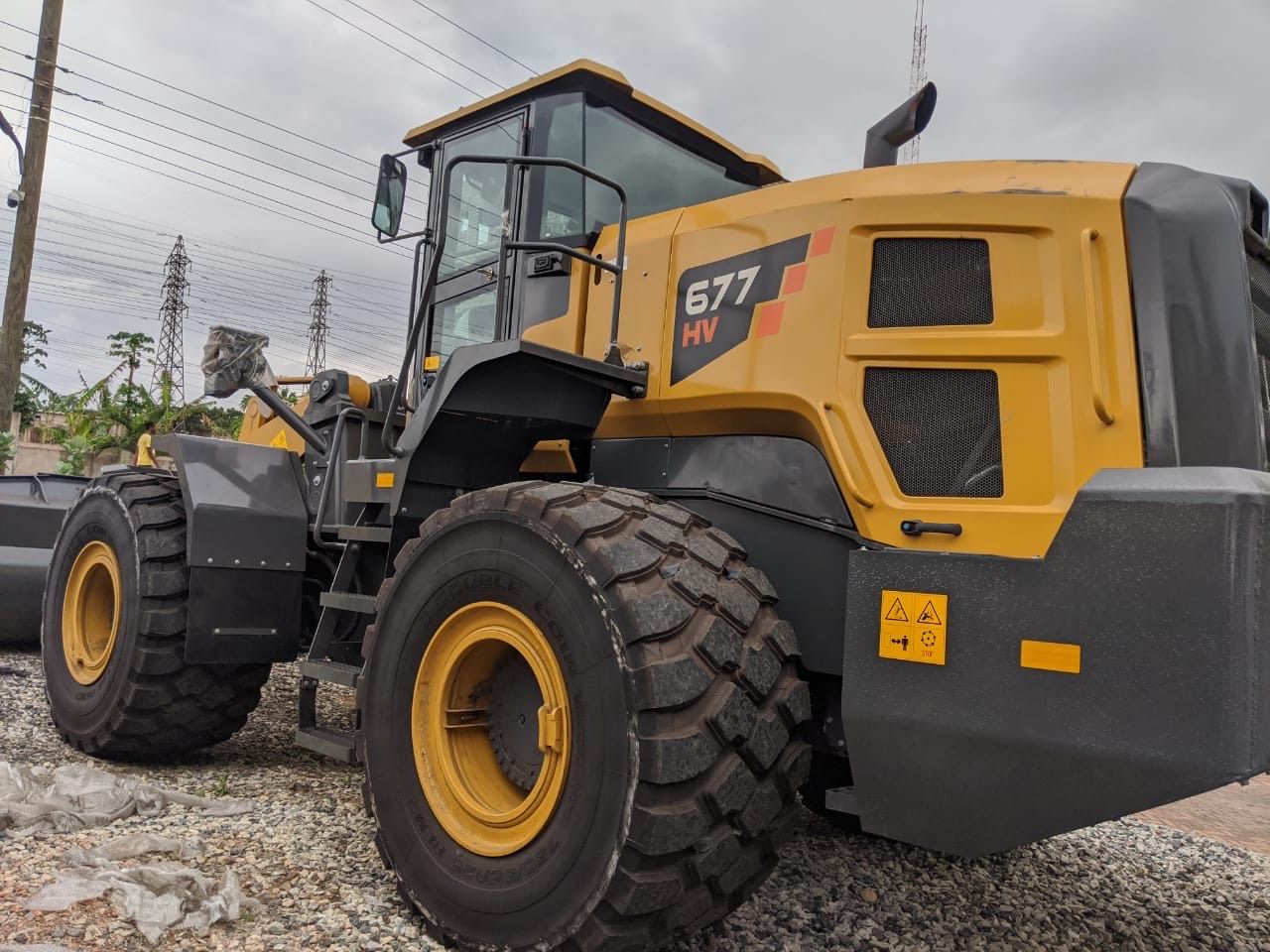
Market for loaders: estimated at USD 906 million in 2024, it is expected to grow at a robust CAGR of over 7.8% to nearly double by 2033.
The market for excavators is expected to develop at a strong rate (~12% CAGR) until 2033, with a value of over USD 2.06 billion in 2024.
Crawler earthmoving equipment, such as tracked excavators and dozers, is expected to reach $1.49 billion in 2025 with a compound annual growth rate of 5.1% until 2030.
Important Market Factors 🏗️ Construction and Infrastructure Activity
The demand for heavy equipment is mostly driven by strong investments in urban expansion and public infrastructure (roads, trains, bridges, and ports), which encourage the acquisition of material handling, road construction, and earthmoving equipment.
Demand in the Mining Sector
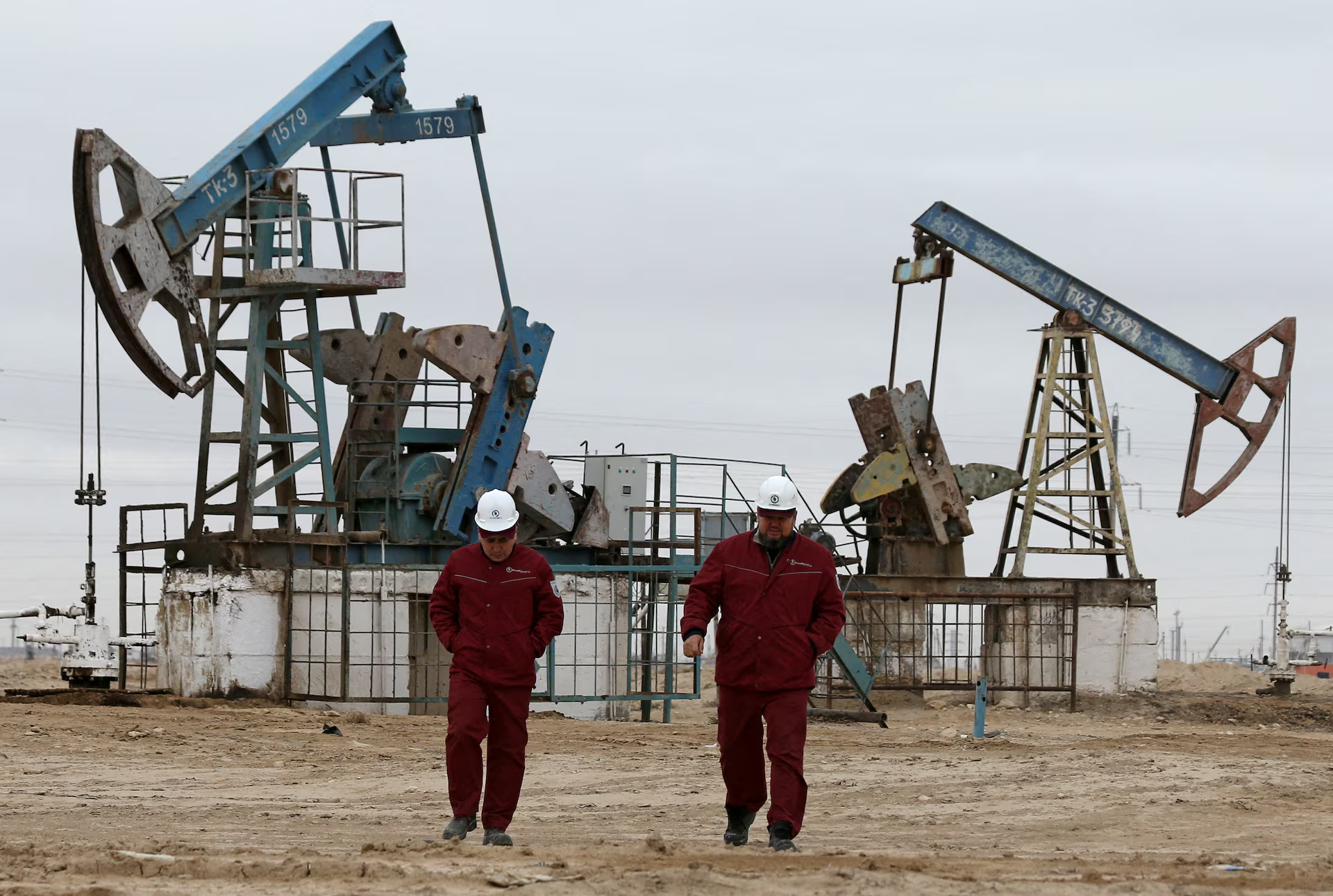
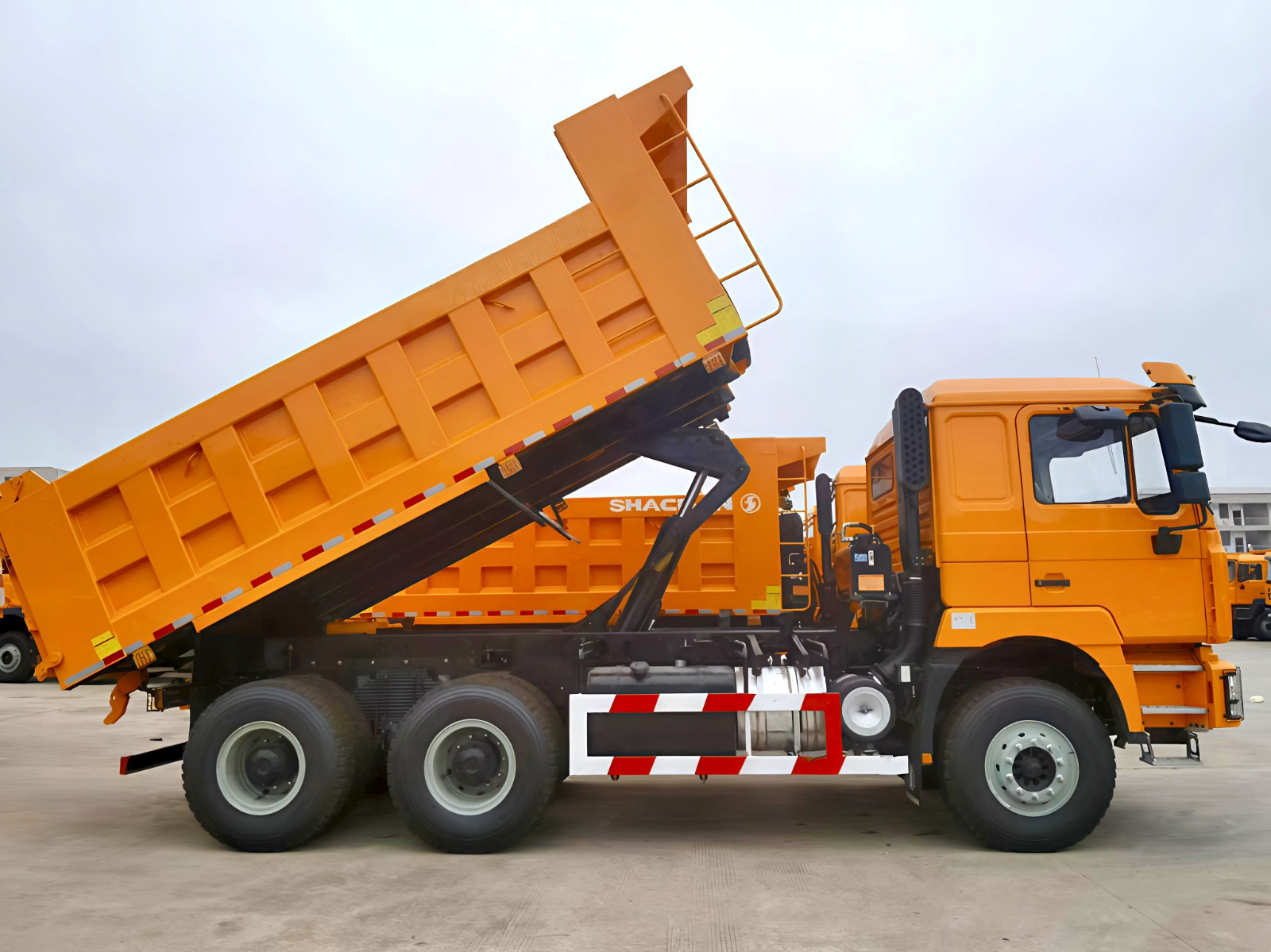
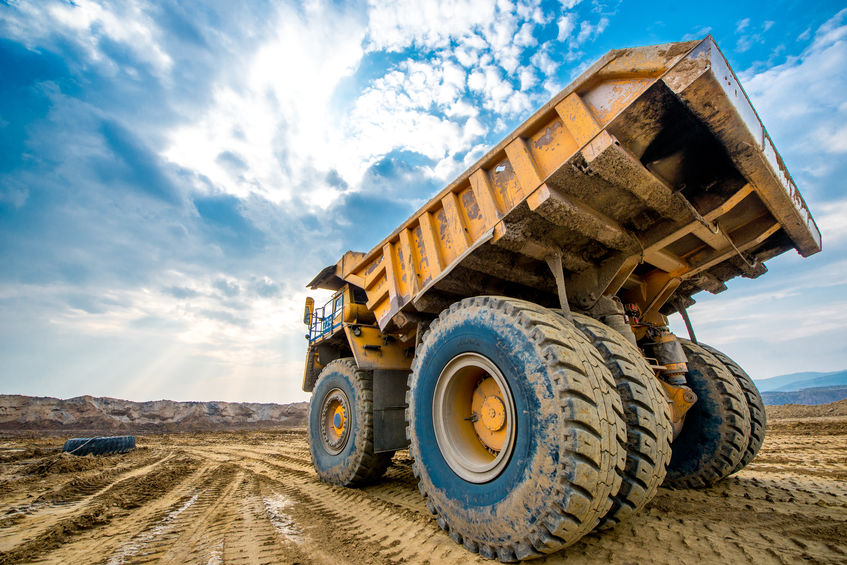
Australia’s mining sector is a vital end-market that sustains continuous equipment demand by continuously needing large equipment such as loaders, haul trucks, and excavators for site work and extraction.
📡 Adoption of Automation and Technology
The increasing use of IoT, telematics, and semi-autonomous functions improves equipment utilization and operational efficiency, which propels market expansion and replacement cycles.
Urban Development & Urbanization
Equipment sales are continually boosted by the growth of residential and commercial building, especially in large cities like Sydney, Melbourne, and Brisbane.
⚙️ Market Trends 🌱 Advanced Equipment & Sustainability
As environmental objectives and regulatory requirements increase, the sector is witnessing a move toward hybrid/electric platforms and fuel-efficient, low-emission equipment.
Growth in Rental and Leasing
Smaller contractors now have greater access to heavy gear because to the growth of equipment rental and leasing models in response to high upfront prices.
Challenges for Skilled Workers
Wider equipment use and productivity are nevertheless hampered by a lack of qualified operators and more complicated regulations.
Important Market Players in Australia
Typical heavy equipment and construction machinery market players include international OEMs such as
The Caterpillar
The Komatsu
Volvo Construction Machinery
Hitachi Construction Equipment
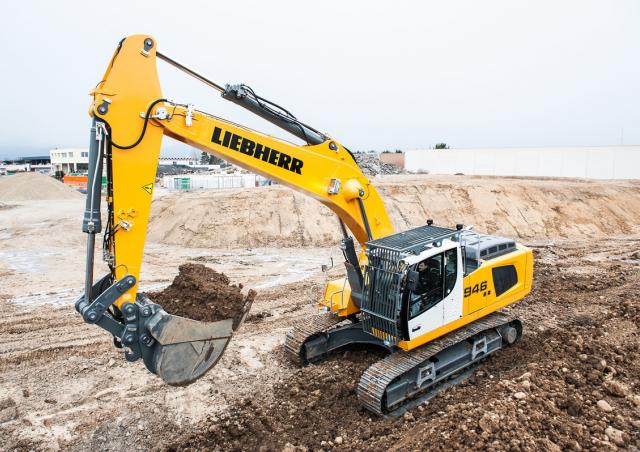
Liebherr
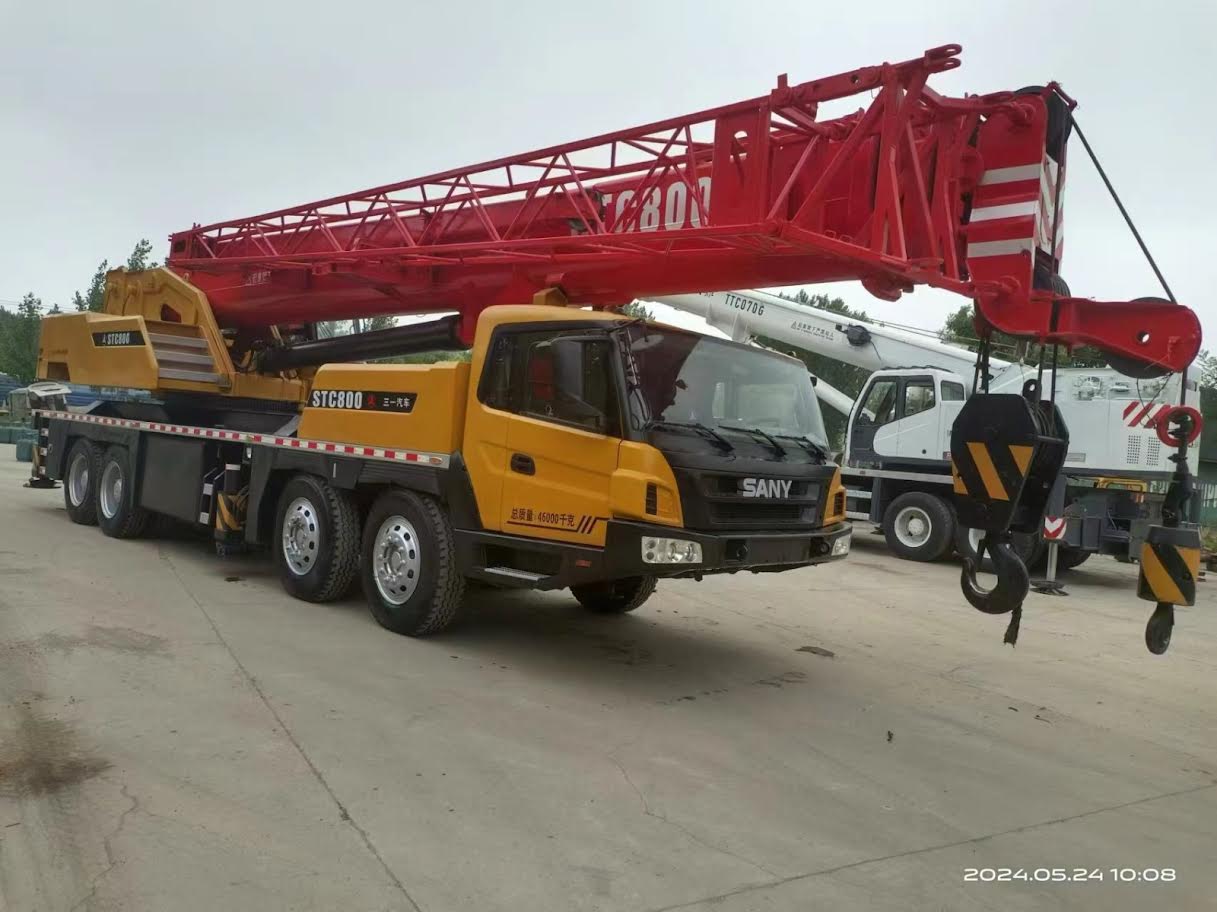
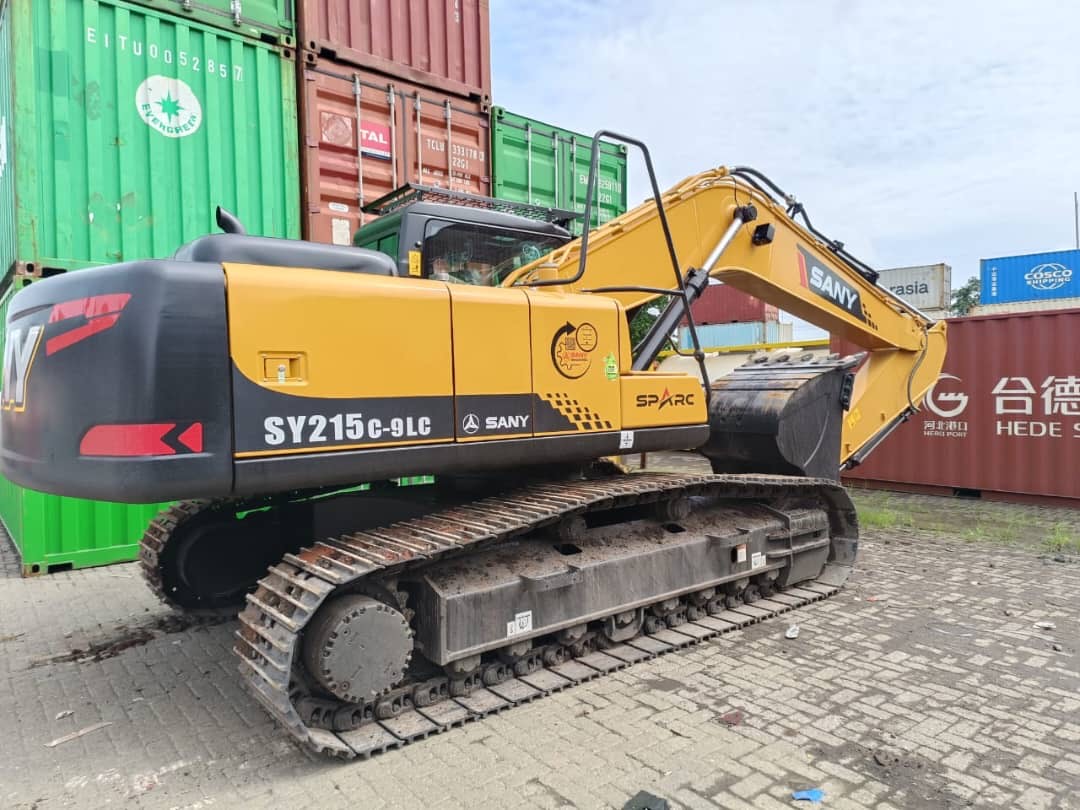
SANY
Construction Equipment from Sumitomo
Neuson Wacker
They provide a variety of specialist heavy machinery, loaders, dozers, and excavators to the Australian market.
📌 Overview AspectCrucial Knowledge
2024–2025 Market Size: ~USD 2.8–3 billion
Growth is expected to be between 3.8 and 4.5% CAGR until the early 2030s.
Growth in Unit SalesModerate increase in sales of construction and earthmoving equipment
Leading Growth SectorsEarthmoving equipment such as crawlers, loaders, and excavators
Drivers of GrowthSpending on infrastructure, demand for mining, and technological changes
DifficultiesLack of trained workforce, high capital expenditures, and regulatory obstacles.