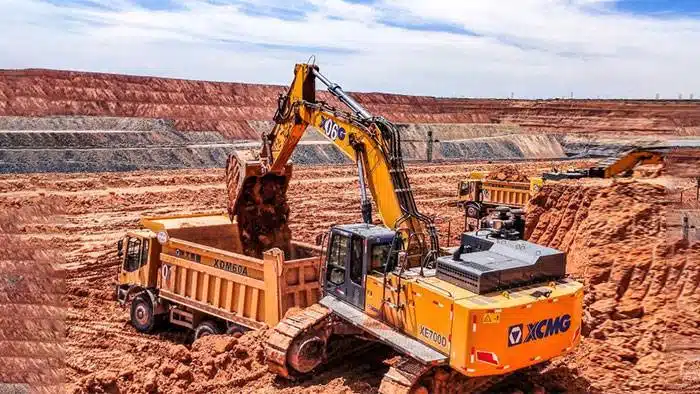
High-growth demand in mining, infrastructure development, and agriculture is driving U.S. mergers and acquisitions (M&A) in the African heavy equipment industry. The Middle East and Africa construction equipment market is predicted to expand at a 7.74% CAGR through 2031. As the continent transitions from low-volume to high-volume, specialized machinery usage, there is significant potential for U.S. investors to purchase local dealers, service providers, and specialist rental businesses.
Important Growth Areas for Investment
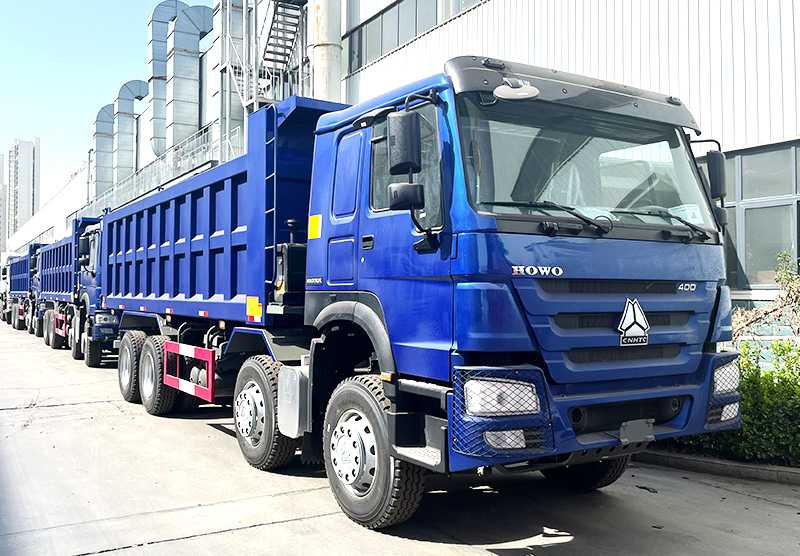
Critical mineral developments in Zambia and the Democratic Republic of Congo are driving a high demand for mining equipment, especially autonomous equipment and high-capacity carriers.
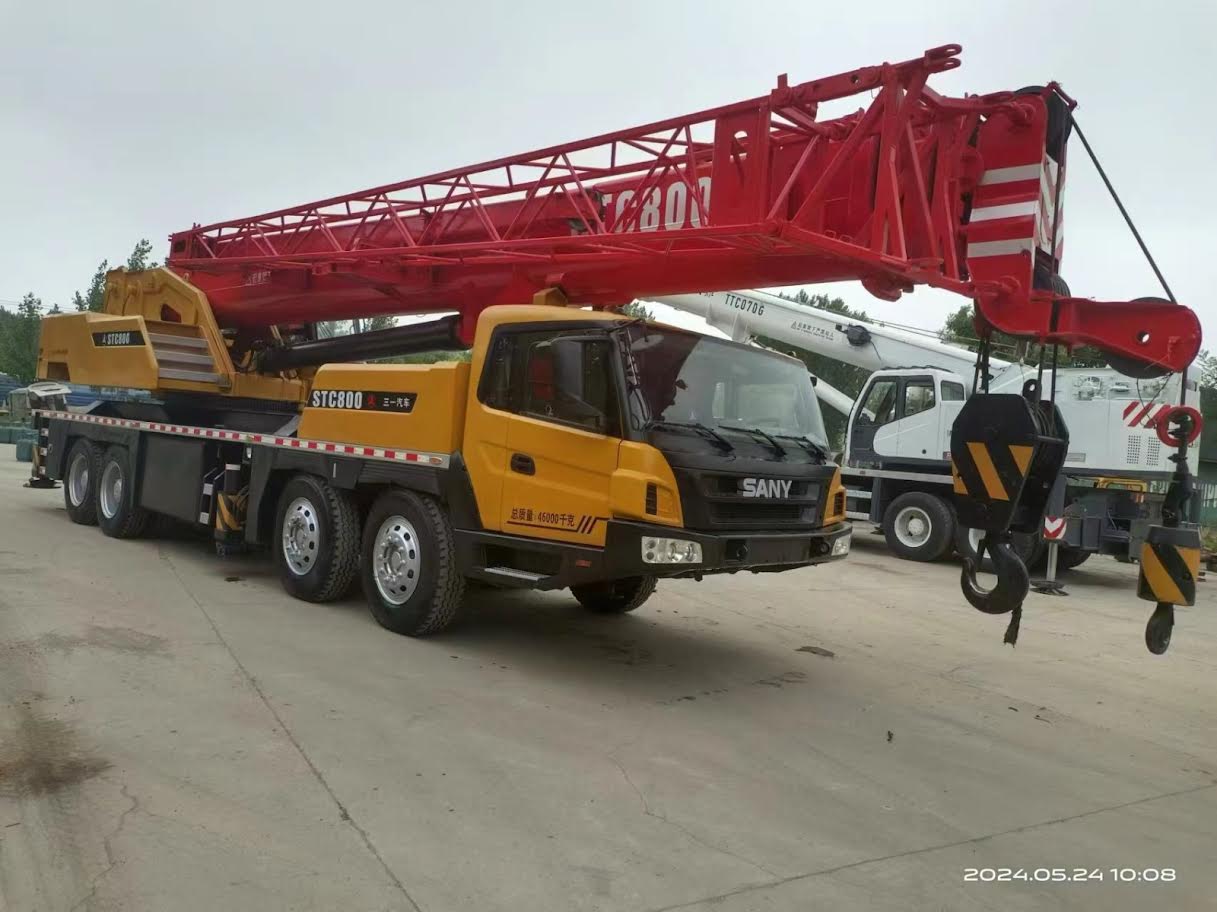
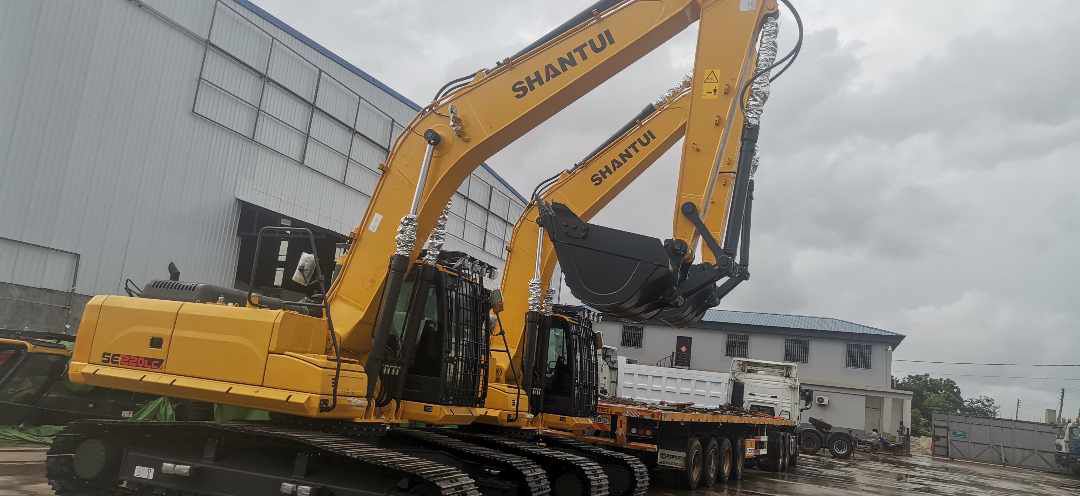
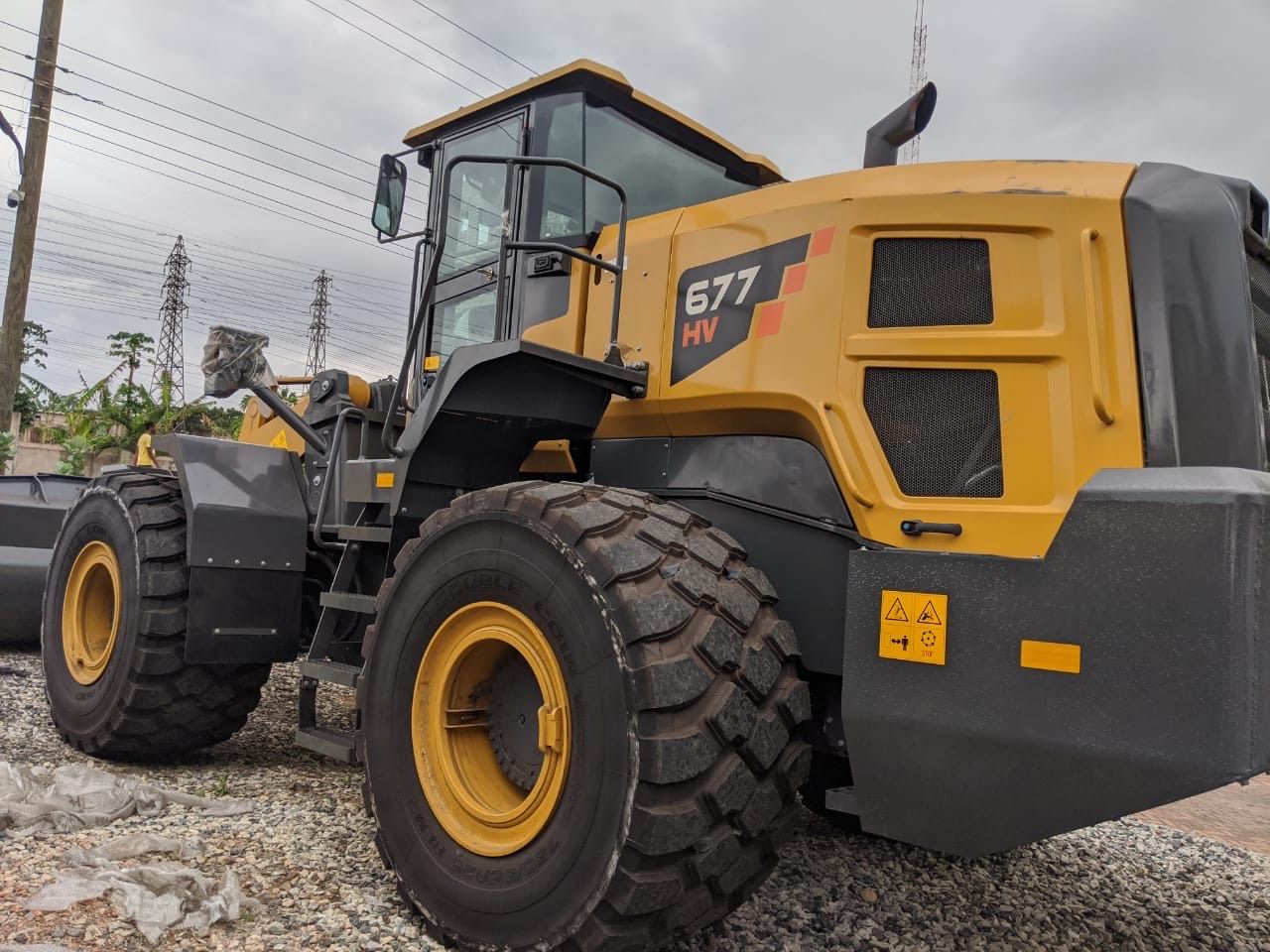
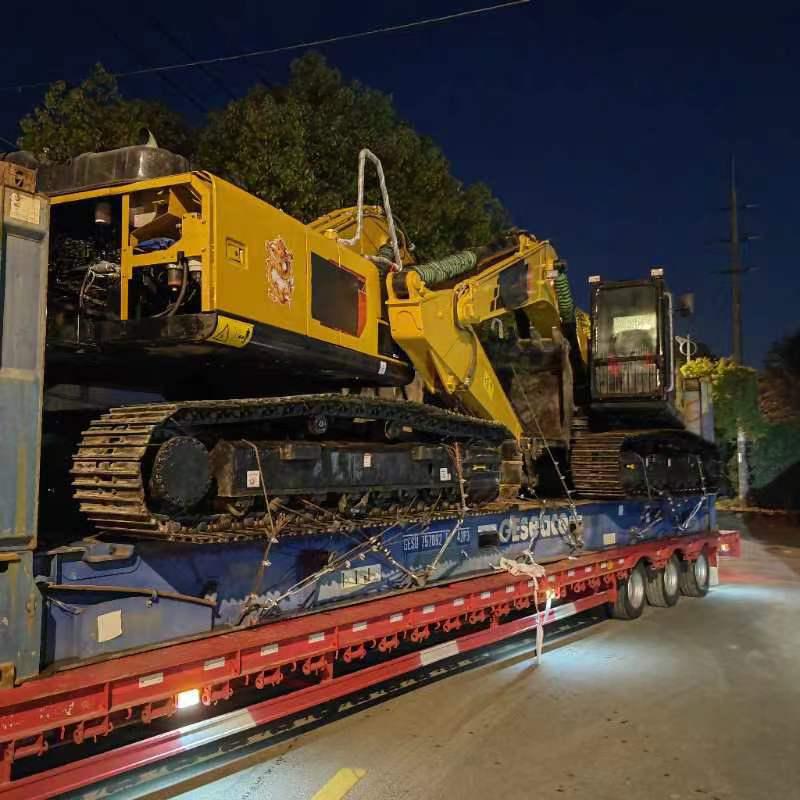
Construction & Infrastructure: The need for excavators, bulldozers, and cranes is being driven by large-scale rail, road, and port construction projects like the Lobito Corridor.
Agriculture Machinery: The need for tractors and other specialized agricultural equipment is rising as a result of increased mechanization and irrigation requirements.
Rental and Maintenance Services: Businesses can avoid the high prices of imports by renting equipment, which opens up prospects in leasing and fleet management.
South Africa, Botswana, and Namibia are important M&A markets in Africa. Pay particular attention to mining, fleet modernization, and maintenance agreements.
West Africa (Ghana, Nigeria): There is a high demand for old construction equipment due to the region’s significant mining and infrastructural development.
Rapid industrialization and urbanization are occurring in East Africa (Tanzania, Ethiopia, and Kenya), with Ethiopia exhibiting a strong need for large-class excavators.
Strategic Prospects for American Investors
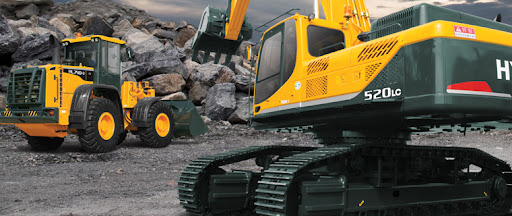
Local Dealership Acquisitions: As demonstrated by the development of HD Hyundai’s position in Ethiopia, acquiring well-established local dealers provides immediate market access.
Integration of Technology and Telematics: Investing in technology companies that offer telematics can greatly boost machine utilization, a service that is now in high demand in the area.
Public-Private Partnerships (PPPs): Governments are aggressively looking to the private sector to participate in infrastructure projects, particularly in the transportation and energy sectors, by providing chances for equipment leasing.
Obstacles and Patterns
Competitive Landscape: Chinese companies and multinational behemoths like Komatsu and Caterpillar fiercely compete in this sector.
Local Content Laws: Collaborations or joint ventures are required in nations like Ghana and Liberia due to the growing demands for local ownership and management.
Financing Restrictions: Flexible financing options for heavy machinery are quite appealing due to high import costs.
The business is moving toward electric and hybrid machinery, creating a market niche for American investors interested in environmentally friendly building technologies.