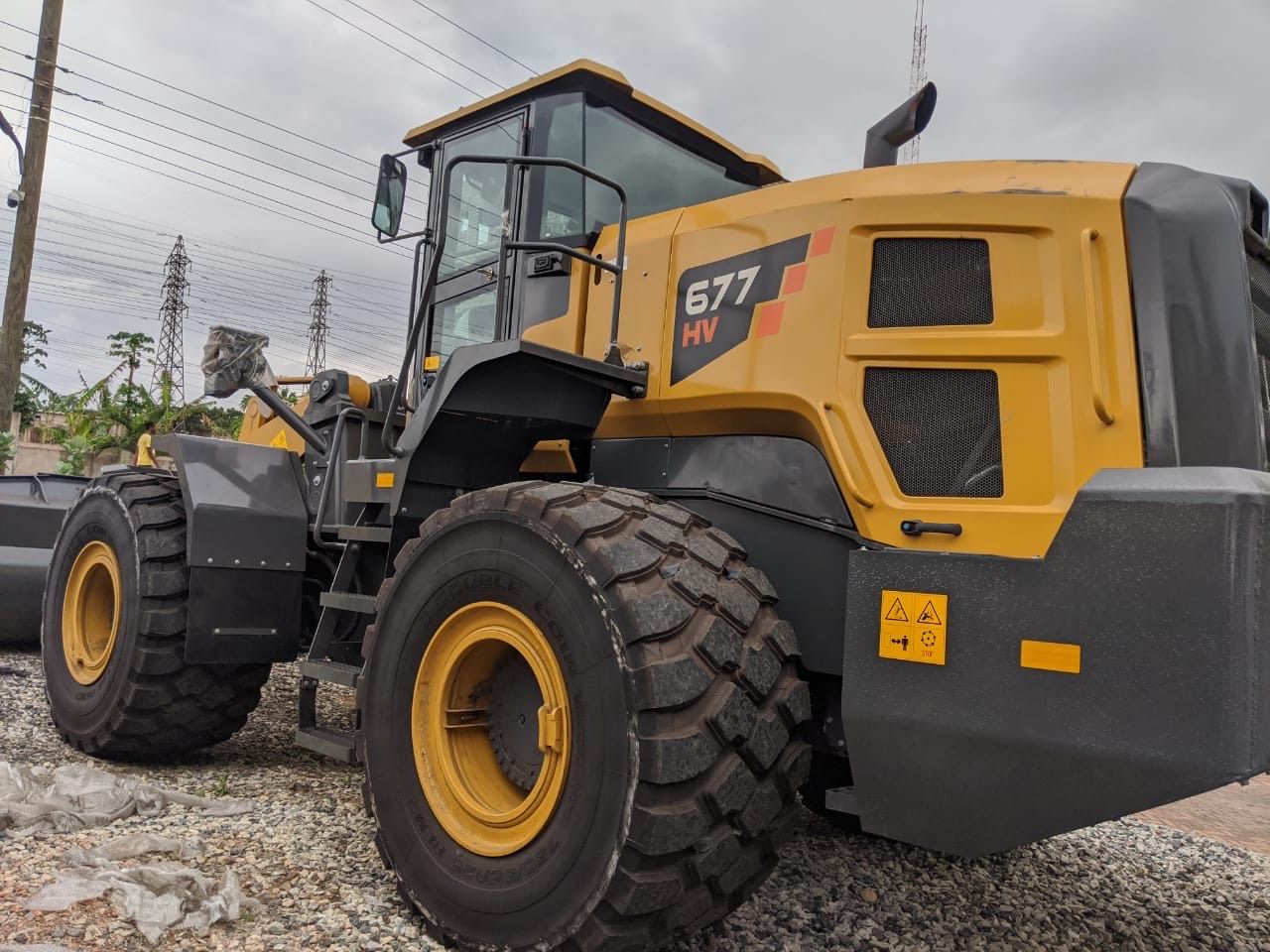

Due to large discoveries in new areas and changing regulatory dynamics, the gold exploration and investment landscape in West Africa is growing significantly. Amidst changing economic and regulatory landscapes, the region is shifting from well-established mining in Ghana and Mali to unexplored geological potential in Guinea and Côte d’Ivoire.
🔍 Present Exploration Hotspots and Project Development: New finds are being found in underexplored geological belts, which are becoming the new frontier of exploration in West Africa.
Guinea’s Growing Potential Compared to its neighbors, Guinea’s share of the rich Birimian greenstone belt has not received much contemporary research. With an emphasis on the Siguiri Basin, this is quickly changing. Significant finding potential is indicated by the encouraging drill results reported by junior explorers such as Sanu Gold and Predictive finding (Bankan project). More defined oxide gold properties, like the Kada Project, are being advanced by firms like Asara Resources.
Growth in Côte d’Ivoire: The Birimian belt in Côte d’Ivoire is seeing rapid growth. High-grade drill intercepts (e.g., 10m at 10.36 g/t Au) have been reported by Thor Explorations, who purchased the Guitry Gold Project in 2024. To boost output and prolong mine life, Allied Gold is investing in its producing Côte d’Ivoire Complex (Bonikro and Agbaou).
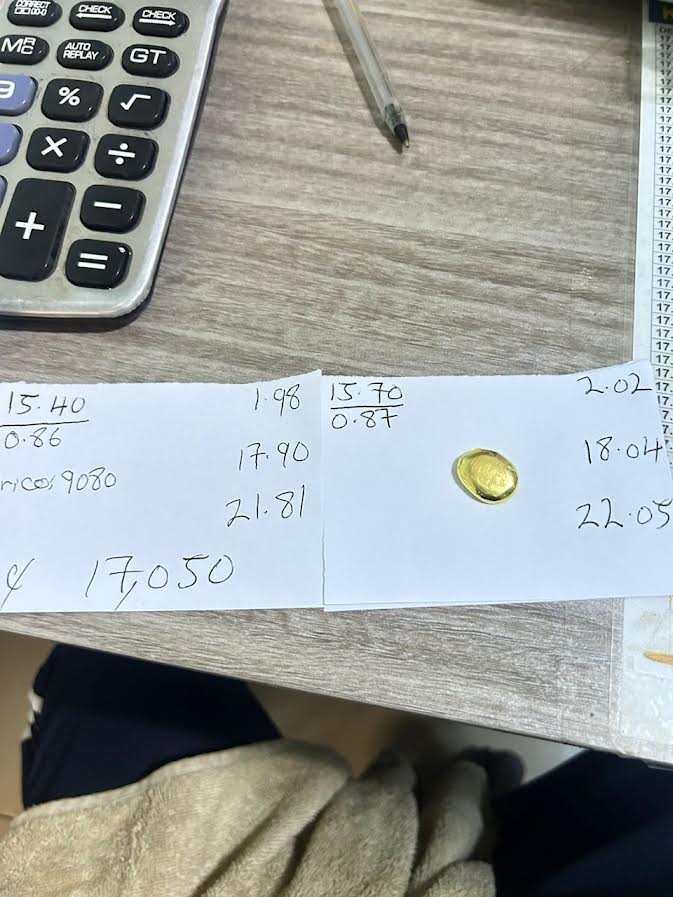
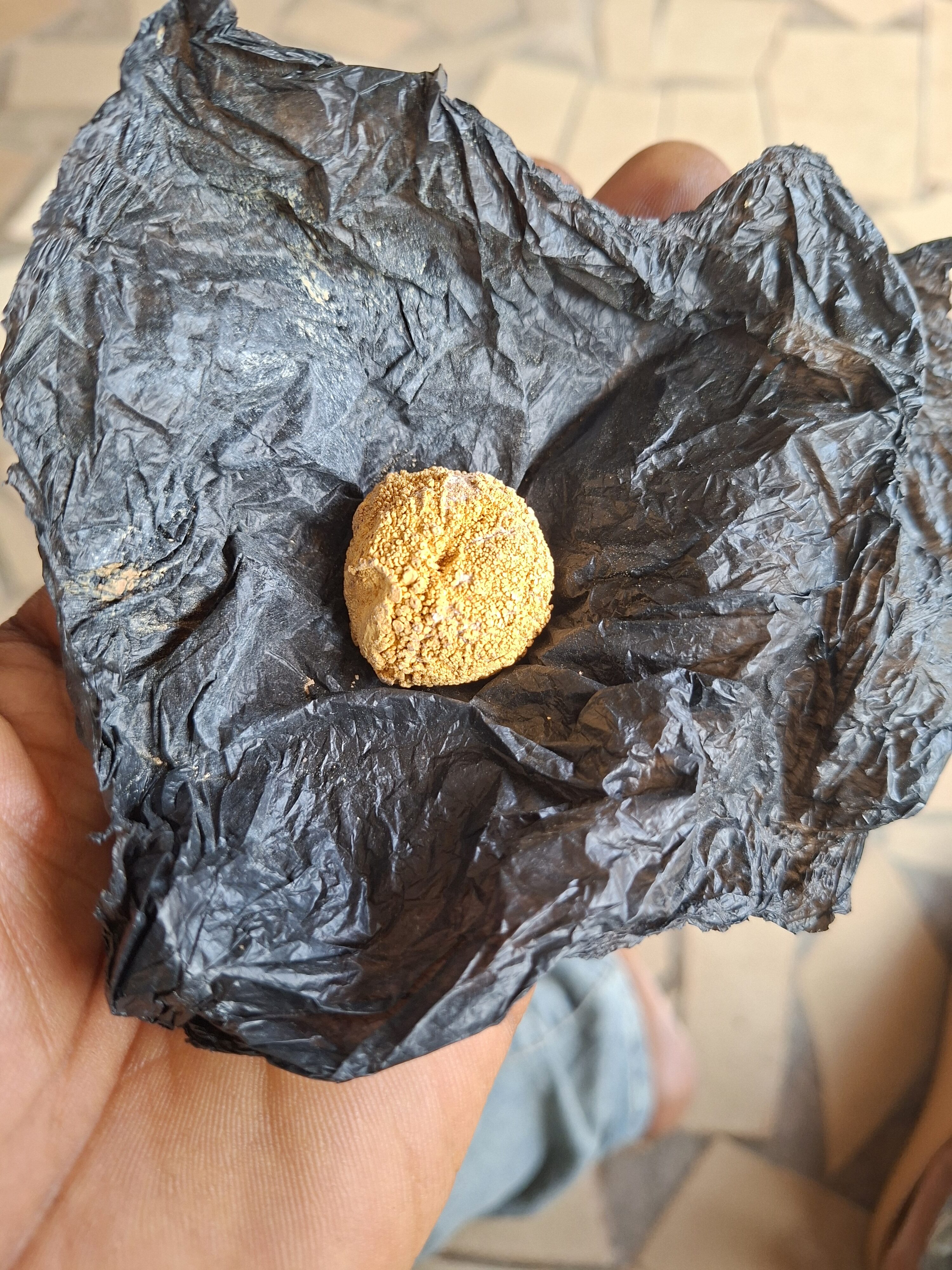
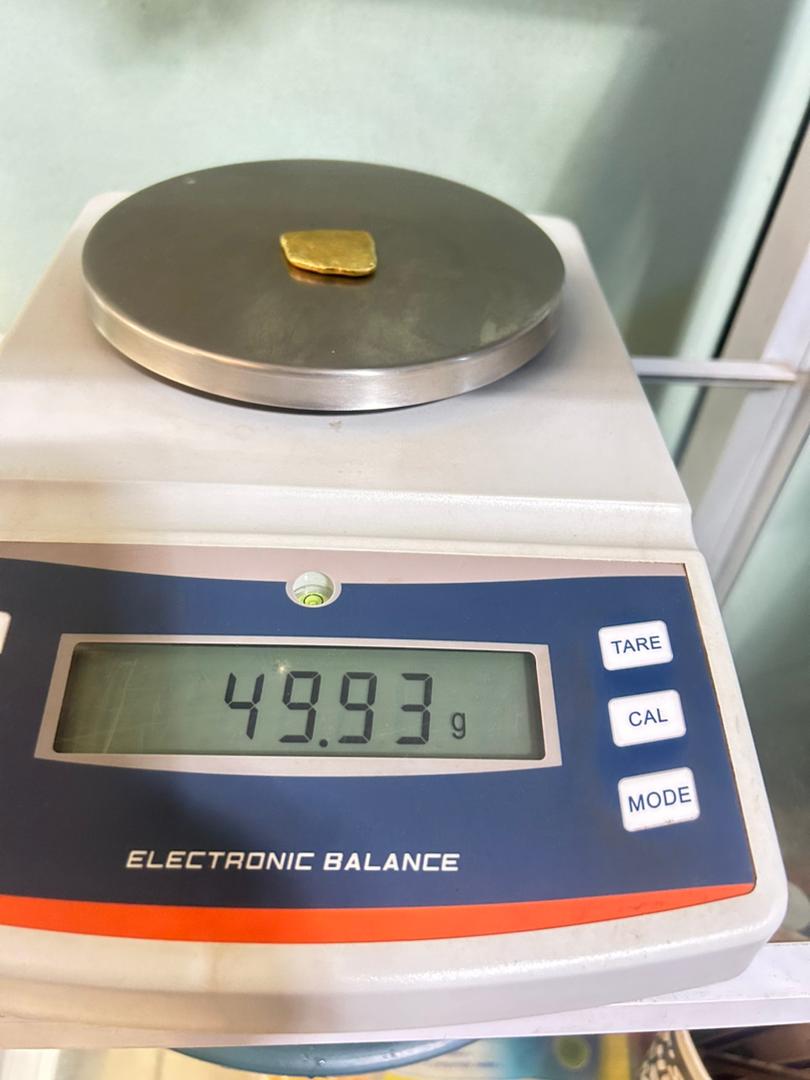
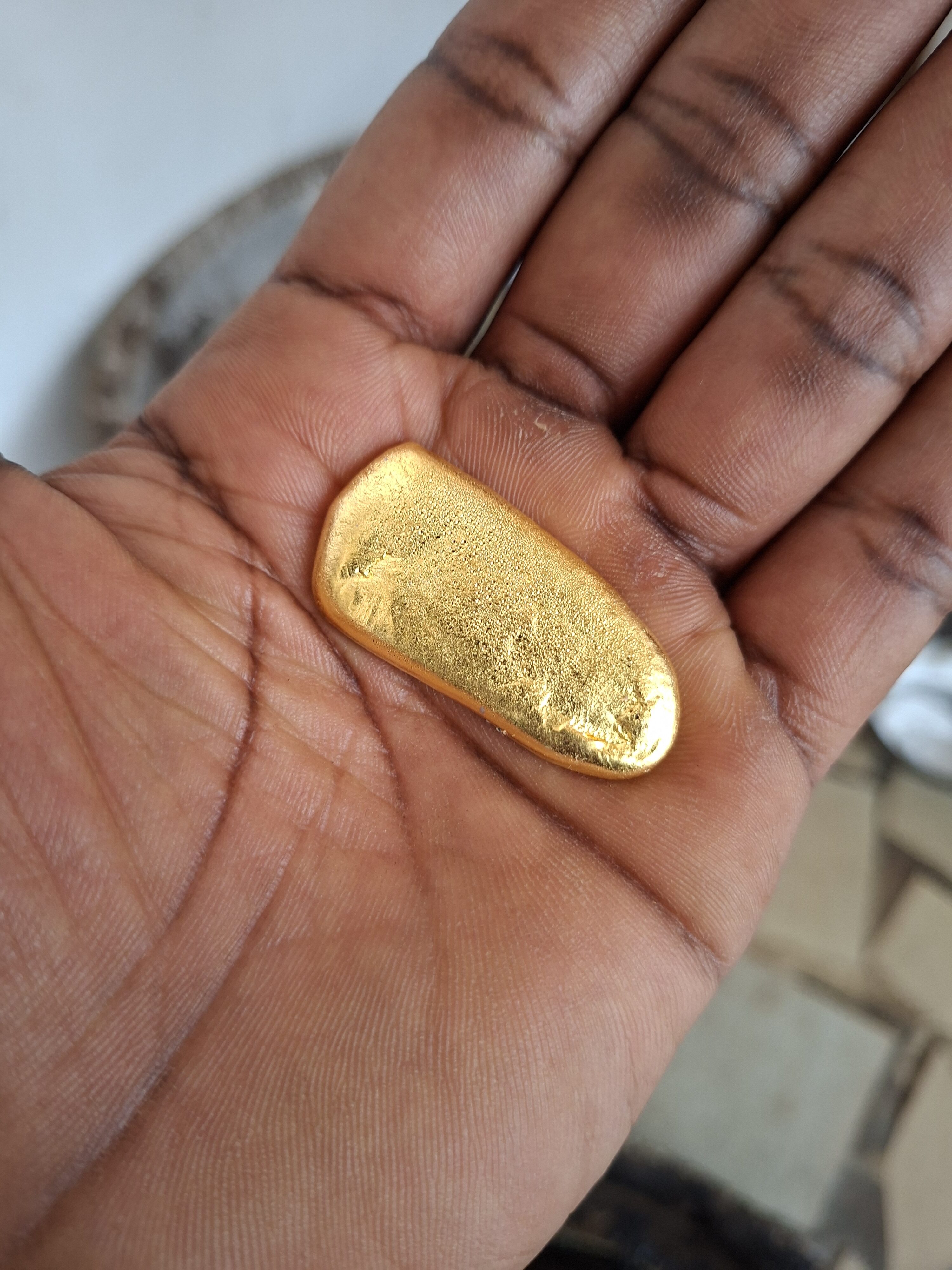
Advancing Known Assets in Ghana: The goal of work in established areas is to increase known resources. Newcore Gold is working toward a Pre-Feasibility Study (PFS) by June 2026 for its Enchi project in Ghana. The goal of a 45,000-meter drill program is to increase resources and investigate depth potential; the project is highly sensitive to changes in the price of gold.
⚖️ Changing Fiscal and Regulatory Policies
To increase the value of mineral resources, governments are changing fiscal terms and enlisting more states. This is a notable trend throughout the area, and it has a direct effect on investment risk profiles.
Ghana’s Proposed Overhaul: By March 2026, Ghana intends to implement significant reforms, such as eliminating Mining Development Agreements, cutting the duration of tax stability agreements from 15 to 5 years, and nearly increasing mining royalties (from 3-5% to 9–12%). This can necessitate contract renegotiations and result in significant cost increases.
Mali’s State Control Model: To oversee all state holdings in mining businesses, Mali established a state-owned corporation, Sopamim, in response to a 2023 mining code that increased the minimum state/local participation to 35%. This tries to raise state revenue, which increased by 52.5% in 2024, and centralize authority, much like the systems in Guinea and Niger.
Initiatives for Formalization: In addition to financial adjustments, efforts are underway to formalize artisanal mining. With assistance from the World Bank and World Gold Council, Côte d’Ivoire established a collaboration to control illicit trade, enhance safety, and regulate small-scale mining. With a projected $2 billion wasted to smuggling in 2022, this seeks to extract value from the unorganized sector.
Important Things to Keep in Mind for Stakeholders
Navigating this environment requires businesses and investors to pay attention to a number of strategic factors:
Jurisdictional Risk Balance: There is a trade-off between more stable but more expensive established jurisdictions (such as Ghana after reform) and newer frontiers (such as Guinea) with significant geological potential. Mali is an example of a country with high production but expanding state control.
Partnership Models: Creative arrangements could be necessary for a successful engagement. This includes collaborations between industrial miners and artisanal sectors under formalization schemes, like in Côte d’Ivoire, or joint ventures with state institutions in countries like Mali.
Emphasis on Sustainability: ESG criteria are being incorporated into leading projects more and more. Demand from investors, cooperation requirements (such as the World Bank’s involvement in Côte d’Ivoire), and the requirement for a social license to operate are the main drivers of this.