
what the stocks of heavy equipment manufacturers are now indicating, based on corporate data and recent market action (with an emphasis on significant public companies such as Deere & corporate (NYSE: DE) and Caterpillar (NYSE: CAT)):
- Stocks Are Rising; a Cyclical Bottom Is Probably Near
Following recent earnings reports, Deere & Company’s stock surged sharply, showing double-digit increases so far this year, a sign of growing market confidence. According to Deere management, order books are increasing and inventories are clearing, suggesting that the large-agricultural equipment cycle may finally be bottoming out.
After announcing record backlog increase (~$51 billion) and hitting all-time highs, Caterpillar Inc. continues its robust run.
The industry appears to be strong overall, as seen by the recent large share price increases of other international players like Hitachi Construction Machinery.
Interpretation: Following a downturn, markets are pricing in the recovery of heavy equipment demand, especially in the mining, forestry, and infrastructure sectors.
- Orders and Backlogs Indicate Actual Demand, Not Just Conjecture
The stock movements represent real business fundamentals and are not only technical:
Deere’s management increased its net-sales projection, and the company’s construction and forestry orders have increased significantly.
The increase in Caterpillar’s backlog suggests that the company has been purchasing from industrial clients and contractors.
This suggests that rising sales pipelines, not merely market momentum, are driving the recent upturn in share prices.
🧱 3. Macro Tailwinds: Commodity Cycles + Infrastructure
Investors see a number of more general drivers:
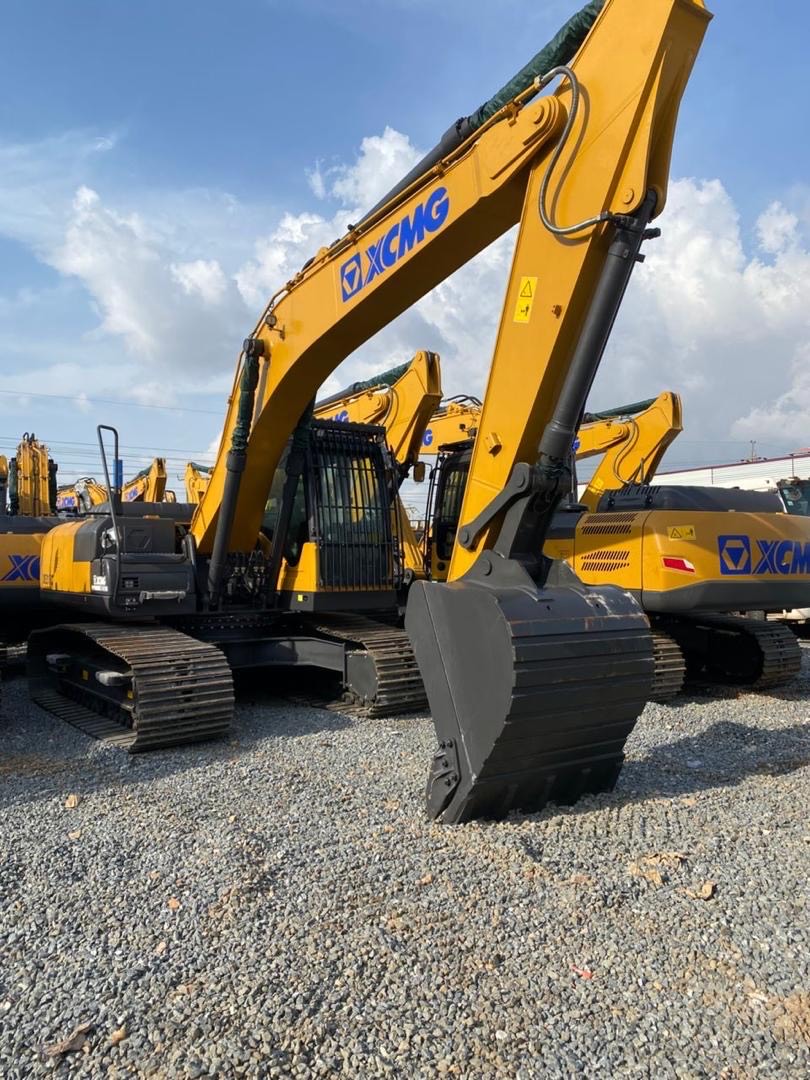

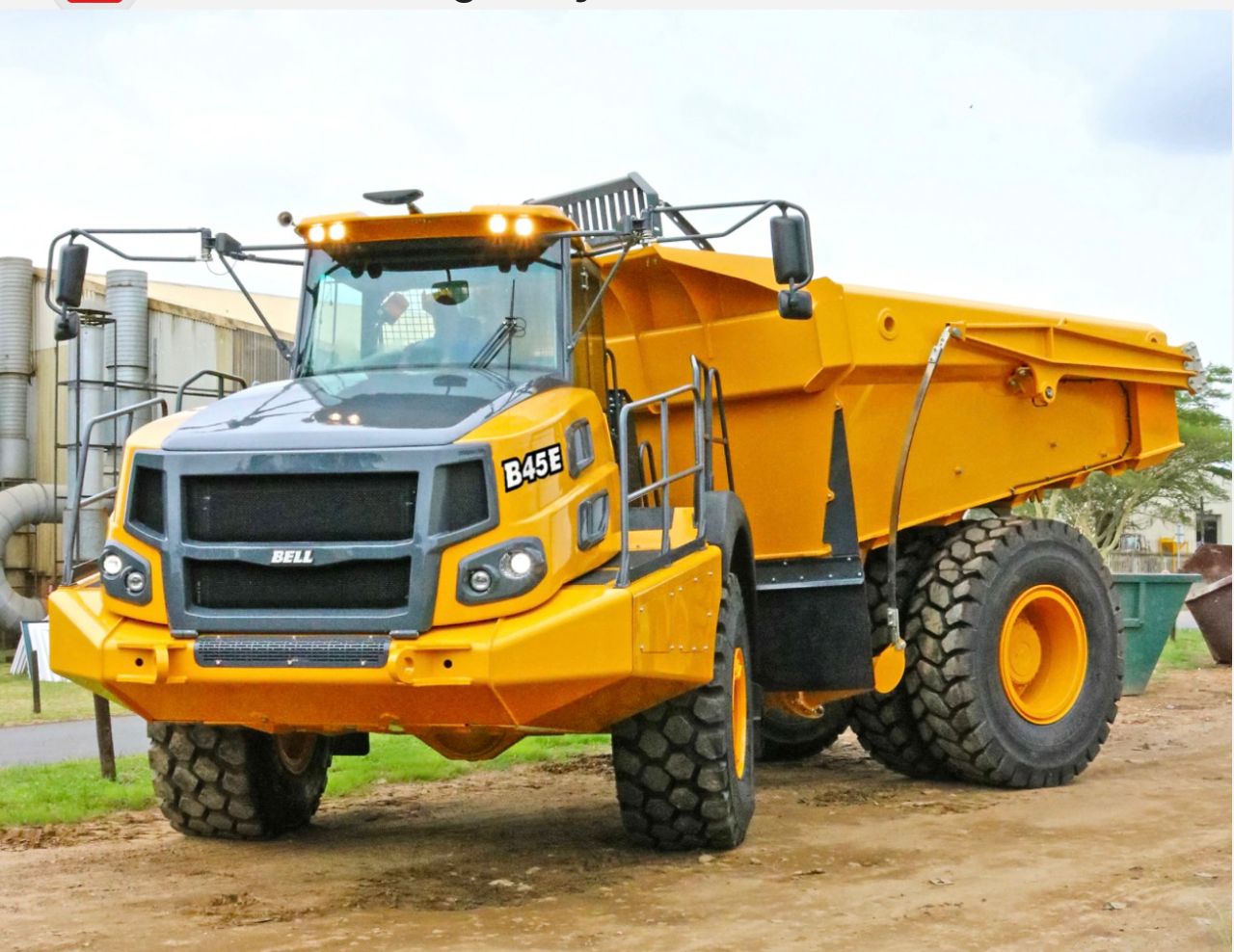
The demand for construction equipment is supported by infrastructure expenditure, especially in the United States (e.g., ongoing government financing).
Heavy equipment use is rising as a result of mining and energy expansions, such as data center power requirements and electrification initiatives.
Despite the fact that demand for farm equipment is not yet soaring, stabilizing agricultural markets helps Deere lower its downside risk.
“The worst of the cyclical downturn is behind us, and sustained growth is coming,” the market appears to be saying.
- Innovation and Structural Changes Are Important Too
Stocks are responding to strategy changes in addition to simple cyclicality:
Deere is investing in software and artificial intelligence (AI) in addition to increasing its production in the United States.
Caterpillar is diversifying its revenue streams by utilizing automation, analytics, and new power systems.
This implies that investors are appraising these businesses for their contributions to longer-term market developments like automation and digital services as well as their boom-and-bust machinery demand.
- Dangers Are Still Possible
Notwithstanding the encouraging story, there are red flags:
Demand for heavy equipment might reverse if macro conditions worsen since it has generally lagged economic cycles.
Profit margins are still at risk from trade disputes, tariffs, and pressures on the price of raw materials.
Aside from US leaders, certain foreign players—like Japanese manufacturers facing local obstacles—face unequal demand.
Ultimately, What Are Heavy-Equipment Stocks “Telling Us”?
The current state of the market is quite positive:
✅ Real demand indicators, not only speculative purchases, are driving up heavy-equipment inventories.
100% Earnings, order books, and backlogs indicate that the construction and agricultural industries’ cyclical slump may be about to reverse into an upcycle.
✅ Beyond conventional equipment sales, structural changes (software, AI, power solutions) are providing valuation support. However, these stocks are still cyclical and susceptible to changes in the state of the economy, so performance may still be impacted by more general downturns.
Essentially, investors are placing bets that the worst of the industry is behind and that the outlook is being strengthened by longer-term growth factors.