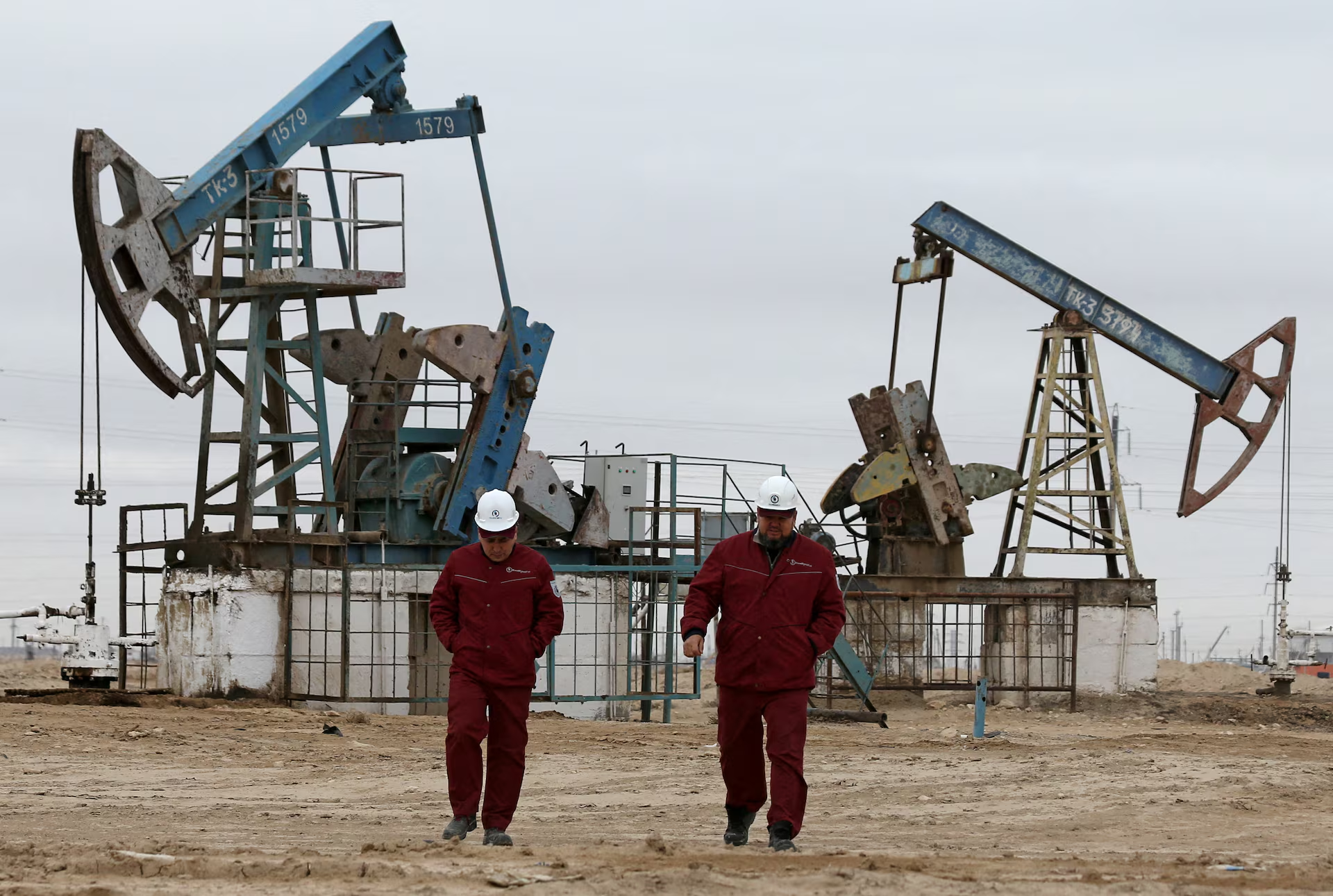

Blake McLaughlin, the Vice President of Exploration at Axcap Ventures, delves into the essential components of a gold exploration program in the current environment, drawing on his previous successes. The reality of a genuinely concrete exploration program is based on discipline, not dreams, and the romance of a discovery drill intercept often overshadows it in gold exploration. The rule remains consistent, regardless of whether you are in the early stages of greenfield development or revisiting a brownfields property with a substantial legacy database: “garbage in, garbage out.”
I have observed programs consume millions of dollars as a result of naive trust or the reliance on assays that lack blanks, duplicates, or any genuine consistency. It is effortless to develop an attachment to a cross-section that appears to be the next significant discovery; however, if the data is incorrect, you are not constructing a mine; rather, you are constructing structures on the sand.
Begin by demonstrating reverence for the data.
The data must be respected in order to initiate a genuine exploration program. That is to say:

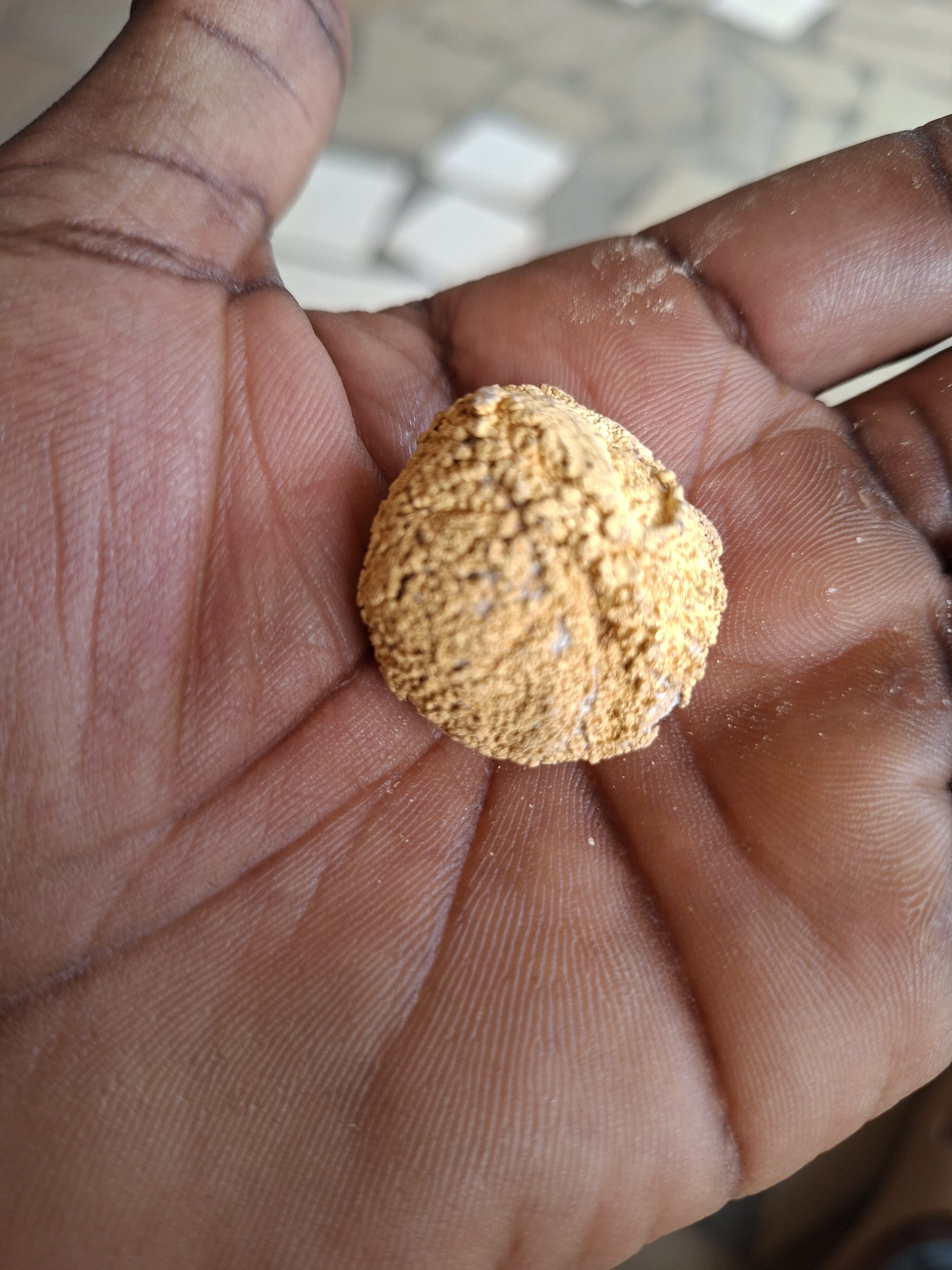
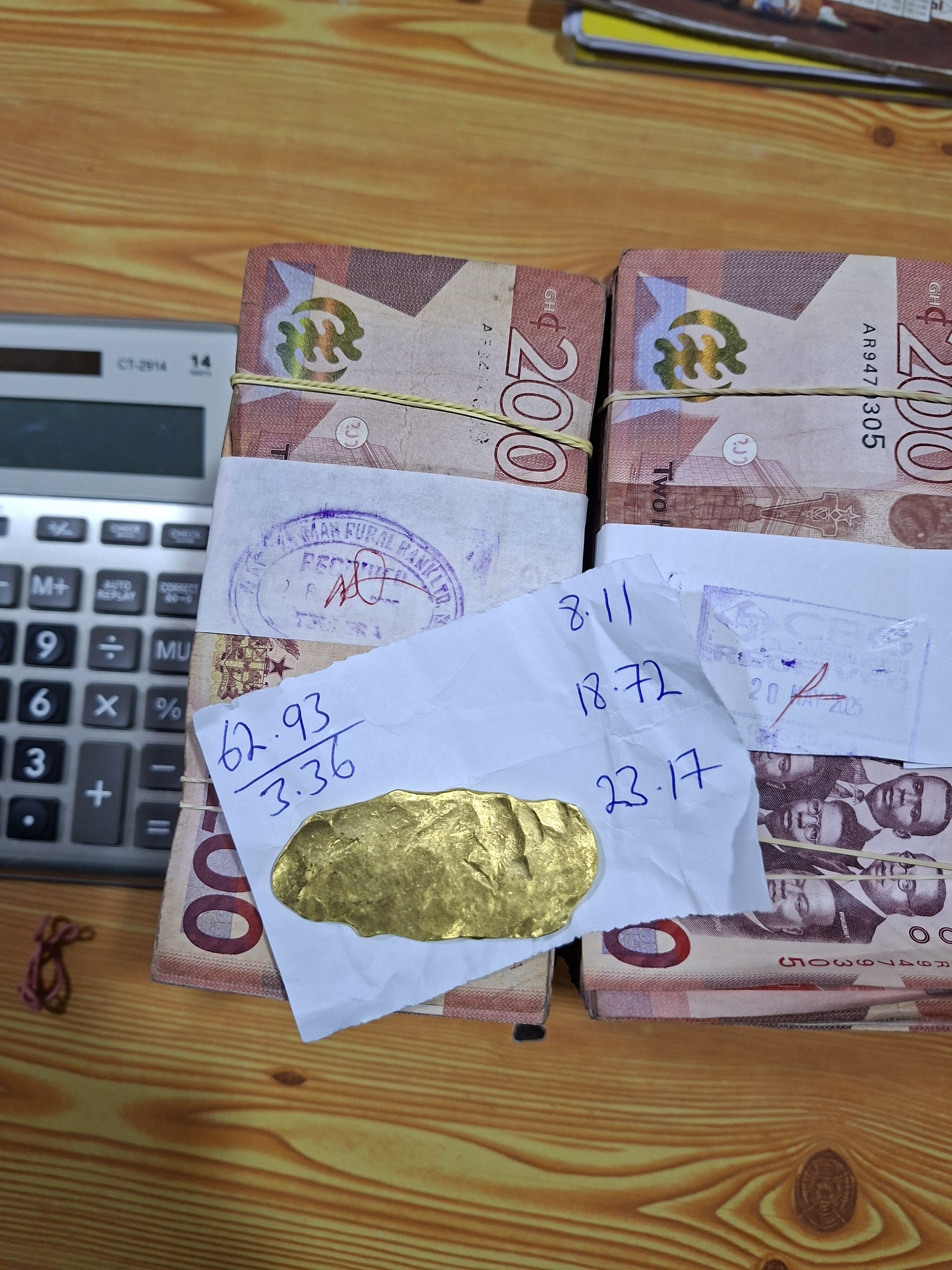

Examining each legacy crater and geochemical point: Do not presume that the past is accurate. Verify it.
Ensuring that QA/QC is implemented from the outset: This is not merely for the sake of protocol; we must act on the results promptly.
Logging with discipline, rather than optimism: Rock descriptions should be precise and consistent, and they should not be influenced by hope.
Iterative modeling: Allow the geological model to be guided by the data, rather than attempting to force it to conform to a preconceived shape.
Early elimination of vulnerable targets: It is preferable to forsake a pet theory than to pursue it until it is completely forgotten.
Exploration becomes costly conjecture when these steps are disregarded. The backbone of a credible, defendable program is established when they are adhered to.
The correct party, not merely the appropriate rocks
Geology is a science that is equally as much a people concern. A robust team is a cohesive unit that engages in systemic thinking regarding the deposit model, economics, and operational realities, challenges assumptions, and communicates openly. A program can be as quickly derailed as bad materials by sharp geologists who lack collaboration. In teams where members are able to query the direction without fear of stepping on toes, the most favorable outcomes are achieved when field observations, data interpretation, and strategic planning are conducted in a seamless manner.
Before the apparatus is turned on, construct a thesis.
A robust exploration thesis must be established prior to the insertion of any drill steel into the earth. This entails responding to the
What specific objectives are we striving to achieve?
Why is this location chosen?
Why at this time?
Would it be sufficient in size?
Could it be mined in a profitable manner?
Drilling becomes an expensive exercise in optimism in the absence of these answers. Discipline is enforced by a straightforward thesis. It establishes a benchmark against which every new dataset, anomaly, or intriguing outcrop can be evaluated.
Discipline: The act of attempting to surpass the objective
The most accomplished explorers are their own harshest detractors. They make every effort to disprove their targets prior to conducting the simulation. This entails the stress-testing of the geological concept using alternative interpretations, conflicting hypotheses, and supplementary datasets. The green light will illuminate if the objective successfully overcomes all reasonable obstacles. And when the initial package of core is delivered with mineralization precisely where you anticipated, it is not a mere coincidence; it is the outcome of a process that was engineered to secure that moment.
The paradox of planning
In reality, it is impossible to devise a genuinely concrete exploration program; however, this is only half of the thrill. Exploration is inherently a combination of science and astonishment. The unexpected will always be present, and it can occasionally result in the most significant victories. While it is impossible to regulate each variable, you have the ability to regulate your inputs, including the quality of your data, the quality of your team, the quality of your thesis, and the discipline in which you operate. By performing this task proficiently, you can increase your chances of success. Ultimately, gold exploration may be unpredictable; however, the most effective programs are never negligent. They are founded on a foundation of reverence for the fundamentals, as in this industry, deposits are not merely discovered; they are earned.