
whether you’re a beginner or seasoned investor looking to diversify. Precious metals are widely used as hedges against inflation, portfolio diversifiers, and safe havens during economic uncertainty, but they each come with trade-offs.
📌 Why Investors Consider Gold & Silver
📉 Safe Haven & Diversification
- Both metals can preserve value during market volatility and economic downturns because they often move independently of stocks and bonds.
- Gold tends to be less volatile and historically holds value as a store of wealth; silver is more volatile but has industrial demand supporting its price.
💡 Allocation Guideline
Many financial analysts suggest keeping a modest allocation (e.g., ~5–10% of a total portfolio) in precious metals to balance risk and return.
🥇 Best Ways to Invest
1. Exchange-Traded Funds (ETFs) and ETCs
✔ Easy, liquid, no physical storage required
✔ Can be bought/sold through a normal brokerage account
Gold ETFs include:
- SPDR Gold Trust (GLD)
- iShares Gold Trust (IAU)
- SGOL, GLDM
Silver ETFs include:
- iShares Silver Trust (SLV)
- SIVR, PSLV
Advantages: highly liquid, low minimum investment, simple to trade.
2. Physical Metals (Bars & Coins)
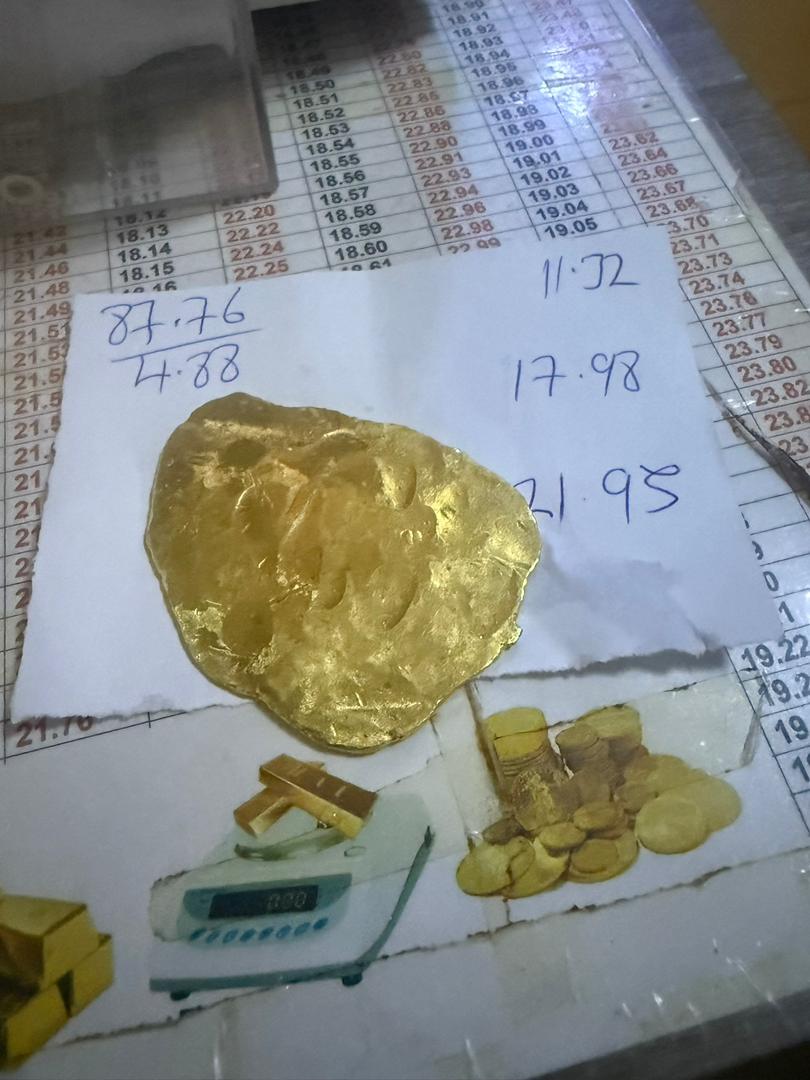

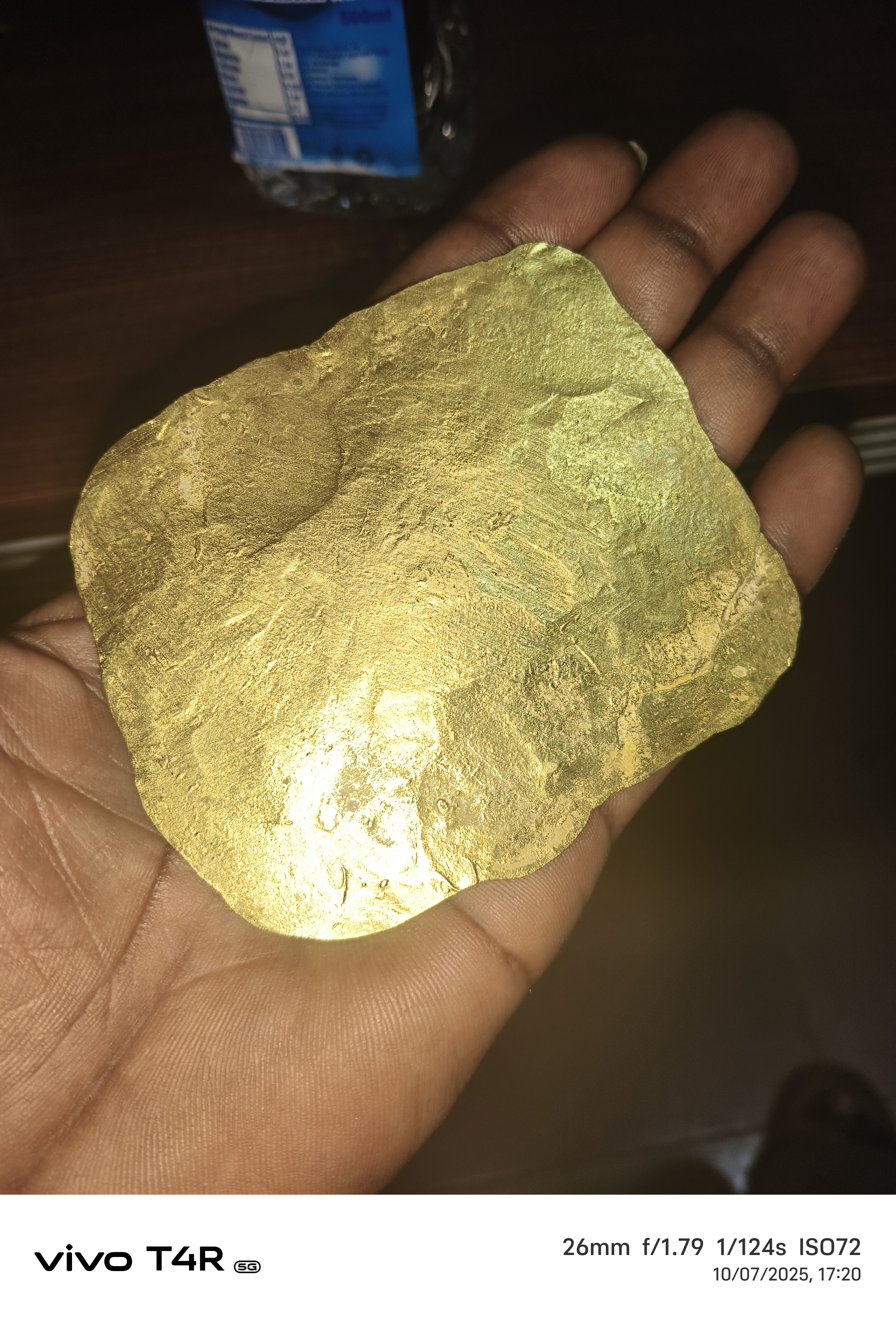
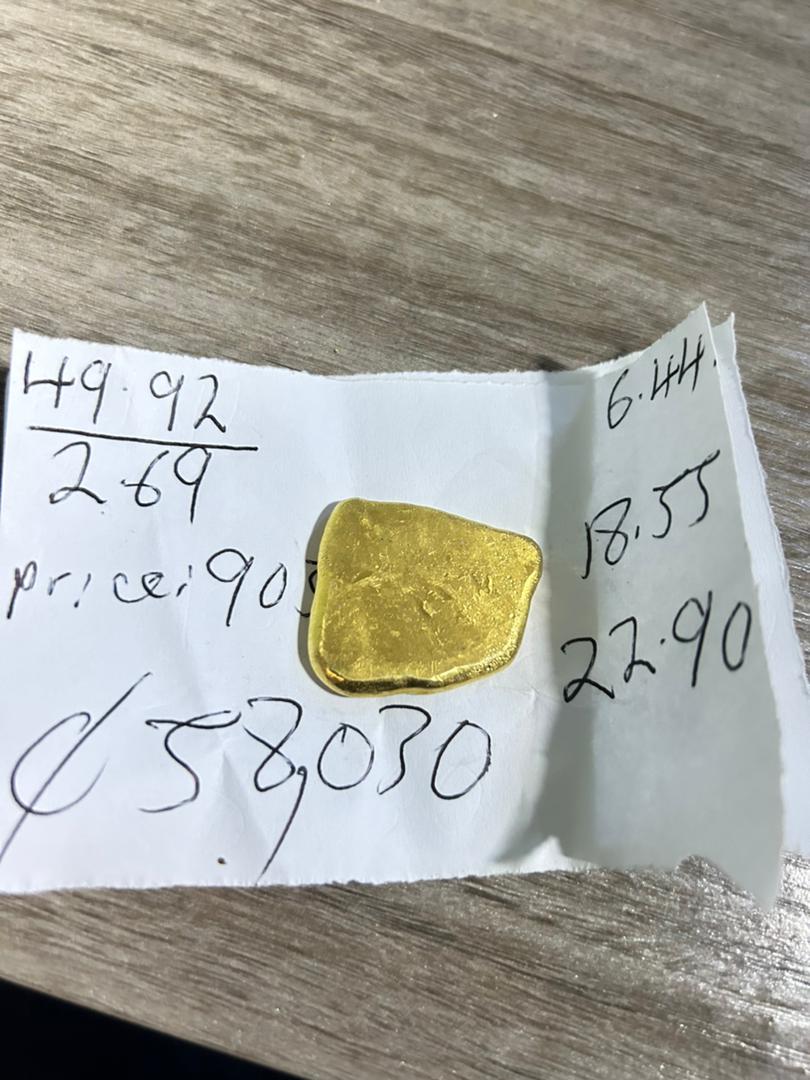
✔ Direct ownership of the asset
✔ No counterparty risk
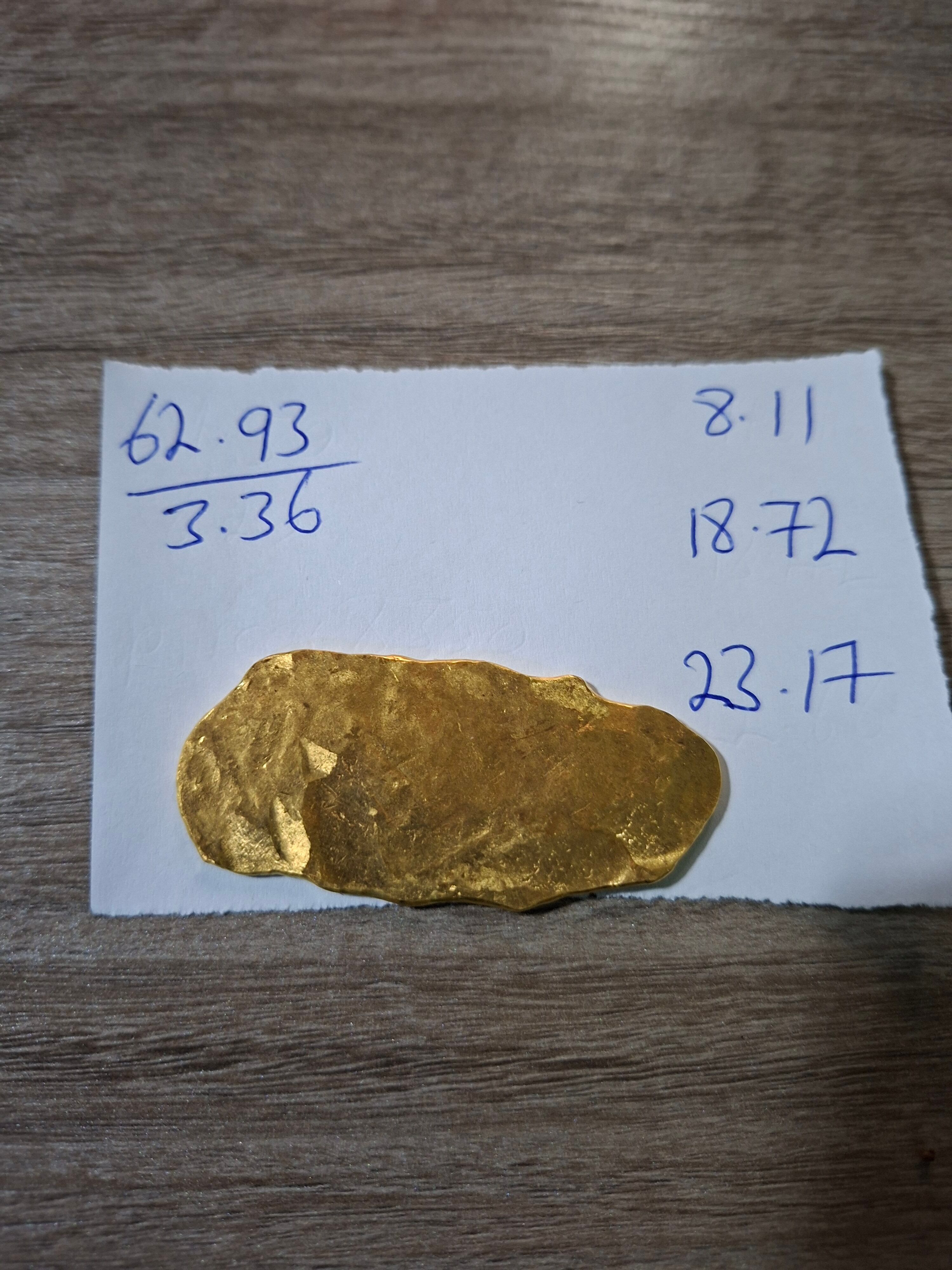
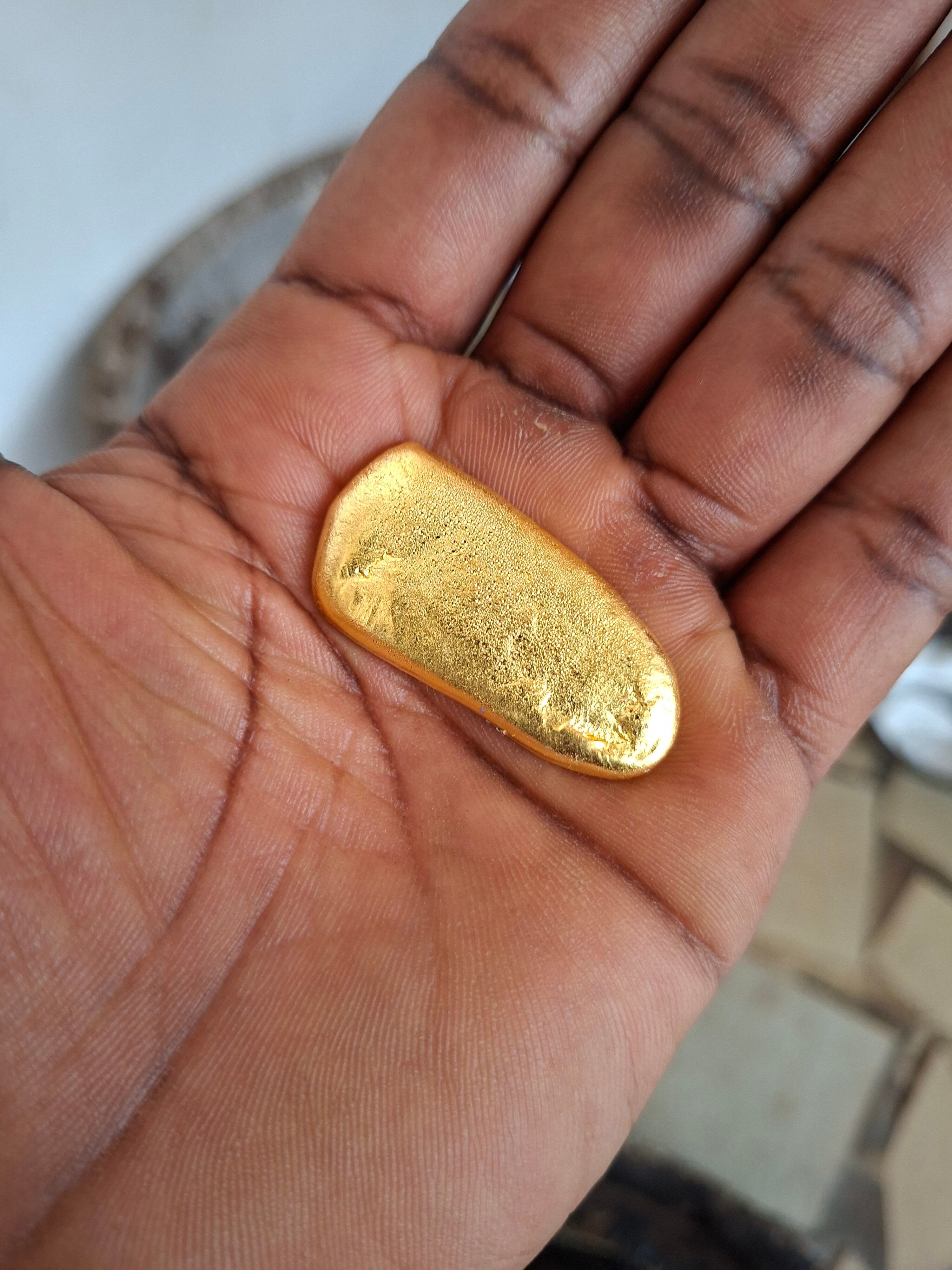
Gold & silver bars or coins from reputable dealers give you tangible metal. Premiums above spot price and storage costs are key downsides.
Tips if you choose physical:
- Buy from LBMA-approved refineries.
- Consider fractional sizes (e.g., 1g–10g gold or 100 oz silver) to lower entry costs and make selling easier.
- Ensure secure, insured storage.
3. Mining Stocks & Sector ETFs
✔ Offers leverage (potentially higher gains if metal prices rise)
✘ Also carries equity risk (company performance, management issues)
Investing in companies that produce gold and silver — including diversified mining ETFs — gives exposure to metal prices plus operational upside.
4. Futures, Options & CFDs (Advanced)
✔ Potential for high short-term gains
✘ High risk, complexity, margin requirements
These are derivatives that speculate on price without owning the metal. Not recommended for beginners unless you understand leverage and market mechanics.
5. Precious Metals IRAs / Retirement Accounts
In some countries, you can hold gold (and sometimes silver) in tax-advantaged retirement accounts — e.g., a self-directed IRA in the U.S. — which can offer tax benefits but also comes with specific rules and fees.
📊 Pros & Cons at a Glance
✅ Pros
- Inflation hedge and safe haven in turbulent markets.
- Diversification benefits.
- Silver’s industrial demand may support prices.
- Physical ownership with no counterparty risk.
❌ Cons
- No income/ dividends — metals don’t generate cash flow.
- Storage/insurance costs for physical metals.
- Price can be volatile, especially silver.
- Premiums & fees with ETFs or mining stocks.
🧠 Strategy Tips
Diversify within precious metals: allocating across gold and silver balances stability and growth potential.
Don’t over-allocate: Precious metals can stabilize a portfolio, but too high a percentage may limit overall returns since they don’t generate income.
Dollar-cost average: Buying small amounts over time can reduce timing risk.
🧾 Summary
| Method | Pros | Cons |
|---|---|---|
| ETFs & ETCs | Liquid, low cost, easy | Management fees, no physical metal |
| Physical Metal | Tangible, no counterparty risk | Storage & insurance, premiums |
| Mining Stocks/ETFs | Leverage to prices | Equity risks |
| Futures/CFDs | High return potential | Very high risk |
| Gold/Silver IRAs | Tax-advantaged | Restricted rules, fees |