
A tentative agreement on vital minerals is being negotiated between Russia and India. The agreement, which is anticipated to be completed in two months, would be a major strategic step for India to ensure a robust supply chain for its energy transition and high-tech manufacturing sectors.
🤝 What Does the Deal Include?
The proposed agreement is a draft that addresses the whole critical mineral value chain:
Its scope will include technological cooperation, processing, and exploration.
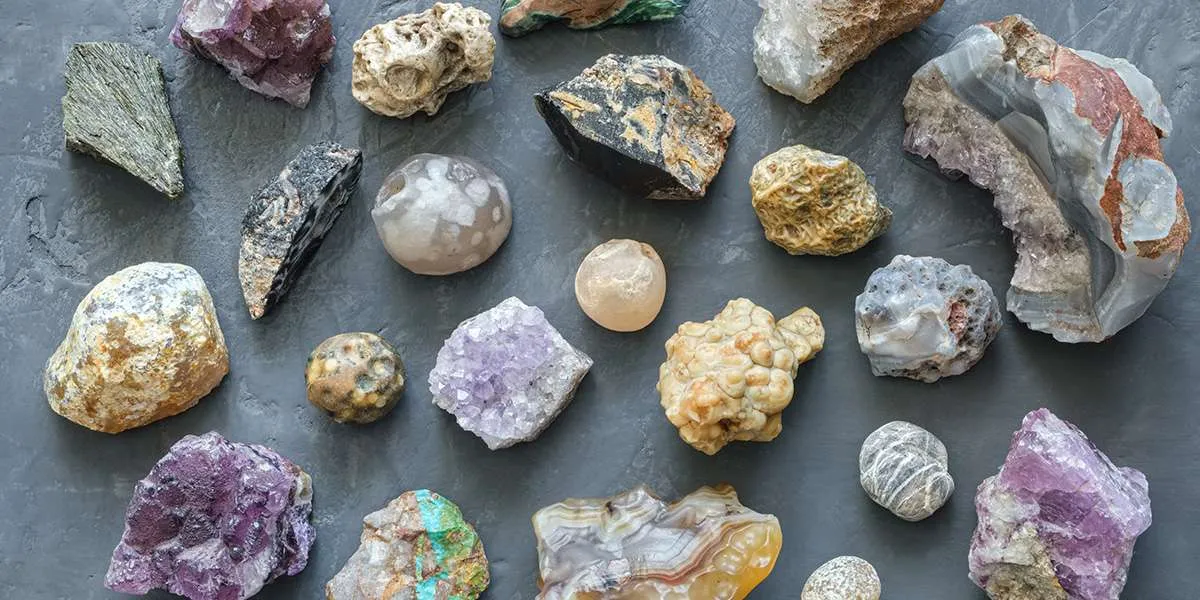
Focus Minerals: Lithium and rare earth elements (REEs), which are necessary for everything from EV batteries to consumer electronics and defense systems, are the main goals.
Governments’ Role: Both governments plan to support corporate investments, suggesting a top-down strategy to promote private sector collaborations.

🗺️ The Need for Strategy: Why Now?
India’s desire to diversify its supply chains and lessen its excessive reliance on China, which presently controls the world’s processing of several vital minerals, is the main driving force for this agreement:
India’s Wider Push: This is a component of a bigger plan. Important mineral agreements have already been signed by New Delhi with allies including Australia, Japan, and Argentina.
Difficulties Faced: India has had little success abroad, and its only significant asset is a 2024-signed lithium exploration project in Argentina.
Russia’s Potential “White Spot” for Supply
Despite having enormous geological potential, the alliance is essential for Russia to revive its undeveloped rare earths industry. Currently, it imports more than 98% of its rare earth metals and almost all of its lithium.
Huge Potential: An estimated 28.5 million metric tons of rare earth metals are stored in Russia.
Nascent output: Russia only contributes about 1% of the world’s rare earth output, despite its reserves.
🔄 Creating Momentum: Stronger Institutional Bonds
The India-Russian critical minerals collaboration is gaining institutional impetus, which is reflected in this agreement:
Institutional Pact: To collaborate on rare earth technology, Russia’s GIREDMET (a Rosatom institute) and India’s TEXMiN Foundation signed a Memorandum of Understanding in February 2026.
Expanding Agenda: Both parties have agreed to strengthen collaboration in this area, making it a top priority in their economic working group.
💎 Synopsis & Prospects
In the event that it is signed, this agreement will function as an umbrella framework between governments, opening the door for business investments, technology sharing, and potentially cooperative exploration projects. In addition to providing Russia with a crucial ally in Asia and a much-needed boost to its rare earth industry, it would be a significant step for India to lessen its strategic reliance on China for its future green technology.