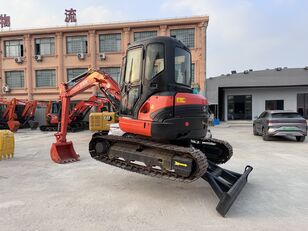

With significant cost reductions and access to a wide variety of machines, importing heavy equipment from China might be an attractive business strategy. But it’s crucial to successfully negotiate the challenges of quality control, logistics, and legislation. This manual offers a methodical approach to assist you in efficiently managing the procedure.
The Landscape: Why China and Essential Information
Thanks to effective industrial clusters and integrated supply chains in regions like Shandong and Fujian, China is the world’s top manufacturer of heavy machinery. In average, this ecosystem enables manufacturers to achieve international quality requirements while producing equipment at 25–35% lower costs than their Western rivals.
Almost any kind of machinery is available from a variety of specialized manufacturers. However, worries about long-term dependability might occasionally coexist with the low price point. As a result, it is crucial to carefully plan in order to control risks associated with quality, logistics, and paperwork.
A Comprehensive Guide on Importing Heavy Machinery from China
Step 1: Get Your Home Country Ready
To find all relevant tariffs and import restrictions, start by figuring out your Harmonized System (HS) code, which is usually found under chapters 84 and 85. Additionally, you need to get ready for any country-specific environmental or safety certifications that your equipment may need to fulfill, such CE (EU) or EPA (USA). Applying for important documentation, such as import licenses, before your shipment arrives may help you avoid last-minute obstacles.
Step 2: Evaluate Your Provider
A comprehensive technological examination is essential; don’t rely just on brochures. A Factory Acceptance Test (FAT), which runs the machine under simulated real-world conditions and verifies its performance, is regarded as a crucial milestone for significant capital investments. Additionally, this is the moment to clarify Incoterms. For example, CIF (Cost, Insurance, Freight) includes the major ocean freight, whereas FOB (Free on Board) indicates the supplier delivers the equipment to the origin port and places all further expenses and risks on you.
Step 3: Verify and Complete Prior to Shipment
Get a third-party pre-shipment examination from a reliable company like SGS or Bureau Veritas before sealing any containers. This safeguards your investment and checks the supplier’s claims. To protect your money, always combine this with secure payment conditions like a T/T against the Bill of Lading or a Letter of Credit (L/C).
Step 4: Set Up Logistics and Shipping
This is frequently the part with the most physical complexity. A freight forwarder with experience transporting large loads is what you’ll need. The typical sea freight prices for a single 20-foot container from major Chinese ports in Q2 2026 are displayed in the table below (your final landed costs will vary depending on individual surcharges and insurance).
Route of Destination Average Price Range (USD) Approximate Travel Time
US West Coast (LA/LB) 2,800–2,800–3,500 14–18 Days
US East Coast (New York/Savannah) 3, 900–3,900–4,800 28–35 Days Europe (Rotterdam/Hamburg) 3, 200–3,200–4,100 35–42 Days
Shipping Modes: Sea freight (FCL) is the only practical and economical choice for the majority of heavy equipment. Air freight, which costs between $320 and $850 per ton, may be taken into consideration for smaller, more valuable parts.
Special Surcharges: Keep in mind that large carriers like Maersk impose a “Heavy Load Surcharge” (HWS) for particularly heavy cargoes (such as 20-foot containers weighing more than 23 metric tons). In 2026, the HWS was US$400 per unit for China-to-South America routes.

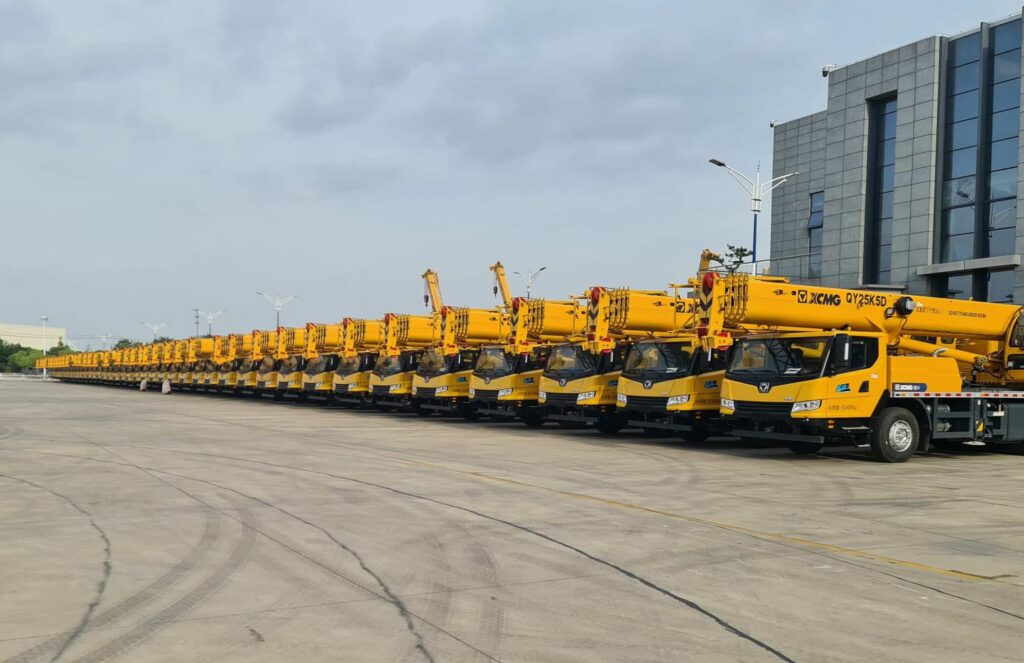
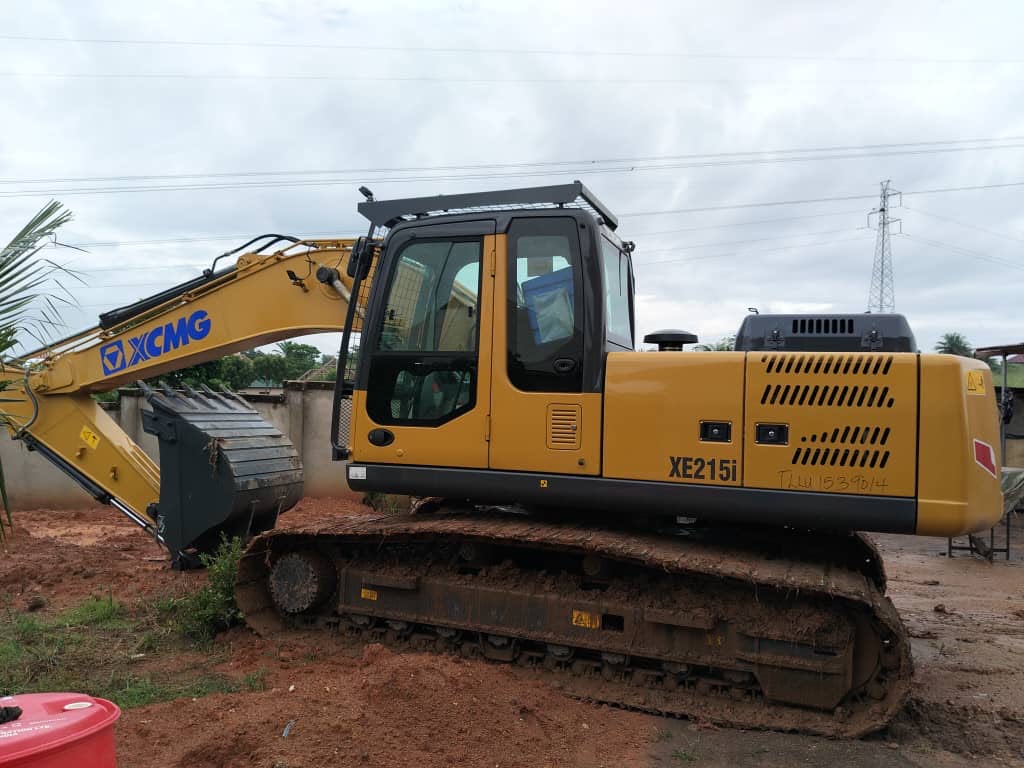
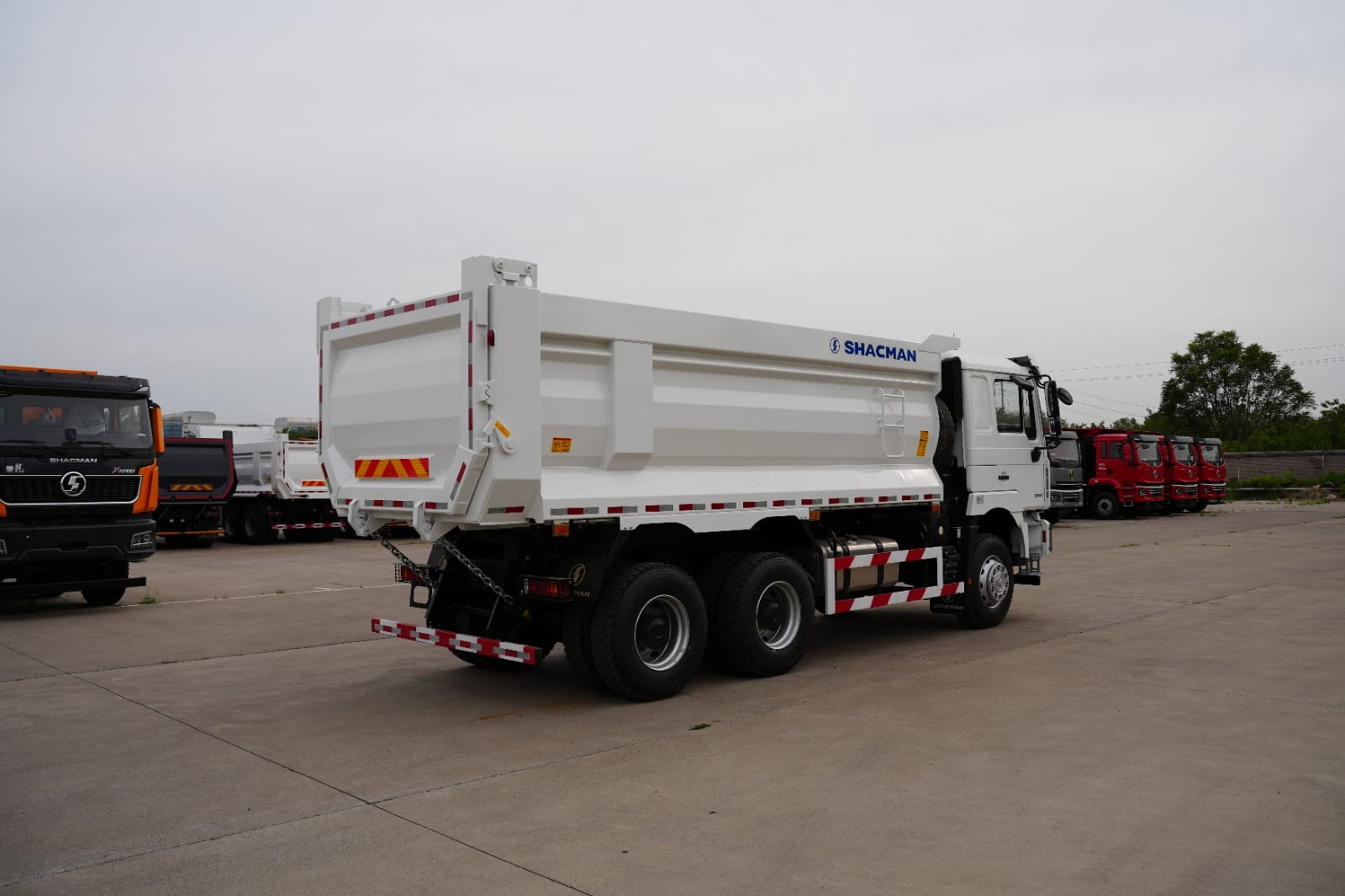
Step 5: Handle the Arrival and Clear Customs
The commercial invoice, bill of lading (B/L), packing list, certificate of origin, and your import license (if necessary) are some of the important documents involved in the import process. Collaborate closely with a certified customs broker to provide the necessary documentation, such as securing plans and cargo manifests.
⚠️ Watch Out for Common Pitfalls: Customs delays are common. According to data from the first half of 2025, 19% of holds were caused by misreporting the age of used equipment, 28% by missing safety certifications, and 31% by mismatched power specifications.
⚖️ Particular Attention to Used (Old) Equipment
There are regulations specific to the importation of used equipment. Many nations have stringent age restrictions, frequently mandating that the equipment be at least five years old from the date of manufacture. If the equipment is older, you might need to prove its condition with a Safety Performance Evaluation Certificate and a third-party test report. A pre-shipment inspection by SGS/TUV is not only advised but required due to the possibility of concealed wear and previous repairs.
Checklist for Import Readiness
Verify HS codes and look for anti-dumping duties in your pre-import research.
Supplier Vetting: Examine possible suppliers and obtain compliance documents (ISO, CE, EPA).
Secure Payment Terms: Attach payment to the bill of lading and use escrow or L/C.
Pre-Shipment Inspection: For significant investments, use SGS/BV and perform FAT.
Logistics Plan: Reserve freight and verify inland transportation and port handling for large commodities.
Customs Preparation: Prepare all necessary paperwork and permit applications ahead of time.
💎 Concluding Remarks and Suggestions
First, the HS Code: All of your rates and requirements are determined by your HS code. To get it correctly, use a licensed customs broker.
The purchase price is only the beginning when considering Total Cost of Ownership (TCO). Take into account shipping, insurance, customs charges, and post-purchase assistance. A local agency can assist prevent unforeseen costs.
Use secure payment arrangements and third-party inspections to protect your investment. Consider employing a specialist import agent to handle the technical compliance and paperwork for expensive, complicated equipment.
Make a Long-Term Plan: To assure dependable performance for years to come, build your strategy around selecting a transparent partner and a long-lasting machine rather than merely the cheapest price tag.